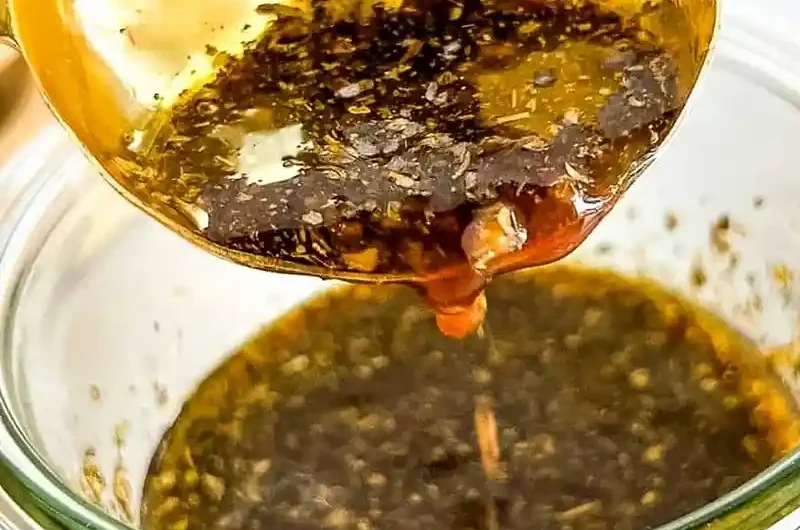
Enhance your poultry dishes with this tangy and sweet balsamic glaze. This quick preparation uses pantry staples to create a deep flavor profile perfect for various cooking methods.
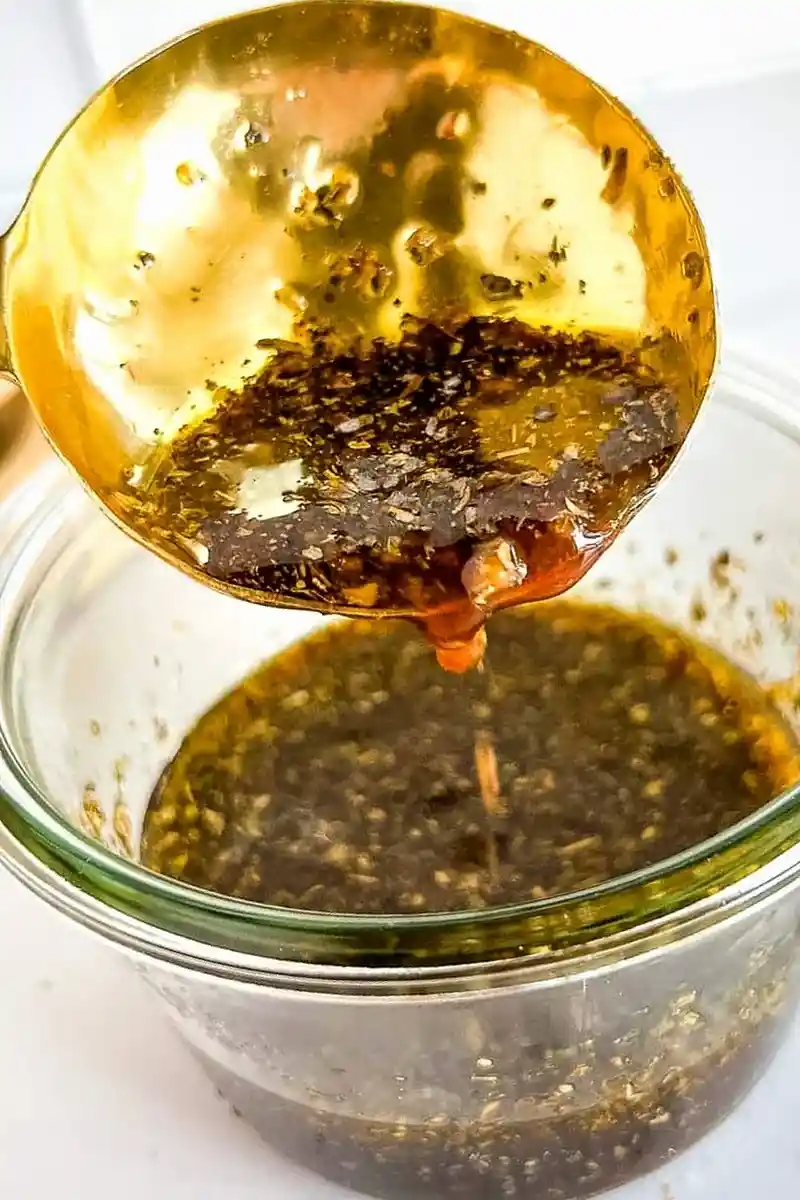
List of ingredients
- 1/4 cup balsamic vinegar – provides the essential tart and rich base.
- 2 tablespoons olive oil – adds moisture and prevents the meat from sticking.
- 2 tablespoons honey – delivers natural sweetness and aids in caramelization.
- 1 tablespoon prepared Dijon mustard – adds a sharp tang and helps emulsify the sauce.
- 2 cloves garlic, minced – provides a pungent, aromatic quality.
- 1 teaspoon dried oregano – crush between fingers to release essential oils.
- 1 teaspoon dried basil – crush between fingers to release essential oils.
- Salt and freshly ground pepper – white pepper is ideal for a clean flavor and appearance.
step-by-step instructions
- Mix the base: In a medium bowl, whisk together the balsamic vinegar, honey, Dijon mustard, minced garlic, dried oregano, and dried basil until smooth.
- Season: Add salt and freshly ground pepper to the mixture and stir to taste.
- Marinate: Place chicken pieces in a resealable bag or container and pour the marinade over them. Let the chicken soak in the refrigerator for 6 to 12 hours.
Flavor Customization and Variations
Adding Citrus for Zest
Stir in a tablespoon of fresh lemon juice to add a bright, citrusy note to the marinade. This works particularly well for skinless chicken breasts baked in the oven.
Increasing the Heat
Incorporate a pinch of cayenne pepper or red pepper flakes if you prefer a spicy kick. The heat balances the natural sweetness of the honey.
Using Fresh Herbs
Replace the dried oregano and basil with fresh thyme, rosemary, or flat-leaf parsley. Fresh herbs provide a more potent, herbaceous flavor especially when grilled.
Substituting the Sweetener
Swap the honey for maple syrup or agave nectar for a slightly different sweetness profile. Maple syrup adds a deeper, more earthy tone to the balsamic base.
Milder Vinegar Options
Use white balsamic vinegar instead of traditional dark balsamic for a lighter color and a more subtle tang. This is ideal for those who find dark balsamic too overpowering.
Using Garlic Powder
If you prefer a more uniform flavor without the intensity of fresh cloves, use garlic powder. This creates a smoother texture in the marinade.
Adding Italian Seasoning
Substitute the individual herbs with a high-quality Italian seasoning blend. This simplifies the process while maintaining the classic Mediterranean flavor profile.
Increasing the Tang
Add an extra teaspoon of Dijon mustard or a splash more balsamic vinegar if you prefer a sharper, more acidic finish. This helps cut through the richness of chicken thighs.
Selecting the Best Chicken Cuts
Boneless Skinless Breasts
Chicken breasts are lean and soak up flavors well. For the most even cooking, pound thicker breasts to a uniform thickness using a meat mallet before marinating.
Boneless Skinless Thighs
Thighs are more forgiving and stay juicy under high heat. The higher fat content in thighs pairs perfectly with the acidity of the balsamic vinegar.
Chicken Drumsticks
Drumsticks are excellent for slow-roasting or grilling. Because the meat is denser, ensure they marinate for the full 12 hours to allow the flavor to penetrate.
Chicken Tenderloins
Tenders cook very quickly and require a shorter time on the heat. They are ideal for pan-searing and absorbing the honey-balsamic glaze rapidly.
Bone-In Chicken Parts
Bone-in cuts provide more flavor but require longer cooking times. Use a roasting pan to ensure the balsamic marinade doesn’t burn before the meat is cooked through.
Cooking Method Guidelines
Grilling for Char
Cook the marinated chicken over medium-high heat on a preheated grill. The honey in the marinade will caramelize, creating beautiful char marks and a sticky glaze.
Oven Roasting Techniques
Place chicken in a baking dish and roast at 400°F. This method allows the chicken to cook in its own juices and the leftover marinade.
Pan Searing for Speed
Use a cast-iron or stainless steel skillet over medium heat. Avoid using high heat to prevent the honey and sugars from burning before the chicken reaches a safe internal temperature.
Air Frying Instructions
Place marinated pieces in the air fryer basket at 375°F. Shake the basket halfway through to ensure all sides are caramelized and evenly cooked.
Managing Sugar Burn
Because honey contains sugar, it can burn quickly. Monitor the heat closely and flip the chicken frequently to avoid blackened spots.
Ensuring Internal Temperature
Use a meat thermometer to ensure chicken reaches an internal temperature of 165°F. This ensures safety without overcooking the meat.
Preparation and Timing Secrets
Optimal Marinating Duration
Aim for 6 to 12 hours of marinating time. This window allows the flavors to penetrate deeply without compromising the texture of the meat.
Managing Acid Levels
Avoid marinating chicken for longer than 12 hours. The acetic acid in the balsamic vinegar can break down the muscle fibers too much, resulting in a mushy texture.
Make-Ahead Dinner Planning
Prepare the marinade and bag the chicken in the morning. This allows the meat to infuse all day, meaning you only need to cook it once you get home.
Room Temperature Resting
Remove the chicken from the refrigerator about 20 minutes before cooking. Bringing the meat closer to room temperature ensures a more even cook throughout.
Using Vacuum Seal Bags
If you have a vacuum sealer, use it for the marinating process. Removing the air forces the marinade into the meat more efficiently than a standard Ziploc bag.
Storage and Food Safety
Refrigerating Excess Marinade
Store any unused marinade in an airtight container in the fridge for up to 5 days. Ensure the marinade has not touched raw meat before storing.
Freezing the Mixture
Place the marinade in a freezer-safe container for up to six months. Thaw it overnight in the refrigerator before adding it to your chicken.
Handling Used Marinade
Always discard marinade that has been in contact with raw chicken. Never use it as a basting sauce unless it is boiled first to kill bacteria.
Safe Thawing Procedures
If you freeze chicken inside the marinade, thaw it slowly in the refrigerator. Avoid thawing on the counter to prevent bacterial growth.
Preventing Cross-Contamination
Use separate cutting boards for the raw marinated chicken and the vegetables you plan to serve with the meal. Wash all utensils with hot, soapy water.
Serving and Pairing Ideas
Pairing with Grains
Serve the balsamic chicken over a bed of fluffy basmati rice or quinoa. The grains absorb the extra juices from the chicken perfectly.
Roasted Vegetable Accompaniments
Pair this dish with roasted broccoli, carrots, or asparagus. Toss the vegetables in olive oil and salt to complement the tangy glaze.
Fresh Salad Combinations
Serve sliced balsamic chicken over a spinach salad with feta cheese and walnuts. The acidity of the chicken mimics a salad dressing.
Pasta Integration
Slice the cooked chicken and toss it with penne pasta and a drizzle of olive oil. Add fresh cherry tomatoes for a complete meal.
Sandwich and Wrap Ideas
Use the marinated breast in a ciabatta roll with arugula and sliced avocado. The sweetness of the honey pairs well with creamy avocado.
Potato Side Dishes
Serve with garlic mashed potatoes or roasted fingerling potatoes. The starch balances the bold balsamic notes of the meat.
Troubleshooting Common Issues
Preventing a Sticky Mess
If the honey makes the chicken too sticky on the grill, lightly oil the grates. This prevents the sugar from bonding to the metal.
Removing Excess Moisture
Pat the chicken dry with paper towels after removing it from the marinade. This helps the meat sear and brown instead of steaming in the pan.
Balancing Too Much Acidity
If the final dish tastes too tart, serve it with a side of creamy polenta or mashed potatoes. The creaminess neutralizes the sharp vinegar taste.
Fixing Under-Seasoned Meat
If the chicken tastes bland, increase the salt and pepper in the marinade next time. Remember that salt is necessary to carry the other flavors into the meat.
Dealing with Uneven Cooking
If some pieces cook faster than others, ensure all cuts are the same size. Pounding the meat to an even thickness is the most effective solution.
Avoiding Burnt Garlic
When pan-searing, ensure the minced garlic is well-distributed in the liquid. Large clumps of garlic can burn quickly and taste bitter.
Frequently Asked Questions
How long can I safely marinate raw chicken in balsamic vinegar?
The safe limit is 12 hours. Beyond this point, the acid in the vinegar begins to break down the protein structure too much, which can make the meat tough or mushy.
Do you rinse marinade off the chicken before cooking?
No, do not rinse the chicken. Rinsing removes the flavor and adds excess moisture to the surface, which prevents the chicken from browning properly.
Can you cook chicken in the marinade?
You should not cook the chicken inside the marinade liquid. The high sugar content from the honey will burn quickly when exposed to direct heat.
Can I use this marinade for beef or pork?
While designed for chicken, this mixture works well with steak or lean cuts of beef. Simply adjust the marinating time based on the thickness of the meat.
How do I store leftovers?
Store cooked chicken in an airtight container in the refrigerator for up to 4 days. Reheat gently in a pan or oven to maintain the glaze’s texture.
Print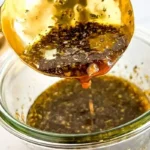
Savory Balsamic Chicken Marinade
- Total Time: 5 minutes
- Yield: 6 servings 1x
- Diet: General
Description
This flavorful balsamic chicken marinade is quick to make with pantry ingredients—perfect for grilled, baked, or pan-seared chicken recipes.
Ingredients
- 1/4 cup balsamic vinegar
- 2 tablespoons olive oil
- 2 tablespoons honey
- 1 tablespoon prepared Dijon mustard
- 2 cloves garlic, minced
- 1 teaspoon dried oregano
- 1 teaspoon dried basil
- salt and freshly ground pepper
Instructions
- Whisk: Using a medium bowl, whisk together balsamic vinegar, honey, Dijon mustard, garlic, oregano, and basil.
- Season: Add salt and pepper, to taste.
- Marinate: Marinade chicken pieces in this poultry marinade for 6-12 hours.
Notes
Roll the dried herbs between your fingers to crush them and release the oils. For a spicier version, add cayenne pepper, red pepper flakes, or chili powder.
- Prep Time: 5 minutes
- Cook Time: 0 minutes
- Category: Main Course
- Method: Mixing
- Cuisine: American
Nutrition
- Serving Size: 1 serving
- Calories: 35 kcal
- Sugar: 7 g
- Sodium: 31 mg
- Fat: 0.1 g
- Saturated Fat: 0.02 g
- Unsaturated Fat: 0.13 g
- Trans Fat: 0 g
- Carbohydrates: 8 g
- Fiber: 0.3 g
- Protein: 0.3 g
- Cholesterol: 0 mg
Keywords: balsamic chicken marinade, honey balsamic marinade, easy chicken marinade, grilled chicken