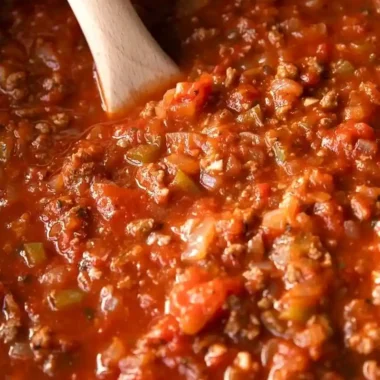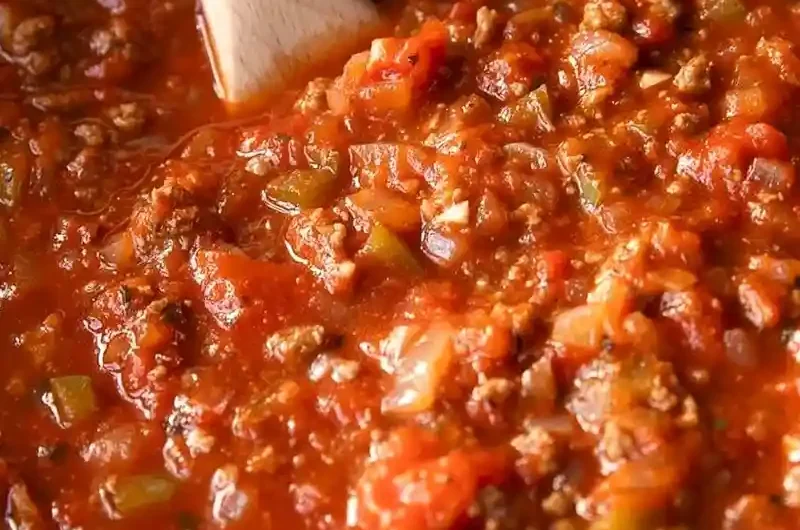
Creating a rich, savory spaghetti sauce from scratch is a rewarding kitchen project that yields far better results than any store-bought alternative. This hearty meat sauce relies on high-quality aromatics, lean ground beef, and a blend of pantry-staple tomatoes to develop a deep, complex flavor profile. It is the perfect centerpiece for a family dinner, providing enough volume to feed a large crowd while remaining simple enough for a busy weeknight.
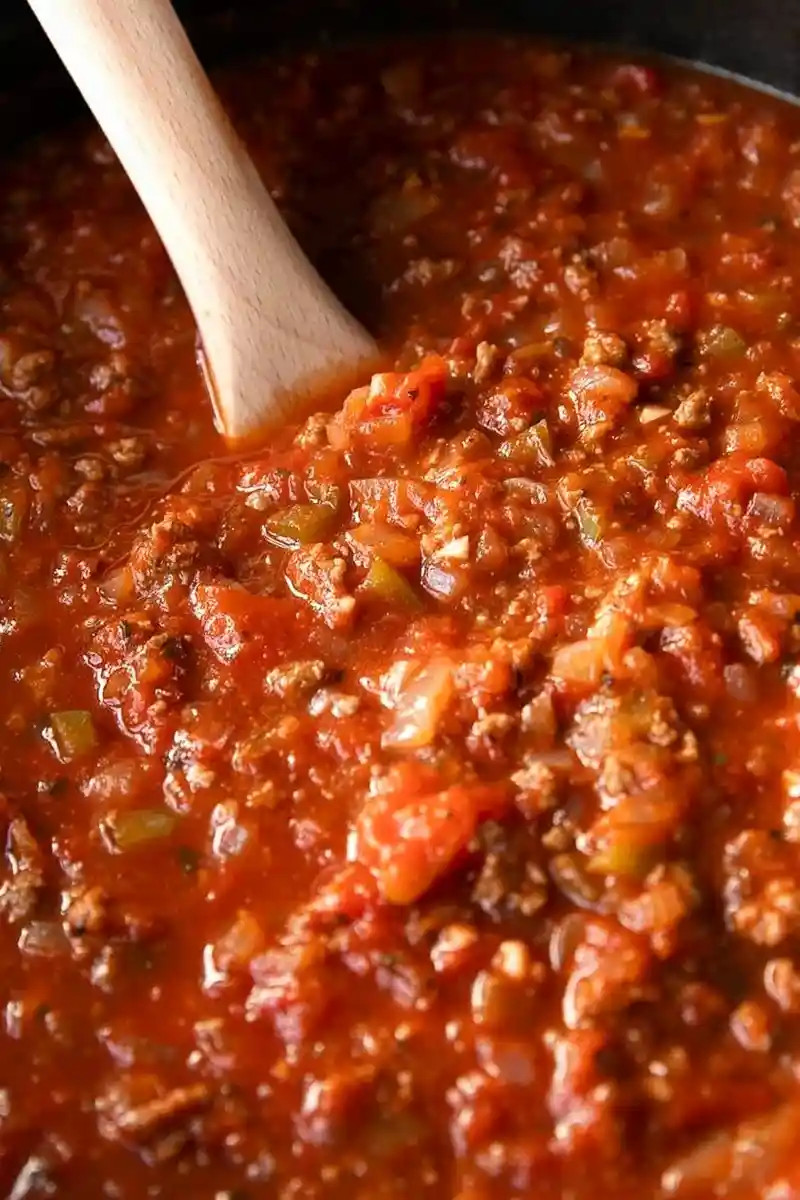
List of ingredients
- 2 tablespoon olive oil (divided)
- 2 pounds ground beef
- 2 medium yellow onions (diced)
- 1 green bell pepper (stem removed, seeded, and diced (optional))
- 5 cloves garlic (minced)
- 2-3 tablespoon tomato paste
- 1 teaspoon dried basil
- 1 teaspoon dried thyme
- 1 teaspoon dried oregano
- salt + black pepper (to season)
- 1 (28 ounce) can diced tomatoes
- 1 (28 ounce) can crushed tomatoes
- 1 (14 ounce) can tomato sauce
- 2-3 tablespoon granulated sugar
- 1-2 tablespoon Worcestershire sauce
- ¾ cup water (plus more as needed)
- 1 pound spaghetti noodles (cooked according to package instructions)
step-by-step instructions
- Step: Add 1 tablespoon of olive oil to a large heavy-bottomed Dutch oven or sauce pot set over medium-high heat. Brown the ground beef, using a wooden spoon or spatula to break it apart into smaller crumbles. Once the meat is fully cooked, transfer it to a clean plate and set aside.
- Step: To the same pot add the remaining tablespoon of olive oil and return to medium heat. Add the onions and cook for 5-7 minutes, or until soft and translucent, stirring often. Mix in the diced bell pepper and continue to cook for 3-4 minutes. Sprinkle with salt and stir in the minced garlic. Cook, stirring continuously, for 1 minute.
- Step: Add the tomato paste to the vegetables, mixing thoroughly until combined. Add the basil, thyme, oregano, and a pinch of salt and pepper. Mix well to combine.
- Step: Stir in the tomatoes, sugar, Worcestershire sauce, water, and return the cooked ground beef back to the pot. Mix well to combine. Bring the sauce to a low boil, then reduce heat to low, cover, and allow the sauce to simmer for at least 20 minutes.
- Step: Season with additional salt, pepper, Italian seasoning, or sugar, to taste. Serve with cooked spaghetti noodles or other pasta of choice. Garnish with chopped parsley and shredded parmesan cheese, if desired.
Refining Your Cooking Technique
Achieving the Perfect Sear
To ensure your sauce has the best possible flavor, do not rush the browning process of the ground beef. When the meat makes direct contact with the hot pot, it creates a chemical reaction known as the Maillard reaction, which develops deep, savory notes. Always brown in small batches if your pot is not large enough to hold all the meat at once without crowding.
Managing Sauce Consistency
If you prefer a thicker sauce, remove the lid during the final 10 to 15 minutes of simmering to allow excess moisture to evaporate. Conversely, if the sauce becomes too thick or sticks to the bottom of the pot, simply stir in additional water or unsalted vegetable stock in small increments. Always stir frequently during the simmering process to prevent the sugars in the tomatoes from caramelizing and burning at the base of the pot.
Developing Depth of Flavor
While the recipe provides a solid foundation, allowing the sauce to simmer for longer than 20 minutes can result in an even more concentrated taste. If time permits, letting the sauce gently bubble on low heat for up to an hour will soften the vegetables completely and allow the oils from the dried herbs to infuse throughout the liquid. Keep the lid slightly ajar if you are simmering for a longer period to prevent the sauce from becoming too thin.
Customizing Ingredients and Variations
Integrating Additional Vegetables
You can easily increase the nutritional profile of this dish by incorporating finely diced carrots or celery alongside the onions. These vegetables add a natural sweetness that complements the tomatoes perfectly. If you enjoy a heartier texture, consider adding sliced mushrooms, which should be sautéed in the pot after the onions have softened but before the garlic is added.
Adding Fresh Herb Accents
While dried herbs are excellent for long-simmering dishes because they release flavor slowly, finishing the sauce with fresh herbs can add a vibrant brightness. Consider stirring in a handful of finely chopped fresh basil or flat-leaf parsley just before serving. Fresh herbs do not hold up well to long heat, so adding them right at the end preserves their color and fresh, aromatic oils.
Practical Serving and Storage
Freezing for Future Meals
This sauce is an excellent candidate for long-term storage in the freezer. Allow the sauce to cool completely at room temperature before transferring it into freezer-safe containers or heavy-duty zip-top bags. Remove as much air as possible from the bags to prevent freezer burn, and it will maintain its quality for up to three months. When you are ready to eat, thaw the sauce in the refrigerator overnight before reheating it on the stove.
Reheating Leftover Sauce
When reheating refrigerated sauce, use a small saucepan over medium-low heat rather than high heat. High temperatures can cause the tomato sauce to splatter and potentially burn on the bottom. Add a splash of water to the pot if the sauce has thickened significantly in the fridge, as the pasta starch and cooling process often cause it to set into a tighter consistency.
Creative Serving Ideas
While this is perfect over traditional spaghetti noodles, do not feel limited to long pasta shapes. The hearty nature of this meat sauce also pairs beautifully with short pasta like penne, rigatoni, or fusilli, which are adept at holding onto the meat crumbles. You can also use this sauce as a high-quality base for layered dishes like lasagna or as a savory filling for stuffed bell peppers or hearty pasta bakes.
Frequently Asked Questions
Why does my sauce taste overly acidic?
The acidity in canned tomatoes can vary by brand and variety. If the sauce tastes too sharp, increase the amount of sugar by half a teaspoon at a time until the brightness is mellowed. You can also balance the acidity by adding a small knob of unsalted butter at the very end of the cooking process, which creates a rich mouthfeel.
Can I substitute the ground beef?
Yes, this recipe is highly adaptable to different proteins. Ground turkey or ground chicken are excellent, lower-fat alternatives that still provide a satisfying texture. If you are opting for a plant-based version, you can substitute the beef with cooked lentils or a high-quality meatless crumble, though you may need to adjust the cooking time as these do not require as much browning as fresh ground meat.
Is there a way to make this sauce smoother?
If you prefer a refined texture without chunky vegetables, use an immersion blender directly in the pot once the vegetables are soft but before you add the meat back in. Alternatively, if you want the meat incorporated into a smooth sauce, you can process the cooked beef with the vegetables before adding the liquids. Be careful not to over-process, or the sauce may become puréed to the point of losing its rustic appeal.
How do I prevent the garlic from burning?
Garlic has a very low smoke point and can turn bitter within seconds if subjected to high heat. Always add the minced garlic after the onions and peppers have softened and lower the heat slightly. Stir constantly for no more than 60 seconds, which is enough time for the oils in the garlic to release without crossing the threshold into burnt, acrid territory.
Print
Classic Homemade Hearty Spaghetti Sauce
- Total Time: 60 minutes
- Yield: 8 servings 1x
- Diet: Dairy-free, Gluten-free
Description
This Homemade Spaghetti Sauce Recipe is so hearty, delicious, and easy to prepare you’ll never want to buy the jarred stuff again. Made with simple ingredients like ground beef, onions, and tomatoes, learn how to make spaghetti sauce right at home and enjoy with pasta or cooked into your favorite recipes like stuffed peppers and lasagna.
Ingredients
- 2 tablespoon olive oil (divided)
- 2 pounds ground beef
- 2 medium yellow onions (diced)
- 1 green bell pepper (stem removed, seeded, and diced (optional))
- 5 cloves garlic (minced)
- 2–3 tablespoon tomato paste
- 1 teaspoon dried basil
- 1 teaspoon dried thyme
- 1 teaspoon dried oregano
- salt + black pepper (to season)
- 1 (28 ounce) can diced tomatoes
- 1 (28 ounce) can crushed tomatoes
- 1 (14 ounce) can tomato sauce
- 2–3 tablespoon granulated sugar
- 1–2 tablespoon Worcestershire sauce
- ¾ cup water (plus more as needed)
- 1 pound spaghetti noodles (cooked according to package instructions)
Instructions
- Step: Add 1 tablespoon of olive oil to a large heavy-bottomed Dutch oven or sauce pot set over medium-high heat. Brown the ground beef, using a wooden spoon or spatula to break it apart into smaller crumbles. Once the meat is fully cooked, transfer it to a clean plate and set aside.
- Step: To the same pot add the remaining tablespoon of olive oil and return to medium heat. Add the onions and cook for 5-7 minutes, or until soft and translucent, stirring often. Mix in the diced bell pepper and continue to cook for 3-4 minutes. Sprinkle with salt and stir in the minced garlic. Cook, stirring continuously, for 1 minute.
- Step: Add the tomato paste to the vegetables, mixing thoroughly until combined. Add the basil, thyme, oregano, and a pinch of salt and pepper. Mix well to combine.
- Step: Stir in the tomatoes, sugar, Worcestershire sauce, water, and return the cooked ground beef back to the pot. Mix well to combine. Bring the sauce to a low boil, then reduce heat to low, cover, and allow the sauce to simmer for at least 20 minutes.
- Step: Season with additional salt, pepper, Italian seasoning, or sugar, to taste. Serve with cooked spaghetti noodles or other pasta of choice. Garnish with chopped parsley and shredded parmesan cheese, if desired.
Notes
Yields about 10–11 cups of sauce. Suitable for freezer storage for up to 3 months. Recipe is dairy-free and gluten-free (verify Worcestershire sauce ingredients).
- Prep Time: 15 minutes
- Cook Time: 45 minutes
- Category: Pasta, Sauce
- Method: Stovetop
- Cuisine: American, Italian
Nutrition
- Serving Size: 1 serving
- Calories: 570 kcal
- Sugar: 8 g
- Sodium: 136 mg
- Fat: 27 g
- Saturated Fat: 9 g
- Unsaturated Fat: 18 g
- Trans Fat: 0 g
- Carbohydrates: 52 g
- Fiber: 3 g
- Protein: 28 g
- Cholesterol: 81 mg
Keywords: spaghetti sauce, homemade pasta sauce, meat sauce, beef spaghetti sauce