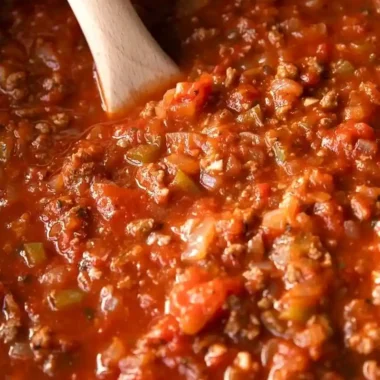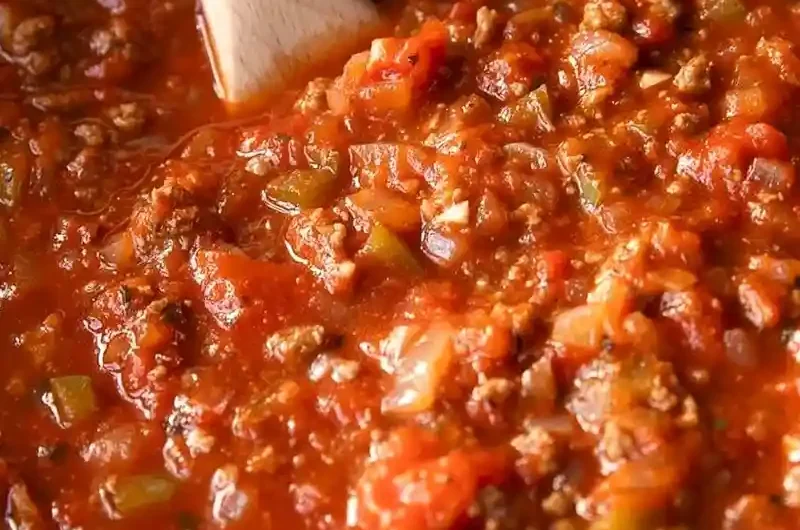
This homemade meat sauce is a rich and filling alternative to store-bought options. It combines ground beef with aromatic vegetables and a blend of Italian herbs for a classic, comforting taste.
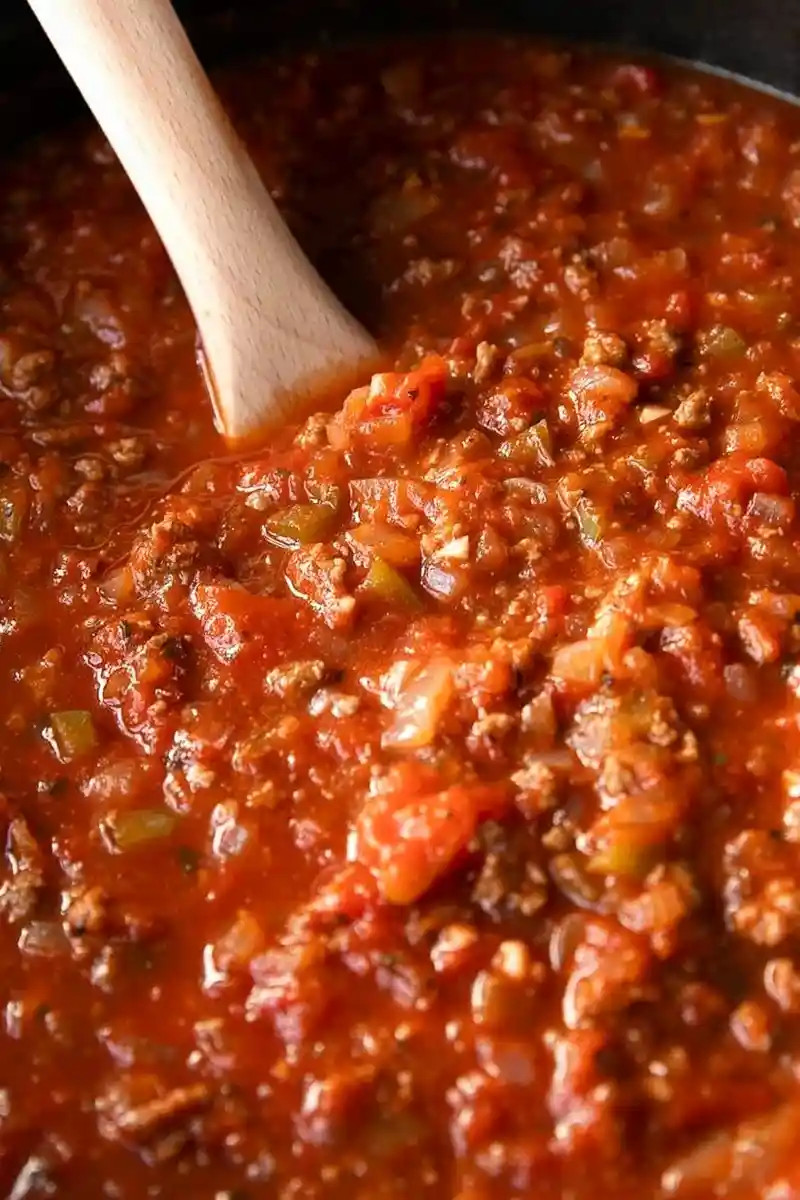
List of ingredients
- 2 tablespoon olive oil (divided) – used for browning the meat and sautéing vegetables.
- 2 pounds ground beef – provides the hearty base for the sauce.
- 2 medium yellow onions (diced) – adds a fundamental savory sweetness.
- 1 green bell pepper (stem removed, seeded, and diced, optional) – adds a subtle peppery flavor.
- 5 cloves garlic (minced) – essential for aromatic depth.
- 2-3 tablespoon tomato paste – used to thicken the sauce and concentrate tomato flavor.
- 1 teaspoon dried basil – provides a classic Italian herbal note.
- 1 teaspoon dried thyme – adds a woody, earthy fragrance.
- 1 teaspoon dried oregano – adds a pungent, slightly bitter herb quality.
- salt + black pepper (to season) – used throughout to enhance all flavors.
- 1 (28 ounce) can diced tomatoes – gives the sauce a chunky, rustic texture.
- 1 (28 ounce) can crushed tomatoes – provides a thick, consistent body.
- 1 (14 ounce) can tomato sauce – helps smooth out the overall consistency.
- 2-3 tablespoon granulated sugar – balances the natural acidity of the tomatoes.
- 1-2 tablespoon Worcestershire sauce – adds a deep, salty umami layer.
- ¾ cup water (plus more as needed) – adjusts the thickness of the sauce during simmering.
- 1 pound spaghetti noodles (cooked according to package instructions) – the primary base for serving.
step-by-step instructions
- Brown the ground beef: Add 1 tablespoon of olive oil to a large heavy-bottomed Dutch oven or sauce pot set over medium-high heat. Brown the ground beef, using a wooden spoon or spatula to break it apart into smaller crumbles. Once the meat is fully cooked, transfer it to a clean plate and set aside.
- Cook the onions, bell pepper, and garlic: To the same pot add the remaining tablespoon of olive oil and return to medium heat. Add the onions and cook for 5-7 minutes, or until soft and translucent, stirring often. Mix in the diced bell pepper and continue to cook for 3-4 minutes. Sprinkle with salt and stir in the minced garlic, cooking and stirring continuously for 1 minute.
- Mix the onions with the tomato paste and seasoning: Add the tomato paste to the vegetables, mixing thoroughly until combined. Add the basil, thyme, oregano, and a pinch of salt and pepper. Mix well to combine.
- Add tomatoes and simmer: Stir in the diced tomatoes, crushed tomatoes, tomato sauce, sugar, Worcestershire sauce, and water. Return the cooked ground beef back to the pot and mix well to combine. Bring the sauce to a low boil, then reduce heat to low, cover, and allow the sauce to simmer for at least 20 minutes.
- Season to taste: Season with additional salt, pepper, Italian seasoning, or sugar, to taste. Serve with cooked spaghetti noodles or other pasta of choice. Garnish with chopped parsley and shredded parmesan cheese, if desired.
Protein Choices and Meat Substitutions
Using Ground Turkey for a Leaner Option
Lean ground turkey can be swapped for ground beef to reduce the overall fat content. Since turkey has a milder flavor, ensure you brown it thoroughly to develop a deeper savory taste.
Substituting with Ground Chicken
Ground chicken is another excellent lean alternative that works well in this sauce. Be careful not to overcook the chicken during the browning stage to keep the texture tender.
Plant-Based Meat Alternatives
For a meatless version, use a plant-based beef crumble or cooked brown lentils. Sauté these similarly to the beef to ensure they integrate properly with the aromatic vegetables.
Beef-Based Italian Sausage
If you prefer a more spiced profile, use ground beef-based Italian sausage. This adds a pre-seasoned complexity that complements the dried herbs and tomato base.
Vegetable Customizations and Add-ins
Adding Finely Diced Carrots
Finely diced carrots add a subtle natural sweetness and extra nutrients. Sauté them alongside the onions and bell peppers until they are tender.
Incorporating Celery for Savory Depth
Adding diced celery creates a traditional aromatic base known as a mirepoix. This adds a layer of complexity and a classic savory foundation to the meat sauce.
Sautéing Mushrooms for Umami
Sliced or finely chopped mushrooms add an earthy quality and a meatier texture. Sauté them after the onions have softened but before adding the tomato paste.
Stirring in Fresh Spinach or Kale
Fresh leafy greens add color and vitamins to the finished dish. Stir them in during the last 5 minutes of simmering so they wilt without overcooking.
Flavor Enhancement Techniques
Using Fresh Basil instead of Dried
Fresh basil provides a brighter, more peppery flavor than dried herbs. Stir in chopped fresh basil leaves during the final few minutes of cooking for the best aroma.
Adding Bay Leaves During Simmering
One or two dried bay leaves added during the simmer stage create a professional, aromatic depth. Remember to remove the leaves before serving the sauce.
A Touch of Balsamic Vinegar
Stirring in a teaspoon of balsamic vinegar at the end of cooking adds a sophisticated touch. The vinegar provides a balance of acidity and sweetness that brightens the sauce.
Introducing Heat with Red Pepper Flakes
For a spicy kick, add red pepper flakes when mixing in the tomato paste. Adjust the amount based on your heat preference to create a zesty meat sauce.
Cooking Tips for the Best Results
Achieving a Proper Beef Sear
Avoid crowding the pot when browning the beef to prevent the meat from steaming in its own juices. A deep brown sear creates more flavor through the Maillard reaction.
Managing Tomato Acidity with Sugar
Tomatoes vary in acidity depending on the brand and batch. Add sugar gradually and taste frequently to neutralize the tartness without making the sauce overly sweet.
Balancing Salt and Pepper
Season the sauce in stages rather than all at once. Taste the sauce after it has simmered for 20 minutes, as the flavors concentrate and the salt level may change.
Optimizing Simmering Times
While 20 minutes is the minimum, simmering for an hour on very low heat allows the flavors to meld more deeply. Keep the pot covered to prevent excessive evaporation.
Tomato Selection and Quality
Diced Tomatoes for Rustic Texture
Canned diced tomatoes provide a chunky consistency that makes the sauce feel more homemade. They hold their shape well throughout the simmering process.
Crushed Tomatoes for Body
Crushed tomatoes provide the necessary thickness and a consistent mouthfeel. They act as the bridge between the chunks of beef and the smooth tomato sauce.
Tomato Sauce for Smoothness
The addition of plain tomato sauce helps bind the other ingredients together. It ensures the sauce coats the pasta evenly without being too chunky.
Avoiding Pre-Seasoned Canned Tomatoes
Use plain canned tomatoes to maintain total control over the seasoning. Pre-seasoned versions often contain excess salt and sugar that can clash with the fresh herbs.
Pasta Preparation Techniques
Using Salted Boiling Water
Generously salt the pasta water to season the noodles from the inside out. This ensures the pasta tastes great even before it is mixed with the meat sauce.
Cooking Pasta Al Dente
Cook the spaghetti for 1-2 minutes less than the package directions suggest. This prevents the noodles from becoming mushy when they are tossed with the hot sauce.
Saving Starchy Pasta Water
Before draining the pasta, reserve a cup of the starchy cooking water. You can stir a splash of this water into the sauce to help it adhere better to the noodles.
Combining Sauce and Pasta
For the best result, toss the cooked noodles directly into the sauce pot. This allows the pasta to absorb the flavors of the sauce during the final minute of heating.
Serving and Pairing Ideas
Pairing with Garlic Bread
Warm garlic bread or buttery breadsticks are the perfect accompaniment. They provide a crunchy contrast to the soft pasta and are great for cleaning the plate.
Serving with a Fresh Side Salad
A crisp garden salad with a light vinaigrette cuts through the richness of the beef. This balance makes the meal feel lighter and more complete.
Using Sauce for Stuffed Peppers
This meat sauce can be mixed with cooked rice and used as a filling for bell peppers. Stuff the peppers and bake them until the vegetables are tender.
Incorporating Sauce into Lasagna
Use this sauce as the primary meat layer in a homemade lasagna. Layer it with ricotta cheese and mozzarella for a hearty, baked Italian dish.
Storage and Meal Prep
Refrigerator Storage Duration
Store leftover sauce in an airtight glass or plastic container. It will remain fresh and safe to eat in the refrigerator for 5 to 7 days.
Freezing for Long Term Use
Allow the sauce to cool completely before transferring it to freezer-safe bags. Flatten the bags to save space and freeze for up to 3 months.
Thawing Frozen Sauce Safely
Thaw frozen sauce overnight in the refrigerator to maintain the best texture. Avoid thawing at room temperature to prevent bacterial growth.
Reheating for Best Texture
Reheat the sauce in a small saucepan over medium heat. Add a tablespoon of water or beef broth if the sauce has thickened too much during storage.
Troubleshooting the Sauce
Fixing a Sauce That Is Too Thin
If the sauce is too watery, simmer it uncovered for an additional 10-15 minutes. Alternatively, stir in an extra tablespoon of tomato paste to thicken it instantly.
Correcting an Overly Acidic Taste
If the sauce tastes too sharp or acidic, add a pinch more sugar. A small knob of unsalted butter stirred in at the end can also mellow the acidity.
Adjusting Sauce That Is Too Thick
If the sauce becomes too dense, stir in a small amount of water or beef broth. Gradually add liquid until the desired consistency is achieved.
Frequently Asked Questions
Can I blend the vegetables for a smoother texture?
Yes, you can blend the softened onions and peppers using an immersion blender before adding the tomatoes. This creates a smoother sauce while keeping the beef chunks intact.
What is the difference between this and marinara?
The primary difference is the addition of meat. Marinara is a simple tomato-based sauce, whereas this is a meat sauce, similar to a Bolognese style.
Can I use different pasta shapes?
Absolutely. While spaghetti is classic, this chunky sauce works exceptionally well with rigatoni, penne, or fusilli, which can trap the meat in their ridges.
How do I prevent the sauce from splattering?
Keep the sauce at a very low simmer rather than a boil. Using a tight-fitting lid or a mesh splatter screen will keep your stovetop clean.
Print
Hearty Homemade Meat Sauce for Spaghetti
- Total Time: 60 minutes
- Yield: 8 servings 1x
- Diet: General
Description
This Homemade Spaghetti Sauce Recipe is hearty, delicious, and easy to prepare, made with simple ingredients like ground beef, onions, and tomatoes. Perfect for serving with pasta or using in recipes like lasagna and stuffed peppers.
Ingredients
- 2 tablespoon olive oil (divided)
- 2 pounds ground beef
- 2 medium yellow onions (diced)
- 1 green bell pepper (stem removed, seeded, and diced (optional))
- 5 cloves garlic (minced)
- 2–3 tablespoon tomato paste
- 1 teaspoon dried basil
- 1 teaspoon dried thyme
- 1 teaspoon dried oregano
- salt + black pepper (to season)
- 1 (28 ounce) can diced tomatoes
- 1 (28 ounce) can crushed tomatoes
- 1 (14 ounce) can tomato sauce
- 2–3 tablespoon granulated sugar
- 1–2 tablespoon Worcestershire sauce
- ¾ cup water (plus more as needed)
- 1 pound spaghetti noodles (cooked according to package instructions)
Instructions
- Brown the ground beef: Add 1 tablespoon of olive oil to a large heavy-bottomed Dutch oven or sauce pot set over medium-high heat. Brown the ground beef, using a wooden spoon or spatula to break it apart into smaller crumbles. Once the meat is fully cooked, transfer it to a clean plate and set aside.
- Cook the onions, bell pepper, and garlic: To the same pot add the remaining tablespoon of olive oil and return to medium heat. Add the onions and cook for 5-7 minutes, or until soft and translucent, stirring often. Mix in the diced bell pepper and continue to cook for 3-4 minutes. Sprinkle with salt and stir in the minced garlic. Cook, stirring continuously, for 1 minute.
- Mix the onions with the tomato paste and seasoning: Add the tomato paste to the vegetables, mixing thoroughly until combined. Add the basil, thyme, oregano, and a pinch of salt and pepper. Mix well to combine.
- Add tomatoes: Stir in the tomatoes, sugar, Worcestershire sauce, water, and return the cooked ground beef back to the pot. Mix well to combine. Bring the sauce to a low boil, then reduce heat to low, cover, and allow the sauce to simmer for at least 20 minutes.
- Season to taste: Season with additional salt, pepper, Italian seasoning, or sugar, to taste. Serve with cooked spaghetti noodles or other pasta of choice. Garnish with chopped parsley and shredded parmesan cheese, if desired.
Notes
Store leftovers in an airtight container in the refrigerator for up to 5 days. To thicken the sauce, stir in more tomato paste 1 tablespoon at a time.
- Prep Time: 15 minutes
- Cook Time: 45 minutes
- Category: Pasta Sauce
- Method: Simmering
- Cuisine: Italian-American
Nutrition
- Serving Size: 1 serving
- Calories: 570 kcal
- Sugar: 8 g
- Sodium: 136 mg
- Fat: 27 g
- Saturated Fat: 9 g
- Unsaturated Fat: 18 g
- Trans Fat: 0 g
- Carbohydrates: 52 g
- Fiber: 3 g
- Protein: 28 g
- Cholesterol: 81 mg
Keywords: spaghetti sauce, homemade meat sauce, ground beef pasta, Italian-American sauce