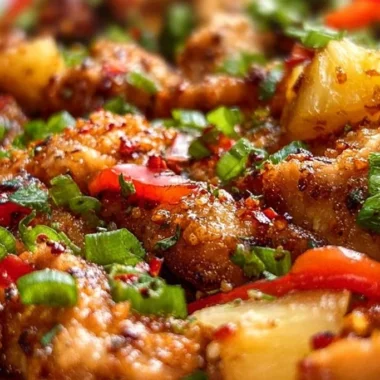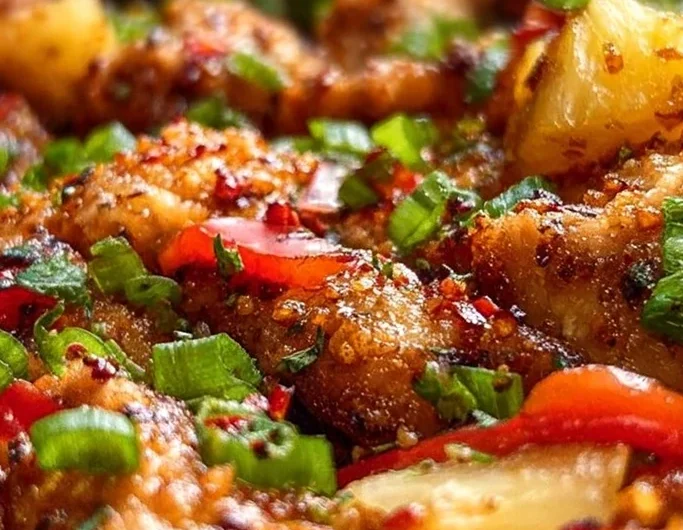
This vibrant sheet pan meal brings the essence of a tropical getaway directly to your kitchen with minimal cleanup required. By combining tender, lean protein with colorful bell peppers and sweet, caramelized pineapple, this dish creates a balanced profile that satisfies both savory and sweet cravings in one sitting. It is a highly efficient cooking method perfect for busy weeknights when you want to provide a wholesome, home-cooked meal without spending hours over the stove.
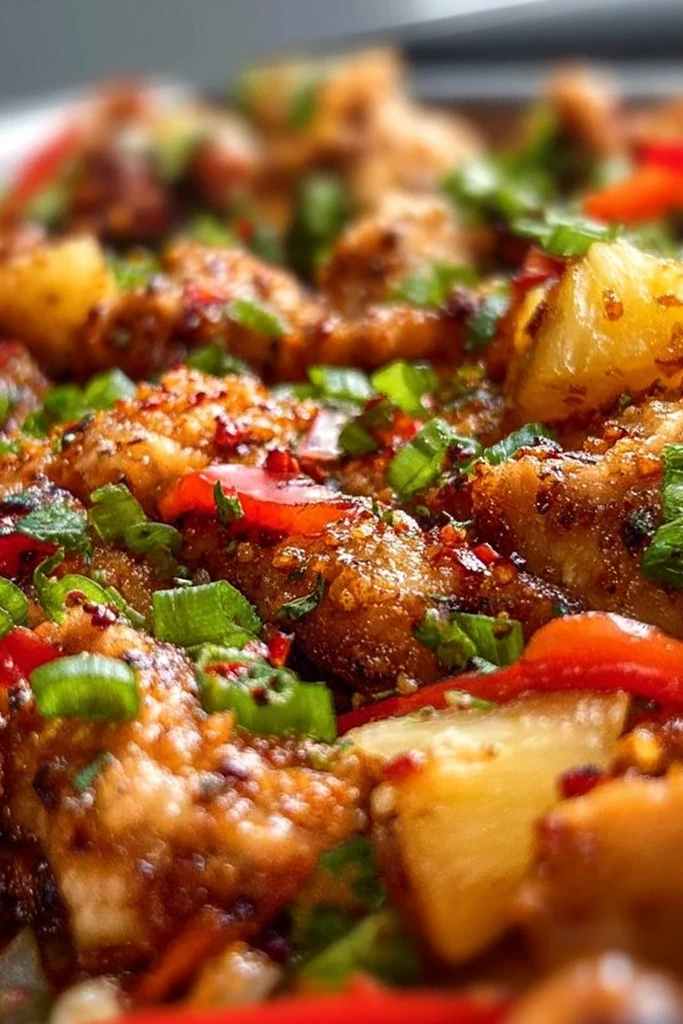
List of ingredients
- 1 ½ lbs (700 g) boneless skinless chicken breasts, cut into 1-inch pieces
- 1 red bell pepper, chopped
- 1 yellow bell pepper, chopped
- 1 small red onion, cut into wedges
- 1 ½ cups fresh pineapple chunks
- 2 tbsp olive oil
- 2 cloves garlic, minced
- ½ tsp salt
- ½ tsp black pepper
- ½ tsp paprika
- ¼ tsp chili flakes
- ⅓ cup low-sodium soy sauce
- ¼ cup pineapple juice
- 3 tbsp honey
- 2 tbsp rice vinegar
- 1 tbsp cornstarch + 2 tbsp water
step-by-step instructions
- Step: Preheat your oven to 425°F (220°C).
- Step: Toss the diced chicken with olive oil, garlic, salt, black pepper, paprika, and chili flakes in a large bowl.
- Step: Chop the bell peppers and red onion and add them to the chicken mixture.
- Step: Whisk together the soy sauce, pineapple juice, honey, rice vinegar, and cornstarch slurry in a separate bowl.
- Step: Line a large baking sheet with parchment paper and spread the chicken and vegetable mixture evenly across the pan.
- Step: Drizzle half of the sauce over the chicken and veggies.
- Step: Roast for about 20-25 minutes, stirring halfway through.
- Step: Remove the pan from the oven and drizzle the remaining sauce on top.
- Step: Allow to rest for about five minutes before serving.
Practical Roasting Advice
Managing Oven Temperature for Optimal Results
Maintaining a consistent high temperature is essential for this recipe because it forces the natural sugars in the pineapple and the honey-based glaze to caramelize quickly. If your oven tends to run cold, you might find the vegetables become soggy before the chicken develops any color. Using an oven thermometer can help you verify that you are truly hitting that 425°F mark for the best texture.
Ensuring Even Cooking Through Uniform Sizing
The secret to a perfect sheet pan dinner lies in the prep work, specifically regarding the size of your ingredients. If your chicken cubes are significantly larger than your pepper chunks, the vegetables will burn before the chicken finishes cooking. Aim for consistency by chopping all your components into roughly 1-inch pieces, which allows them to finish the roasting process at the exact same moment.
Refining Your Sauce
Balancing Sweetness and Acidity
The interplay between the honey and the rice vinegar is what defines the character of this dish. If you find the glaze is too sweet after tasting your initial mix, add an extra teaspoon of rice vinegar to brighten the profile. Conversely, if the sauce feels too sharp, a small additional drizzle of honey will mellow the acidity and help the sauce cling better to the chicken pieces.
Thickening Without Over-processing
While the cornstarch slurry is optional, it is recommended if you enjoy a sauce that coats each piece of chicken like a lacquer. Always remember to stir your slurry immediately before adding it to the sauce bowl, as cornstarch tends to settle at the bottom within seconds. Whisking it directly into the cold liquids before they hit the heat prevents the formation of unwanted lumps.
Creative Flavor Adjustments
Incorporating Fresh Herbs for Brightness
While the recipe relies on the deep, concentrated flavors of the glaze, adding fresh aromatics at the very end can lift the entire dish. Freshly chopped cilantro or thinly sliced scallions provide a cool, grassy contrast to the warm, sweet notes of the roasted pineapple. Adding these herbs right before serving maintains their color and crisp texture.
Experimenting With Different Vegetable Profiles
While bell peppers and red onions form the traditional base of this dish, you can easily incorporate other vegetables that roast well at high temperatures. Broccoli florets, sliced zucchini, or snap peas are excellent additions that soak up the glaze beautifully. Just remember to add softer vegetables halfway through the cooking time so they retain a slight snap and do not turn mushy.
Serving and Presentation Strategies
Building a Complete Meal
This dish is exceptionally versatile when it comes to side dishes, as the sauce acts as a natural flavoring for whatever base you choose. Jasmine rice is the classic companion, as its neutral, fragrant quality soaks up the excess glaze perfectly. For a more adventurous texture, try serving the chicken over a bed of quinoa or cauliflower rice, which provides a nutty counterpoint to the sweetness of the pineapple.
Enhancing the Visual Appeal
Because the dish contains vibrant reds, yellows, and deep greens, plating it intentionally can make a simple dinner feel gourmet. Top your serving with a light dusting of toasted sesame seeds or a sprinkle of crushed red pepper flakes to add a professional finish. Serving the meal from a large platter rather than individual bowls can also encourage a more relaxed, family-style dining environment.
Storage and Reheating Tactics
Maintaining Texture During Reheating
If you have leftovers, store them in an airtight container in the refrigerator for up to three days. When reheating, avoid the microwave if possible, as it tends to turn the vegetables into mush and makes the chicken rubbery. Instead, reheat the leftovers in a wide skillet over medium heat for 3-5 minutes, adding a tiny splash of water to loosen the glaze.
Managing Moisture in the Fridge
Vegetables like bell peppers release moisture as they sit, which can thin out your glaze over time. If you plan on meal prepping this for a later date, consider roasting the chicken and pineapple separately from the peppers if you are sensitive to texture changes. Otherwise, ensure the dish is completely cooled to room temperature before securing the lid on your storage container to prevent excess steam accumulation.
Addressing Common Cooking Concerns
What should I do if the chicken pieces look dry?
Dryness in chicken breast usually stems from either overcooking or starting with pieces that are too small. Ensure you are not trimming the chicken too thin, and be mindful of your oven’s timer; 20 minutes is often sufficient for 1-inch pieces. If you prefer even more insurance against dryness, you can swap the breast meat for boneless, skinless chicken thighs, which handle high-heat roasting with much more forgiveness.
How can I prevent the parchment paper from burning?
While parchment paper is heat-safe up to 450°F, the edges can sometimes brown if they extend too far beyond the edges of the baking sheet and reach the heating elements. Simply fold or trim any excess paper so that it lays flat within the interior perimeter of the pan. This keeps the paper functional without exposing it to unnecessary direct heat.
Why is my sauce watery?
Watery sauce often occurs because the vegetables release their natural water content during the roasting process, which dilutes your glaze. If you notice a lot of liquid on your pan after the first 10 minutes of roasting, you can carefully tilt the pan and spoon out excess juices before adding the final drizzle of sauce. This prevents the glaze from becoming too thin while concentrating the flavors of the honey and soy.
Are there any substitutions for the pineapple?
While pineapple is central to the “Hawaiian” profile of this dish, you can use fresh mango or even peaches if you are looking for a different fruit profile. The key is to select a fruit that has enough natural sugar to caramelize. If you choose to use mango, add it during the last 10 minutes of cooking, as it breaks down much faster than pineapple.
Is this dish suitable for those with soy allergies?
You can successfully replace the soy sauce with coconut aminos, which provide a similar salty and savory depth. Coconut aminos are slightly sweeter than traditional soy sauce, so you may want to decrease the amount of honey used in the glaze by about half a tablespoon to keep the flavor profile balanced.
Print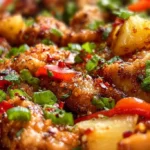
Hawaiian Chicken Sheet Pan: A Tropical Flavor Experience
- Total Time: PT40M
- Yield: 4 servings 1x
- Diet: Gluten-Free
Description
A vibrant and flavorful dish featuring tender chicken, fresh veggies, and a sweet soy glaze, perfect for a family meal.
Ingredients
- 1 ½ lbs (700 g) boneless skinless chicken breasts, cut into 1-inch pieces
- 1 red bell pepper, chopped
- 1 yellow bell pepper, chopped
- 1 small red onion, cut into wedges
- 1 ½ cups fresh pineapple chunks
- 2 tbsp olive oil
- 2 cloves garlic, minced
- ½ tsp salt
- ½ tsp black pepper
- ½ tsp paprika
- ¼ tsp chili flakes
- ⅓ cup low-sodium soy sauce
- ¼ cup pineapple juice
- 3 tbsp honey
- 2 tbsp rice vinegar
- 1 tbsp cornstarch + 2 tbsp water
Instructions
- Step: Preheat your oven to 425°F (220°C).
- Step: Toss the diced chicken with olive oil, garlic, salt, black pepper, paprika, and chili flakes in a large bowl.
- Step: Chop the bell peppers and red onion and add them to the chicken mixture.
- Step: Whisk together the soy sauce, pineapple juice, honey, rice vinegar, and cornstarch slurry in a separate bowl.
- Step: Line a large baking sheet with parchment paper and spread the chicken and vegetable mixture evenly across the pan.
- Step: Drizzle half of the sauce over the chicken and veggies.
- Step: Roast for about 20-25 minutes, stirring halfway through.
- Step: Remove the pan from the oven and drizzle the remaining sauce on top.
- Step: Allow to rest for about five minutes before serving.
Notes
Serve with jasmine or coconut rice and garnish with sesame seeds and lime wedges for an extra zing.
- Prep Time: PT15M
- Cook Time: PT25M
- Category: Main Course
- Method: Baking
- Cuisine: Hawaiian
Nutrition
- Serving Size: 1 serving
- Calories: 400 kcal
- Sugar: 20g
- Sodium: 600mg
- Fat: 10g
- Saturated Fat: 1g
- Unsaturated Fat: 5g
- Trans Fat: 0g
- Carbohydrates: 45g
- Fiber: 3g
- Protein: 25g
- Cholesterol: 60mg
Keywords: Hawaiian chicken, sheet pan, easy dinner, tropical recipe, family meal