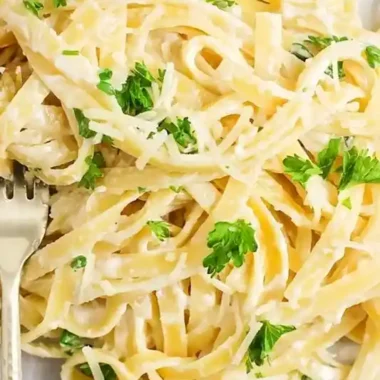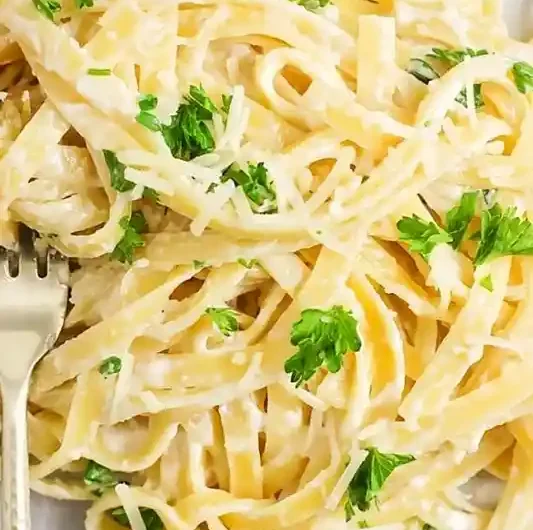
This homemade fettuccine Alfredo is the ultimate comfort meal, combining buttery, rich notes with perfectly tender pasta. By utilizing simple, high-quality ingredients, you can transform a basic pantry staple into a restaurant-style experience right in your own kitchen in under thirty minutes. It serves as an excellent foundational recipe that remains reliable for busy weeknights while offering enough versatility to satisfy even the most particular eaters in your home.
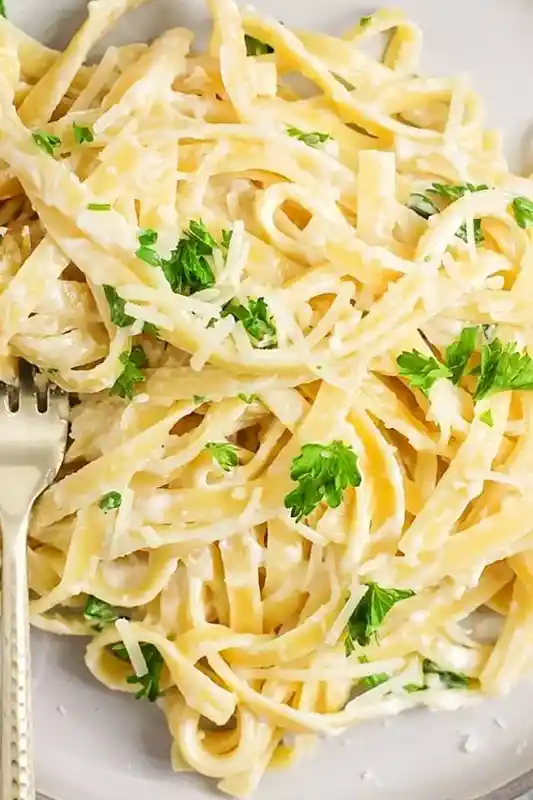
List of ingredients
- 1 (16-ounce) package fettuccine
- 2 tablespoons unsalted butter
- 2 teaspoons minced garlic
- 1 pint heavy cream
- 1 cup grated parmesan cheese, plus more for serving
- ½ teaspoon garlic pepper
- salt, to taste
step-by-step instructions
- Step: Cook pasta according to package directions. Drain and set aside.
- Step: Meanwhile, heat butter in a large saucepan over medium-low heat to melt. Add minced garlic and sauté for 1-2 minutes.
- Step: Add cream and bring to a simmer. Add Parmesan and mix well. Cook, stirring, for 3-4 minutes, until the sauce begins to thicken.
- Step: Add cooked pasta to the sauce and toss to mix. Top with garlic pepper and salt, and sprinkle with more cheese if desired.
Practical Preparation Strategies
The secret to a successful Alfredo is managing your heat levels during the sauce-making phase. Cream is highly sensitive to extreme temperatures, and applying too much direct heat can cause the fat to separate from the proteins in the dairy, resulting in a greasy-looking sauce. Always keep your stovetop set to low or medium-low once the heavy cream hits the pan to ensure a gentle, controlled reduction.
Importance of Pasta Water
Never discard all your pasta water before setting the noodles aside. The starch released by the noodles as they boil acts as a natural emulsifier, helping the Parmesan and cream fuse into a cohesive, clinging sauce. Adding just two tablespoons of this cloudy, starchy water can bridge the gap between a broken sauce and a perfectly glossy finish.
Selecting the Proper Cheese
While convenience is tempting, avoid using pre-shredded Parmesan cheese found in the dairy aisle. These products are coated in cellulose and anti-caking agents that interfere with the melting process, often leading to a gritty or grainy sauce rather than a smooth one. Opt for high-quality wedges of Parmigiano-Reggiano or standard Parmesan and grate it yourself using a microplane or fine-tooth grater for the best results.
Refining Your Alfredo Variations
Fettuccine Alfredo is essentially a blank canvas, making it ideal for incorporating various proteins or vegetables to round out the meal. When choosing extras, aim for ingredients that complement the richness of the dairy rather than overpowering it. For instance, lean proteins like sautéed chicken breast or seared shrimp pair wonderfully with the garlic notes, while vegetables can introduce a necessary textural contrast to the soft, creamy noodles.
Adding Lean Proteins
If you choose to add chicken or shrimp, prepare these separately before you begin the sauce. Season your protein with garlic powder and black pepper, then sear it in a separate pan until fully cooked. Fold the cooked protein into the pasta at the very final step, just before serving, to prevent the meat from drying out in the simmering cream sauce.
Incorporating Fresh Vegetables
Steamed broccoli florets, lightly sautéed mushrooms, or fresh spinach leaves add a refreshing pop of color and nutrient density to the dish. If using mushrooms, brown them thoroughly in butter before adding the garlic to ensure they develop a deep, earthy flavor. For delicate greens like spinach, fold them into the sauce during the final minute of tossing; the residual heat will wilt them perfectly without turning them into mush.
Storing and Reheating Essentials
Cream-based sauces are notorious for behaving differently upon reheating, often becoming either too thick or separating into a oily mess if handled incorrectly. If you anticipate having leftovers, store the pasta and sauce in an airtight container immediately after it cools to room temperature. Dividing the meal into individual portions can also make the reheating process faster and more efficient later in the week.
Mastering the Reheat
The most reliable way to reheat Alfredo is on the stovetop using a low-heat setting. Place your desired portion into a small saucepan and add a splash of heavy cream or even a small amount of warm water. Stir the mixture slowly and constantly as the sauce warms; this consistent motion helps the emulsion reform, ensuring your leftovers taste almost as fresh as the original preparation.
Freezing Guidelines
While heavy cream can sometimes change texture slightly after freezing, it is entirely possible to store leftovers for up to three months. Use a heavy-duty freezer bag, pressing out as much air as possible before sealing to prevent freezer burn. When you are ready to eat, allow the dish to thaw in the refrigerator overnight before warming it gently on the stove as described above.
Common Technical Troubleshooting
If you find that your sauce is not thickening as expected, do not panic and reach for artificial thickeners. Instead, continue to simmer the mixture on low heat for an additional two to three minutes, which encourages the evaporation of excess water. Sometimes, adding a tiny bit more Parmesan cheese will provide the necessary structure to bring the sauce together into the desired creamy consistency.
Addressing Over-Thickened Sauce
Occasionally, an Alfredo sauce will become too thick while resting or immediately upon being mixed with the pasta. This is usually due to the starch in the noodles absorbing the cream rapidly. To fix this, simply introduce a splash of room-temperature cream or warm vegetable broth to the pan, whisking vigorously until the sauce reaches your preferred fluidity.
Achieving Uniform Garlic Distribution
If you prefer a milder garlic presence, consider using a garlic press to ensure the pieces are as small as possible, as this allows the garlic to dissolve more thoroughly into the cream. If you are a fan of punchy flavors, try sautéing the garlic for an extra minute to achieve a slightly golden hue, which releases a sweeter, more roasted flavor profile before the cream is introduced.
Frequently Asked Questions
Can I use milk instead of heavy cream to reduce the calorie count?
While whole milk can be used, the resulting sauce will be significantly thinner and lack the velvety, luxurious texture that heavy cream provides. If you must use milk, you may need to whisk in a small amount of cornstarch or flour to the butter and garlic before adding the milk to create a roux, which will help thicken the sauce. However, for the most authentic and reliable experience, sticking with heavy cream is highly recommended.
How do I know if the pasta is cooked to the proper al dente stage?
Al dente literally means ‘to the tooth,’ which implies that the pasta should be cooked until it is tender but still offers a slight resistance when bitten. Test a single noodle about two minutes before the package directions suggest; it should be firm but not crunchy in the center. Remember that the pasta will continue to cook slightly once it hits the hot sauce, so pulling it out of the water a few seconds early is a wise culinary move.
What should I do if my Parmesan cheese starts to clump up?
Clumping often occurs if the heat is too high when the cheese is added, causing the proteins in the cheese to seize up. To prevent this, always ensure your heat is at the absolute lowest setting before adding the cheese, and incorporate it in small, manageable amounts. If you do notice small clumps, simply continue stirring over low heat; often, the continuous agitation and gentle heat will eventually melt the cheese properly.
Print
Easy Creamy Fettuccine Alfredo
- Total Time: 35 minutes
- Yield: 6 servings 1x
- Diet: Vegetarian
Description
Rich and creamy, this easy fettuccine Alfredo comes together in minutes with a handful of simple ingredients, perfect for busy weeknights.
Ingredients
- 1 (16-ounce) package fettuccine
- 2 tablespoons unsalted butter
- 2 teaspoons minced garlic
- 1 pint heavy cream
- 1 cup grated parmesan cheese, plus more for serving
- ½ teaspoon garlic pepper
- salt, to taste
Instructions
- Step: Cook pasta according to package directions. Drain and set aside.
- Step: Meanwhile, heat butter in a large saucepan over medium-low heat to melt. Add minced garlic and sauté for 1-2 minutes.
- Step: Add cream and bring to a simmer. Add Parmesan and mix well. Cook, stirring, for 3-4 minutes, until the sauce begins to thicken.
- Step: Add cooked pasta to the sauce and toss to mix. Top with garlic pepper and salt, and sprinkle with more cheese if desired.
Notes
Fresh, high-quality ingredients will make a big difference in the taste and texture of your Alfredo sauce. If the sauce is too thin, add more Parmesan or simmer longer. If too thick, add a splash of pasta water or heavy cream. Store in an airtight container in the fridge for up to 5 days, or freeze for up to 3 months. Reheat slowly over low heat, stirring continuously.
- Prep Time: 5 minutes
- Cook Time: 30 minutes
- Category: Main Course
- Method: Stovetop
- Cuisine: Italian
Nutrition
- Serving Size: 1 serving
- Calories: 663 kcal
- Sugar: 1 g
- Sodium: 346 mg
- Fat: 40 g
- Saturated Fat: 24 g
- Unsaturated Fat: 14 g
- Trans Fat: 0 g
- Carbohydrates: 57 g
- Fiber: 2 g
- Protein: 18 g
- Cholesterol: 193 mg
Keywords: fettuccine alfredo, pasta, dinner ideas, italian, creamy pasta