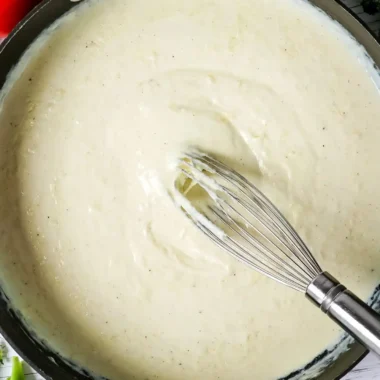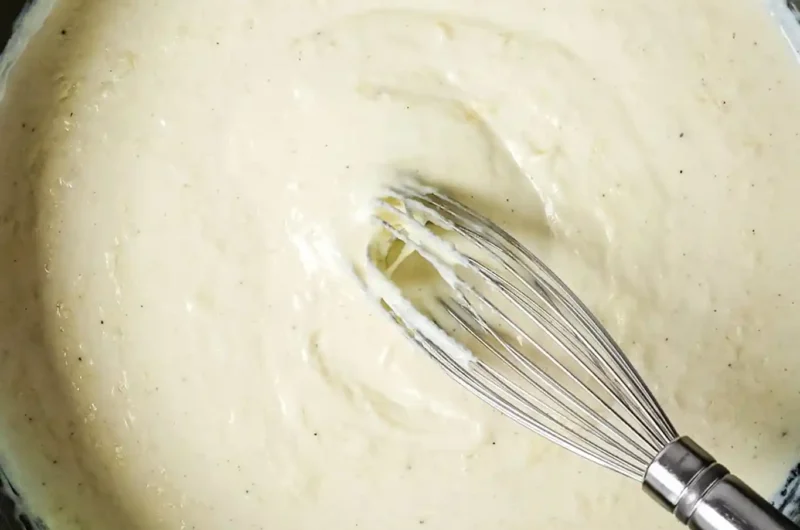
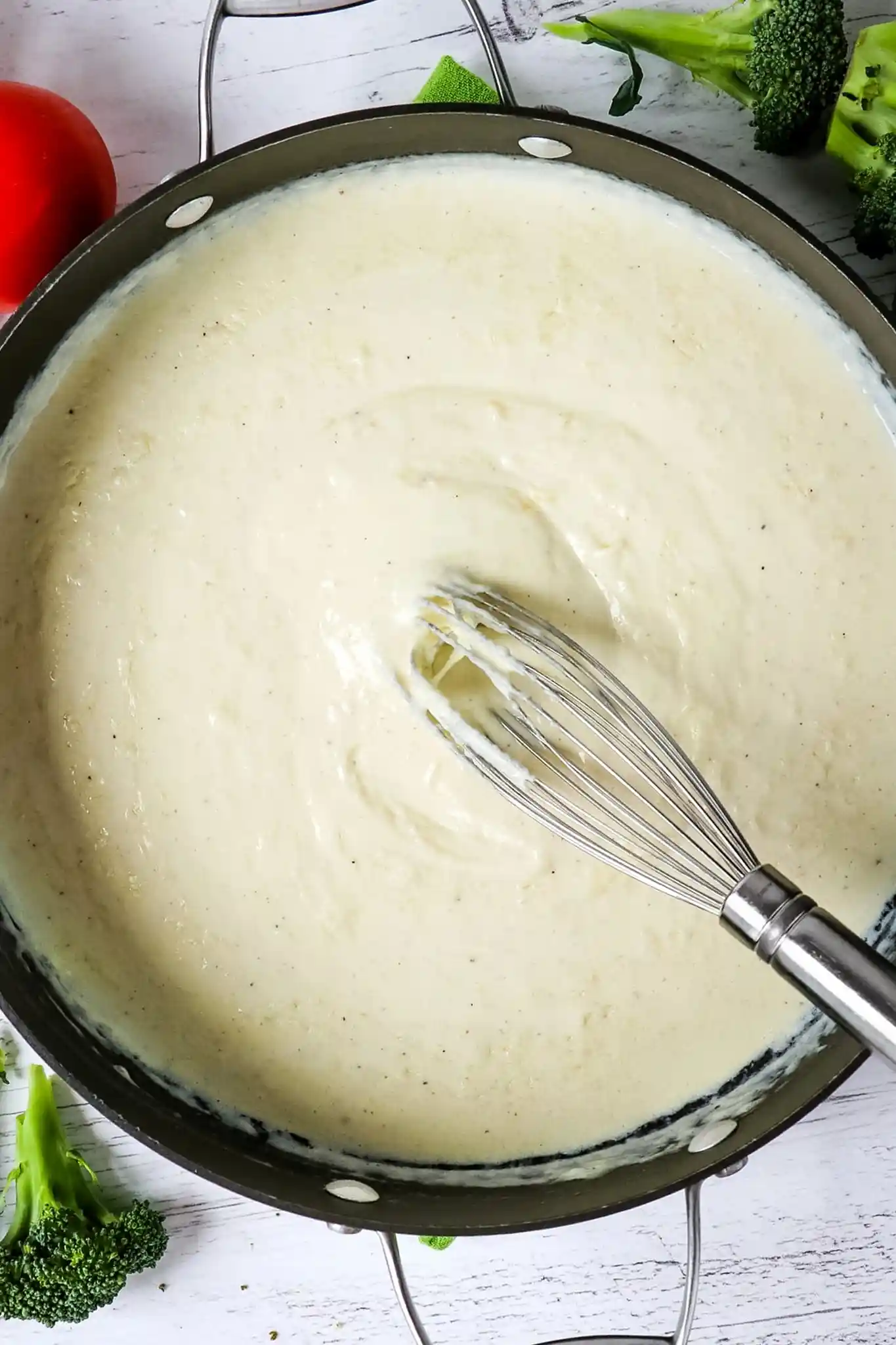
Creating a restaurant-quality alfredo sauce from scratch is incredibly straightforward and significantly more flavorful than store-bought alternatives. By utilizing a simple roux base and high-quality cheese, you can achieve a velvety consistency that clings perfectly to your favorite pasta varieties. This quick preparation ensures you can have a decadent, creamy meal ready in the time it takes to boil your noodles.
List of ingredients
- 1/2 cup butter
- 2 Tablespoons flour
- 1 1/2 cup half and half
- 1 1/2 cup shredded Parmesan Romano cheese
- 1/2 teaspoon garlic salt
- 1/4 teaspoon pepper
- 1/8 teaspoon ground nutmeg
step-by-step instructions
- Step: In a large non-stick skillet, melt the butter. Using a whisk, add the flour and cook for about 2 minutes whisking continually. The mixture will bubble and create a roux, which will help thicken the sauce.
- Step: Pour in about 1 cup of the half and half, continually whisking until the sauce begins to thicken. (About 2 minutes.) Once the sauce thickens, add the shredded cheese, and continue to whisk until the cheese melts.
- Step: Add the garlic salt, pepper, nutmeg and the remaining half and half. Once cheese has completely melted and smooth, the sauce is done.
Essential Preparation Techniques
Achieving a Perfectly Smooth Consistency
To avoid lumps in your sauce, always ensure your roux of butter and flour is thoroughly combined before adding the dairy. If you notice small lumps appearing, remove the pan from direct heat and whisk vigorously for thirty seconds. The residual heat in the skillet is often enough to smooth out the sauce without needing extra cooking time.
The Role of Temperature Control
Alfredo sauce is highly sensitive to high heat, which can cause the dairy fats to separate from the cheese solids. Maintain a steady medium-low flame once the sauce begins to thicken to prevent the bottom from scorching. If the sauce begins to bubble too aggressively, pull the pan off the burner momentarily to allow the temperature to stabilize.
Refining Your Sauce
Balancing Texture and Thickness
If you prefer a thicker coating for hearty pasta shapes like fettuccine, reduce the amount of half and half slightly during the final step. Conversely, if you are making a sauce for thinner noodles or a pizza base, adding an extra splash of half and half will keep the consistency pourable. Always adjust the liquid slowly, adding one tablespoon at a time to maintain control over the final texture.
Enhancing the Flavor Profile
While the standard seasoning includes garlic salt and nutmeg, you can customize the aromatic profile by sautéing fresh minced garlic in the butter before adding the flour. For a brighter finish, stir in a teaspoon of lemon zest just as you remove the skillet from the burner. These small additions add complexity that complements the sharpness of the aged cheese.
Common Queries Addressed
How can I substitute the half and half if it is unavailable?
You can create an effective substitute by mixing equal parts whole milk and heavy cream. If you prefer a lower-calorie version, using whole milk alone will still provide a good base, though the final sauce will be thinner and less luxurious. Avoid using skim or low-fat milk, as these varieties lack the fat content needed to stabilize the cheese and roux correctly.
Why does my cheese sometimes clump instead of melting?
Clumping often happens if the cheese is added at too high a temperature or if the cheese is not shredded finely enough. Always use freshly shredded cheese if possible, as pre-packaged grated cheese is coated in cellulose to prevent sticking, which can inhibit proper melting. Always incorporate the cheese slowly over low heat to allow it to emulsify into the roux gradually.
Can I prepare this sauce ahead of time for later use?
Yes, you can make this sauce in advance and store it in an airtight container in the refrigerator for up to three days. When you are ready to serve, reheat the sauce in a small saucepan over low heat, adding a splash of milk or cream to loosen the texture as it warms. Avoid microwaving the sauce, as the uneven heat distribution can cause the fat to split and create an oily surface.
What are the best ways to incorporate this sauce into meals?
This sauce is highly versatile and works beautifully tossed with cooked fettuccine, penne, or bow-tie pasta. You can also use it as a creamy base for white pizzas, topping it with cooked vegetables or grilled protein. It serves as an excellent topping for roasted root vegetables or as a binding agent in baked pasta casseroles when combined with additional fresh herbs.
Troubleshooting Common Issues
Reviving a Broken or Separated Sauce
If your sauce appears separated or oily, it usually indicates the heat was too high or it was overcooked. To fix this, remove the pan from the heat and whisk in a small amount of warm water or milk, one teaspoon at a time. The additional moisture can often help re-emulsify the fats and bring the sauce back to a creamy, cohesive state.
Handling Saltiness
Because Parmesan cheese can vary significantly in salt content, always taste the sauce before adding the full amount of garlic salt. If you find the sauce has become too salty, adding a little extra half and half can dilute the intensity. You can also toss in a few cooked pasta noodles, as the starch from the pasta will absorb the excess salt and help balance the overall flavor.
Ensuring Proper Thickening
If your sauce remains too thin even after several minutes of cooking, do not continue to boil it, as this will risk breaking the emulsion. Instead, prepare a small slurry by mixing equal parts flour and cold milk in a separate bowl, then whisk that mixture into the simmering sauce. The added starch will thicken the sauce safely without the need for high-heat reduction.
Effective Storage and Reheating Strategies
Managing Leftover Portions
Once cooled, store leftover alfredo sauce in a shallow container, which allows it to chill more uniformly in the refrigerator. If you anticipate having leftovers, store the sauce separately from the pasta. Keeping the components separate prevents the pasta from soaking up all the moisture and becoming mushy while sitting in the fridge.
Gradual Reheating Methods
The key to reheating is gentle, consistent heat. Use a heavy-bottomed saucepan on your stovetop rather than high-heat settings. As the sauce warms, it will naturally thicken; be prepared to add a tablespoon or two of liquid to return it to the desired consistency. Stir continuously during the entire reheating process to maintain a uniform texture throughout the sauce.
Freezing Considerations
While this sauce can technically be frozen, the dairy components may slightly change in texture upon thawing. It is best to use frozen sauce for baked dishes where the sauce will be incorporated with other ingredients. Thaw the sauce slowly in the refrigerator overnight before reheating it on the stovetop as directed in the standard reheating instructions.
Print
Classic Homemade Alfredo Sauce
- Total Time: PT10M
- Yield: 8 servings 1x
- Diet: Vegetarian
Description
A go-to sauce for so many dishes, this easy homemade alfredo sauce is perfect for pasta, pizza and much more! Forget the store-bought stuff, this easy alfredo sauce recipe is made with just a few simple ingredients and comes together in just minutes!
Ingredients
- 1/2 cup butter
- 2 Tablespoons flour
- 1 1/2 cup half and half
- 1 1/2 cup shredded Parmesan Romano cheese
- 1/2 teaspoon garlic salt
- 1/4 teaspoon pepper
- 1/8 teaspoon ground nutmeg
Instructions
- Step: In a large non-stick skillet, melt the butter. Using a whisk, add the flour and cook for about 2 minutes whisking continually. The mixture will bubble and create a roux, which will help thicken the sauce.
- Step: Pour in about 1 cup of the half and half, continually whisking until the sauce begins to thicken. (About 2 minutes.) Once the sauce thickens, add the shredded cheese, and continue to whisk until the cheese melts.
- Step: Add the garlic salt, pepper, nutmeg and the remaining half and half. Once cheese has completely melted and smooth, the sauce is done.
Notes
Ingredient substitutions: you can also use whole milk as a lighter option to half and half. Also, for more garlic flavor you can also sauté 1 tablespoon minced garlic when melting the butter.
- Prep Time: PT5M
- Cook Time: PT5M
- Category: Dressings and Sauces
- Method: Stovetop
- Cuisine: Italian
Nutrition
- Serving Size: 1/8 of recipe
- Calories: 236 kcal
- Sugar: 2 g
- Sodium: 522 mg
- Fat: 21 g
- Saturated Fat: 13 g
- Unsaturated Fat: 7 g
- Trans Fat: 0 g
- Carbohydrates: 6 g
- Fiber: 0 g
- Protein: 7 g
- Cholesterol: 61 mg
Keywords: homemade alfredo sauce recipe, easy homemade alfredo sauce, easy alfredo sauce