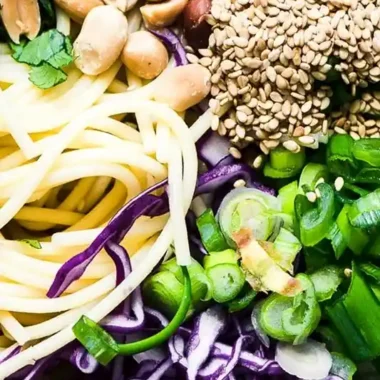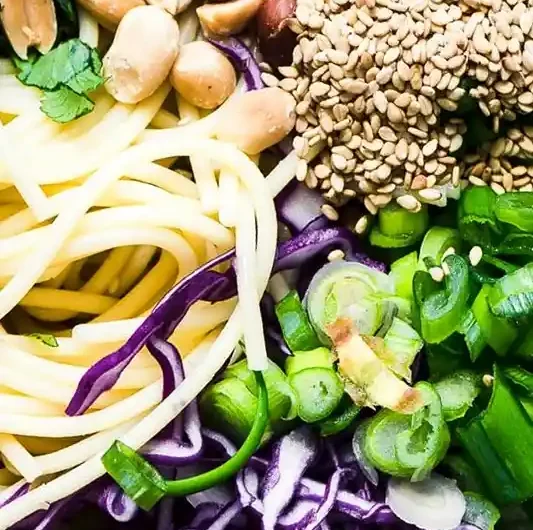
This vibrant spaghetti salad offers a refreshing and flavorful alternative to traditional creamy pasta dishes, making it a standout choice for gatherings. By combining al dente noodles with a punchy peanut-based vinaigrette and crunchy fresh vegetables, you get a harmonious balance of texture and heat in every forkful. It is remarkably quick to assemble and holds up beautifully in the refrigerator, allowing the complex notes to deepen over time.
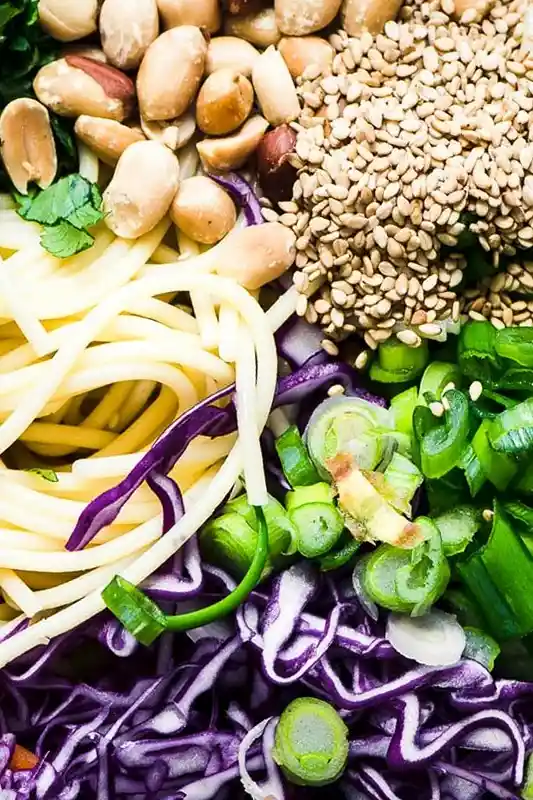
List of ingredients
- 8 ounces spaghetti, broken in half, cooked in salted water to al dente and rinsed well with cold water
- 1 cup shredded red cabbage
- 1 cup shredded carrots
- 1 bunch (about 6-8) green onions, thinly sliced
- 1/2 cup roasted peanuts
- 2 Tbsp sesame seeds
- 1 handful cilantro leaves, chopped
- 1 handful basil leaves, thinly sliced
- 1/4 cup rice vinegar
- 2 Tbsp vegetable oil
- 2 Tbsp (heaping) smooth peanut butter
- 1 clove garlic, minced
- 1/2 tsp cayenne pepper
- salt to taste
step-by-step instructions
- Step: Place all dressing ingredients into a small bowl and use an immersion blender to process until smooth and emulsified, thinning with extra oil or vinegar if needed, then taste to adjust seasonings.
- Step: Ensure the cooked spaghetti is fairly dry and add it to a large mixing bowl.
- Step: Toss the pasta with a small amount of the dressing.
- Step: Add the remaining salad ingredients to the bowl and toss thoroughly with the remaining dressing.
- Step: Refrigerate the salad until chilled and ready to serve, then garnish with extra peanuts and fresh herbs.
Techniques for optimal texture
Achieving the perfect noodle consistency
When preparing pasta for a cold salad, it is crucial to pull the noodles from the boiling water while they still have a slight bite, or al dente. Because the dressing and the cold temperature of the refrigerator will continue to soften the starch slightly, avoiding overcooking is the key to preventing a mushy final result. Always rinse the pasta under cold running water immediately after draining to stop the cooking process and wash away excess surface starch that could make the salad sticky.
Selecting and preparing your fresh vegetables
For the best eating experience, focus on achieving uniform, thin shreds for your red cabbage and carrots. Using a mandoline or a food processor with a julienne blade provides consistent pieces that hold up better against the weight of the pasta than hand-grated shreds, which can release too much water. Keep your cabbage shreds relatively short by slicing them in half after shredding if they emerge as long, stringy ribbons, as this makes the salad much easier to serve and eat.
Understanding the flavor components
Balancing the peanut dressing
The success of this dish lies entirely in the balance of the peanut dressing. Because peanut butter varies in saltiness, always start with a smaller amount of salt and add more only after you have tasted the combined vinaigrette. If you prefer a more pronounced tangy flavor, increase the rice vinegar slightly, or if you want a deeper umami profile, you can add a small splash of low-sodium soy sauce or tamari during the blending process.
Utilizing fresh herbs for brightness
While dried herbs are convenient, they simply cannot replicate the vibrant impact of fresh cilantro and basil in this recipe. Basil, in particular, should be sliced thinly right before you assemble the salad to prevent oxidation and to ensure the aromatic oils are fresh. If you have access to Thai basil, utilize it for a more distinct flavor profile, but sweet Italian basil is a perfectly acceptable and delicious substitute if that is what you have available in your kitchen garden.
Serving and presentation strategies
Selecting the right serving vessels
For a potluck or large gathering, serve this salad in a shallow, wide-rimmed bowl rather than a deep, narrow one. A wider surface area prevents the salad from packing down, which helps keep the vegetable components from being crushed by the weight of the spaghetti. Always keep a clean serving utensil placed inside the bowl so guests can easily mix the salad one last time before plating their portion to ensure they get an even distribution of the dressing and nuts.
Enhancing for a complete meal
If you intend to serve this as a main course for a family dinner, it is easy to transform this side dish into a protein-rich meal. Shredded rotisserie chicken works exceptionally well here, as it absorbs the peanut vinaigrette perfectly without needing extra seasoning. Alternatively, quickly pan-seared shrimp or cubes of extra-firm pan-fried tofu provide a textural contrast that complements the soft noodles and the crunch of the raw vegetables.
Management of leftovers and make-ahead planning
Refrigeration and longevity
This salad is an excellent candidate for advance preparation because the pasta tends to soak up more flavor the longer it sits in the dressing. Store any leftovers in an airtight container in the coldest part of your refrigerator for up to three days. Note that the fresh herbs may wilt slightly over time, so if you are making this a full day in advance, it is best to add the fresh cilantro and basil just before you are ready to serve.
Adjusting for moisture levels
After a day in the refrigerator, you may notice that the noodles have absorbed most of the dressing, leaving the salad looking a bit dry. To revive the dish, have a small amount of extra dressing on hand or simply toss the salad with an additional teaspoon of rice vinegar and a tiny drizzle of vegetable oil. This small adjustment will instantly brighten the flavors and restore the glossy, appetizing coating on the noodles before you take it out for a second meal.
Freezing considerations
It is generally not recommended to freeze this specific pasta salad. The combination of delicate fresh herbs, crisp vegetables, and a delicate emulsified dressing does not withstand the ice crystal formation and thawing process well. The texture of the vegetables will become soft and lose their signature crunch, and the peanut dressing may separate once thawed, resulting in a less-than-ideal texture for your final meal.
Frequently asked questions
Can I use a different type of noodle for this salad?
While spaghetti is the traditional choice for this potluck classic, you can experiment with other shapes like linguine or bucatini if they are what you have in your pantry. Avoid very thin angel hair pasta, as it tends to break down too easily when tossed with hearty vegetables, and stay away from heavily ridged or thick noodles that might absorb too much dressing and create a dry salad.
Is there a way to make this salad gluten-free?
Yes, this recipe is easily adapted for those who are sensitive to gluten. Simply swap the traditional wheat-based spaghetti for your favorite brand of gluten-free pasta, such as one made from rice flour or a corn-and-rice blend. Be sure to cook the gluten-free pasta according to the package directions, ensuring you stop at the al dente stage, and rinse it thoroughly to remove the excess starch that is common with these types of noodles.
What should I do if my dressing splits?
If you notice the oil and vinegar in your dressing beginning to separate, this is quite normal as it sits. Because the dressing uses peanut butter as a stabilizer, it should hold together well, but if it does look separated, simply whisk it vigorously with a fork or pulse it once more in your blender. The friction and movement will bring the emulsion back together quickly, leaving you with a creamy, uniform sauce ready for your salad.
How can I manage the spice level for children?
If you are serving this to a crowd that includes children or individuals who are sensitive to heat, you can reduce or entirely omit the cayenne pepper. The salad remains delicious and flavorful due to the combination of garlic, peanut butter, and rice vinegar. If you have guests with varying heat preferences, you can serve a small bowl of chili oil or crushed red pepper flakes on the side as an optional topping.
Print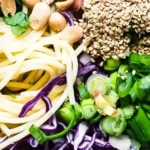
Spicy Thai Spaghetti Salad
- Total Time: PT30M
- Yield: 10 servings 1x
- Diet: Vegetarian
Description
This yummy Thai Spaghetti Salad is a delicious twist on a potluck classic ~ quick to prepare using common ingredients, the Asian flavors in this colorful pasta salad really pop.
Ingredients
- 8 ounces spaghetti, broken in half, cooked in salted water to al dente and rinsed well with cold water
- 1 cup shredded red cabbage
- 1 cup shredded carrots
- 1 bunch (about 6–8) green onions, thinly sliced
- 1/2 cup roasted peanuts
- 2 Tbsp sesame seeds
- 1 handful cilantro leaves, chopped
- 1 handful basil leaves, thinly sliced
- 1/4 cup rice vinegar
- 2 Tbsp vegetable oil
- 2 Tbsp (heaping) smooth peanut butter
- 1 clove garlic, minced
- 1/2 tsp cayenne pepper
- salt to taste
Instructions
- Step: Place all dressing ingredients into a small bowl and use an immersion blender to process until smooth and emulsified, thinning with extra oil or vinegar if needed, then taste to adjust seasonings.
- Step: Ensure the cooked spaghetti is fairly dry and add it to a large mixing bowl.
- Step: Toss the pasta with a small amount of the dressing.
- Step: Add the remaining salad ingredients to the bowl and toss thoroughly with the remaining dressing.
- Step: Refrigerate the salad until chilled and ready to serve, then garnish with extra peanuts and fresh herbs.
Notes
For a gluten-free version, use high-quality gluten-free pasta cooked to al dente. This salad is excellent when made ahead of time as flavors improve while resting in the refrigerator.
- Prep Time: PT20M
- Cook Time: PT10M
- Category: Salad
- Method: Mixing
- Cuisine: Thai/American
Nutrition
- Serving Size: 1 serving
- Calories: 189 kcal
- Sugar: 2 g
- Sodium: 59 mg
- Fat: 9 g
- Saturated Fat: 3 g
- Unsaturated Fat: 6 g
- Trans Fat: 0 g
- Carbohydrates: 21 g
- Fiber: 2 g
- Protein: 6 g
- Cholesterol: 0 mg
Keywords: noodles, potluck, salad, side dish, summer, Thai