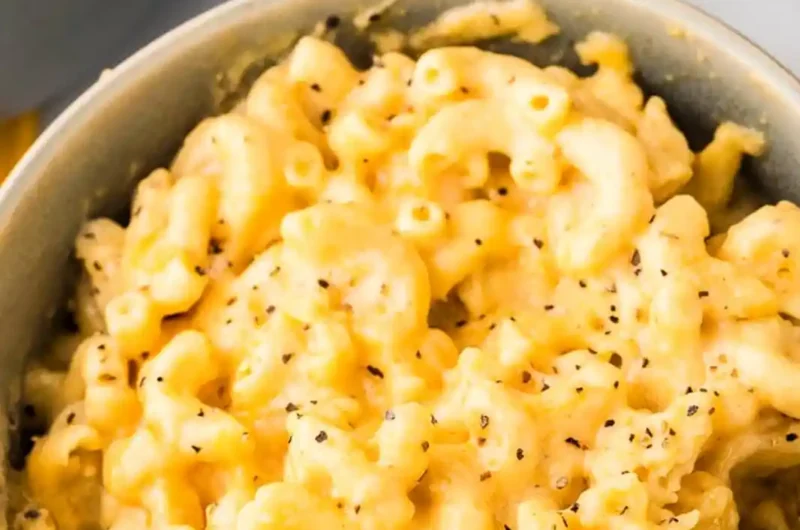
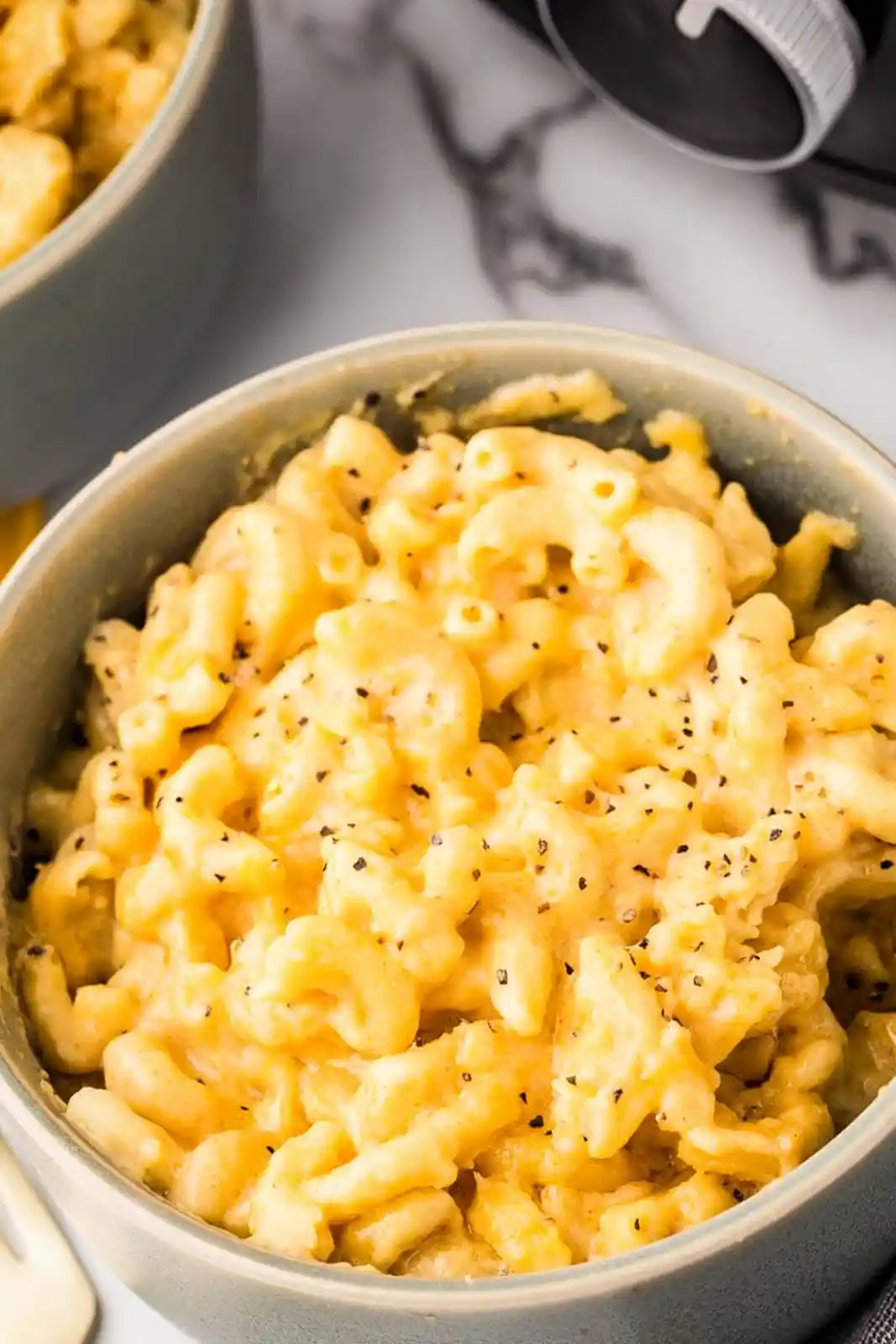
This slow cooker macaroni and cheese transforms simple pantry staples into a decadently creamy comfort meal with minimal hands-on effort. By cooking the pasta directly in a seasoned milk and cream base, you achieve a perfectly velvet-textured sauce that coats every noodle without the need for pre-boiling or complex stovetop roux. It is an ideal solution for busy weeknights or large gatherings where you need a reliable, crowd-pleasing side dish that stays warm and delicious until the very last scoop.
List of ingredients
- 1 pound elbow macaroni (uncooked)
- 3 cups whole milk
- ½ cups heavy cream
- 3 cups freshly shredded sharp cheddar cheese
- 1½ cups freshly shredded Monterey Jack cheese
- ½ cup freshly shredded Parmesan cheese
- 4 tablespoons butter (cut into small pieces)
- 1 teaspoon salt
- ½ teaspoon black pepper
- ½ teaspoon smoked paprika (optional, for depth)
step-by-step instructions
- Step: Spray slow cooker insert with nonstick spray.
- Step: Add uncooked macaroni to slow cooker.
- Step: Pour in milk and heavy cream, then stir gently to coat pasta.
- Step: Add butter, salt, pepper, and smoked paprika.
- Step: Sprinkle in cheddar, Monterey Jack, and Parmesan, stirring just until combined.
- Step: Cover and cook on low for 2-2½ hours, stirring once or twice if possible, until pasta is tender and sauce is creamy.
- Step: Once cooked, stir well and let the mac and cheese sit for 5-10 minutes to thicken before serving.
Refining Your Technique for Superior Texture
Importance of Shredding Cheese at Home
Avoid using pre-shredded cheese from a bag, as it is coated in cellulose or potato starch to prevent clumping. These anti-caking agents disrupt the emulsification process, often resulting in a grainy or uneven sauce instead of the smooth, uniform consistency this recipe aims for. Grating your own block cheese ensures the proteins and fats melt cleanly into the dairy base.
Managing Liquid Absorption During the Cycle
Cooking pasta in a slow cooker relies on exact liquid-to-starch ratios, which is why sticking to the specified quantities of milk and cream is critical. If you find the pasta is soaking up too much liquid early on, you can stir in a small amount of warm milk, but avoid adding water, as it will dilute the richness of the final sauce. Always perform a quick check at the two-hour mark to monitor how the pasta is progressing.
Maintaining Proper Heat Control
Always prioritize the low setting for this recipe to prevent the dairy from curdling or separating. High heat can cause the milk solids to overheat quickly, leading to an oily or broken sauce around the edges of the pot. A slow, gentle simmer ensures the cheddar and Monterey Jack melt fully into the pasta starch without breaking the emulsion.
Customizing Flavor and Ingredients
Adjusting Cheese Blends for Complexity
While the combination of sharp cheddar and Monterey Jack provides a classic flavor, you can experiment with other meltable varieties. Gruyère is an excellent addition if you prefer a slightly earthier, sophisticated taste, while a touch of smoked Gouda can replicate or intensify the effect of the smoked paprika. Always ensure at least half of your total cheese weight comes from high-moisture melting cheeses like Jack or Fontina to maintain the correct sauce body.
Boosting the Meal with Protein
If you intend to turn this side dish into a complete main course, stir in cooked, pre-warmed proteins during the final ten minutes of cooking. Diced roast chicken, small pieces of cooked white fish, or sautéed lentils work exceptionally well. Avoid adding raw meat to the slow cooker with the pasta, as the short cooking time and dairy environment are not appropriate for ensuring food safety with raw proteins.
Strategic Planning and Maintenance
Managing Serving Temperatures
Your slow cooker is an excellent tool for keeping the dish warm at a party, but be mindful of the timeline. After the initial cook time, keep the slow cooker on the warm setting for no more than 60 minutes to prevent the pasta from becoming mushy or the sauce from drying out. If you anticipate a longer event, prepare the dish in advance and keep it in a separate warming tray or bowl rather than leaving it in the cooker.
Handling Leftover Storage
When storing leftovers, place the mac and cheese in airtight containers within two hours of cooking. The sauce will naturally thicken quite a bit in the refrigerator as the starches cool and set. You can store the dish in the fridge for up to two days, but be prepared to adjust the texture when you decide to reheat it.
Reviving the Sauce When Reheating
Because the noodles continue to absorb moisture even while refrigerated, your leftovers will likely seem firmer than the original batch. To restore the creamy texture, add one to two tablespoons of milk or cream to your portion before heating it in the microwave or on the stovetop. Use a low power setting or gentle heat to ensure the cheese doesn’t separate during the process.
Common Questions Regarding This Dish
Can I make this recipe using gluten-free pasta?
Gluten-free pasta varieties are often made from rice, corn, or legumes, all of which react very differently to the long, low-temperature cooking environment of a slow cooker. These noodles tend to lose their structural integrity or turn into a paste much faster than wheat-based pasta. For the best results with gluten-free options, it is recommended to cook the pasta separately on the stovetop and combine it with a sauce prepared in your slow cooker.
Is it possible to bake this to get a crust on top?
If you enjoy a crispy topping, you can transfer the finished, cooked mac and cheese into an oven-safe casserole dish once it is finished in the slow cooker. Top it with a mixture of breadcrumbs, melted butter, and extra cheese, then broil it for two to three minutes. Keep a very close eye on the dish during broiling, as the sugars in the dairy can burn rapidly under high heat.
Why did my sauce look thin when I took the lid off?
It is perfectly normal for the sauce to appear loose immediately after the cook time ends. The starches released by the pasta need a few moments to rest and interact with the cooling dairy to set properly. Following the instruction to let the dish sit for five to ten minutes is the most important step for achieving that signature thick, clinging consistency.
Can I substitute reduced-fat milk for whole milk?
Using reduced-fat or skim milk will result in a noticeably thinner and less stable sauce. The high fat content in whole milk and heavy cream is what creates the necessary emulsion with the melting cheeses. If you only have lower-fat milk on hand, consider whisking in a small amount of flour or cornstarch during the prep stage to help the sauce hold its body, though the texture will not be as velvety as the full-fat version.
How do I prevent the pasta from sticking to the insert?
Beyond using a quality nonstick spray, the most effective way to prevent sticking is to ensure the pasta is fully submerged in the liquid when you begin. If you find the pasta is prone to sticking in your specific cooker, check the pot during the first hour of cooking and give it an extra stir. This redistributes the starch and prevents any single noodle from settling too firmly against the base of the insert.
Print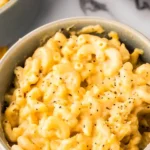
Ultimate Creamy Slow Cooker Mac and Cheese
- Total Time: 165 minutes
- Yield: 6 servings 1x
- Diet: Vegetarian
Description
The ultimate cheesy comfort food – now available via the slow cooker! The Best Slow Cooker Mac and Cheese is anything but ordinary and will delight adults and kids alike. This easy and homey melt-in-your-mouth mac is perfect for a holiday or potluck side dish, or anytime you need a kid-friendly dinner idea.
Ingredients
- 1 pound elbow macaroni (uncooked)
- 3 cups whole milk
- ½ cups heavy cream
- 3 cups freshly shredded sharp cheddar cheese
- 1½ cups freshly shredded Monterey Jack cheese
- ½ cup freshly shredded Parmesan cheese
- 4 tablespoons butter (cut into small pieces)
- 1 teaspoon salt
- ½ teaspoon black pepper
- ½ teaspoon smoked paprika (optional, for depth)
Instructions
- Step: Spray slow cooker insert with nonstick spray.
- Step: Add uncooked macaroni to slow cooker.
- Step: Pour in milk and heavy cream, then stir gently to coat pasta.
- Step: Add butter, salt, pepper, and smoked paprika.
- Step: Sprinkle in cheddar, Monterey Jack, and Parmesan, stirring just until combined.
- Step: Cover and cook on low for 2-2½ hours, stirring once or twice if possible, until pasta is tender and sauce is creamy.
- Step: Once cooked, stir well and let the mac and cheese sit for 5-10 minutes to thicken before serving.
Notes
Store leftovers in individual airtight containers in the refrigerator for up to 2 days. Freeze individual portions in tightly sealed containers for up to 3 months. Shred your own cheese for the smoothest sauce. Cook on low for best results and even melting.
- Prep Time: 15 minutes
- Cook Time: 150 minutes
- Category: Side Dish
- Method: Slow Cooking
- Cuisine: American
Nutrition
- Serving Size: 1 bowl
- Calories: 857 kcal
- Sugar: 9 g
- Sodium: 1177 mg
- Fat: 50 g
- Saturated Fat: 29 g
- Unsaturated Fat: 21 g
- Trans Fat: 0.3 g
- Carbohydrates: 65 g
- Fiber: 3 g
- Protein: 38 g
- Cholesterol: 144 mg
Keywords: mac and cheese, slow cooker, comfort food, side dish, vegetarian