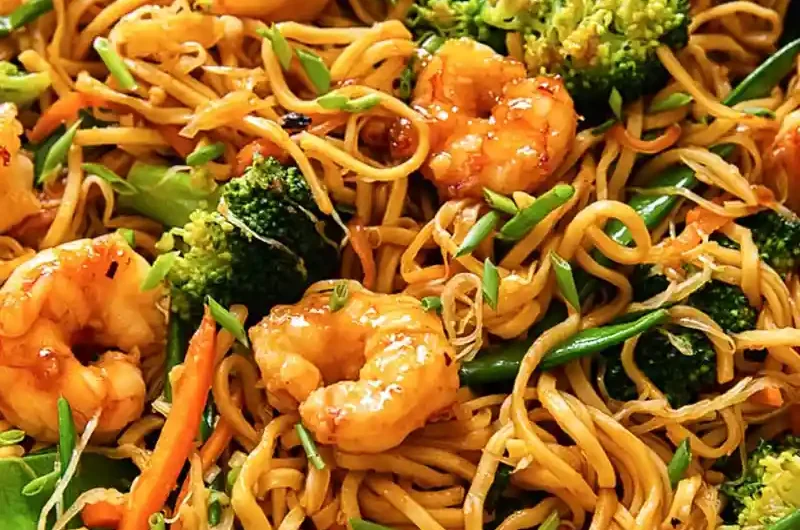
Prepare a restaurant-style shrimp chow mein at home in under 30 minutes. This quick meal combines succulent shrimp and crisp vegetables with savory noodles for a balanced dinner.
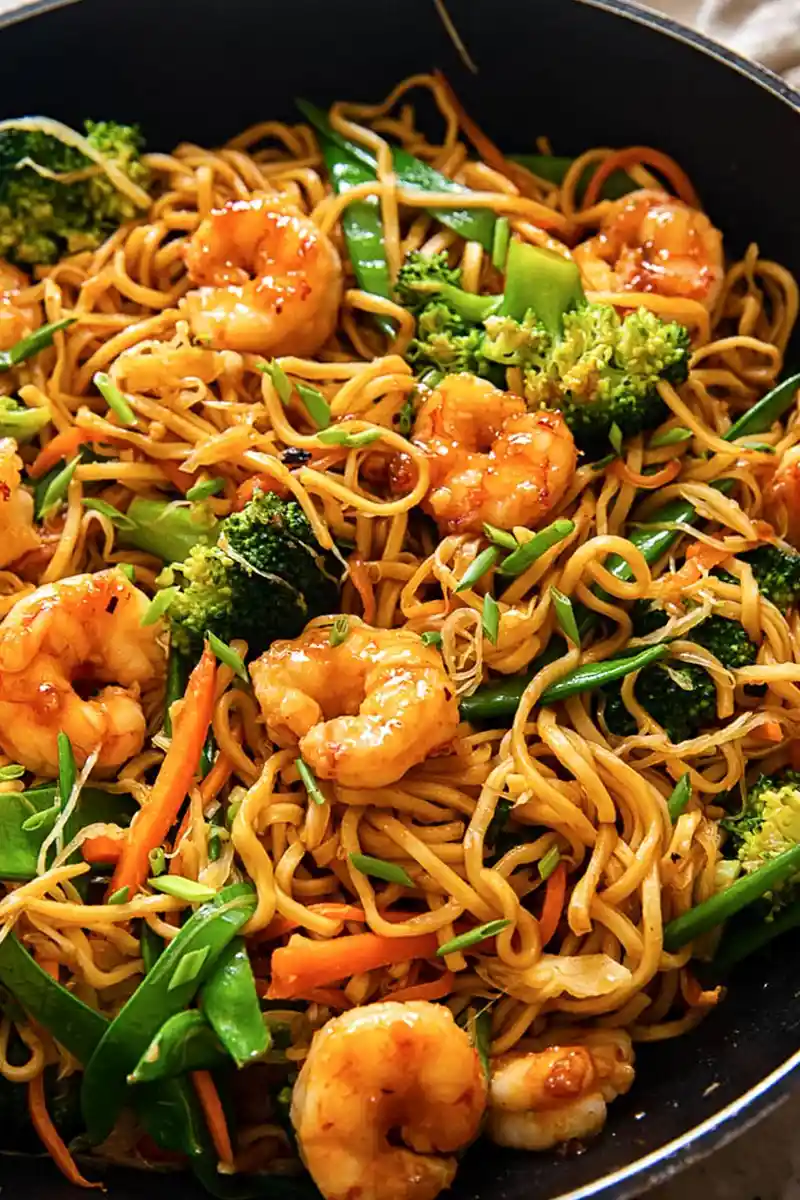
List of ingredients
- 250g / 1/2 lbs Asian medium egg noodles (or spaghetti) – provides the base texture.
- 2 tbsp oyster sauce – adds a rich, savory depth.
- 2 tbsp vegetable broth – used as a clean replacement for cooking wine.
- 1 tbsp dark soy sauce – gives the dish a deep color and saltiness.
- 1-2 tsp sesame oil – provides a toasted, nutty aroma.
- 2 tsp honey (or sugar) – balances the salty flavors.
- 1/2 tsp white pepper – adds a mild, sharp heat.
- 2 tbsp vegetable oil – used for high-heat frying.
- 450g / 1 lbs shrimp (peeled and deveined) – the primary protein source.
- 2 cloves garlic – finely minced for fragrance.
- 1 tbsp ginger paste (or grated ginger) – adds zesty warmth.
- 1 carrot – cut into thin matchsticks for quick cooking.
- 200g / 7oz broccoli – 1 small head, broken into small florets.
- 70g / 1/2 cup cabbage – finely shredded.
- 50g / 1/2 cup snow peas – cut in half lengthwise.
- 4 green onions – white parts sliced and green parts cut into 3-inch pieces.
step-by-step instructions
- Prepare the base: Boil the noodles together with the broccoli florets. Once cooked, drain the mixture and rinse the noodles under cold water to prevent sticking. Set them aside.
- Prep the vegetables: While noodles are boiling, cut carrots into matchsticks and slice the cabbage. Cut green onions into 3-inch pieces and slice snow peas in half lengthwise.
- Mix the sauce: In a small bowl, combine oyster sauce, vegetable broth, dark soy sauce, honey, white pepper, and sesame oil. Stir until the honey is fully dissolved.
- Marinate the protein: Measure 2 tablespoons of the prepared sauce and toss it with the shrimp. Let the shrimp marinate while you prepare the pan. Reserve the remaining sauce.
- Sear the shrimp: Heat 1 tablespoon of vegetable oil in a large frying pan or wok over medium-high heat. Cook the shrimp for 1-2 minutes per side until opaque. Remove the shrimp and place them on a separate plate.
- Stir-fry the aromatics and vegetables: Add another tablespoon of oil to the pan. Stir-fry the white parts of the onions, garlic, and ginger for 30 seconds. Add the carrots, blanched broccoli, cabbage, snow peas, and green onions, frying for 2-3 minutes until tender-crisp. Remove and add to the plate with the shrimp.
- Combine and finish: Add the cooked noodles and green onions back to the pan. Pour in the remaining sauce and toss until the noodles are evenly coated and heated. Return the shrimp and vegetables to the pan, toss one final time to combine, and serve immediately.
Cooking Secrets for Better Chow Mein
Achieving the Correct Vegetable Texture
The goal for authentic chow mein is vegetables that are tender but still have a slight snap. To achieve this, keep the heat high and stir-fry rapidly, moving the ingredients constantly. This prevents the vegetables from steaming in their own juices and becoming mushy.
Properly Preparing Dense Vegetables
Carrots and cabbage are denser than other stir-fry vegetables and take longer to cook. By cutting them into thin matchsticks or shredding them finely, you increase the surface area. This allows them to cook at the same speed as the softer vegetables in the pan.
Efficiently Blanching Broccoli
Broccoli florets can remain raw in the center if cooked only in a wok. Boiling them briefly with the noodles ensures the stems are cooked through. This step saves time during the final stir-fry and prevents the other vegetables from overcooking while you wait for the broccoli to soften.
Managing Shrimp Doneness
Shrimp cook very quickly and become rubbery if overheated. Searing them separately and removing them from the pan is the most reliable method. Adding them back at the very end only heats them through without toughening the protein.
Alternative Ingredients and Swaps
Choosing Different Noodle Varieties
While egg noodles are traditional, spaghetti or linguine are excellent substitutes if Asian noodles are unavailable. If you prefer a gluten-free option, use wide rice noodles. Note that rice noodles require different soaking or boiling times compared to wheat-based noodles.
Swapping the Protein Source
You can replace shrimp with thinly sliced chicken breast or firm tofu cubes. For chicken, slice the meat against the grain into thin strips to ensure tenderness. Tofu should be pressed to remove excess water and pan-fried until golden before adding to the final mix.
Vegetable Substitutions
Depending on the season, you can swap snow peas for snap peas or use bok choy instead of cabbage. Cauliflower and bean sprouts are also great additions that fit the flavor profile. Always add the hardest vegetables to the pan first.
Adjusting the Sauce Base
For a lighter flavor, you can reduce the amount of oyster sauce and increase the vegetable broth. If you avoid soy, coconut aminos provide a similar salty-sweet profile. Ensure you maintain the balance of honey and pepper to keep the authentic taste.
Serving and Presentation Ideas
Adding Final Garnishes
A sprinkling of toasted sesame seeds adds a professional look and a subtle crunch. Freshly sliced scallions or a pinch of red chili flakes can provide a pop of color and extra heat. These additions are optional but enhance the visual appeal of the dish.
Pairing with Side Dishes
Since chow mein is a complete meal with protein, carbs, and vegetables, it does not require side dishes. However, it pairs well with an appetizer like crispy air-fryer tofu or vegetable spring rolls. A side of sliced cucumbers in rice vinegar provides a refreshing contrast.
Family Style Plating
Serve the chow mein on a large platter rather than individual bowls for a traditional family-style experience. This allows guests to serve themselves and keeps the noodles from cooling down too quickly. Garnish the center of the platter with a few whole shrimp.
Storage and Reheating Guide
Refrigeration Limits
Store leftover chow mein in an airtight container in the refrigerator for 3-4 days. Because the dish contains seafood, it is important not to exceed this timeframe for safety and quality. Keep the container tightly sealed to prevent the noodles from drying out.
Freezing Instructions
The dish can be frozen for 2-3 months, though the texture of the noodles may change slightly. To freeze, let the meal cool completely before placing it in a freezer-safe bag. Squeeze out as much air as possible to prevent freezer burn.
Best Reheating Methods
For the best results, reheat the chow mein in a wok or skillet over medium heat with a teaspoon of oil. Alternatively, use a microwave with a damp paper towel covering the noodles to steam them. Add a splash of water or broth if the noodles seem too dry.
Common Challenges and Solutions
Preventing Soggy Noodles
Sogginess usually happens when noodles are overcooked or not drained properly. Always rinse noodles in cold water after boiling to remove excess starch. Ensure your pan is very hot before adding the noodles to sear them rather than steam them.
Correcting a Too-Salty Sauce
If the sauce tastes too salty, add a small amount of honey or a squeeze of lime juice. The sweetness or acidity helps neutralize the saltiness of the soy and oyster sauces. Alternatively, stir in some extra steamed cabbage to dilute the intensity.
Maintaining Wok Temperature
Adding too many cold ingredients at once can drop the temperature of the pan, leading to steaming. Cook in batches if your pan is small. This ensures that every piece of shrimp and vegetable is properly seared and maintains a crisp texture.
Frequently Asked Questions
Can I make this recipe gluten-free?
Yes, replace the egg noodles with rice noodles and use tamari instead of soy sauce. Ensure the oyster sauce you use is a certified gluten-free version or use a mushroom-based vegetarian stir-fry sauce.
How do I stop the noodles from clumping?
The key is to rinse the noodles under cold running water immediately after draining. This removes the surface starch that acts like glue. Tossing them with a tiny bit of sesame oil after rinsing also keeps them separate.
Is this meal suitable for meal prep?
Yes, this recipe is ideal for meal prep as it stays flavorful when refrigerated. Portion the noodles and vegetables evenly into containers. Reheat them gently to maintain the integrity of the shrimp.
What is the best oil for stir-frying?
Use an oil with a high smoke point, such as vegetable, canola, or peanut oil. Avoid using extra virgin olive oil or butter, as they will burn at the high temperatures required for an authentic stir-fry.
Print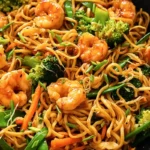
Easy Shrimp Chow Mein
- Total Time: 25 minutes
- Yield: 3–4 servings 1x
- Diet: General
Description
Easy, foolproof recipe with authentic results! Juicy shrimp tossed with flavour packed vegetables and noodles.
Ingredients
- 250g / 1/2 lbs Asian medium egg noodles (or spaghetti)
- 2 tbsp oyster sauce
- 2 tbsp vegetable broth
- 1 tbsp dark soy sauce
- 1–2 tsp sesame oil
- 2 tsp honey (or sugar)
- 1/2 tsp white pepper
- 2 tbsp vegetable oil
- 450g / 1 lbs shrimp (peeled and deveined)
- 2 cloves garlic
- 1 tsbp ginger paste (or grated ginger)
- 1 carrot (cut into matchsticks)
- 200g / 7oz broccoli (1 small head, broken into florets)
- 70g / 1/2 cup cabbage (shredded)
- 50g / 1/2 cup snow peas (cut in half lengthwise)
- 4 green onions (white parts sliced, and green parts cut into 3 inch pieces)
Instructions
- Boil: Boil noodles with broccoli, drain, rinse the noodles and set aside.
- Prepare: While the noodles are boiling prepare the vegetables. Cut the carrots into matchsticks, slice the cabbage and cut the green onions in 3 inch pieces, cut the snow peas in half lengthwise.
- Sauce: Make the sauce by mixing together the oyster sauce, vegetable broth, dark soy sauce, honey, white pepper and sesame oil.
- Marinate: Take 2 tbsp of the sauce and marinate the shrimp in it until needed. Reserve the rest for later.
- Cook Shrimp: Heat 1 tbsp vegetable oil in a large frying pan or a wok. Cook the shrimp on medium-high until just done, 1 or 2 minutes on each side depending on the size. Remove from the pan to a separate plate.
- Stir-fry: To the same pan add another tablespoon of oil, then add the chopped white part of the onions, garlic, and ginger, stir fry for about 30 seconds over medium heat. Then add the carrots, broccoli broken into florets, cabbage, snow peas and green onions, stir fry for 2-3 minutes until the vegetables are cooked but still firm to the bite. Remove to the same plate with shrimp.
- Finish: Add the noodles with the green onions to the pan and pour in the sauce. Toss the noodles with the sauce until even coated and heated through. Then bring the shrimp with the vegetables back to the pan and toss to combine, allow the stir fry to heat through, then serve.
Notes
Cook vegetables briefly in a hot pan until they soften slightly but remain firm to the bite. For those who cannot find egg noodles, spaghetti or linguine are suitable alternatives.
- Prep Time: 15 minutes
- Cook Time: 10 minutes
- Category: Main Course
- Method: Stir-fry
- Cuisine: Chinese
Nutrition
- Serving Size: 1 serving
- Calories: 354 kcal
- Sugar: 6 g
- Sodium: 1516 mg
- Fat: 11 g
- Saturated Fat: 7 g
- Unsaturated Fat: 4 g
- Trans Fat: 0 g
- Carbohydrates: 32 g
- Fiber: 4 g
- Protein: 29 g
- Cholesterol: 286 mg
Keywords: shrimp chow mein, chinese noodles, shrimp stir fry, easy chinese dinner