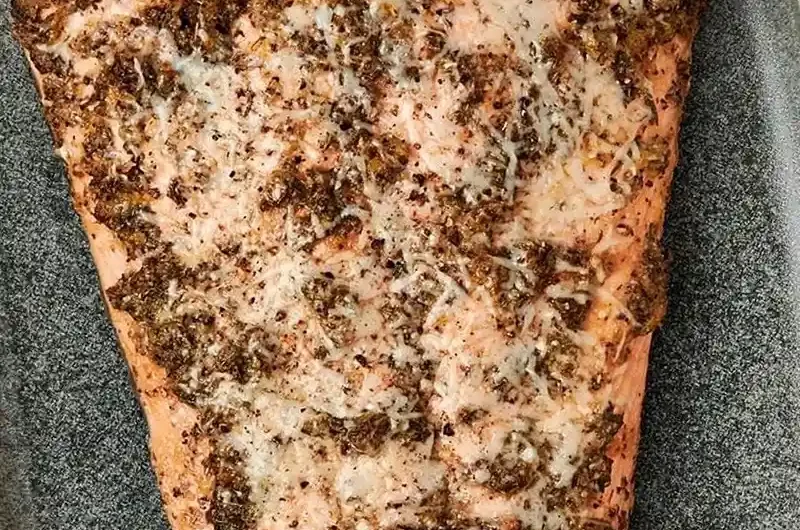
Grilling salmon is an excellent way to prepare this rich, buttery fish for a quick and flavorful meal. This method uses a simple marinade and foil pan technique to ensure the fillet stays moist while picking up gentle, smoky notes from the grill. In just 25 minutes, you can have a perfectly seasoned dinner ready for the table.
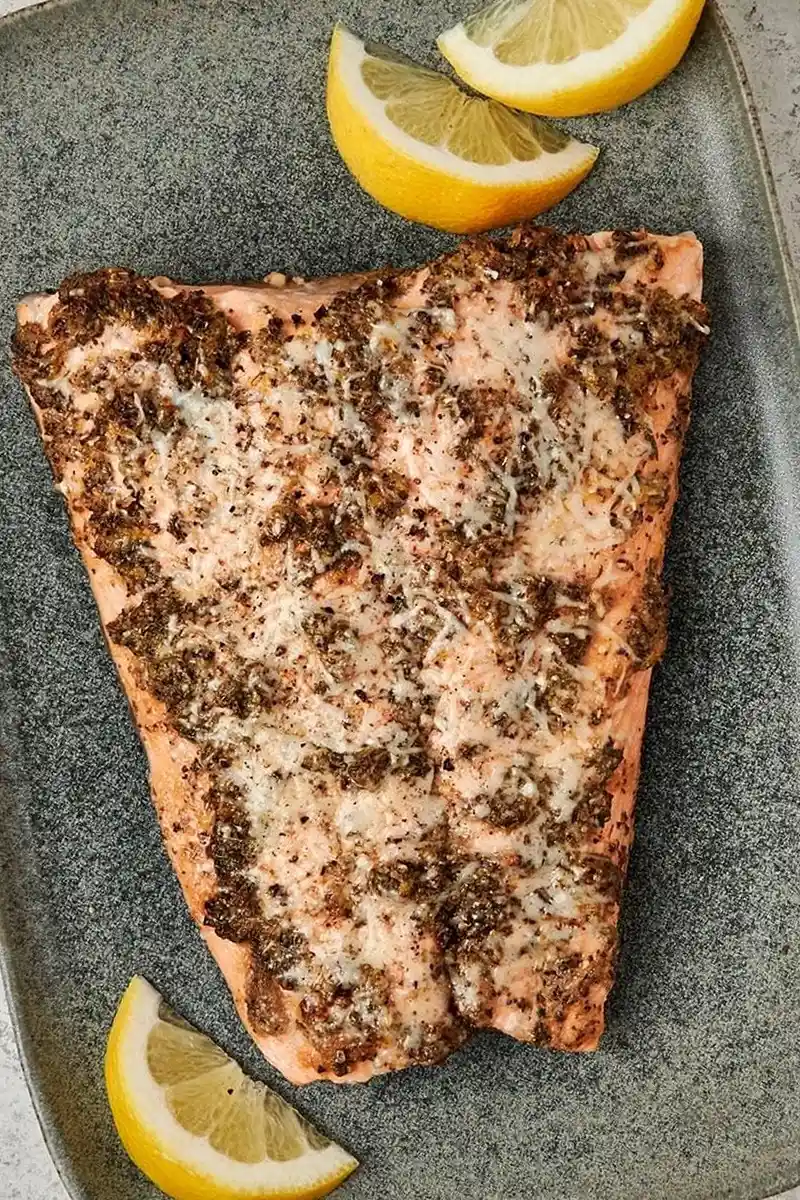
List of ingredients
- 1 salmon fillet (about 1 pound)
- 2 tablespoons lemon juice
- 2 tablespoons grape-based vinegar substitute
- 2 teaspoons grated lemon zest
- 1-1/2 teaspoons dried basil
- 1 teaspoon garlic powder
- 1 teaspoon soy sauce
- 4-1/2 teaspoons grated Parmesan cheese
- Dash pepper
- Lemon wedges, optional
step-by-step instructions
- Step: Preheat the grill to medium heat.
- Step: Place the salmon fillet, skin side down, in a disposable foil pan.
- Step: In a small bowl, whisk together the lemon juice, grape-based vinegar substitute, lemon zest, basil, garlic powder and soy sauce.
- Step: Pour the marinade evenly over the salmon fillet, making sure the fish is fully coated. Sprinkle with Parmesan cheese and pepper.
- Step: Place the pan on the preheated grill. Cover the grill and cook the fish over medium heat until it flakes easily with a fork, 15 to 20 minutes.
- Step: Once cooked, remove the salmon from the grill. If desired, sprinkle with additional Parmesan cheese and pepper, and serve with lemon wedges.
Maintaining Moisture During Grilling
Selecting the Right Fillet Thickness
Choosing a uniform, thick cut of salmon is the most effective way to ensure the entire piece cooks at the same rate. Thinner tail ends tend to dry out quickly compared to the heartier center cuts. Aim for a fillet that maintains consistent thickness across its length to avoid overcooked edges while the center remains raw.
The Advantage of Foil Pan Cooking
Using a foil pan acts as a shield against the intense direct heat of the grill. By containing the liquid marinade around the fish, the salmon essentially poaches in its own flavorful juices while absorbing the ambient smoke of the grill. This prevents the delicate protein fibers from seizing up and becoming dry, resulting in a buttery texture that is difficult to achieve on open grates.
Refining Your Grilling Technique
Managing Grill Temperature for Fish
Maintaining a stable, moderate temperature is critical when working with fish. High heat can burn the delicate sugars in the marinade and dry out the outer layers of the salmon before the inside is cooked. If you do not have a grill thermometer, place your hand about six inches above the grates; you should be able to hold it there for four to five seconds comfortably.
Ensuring Proper Internal Temperature
The safest way to guarantee perfect results is to use an instant-read meat thermometer inserted into the thickest part of the fillet. You are looking for an internal temperature of at least 145 degrees Fahrenheit. Once you pull the fish at this point, the residual heat will finish the process perfectly, ensuring it is neither raw nor dry.
Flavor Adjustments and Pairings
Incorporating Fresh Herbal Notes
While dried basil is convenient, using fresh herbs can elevate the dish significantly when they are in season. Finely mince fresh parsley, chives, or even cilantro and sprinkle them over the finished salmon right before serving. These fresh additions provide a vibrant contrast to the cooked-in savory notes of the garlic and parmesan.
Selecting Complementary Side Dishes
Because the salmon is cooked in a tangy, citrus-heavy marinade, it pairs exceptionally well with cooling or earthy side dishes. Consider serving this fish alongside roasted asparagus, sautéed green beans with garlic, or a fluffy quinoa salad. The grains absorb any extra juices from the foil pan, making them a fantastic vessel for the remaining marinade flavors.
Balancing the Umami Profile
If you prefer a deeper flavor profile, consider adding a pinch of smoked paprika to the marinade. The smoke from the paprika complements the natural smoky aroma of the grill, emphasizing the savory nature of the soy sauce and Parmesan. Just be careful not to over-salt the dish, as the Parmesan and soy sauce already provide a strong foundation of sodium.
Troubleshooting Common Issues
What to Do If the Fish Is Cooking Too Slowly
If you find that the grill temperature has dropped, ensure the lid remains closed as much as possible to retain heat. Opening the lid frequently releases trapped heat and steam, which are essential for cooking the fish through. If the exterior looks done but the center feels soft, tent a piece of foil over the top of the pan to help it steam more efficiently.
How to Handle Excessive Browning
If the Parmesan cheese starts to brown too quickly before the fish is cooked through, simply move the foil pan to a cooler zone on the grill or reduce the heat settings. You want the cheese to melt and brown slightly, not burn. If necessary, you can lightly shield the top with a piece of foil for the final few minutes of the cooking time.
Frequently Asked Questions
Can I prepare the marinade in advance?
Yes, you can whisk the marinade ingredients together up to a day before you plan to cook. Keep it stored in a sealed jar in the refrigerator and shake well before pouring over the salmon. However, do not leave the raw fish in the acidic marinade for longer than 30 minutes, or the texture of the protein will begin to break down.
Is it better to leave the skin on or off?
It is best to leave the skin on for the grilling process, even if you do not plan to eat it. The skin acts as a barrier that protects the delicate flesh of the salmon from direct heat, helping it stay moist. It also provides a sturdy base that makes it much easier to transfer the fish from the foil pan to a serving platter without it falling apart.
What is the best way to handle leftovers?
If you have extra cooked salmon, allow it to cool to room temperature before packing it into an airtight container. It is best to flake the leftover salmon into smaller pieces, which makes it easier to fold into cold pasta salads or serve over leafy greens the next day. Reheat only the portion you intend to eat immediately, and try to consume within three days for the best quality.
Can I substitute a different cheese for Parmesan?
You can use other hard, aged cheeses like Pecorino Romano or even a fine-grated aged Asiago if that is what you have on hand. These cheeses provide a similar salt-forward profile that stands up well to the heat of the grill. Avoid using soft, high-moisture cheeses like mozzarella, as they will not form the desired crust and may simply melt into a liquid state in the marinade.
Print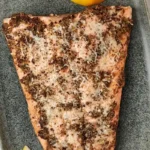
Easy Grilled Salmon Fillet
- Total Time: 25 minutes
- Yield: 4 servings 1x
- Diet: Pescatarian
Description
Grilling salmon is a fantastic way to enjoy this rich, buttery fish—and our recipe makes it incredibly easy. In just 25 minutes, you’ll create a perfectly seasoned, slightly smoky-flavored grilled salmon fillet.
Ingredients
- 1 salmon fillet (about 1 pound)
- 2 tablespoons lemon juice
- 2 tablespoons grape-based vinegar substitute
- 2 teaspoons grated lemon zest
- 1–1/2 teaspoons dried basil
- 1 teaspoon garlic powder
- 1 teaspoon soy sauce
- 4–1/2 teaspoons grated Parmesan cheese
- Dash pepper
- Lemon wedges, optional
Instructions
- Step: Preheat the grill to medium heat.
- Step: Place the salmon fillet, skin side down, in a disposable foil pan.
- Step: In a small bowl, whisk together the lemon juice, grape-based vinegar substitute, lemon zest, basil, garlic powder and soy sauce.
- Step: Pour the marinade evenly over the salmon fillet, making sure the fish is fully coated. Sprinkle with Parmesan cheese and pepper.
- Step: Place the pan on the preheated grill. Cover the grill and cook the fish over medium heat until it flakes easily with a fork, 15 to 20 minutes.
- Step: Once cooked, remove the salmon from the grill. If desired, sprinkle with additional Parmesan cheese and pepper, and serve with lemon wedges.
Notes
If you don’t have a foil pan, use heavy-duty aluminum foil to create a boat shape that will hold the fish fillet and contain the marinade. For extra flavor, you can marinate the salmon in the fridge for up to 30 minutes before grilling.
- Prep Time: 10 minutes
- Cook Time: 15 minutes
- Category: Dinner
- Method: Grilling
- Cuisine: American
Nutrition
- Serving Size: 3 ounces
- Calories: 193 kcal
- Sugar: 0 g
- Sodium: 163 mg
- Fat: 11 g
- Saturated Fat: 2 g
- Unsaturated Fat: 9 g
- Trans Fat: 0 g
- Carbohydrates: 2 g
- Fiber: 0 g
- Protein: 20 g
- Cholesterol: 59 mg
Keywords: grilled salmon, healthy dinner, fish recipe, easy grill, pescatarian