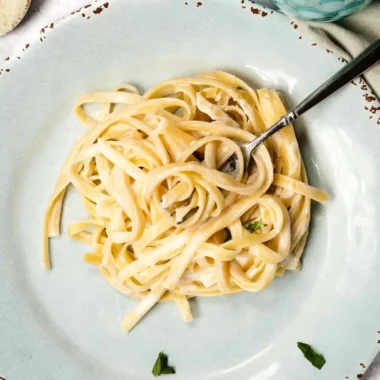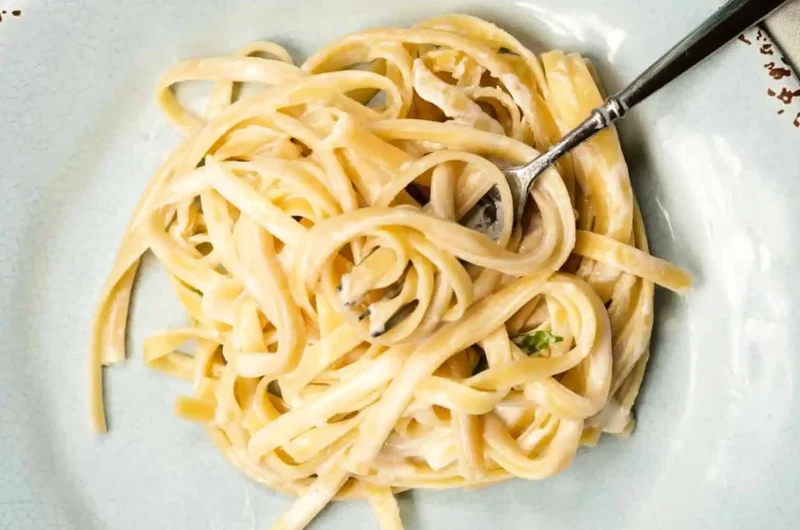
Creating a restaurant-quality pasta dish at home is often easier than it appears when you start with a foundation of high-quality dairy and simple techniques. This butter and cream sauce transforms humble ingredients into a luxurious, velvety coating that clings perfectly to long, ribbons of fettuccine. By focusing on low heat and proper emulsification, you can achieve a professional finish in just about fifteen minutes, making this an ideal choice for busy weeknights when you still crave something sophisticated and comforting.
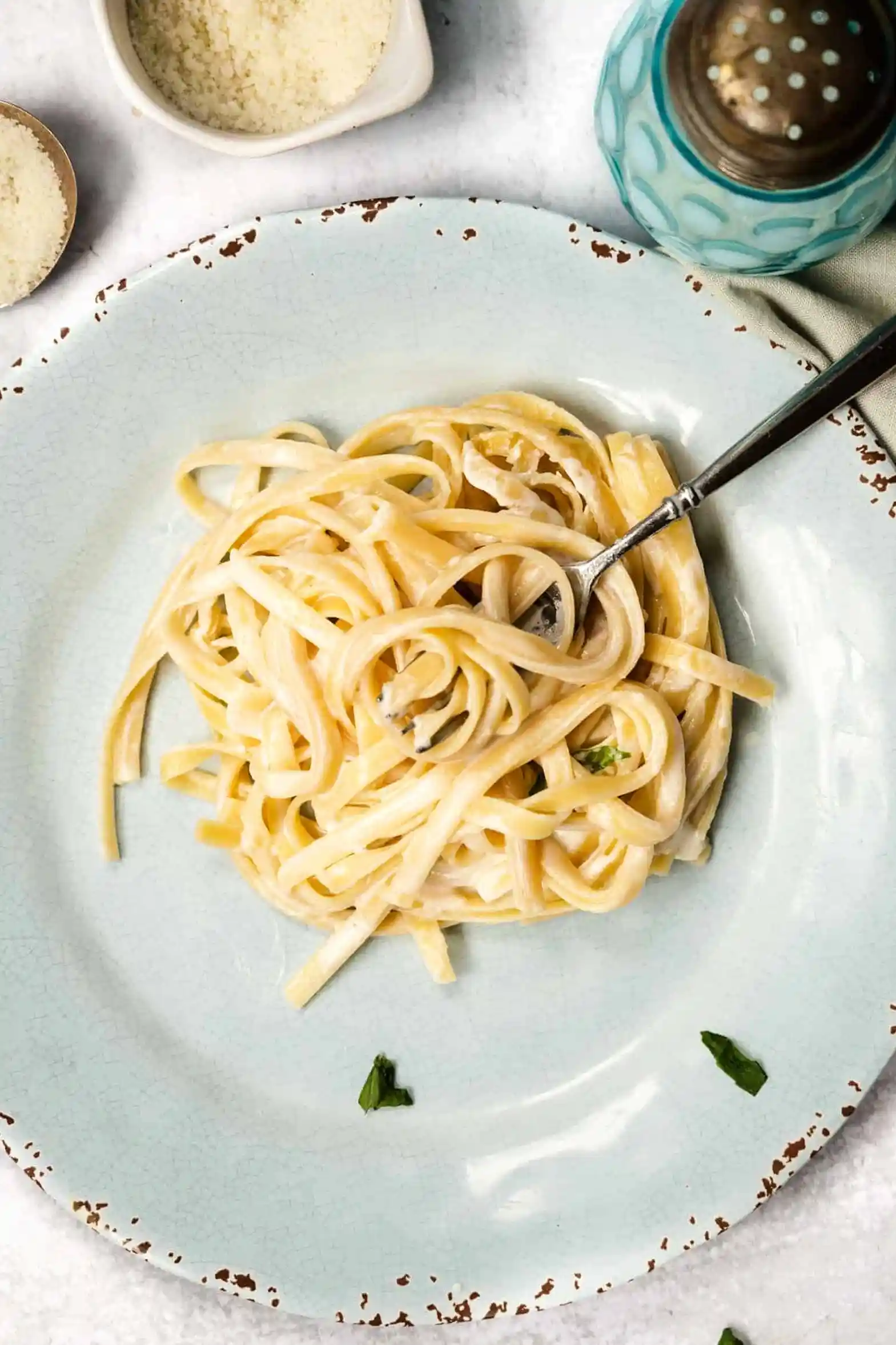
List of ingredients
- 1 lb fettuccine pasta
- 1 cup light cream (18% cream)
- 2 Tablespoons unsalted butter
- 1/4 tsp nutmeg
- 1/2 cup freshly grated Parmesan or Romano cheese
- salt and pepper to taste
step-by-step instructions
- Step: Bring a large pot of water to boil and cook pasta 1 minute less than package directions.
- Step: Heat a large skillet over low heat, add cream and butter, and simmer until thickened, about 3-4 minutes.
- Step: Turn off the heat and stir in the cheese, nutmeg, salt, and pepper.
- Step: Reserve 1/2 cup of pasta water, then drain the pasta.
- Step: Add pasta to the skillet with the sauce and toss to coat.
- Step: Stir in reserved pasta water as needed to reach desired consistency, then serve immediately.
Mastering the dairy components
Understanding light cream properties
Light cream occupies a unique space in the dairy aisle, typically containing around 18 percent milk fat. This specific percentage is the secret to a sauce that is rich and luxurious without being overly heavy or greasy on the palate. Because it is lower in fat than heavy whipping cream, it requires slightly more care during the heating process to ensure it thickens properly without breaking or curdling. Always keep your burner set to a low flame to avoid scorching the milk solids during the thickening phase.
The importance of fresh grating
Pre-packaged shredded cheese is coated in cellulose or potato starch to keep the shreds from clumping together in the bag. While convenient, these additives create a gritty texture when you are trying to make a smooth, emulsified sauce. By choosing a high-quality block of Parmesan or Romano and grating it yourself, you ensure a clean melt that integrates seamlessly into the warm cream. This habit is the single most effective way to elevate the mouthfeel of any homemade pasta sauce.
Selecting the right butter
Using unsalted butter is a culinary standard for a reason, as it gives you complete autonomy over the salt content of your final sauce. If you only have salted butter on hand, simply reduce the amount of added salt in the recipe and perform a taste test after the cheese has been folded in. Since Parmesan and Romano cheeses are naturally salty, you may find that you need very little additional seasoning, which is why starting with unsalted butter is much safer for achieving a balanced flavor.
Refining your pasta technique
Timing for perfect al dente
The texture of your pasta plays a massive role in how the sauce interacts with the dish as a whole. Aiming for one minute less than the package suggests ensures that the noodles have enough structural integrity to hold up during the final tossing phase in the skillet. If the pasta is overcooked at the boiling stage, it will turn mushy once it is combined with the hot cream and the added heat from the sauce pan. Test your pasta frequently during the last two minutes of boiling to catch that firm, resistance-heavy center point.
Using the liquid gold of pasta water
The cloudy, starchy water left over in your pot after boiling pasta is one of the most useful ingredients in an Italian kitchen. When you toss this liquid with cheese and cream, the starch acts as a binding agent that emulsifies the sauce, creating a silk-like consistency that clings to the noodles. Never dump all of your pasta water down the drain before checking the texture of your sauce; always set aside at least a cup as a safety net for adjusting the creaminess.
Tossing methods for even distribution
When incorporating your cooked noodles into the sauce, use a wide-mouthed set of metal or silicone-tipped tongs. Gentle, repetitive movements are better than aggressive stirring, which can break fragile long noodles like fettuccine. You want to lift the pasta from the bottom of the pan and fold it over the top, which encourages the sauce to seep into the curves and ridges of the pasta shapes. This folding motion also helps to aerate the sauce slightly, keeping it light and vibrant.
Practical storage and reheating
Refrigeration requirements
If you have leftovers, allow the pasta to cool slightly before transferring it to an airtight glass container. Placing hot food directly into a refrigerator can fluctuate the temperature inside the appliance and compromise the safety of other perishable items. Once cooled to room temperature, store the container in the coldest part of your fridge, which is usually at the back or on the lowest shelf. It is best to consume the leftovers within 48 hours for the best possible flavor and texture.
Strategies for gentle reheating
Reheating cream-based sauces can be challenging because the dairy is susceptible to separating if it gets too hot. The safest way to warm your leftovers is to place them in a small saucepan over medium-low heat rather than using a microwave. Add a teaspoon of water or a splash of fresh cream to the pan before you start heating to help re-emulsify the sauce. Keep the mixture moving constantly with a silicone spatula until it is heated through, avoiding a full boil at all costs.
Managing texture after chilling
After being refrigerated, the starches in the pasta will continue to absorb the liquid from the sauce, often resulting in a dish that seems dry or clumpy the next day. This is a normal occurrence and does not mean the food has spoiled. Simply adding a splash of liquid—water, broth, or cream—while warming it up will revitalize the starch and bring back the original creamy coating. Do not rush this process with high heat, as slow and steady temperature control is the key to preserving the sauce.
Frequently asked questions
Can I use different types of pasta?
Yes, this sauce is incredibly versatile and works well with many shapes, provided they have enough surface area to catch the cream. Tortellini, rigatoni, or even penne are excellent alternatives to fettuccine because their interiors or ridges can trap the sauce effectively. Avoid very thin or delicate pastas like angel hair, as they may become overwhelmed by the richness of the cream and lose their texture too quickly.
How can I make the flavor more intense?
If you desire a more pronounced flavor profile, try adding a tiny amount of freshly minced garlic to the butter as it begins to melt. Alternatively, a small squeeze of fresh lemon juice added right at the end can brighten the heavy dairy notes without making the sauce taste acidic. A handful of fresh herbs such as flat-leaf parsley or basil, finely chopped, also adds a fresh, peppery bite that complements the nutmeg and cheese beautifully.
What should I do if the sauce looks broken?
If the butter and cream separate into an oily sheen, the most likely cause is heat that was too high during the thickening stage. To fix this, remove the pan from the heat immediately and add a tablespoon of cold water or a tiny bit of fresh cream. Whisk the mixture vigorously in a circular motion; this often brings the emulsion back together, making the sauce look smooth and cohesive once more.
Can I substitute a different type of cheese?
While Parmesan and Romano offer the most authentic savory depth, you can use other hard, aged Italian-style cheeses if they are available. Look for varieties labeled as vegetarian-friendly if you need to avoid specific animal-derived enzymes. Avoid using soft cheeses like mozzarella or goat cheese in this specific recipe, as they do not melt into the same silky consistency required for an Alfredo-style sauce.
Why is it important to use a wide skillet?
Using a large, wide skillet provides more surface area for the cream to reduce and thicken efficiently during the three to four-minute window. If the pan is too small or deep, the cream may take longer to reach the desired consistency, which risks over-reducing and becoming greasy. A wide pan also makes the final tossing process much easier, allowing you to coat every single noodle without causing the pasta to break or tangle into a giant clump.
Print
Fettuccine with Butter and Cream Sauce
- Total Time: 15 minutes
- Yield: 4 servings 1x
- Diet: Vegetarian
Description
A simple light cream sauce for pasta, this Butter & Cream Sauce uses table or light cream and can be made in under 10 minutes! This is the best cream sauce recipe for tortellini or classic fettuccine and makes a great quick weeknight meal for the whole family!
Ingredients
- 1 lb fettuccine pasta
- 1 cup light cream (18% cream)
- 2 Tablespoons unsalted butter
- 1/4 tsp nutmeg
- 1/2 cup freshly grated Parmesan or Romano cheese
- salt and pepper to taste
Instructions
- Step: Bring a large pot of water to boil and cook pasta 1 minute less than package directions.
- Step: Heat a large skillet over low heat, add cream and butter, and simmer until thickened, about 3-4 minutes.
- Step: Turn off the heat and stir in the cheese, nutmeg, salt, and pepper.
- Step: Reserve 1/2 cup of pasta water, then drain the pasta.
- Step: Add pasta to the skillet with the sauce and toss to coat.
- Step: Stir in reserved pasta water as needed to reach desired consistency, then serve immediately.
Notes
The sauce can be made ahead and reheated gently over low heat with a splash of extra cream if needed. Store in a glass container in the refrigerator for up to two days.
- Prep Time: 5 minutes
- Cook Time: 10 minutes
- Category: Main Course
- Method: Stovetop
- Cuisine: Italian
Nutrition
- Serving Size: 1 serving
- Calories: 480 kcal
- Sugar: 3 g
- Sodium: 350 mg
- Fat: 22 g
- Saturated Fat: 12 g
- Unsaturated Fat: 8 g
- Trans Fat: 0 g
- Carbohydrates: 58 g
- Fiber: 2 g
- Protein: 16 g
- Cholesterol: 65 mg
Keywords: fettuccine, pasta, cream sauce, italian, quick dinner