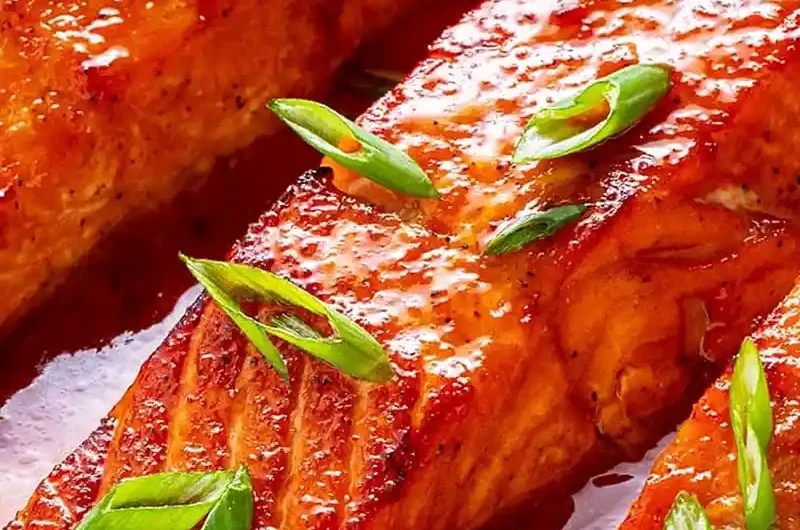
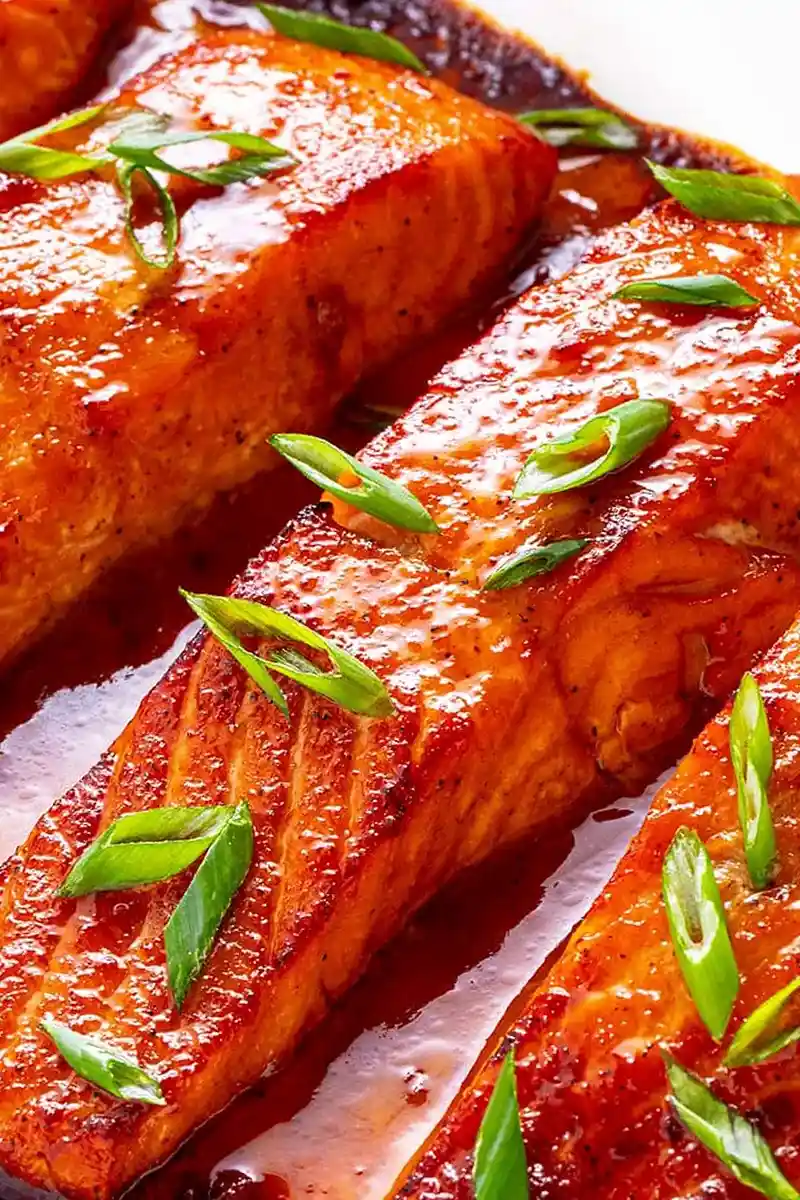
This honey-glazed salmon recipe delivers a perfectly caramelized finish without the sugar, making it an ideal choice for a quick weeknight dinner. By combining savory seasonings with a low-carb sweetener, you achieve a balanced glaze that pairs perfectly with the natural richness of the fish. It is a simple, satisfying, and high-protein meal that comes together in under thirty minutes.
List of ingredients
- 4 6-oz Salmon fillets
- 3/4 tsp Sea salt
- 1/4 tsp Black pepper
- 1/4 cup Wholesome Yum Zero Sugar Honey
- 1 tbsp Coconut aminos
- 1 tbsp Olive oil
- 1/2 tsp Smoked paprika
- 1/2 tsp Garlic powder
- 1/2 tsp Ground ginger (optional)
step-by-step instructions
- Step: Preheat the oven to the Broil setting (typically 500 degrees F or 260 degrees C ).
- Step: Pat the salmon fillets dry with paper towels. Season both sides with salt and pepper.
- Step: In a large bowl, whisk together the keto honey, coconut aminos, olive oil, smoked paprika, garlic powder, and ground ginger.
- Step: Add the salmon to the bowl and turn the pieces to coat in glaze. Marinate for at least 10 minutes, or up to 1 hour. When time is up, turn the salmon pieces in the marinade again to coat well.
- Step: Place the salmon in a large baking dish, with spaces between the fillets. Brush any glaze left in the bowl over the top of the fish.
- Step: Broil keto salmon in the oven, about 6 inches from the heating element, for 10-12 minutes, until it flakes easily with a fork. The internal temperature should reach 135-140 degrees F (57-60 degrees C).
Keys to Success
Managing Moisture Levels for Even Cooking
Removing surface moisture from the salmon is a vital step because it prevents the fish from steaming in its own juices while it should be browning. When the surface is dry, the glaze caramelizes efficiently, creating a crispier texture that contrasts beautifully with the tender, flaky meat inside. If you notice excess liquid in the dish during the final minutes of broiling, you can carefully tilt the pan to let it collect away from the fillets.
Monitoring Temperature for Tenderness
Using an instant-read meat thermometer is the most reliable way to avoid overcooking the fish. Aim to pull the salmon out of the oven the moment it hits 135 degrees Fahrenheit, as the residual heat will carry it to a perfect 140 degrees while it rests. Pulling the tray out at the right time ensures the center remains moist, buttery, and translucent rather than dry or chalky.
Choosing the Right Cooking Vessel
A heavy-duty baking dish or a thick sheet pan conducts heat well, which helps the underside of the salmon cook evenly. If you have a ceramic baking dish, ensure it is heat-safe for broiler temperatures to prevent cracking under the high, direct heat of the oven. Lining the pan with parchment paper simplifies the cleanup process, as the honey-based glaze can become quite sticky as it cools on the pan’s surface.
Flavor Variations
Incorporating Fresh Citrus Zest
For a brighter profile, you can whisk one teaspoon of freshly grated lemon or lime zest into the marinade. The acidity from the zest cuts through the richness of the salmon fat and balances the sweetness of the sugar-free honey. This addition creates a fresh aromatic layer that pairs exceptionally well with the ginger and garlic notes already present in the glaze.
Adding Heat with Red Pepper Flakes
If you prefer a spicy kick, add a quarter teaspoon of crushed red pepper flakes to the glaze before coating the salmon. The heat integrates with the garlic and smoked paprika to create a complex, lingering warmth that elevates the dish. For even more intensity, you can sprinkle a few extra flakes on top of the fillets right after they come out of the broiler while the glaze is still tacky.
Recommended Side Dishes
Selecting Complementary Vegetables
This dish works wonderfully with high-fiber vegetables that can be roasted alongside the fish, such as stalks of asparagus or florets of broccoli tossed in oil. For a slightly more refined pairing, try roasting bok choy with a drizzle of sesame oil, which complements the coconut aminos in the salmon glaze. Keep the seasonings on the vegetables simple, like salt, pepper, or a light dusting of onion powder, so they do not clash with the glaze.
Light Grains and Noodles
To keep the meal in line with your nutritional goals, serve the salmon over a bed of cauliflower rice or stir-fried zucchini ribbons. These options absorb the excess glaze from the fish, ensuring that no flavor is wasted. If you prefer a noodle texture, shirataki or miracle noodles are an excellent way to add volume to the plate without adding significant carbohydrates, and they hold onto the glaze quite effectively.
Managing Leftovers and Storage
Storing Cooked Salmon Properly
If you have leftover salmon, allow it to cool to room temperature before placing it into an airtight container. It will remain fresh and safe to eat for up to four days when stored in the coldest part of your refrigerator. To maintain the best texture, try to keep the fish in a single layer rather than stacking pieces, which helps prevent the glaze from getting too soft or losing its shape.
Techniques for Gentle Reheating
Avoid the microwave if possible, as it tends to overcook and toughen the proteins quickly. Instead, reheat the salmon in a preheated oven at 300 degrees Fahrenheit until it is just warmed through, usually taking about 8 to 10 minutes. Covering the dish loosely with foil during the reheating process helps keep the moisture locked inside the fillets, preventing the edges from drying out.
Common Questions
Can I prepare the glaze ahead of time?
Yes, you can whisk the glaze ingredients together and store the mixture in the refrigerator for up to 24 hours. Just give it a quick whisk before using, as the olive oil may solidify slightly in the cold, and ensure it comes to room temperature before you add the salmon. Preparing the glaze in advance saves time during your busy weeknight schedule.
What should I do if my broiler doesn’t have settings?
If your oven does not have a specific broiler setting, you can simply set the oven to its highest temperature, typically 500 or 550 degrees Fahrenheit, and place the top rack in the highest position. The effect will be similar, provided you keep a close eye on the fish. Check the progress after 8 minutes to ensure the glaze is bubbling but not burning, as higher-temp conventional heating can be unpredictable.
Is it necessary to remove the salmon skin?
It is not necessary to remove the skin, and many people find that leaving it on helps the fish hold its shape better during the cooking process. If you do not enjoy the taste or texture of the skin, you can easily slide a spatula between the meat and the skin once the fillet is cooked and plated. The skin will separate cleanly, leaving you with a perfectly tender portion of fish ready to eat.
Why did my glaze burn before the fish was done?
If the glaze begins to darken too quickly, the rack is likely positioned too close to the heating element or your oven runs exceptionally hot. Simply move the baking dish to a lower rack position to allow the interior of the fish to finish cooking without exposing the sugar-free sweetener to such intense direct heat. You can also tent the dish loosely with aluminum foil to protect the surface if you notice the edges of the glaze turning dark prematurely.
Print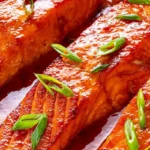
Honey Glazed Keto Salmon
- Total Time: PT25M
- Yield: 4 servings 1x
- Diet: Keto, Dairy-Free
Description
My keto salmon recipe is sweet, savory, and so easy. Just marinate, broil, and enjoy a flavor-packed dinner in under 30 minutes!
Ingredients
- 4 6-oz Salmon fillets
- 3/4 tsp Sea salt
- 1/4 tsp Black pepper
- 1/4 cup Wholesome Yum Zero Sugar Honey
- 1 tbsp Coconut aminos
- 1 tbsp Olive oil
- 1/2 tsp Smoked paprika
- 1/2 tsp Garlic powder
- 1/2 tsp Ground ginger (optional)
Instructions
- Step: Preheat the oven to the Broil setting (typically 500 degrees F or 260 degrees C ).
- Step: Pat the salmon fillets dry with paper towels. Season both sides with salt and pepper.
- Step: In a large bowl, whisk together the keto honey, coconut aminos, olive oil, smoked paprika, garlic powder, and ground ginger.
- Step: Add the salmon to the bowl and turn the pieces to coat in glaze. Marinate for at least 10 minutes, or up to 1 hour. When time is up, turn the salmon pieces in the marinade again to coat well.
- Step: Place the salmon in a large baking dish, with spaces between the fillets. Brush any glaze left in the bowl over the top of the fish.
- Step: Broil keto salmon in the oven, about 6 inches from the heating element, for 10-12 minutes, until it flakes easily with a fork. The internal temperature should reach 135-140 degrees F (57-60 degrees C).
Notes
Store leftovers in an airtight container in the fridge for 3-4 days. Nutrition info does not include optional ground ginger.
- Prep Time: PT15M
- Cook Time: PT10M
- Category: Main Course
- Method: Broil
- Cuisine: American
Nutrition
- Serving Size: 1 fillet
- Calories: 292 kcal
- Sugar: 0.8 g
- Sodium: 520 mg
- Fat: 14.3 g
- Saturated Fat: 2.5 g
- Unsaturated Fat: 11.8 g
- Trans Fat: 0 g
- Carbohydrates: 7.3 g
- Fiber: 6.2 g
- Protein: 33.9 g
- Cholesterol: 95 mg
Keywords: keto salmon, keto dinner, low carb salmon, sugar free honey glaze