Transform your standard salmon fillets into restaurant-quality meals with these five versatile Asian-inspired marinades. Designed for convenience, these recipes are perfect for immediate cooking or can be prepped in advance and stored in the freezer for busy weeknights. Whether you prefer sweet glazes or spicy, citrus-forward profiles, these options offer something for every palate.
List of ingredients
- 5 salmon fillets (180g/6oz each)
- 1 tbsp soy sauce
- 2 tsps brown sugar
- 1 tsp rice vinegar
- 1 tsp olive oil
- 4 cloves garlic, minced
- 1/2 tsp ginger, grated
- 1/4 tsp salt and pepper
- 1 tbsp mayonnaise
- 1 tbsp sriracha
- 1 tbsp honey
- 1 tsp olive oil
- 1/4 tsp paprika
- 1 stalk lemongrass, minced
- 1/2 shallot, minced
- 1 tsp fish sauce
- 1 tsp vegetarian oyster sauce
- 1 tsp brown sugar
- 1 tsp vegetable oil
- 1 tsp sesame oil
- 1 tsp lime juice
- 1 tsp lime zest
- 1 Thai bird’s eye chilli, minced
step-by-step instructions
- Prepare Marinade: Choose your preferred flavor profile and combine all specific marinade ingredients in a bowl.
- Marinate: Place a salmon fillet into your chosen container and pour the marinade over it, ensuring it is evenly coated.
- Rest or Store: Allow the salmon to marinate for at least 5 minutes, or refrigerate for longer periods. If freezing, store the container immediately.
- Air Frying: Preheat the air fryer to 180°C (350°F). Place the marinated salmon on a lined rack and cook for 12-15 minutes until fully cooked.
- Baking: Preheat the oven to 180°C (350°F). Place the marinated salmon on a lined baking sheet and bake for 15-20 minutes until the fish flakes easily with a fork.
Marinade Composition Logic
Balancing Acids and Fats
Acids like rice vinegar or lime juice serve to tenderize the proteins, allowing flavors to penetrate deeper into the flesh. Pairing these with oils, such as olive or sesame, creates a barrier that prevents the fish from drying out during the intense heat of baking or air frying. This delicate balance ensures the fish remains moist while effectively highlighting the aromatic ingredients.
Selecting Optimal Aromatics
Garlic, ginger, and shallots act as the structural flavor foundation for these marinades. When mincing these ingredients, aim for a fine texture to ensure the oils can extract their volatile compounds efficiently. These aromatics caramelize slightly during the cooking process, adding complex, savory depth to the exterior of the fillet without overpowering the natural taste of the salmon.
Practical Preparation Strategies
Efficient Batch Freezing
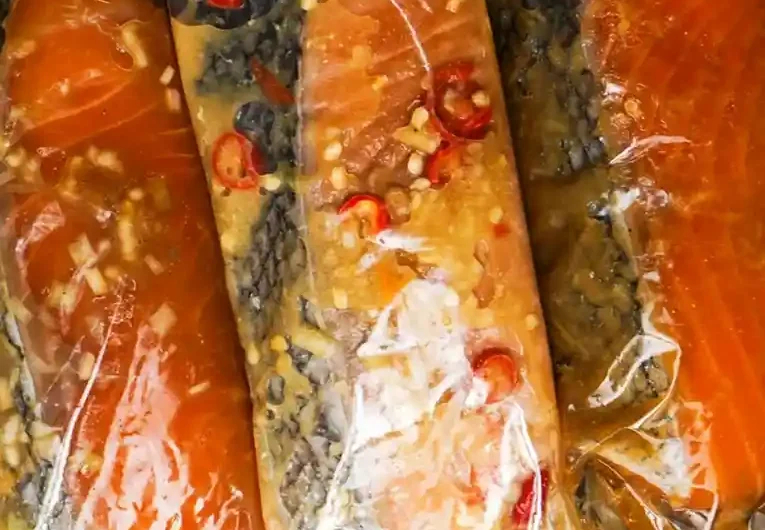
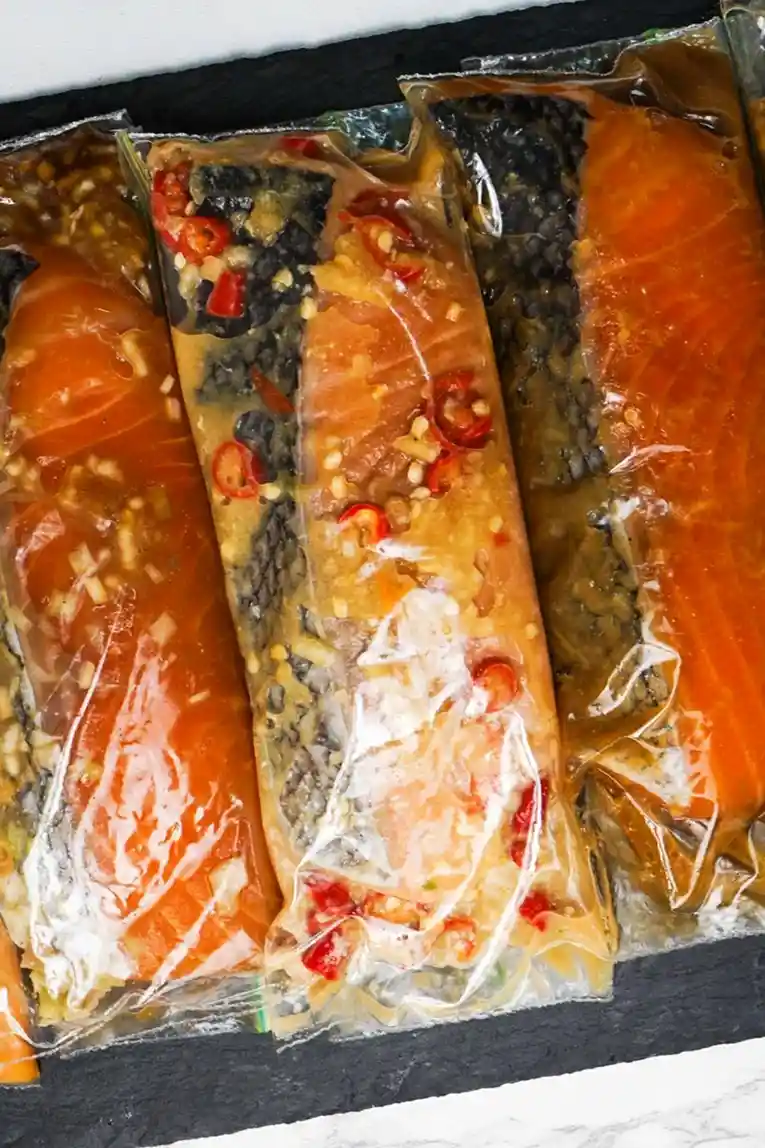
To maximize efficiency, place your salmon and the marinade inside individual freezer-safe bags. Gently press the air out to minimize freezer burn and lay them flat in the freezer to save significant space. This method also allows the fish to thaw rapidly in the refrigerator, as the increased surface area helps maintain a consistent temperature throughout the fillet.
Preventing Over-Marinating
While the goal is flavor, be cautious of leaving fish in highly acidic marinades for more than twelve hours. The enzymes in the acid can begin to break down the delicate fish fibers, potentially leading to a texture that is less firm when cooked. If you are planning to store the fish for longer periods, freezing is a superior alternative to keeping it in the refrigerator, as the freezing process halts the breakdown of the proteins while preserving the integrity of the herbs and spices.
Refining Your Cooking Technique
Achieving The Perfect Char
If you desire a slightly charred exterior on your glazed salmon, you can finish the fish under a broiler for the final sixty seconds of cooking. Keep a close watch during this phase, as the sugars in ingredients like honey or mirin can burn quickly. A light golden-brown finish provides a pleasant contrast to the soft, succulent interior of the properly cooked fish.
Monitoring Internal Temperature
Using a digital thermometer is the most reliable way to ensure your salmon is cooked to perfection. Target an internal temperature of 52°C to 54°C (125°F to 130°F) for a medium-well finish. Once removed from the heat, the residual temperature will continue to rise slightly, resulting in a perfectly moist and flaky texture.
Serving Suggestions
Pairing with Whole Grains
These flavorful salmon dishes pair exceptionally well with neutral bases like steamed jasmine rice or quinoa, which absorb the excess sauce. For a lower carbohydrate option, consider serving the fillets atop a bed of cauliflower rice or sautéed bok choy. The subtle earthiness of these sides balances the intense, savory profiles of the soy and fish sauce-based marinades.
Adding Fresh Texture
Contrast the rich, cooked fish with fresh, crisp accompaniments such as cucumber slices, shredded carrots, or a light cilantro lime slaw. Adding fresh herbs like Thai basil or chopped green onions immediately before serving introduces a bright, fresh note that lifts the heavier flavor profiles of the glazes. This combination of textures ensures a more satisfying and complete dining experience.
Frequently Asked Questions
Can I reuse the leftover marinade after cooking?
It is not recommended to use the marinade that has been in contact with raw fish for a sauce, as it may contain harmful bacteria. If you want extra sauce for serving, make a double batch and keep one portion in a separate container before adding it to the salmon.
How do I know if the salmon is fully cooked?
The easiest indicator is using a fork to gently press into the thickest part of the fillet; if the flesh flakes easily along the natural lines, it is ready. If the fish remains translucent or resists flaking, return it to the heat for another two minutes.
Are there alternatives for soy sauce?
If you prefer to avoid soy, you can substitute it with coconut aminos, which provides a similar savory depth with slightly more sweetness. You may need to adjust the amount of added sugar in the recipe slightly, as coconut aminos are naturally a bit milder in saltiness than traditional soy sauce.
What is the best way to handle lemongrass?
To prepare lemongrass, discard the tough outer layers and the woody stem end, then finely mince only the tender, pale-colored core. If you find the texture too fibrous, you can bruise the stalks and steep them in the oil briefly before mixing, then strain out the pieces to ensure a smooth mouthfeel.
Print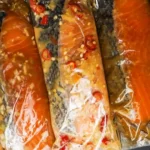
Top 5 Asian-Inspired Salmon Marinades
- Total Time: PT30M
- Yield: 5 servings 1x
- Diet: Pescatarian
Description
Elevate weekday meals with these top 5 Asian-inspired salmon marinades! These freezer-friendly recipes offer a variety of flavors ranging from zesty and spicy to sweet and savory, making healthy dinner prep quick and easy.
Ingredients
- 5 salmon fillets (180g/6oz each)
- 1 tbsp soy sauce
- 2 tsps brown sugar
- 1 tsp rice vinegar
- 1 tsp olive oil
- 4 cloves garlic, minced
- 1/2 tsp ginger, grated
- 1/4 tsp salt and pepper
- 1 tbsp mayonnaise
- 1 tbsp sriracha
- 1 tbsp honey
- 1 tsp olive oil
- 1/4 tsp paprika
- 1 stalk lemongrass, minced
- 1/2 shallot, minced
- 1 tsp fish sauce
- 1 tsp vegetarian oyster sauce
- 1 tsp brown sugar
- 1 tsp vegetable oil
- 1 tsp sesame oil
- 1 tsp lime juice
- 1 tsp lime zest
- 1 Thai bird’s eye chilli, minced
Instructions
- Prepare Marinade: Choose your preferred flavor profile and combine all specific marinade ingredients in a bowl.
- Marinate: Place a salmon fillet into your chosen container and pour the marinade over it, ensuring it is evenly coated.
- Rest or Store: Allow the salmon to marinate for at least 5 minutes, or refrigerate for longer periods. If freezing, store the container immediately.
- Air Frying: Preheat the air fryer to 180°C (350°F). Place the marinated salmon on a lined rack and cook for 12-15 minutes until fully cooked.
- Baking: Preheat the oven to 180°C (350°F). Place the marinated salmon on a lined baking sheet and bake for 15-20 minutes until the fish flakes easily with a fork.
Notes
These marinades are freezer-friendly; you can prepare them in advance and store them in airtight containers or freezer bags. Adjust cooking times based on the thickness of your salmon fillets.
- Prep Time: PT10M
- Cook Time: PT20M
- Category: Dinner
- Method: Baking, Air Frying
- Cuisine: Asian
Nutrition
- Serving Size: 1 fillet
- Calories: 280 kcal
- Sugar: 4g
- Sodium: 450mg
- Fat: 12g
- Saturated Fat: 2g
- Unsaturated Fat: 8g
- Trans Fat: 0g
- Carbohydrates: 8g
- Fiber: 1g
- Protein: 34g
- Cholesterol: 80mg
Keywords: salmon, asian marinade, freezer-friendly, seafood, dinner, air fryer, baked salmon