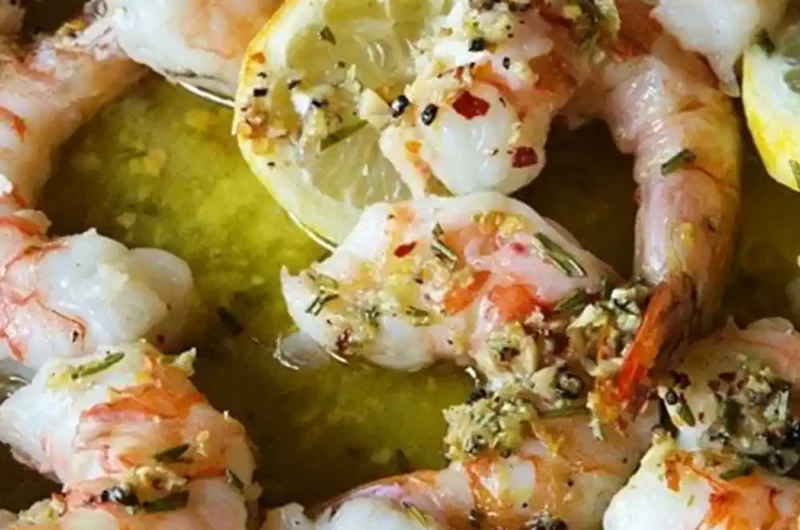
When you need an elegant dinner that requires minimal effort and time, this roasted shrimp technique is the ultimate solution. By utilizing a high-heat oven, you can achieve perfectly succulent shrimp with a delicate caramelization that pan-searing often fails to capture. This method simplifies cleanup significantly while delivering professional, restaurant-quality results directly from your home kitchen.
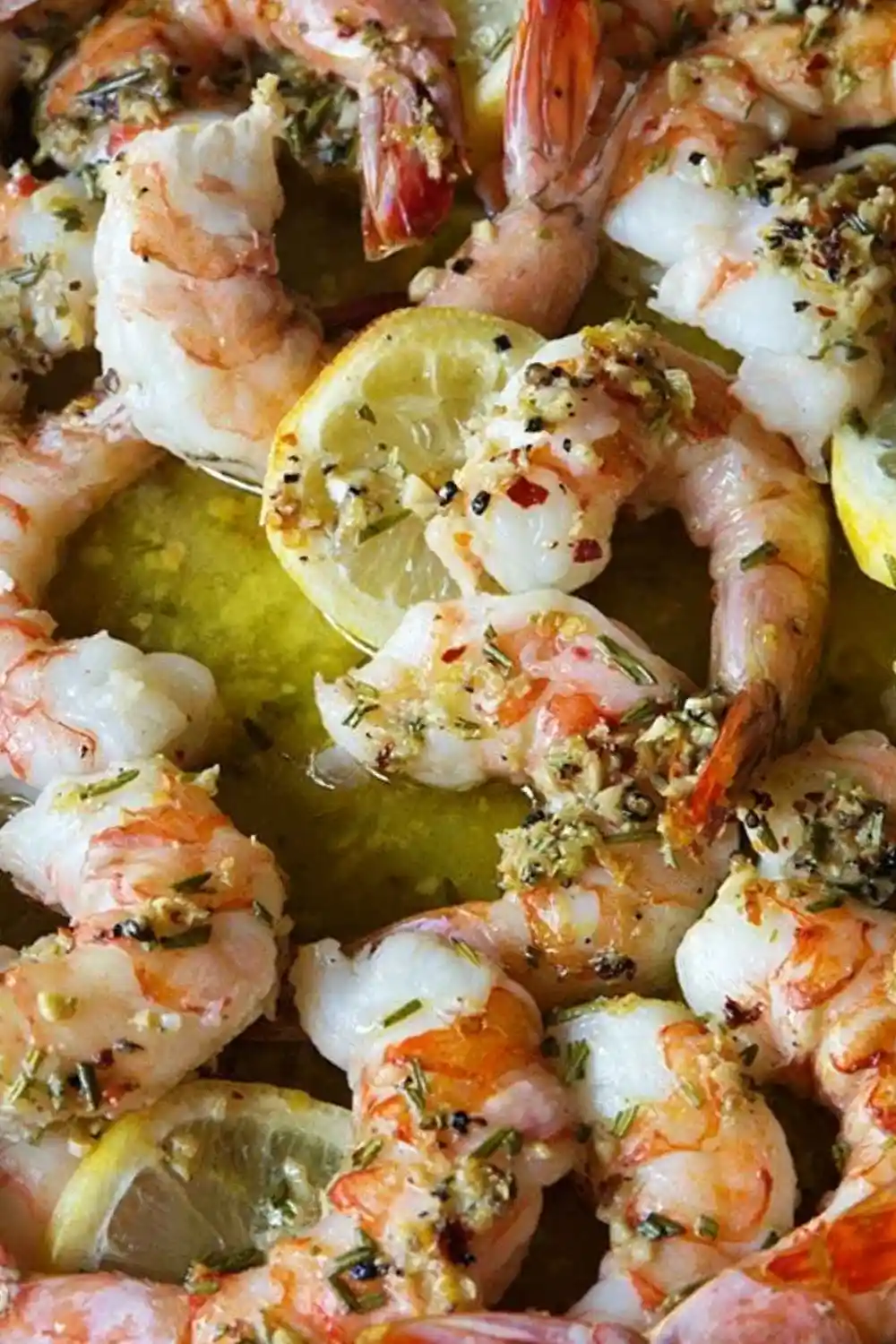
List of ingredients
- 1 1/2 pounds large shrimp, peeled and deveined
- 1 tablespoon olive oil
- 1 teaspoon kosher salt
- 1/2 teaspoon freshly ground black pepper
- 1 tablespoon freshly squeezed lemon juice (optional)
- 1 teaspoon minced garlic (optional)
- 1 tablespoon chopped parsley (optional)
- Lemon wedges (optional)
step-by-step instructions
- Step: Preheat the oven to 400°F (200°C) and line a sheet pan with parchment paper or foil.
- Step: Pat the shrimp dry with paper towels to remove excess moisture.
- Step: In a mixing bowl, toss the shrimp with olive oil, salt, pepper, and optional garlic or lemon juice until well coated.
- Step: Spread the shrimp in a single layer on the prepared sheet pan, ensuring they do not overlap.
- Step: Bake for 8–10 minutes, or until the shrimp are opaque and just curled.
- Step: Remove from the oven, sprinkle with fresh parsley and a squeeze of lemon if desired, and serve immediately.
Refining Your Roasting Technique
Maintaining Proper Heat Levels
The success of this dish relies entirely on a hot oven environment that triggers the Maillard reaction on the surface of the shrimp. If your oven temperature drops too low, the shrimp will release their liquid before they can develop any color, leading to a rubbery and unappealing final texture. Always allow your oven to reach the full 400°F before sliding the pan onto the center rack.
Preventing Overcrowding on the Pan
Air circulation is the secret to getting a light char on your shrimp rather than a boiled consistency. If you force too many shrimp onto a single sheet pan, they will trap steam, causing them to cook unevenly and stay pale. If you are doubling the recipe, use two separate sheet pans and rotate their positions halfway through the cooking process to ensure consistent heat distribution.
Selecting the Best Shrimp Size
Large or jumbo shrimp are significantly more forgiving when roasted at high temperatures compared to small or salad-sized shrimp. Larger crustaceans have more structural integrity, which helps them remain juicy even if they are left in the heat for an extra minute or two. Always try to buy uniform sizes so that the entire batch finishes cooking at the exact same time.
Flavor Enhancements and Substitutions
Incorporating Aromatics and Dried Spices
While the basic salt and pepper combination is undeniably classic, you can easily adapt the flavor profile to match your specific meal needs. Dried oregano or thyme works beautifully for a Mediterranean flare, while a pinch of smoked paprika can add a subtle depth that pairs well with hearty grains. If you choose to use fresh herbs, add them immediately after roasting so they retain their bright color and aromatic intensity rather than wilting in the oven.
Alternative Finishing Fats
Swapping the olive oil for high-quality avocado oil or a small amount of melted clarified butter can alter the final mouthfeel of the dish. Clarified butter is especially useful if you want to create a rich, golden finish that resembles classic butter-poached seafood. Only use a small amount of fat, as too much oil can pool on the parchment paper and result in overly greasy shrimp.
Serving Suggestions for a Complete Meal
Pairing with Starchy Foundations
Roasted shrimp are highly versatile and serve as an excellent protein anchor for various bases like fluffy jasmine rice, lemon-infused couscous, or creamy polenta. If you are preparing a quick weeknight dinner, toss the hot shrimp directly into a bowl of al dente linguine with a splash of the remaining juices from the pan. This effectively creates a light, instant sauce that coats the pasta perfectly without requiring a heavy cream base.
Building Balanced Salad Plates
Allow the shrimp to cool for a few minutes before adding them to a bed of crisp arugula, chilled cucumber slices, or baby kale. The acidity from the lemon used during the roasting process acts as a bridge to the greens, meaning you will need very little extra dressing to tie the bowl together. These salads are ideal for warm-weather lunches or light dinners where you want substantial protein without a heavy feeling.
Storage and Reheating Strategies
Managing Leftover Seafood
To preserve the quality of your shrimp, move any leftovers to an airtight storage container as soon as they have reached room temperature. Storing them in a tightly sealed environment prevents them from drying out in the refrigerator’s circulating air. When handled correctly, the cooked shrimp will maintain their structural integrity for up to two days, though they are always best consumed as close to the original cooking time as possible.
Reviving the Texture During Reheating
The goal when reheating shrimp is to warm them through without letting the internal temperature rise to the point of turning them into rubber. The most effective method is to use a non-stick skillet over very low heat with a tiny teaspoon of water or broth, which creates a gentle steam environment. Avoid the microwave whenever possible, as the intense, uneven waves will almost certainly overcook the proteins and ruin the delicate finish achieved during the initial roasting.
Common Questions Regarding Preparation
How do you verify if the shrimp is fully cooked?
You can identify perfectly cooked shrimp by their physical appearance and their shape; they should be opaque throughout, firm when gently pressed, and curled into a clear ‘C’ shape. If the shrimp have curled into tight ‘O’ shapes, they have likely moved past the point of ideal texture and are beginning to become overcooked. Use a quick-read thermometer if you are unsure, aiming for an internal temperature of about 120°F to 130°F for the best results.
Why is it necessary to devein the shrimp?
Deveining removes the digestive tract, which can sometimes contain sand or grit that detracts from the clean flavor of the shellfish. While this does not impact the cooking speed, it is essential for the overall quality of the dish. Most grocers sell shrimp that are pre-deveined, which is a significant time-saver, but always double-check the underside of the shrimp before seasoning them to ensure no small pieces remain.
Can I add vegetables to the same sheet pan?
Yes, roasting vegetables alongside your shrimp is a practical way to manage your time, but you must choose vegetables that cook in the same 8 to 10-minute window. Thinly sliced asparagus, cherry tomatoes, or bite-sized pieces of bell pepper work excellently as they soften and release their sugars within the short timeframe required for the shrimp. Simply arrange them in the empty spaces on the pan, ensuring they are also in a single layer to avoid any issues with steam.
Print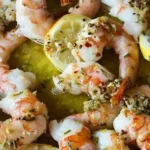
Ina Garten Sheet Pan Roasted Shrimp
- Total Time: 20 minutes
- Yield: 4 servings 1x
- Diet: Pescatarian
Description
Ina Garten’s Sheet Pan Roasted Shrimp is a straightforward method of cooking large shrimp by tossing them with olive oil, salt, pepper, and sometimes garlic or lemon, then roasting them in a single layer in a hot oven. Roasting brings out the natural sweetness of the shrimp and gives them a slightly caramelised edge without overcooking.
Ingredients
- 1 1/2 pounds large shrimp, peeled and deveined
- 1 tablespoon olive oil
- 1 teaspoon kosher salt
- 1/2 teaspoon freshly ground black pepper
- 1 tablespoon freshly squeezed lemon juice (optional)
- 1 teaspoon minced garlic (optional)
- 1 tablespoon chopped parsley (optional)
- Lemon wedges (optional)
Instructions
- Step: Preheat the oven to 400°F (200°C) and line a sheet pan with parchment paper or foil.
- Step: Pat the shrimp dry with paper towels to remove excess moisture.
- Step: In a mixing bowl, toss the shrimp with olive oil, salt, pepper, and optional garlic or lemon juice until well coated.
- Step: Spread the shrimp in a single layer on the prepared sheet pan, ensuring they do not overlap.
- Step: Bake for 8–10 minutes, or until the shrimp are opaque and just curled.
- Step: Remove from the oven, sprinkle with fresh parsley and a squeeze of lemon if desired, and serve immediately.
Notes
Values are estimates based on standard preparation. For best results, use large shrimp to ensure they stay juicy. Do not skip drying the shrimp, as this is essential for proper roasting and caramelisation.
- Prep Time: 10 minutes
- Cook Time: 10 minutes
- Category: Appetizer
- Method: Roasting
- Cuisine: American
Nutrition
- Serving Size: 1 serving
- Calories: 180 kcal
- Sugar: 0 g
- Sodium: 620 mg
- Fat: 7 g
- Saturated Fat: 1 g
- Unsaturated Fat: 5 g
- Trans Fat: 0 g
- Carbohydrates: 1 g
- Fiber: 0 g
- Protein: 24 g
- Cholesterol: 190 mg
Keywords: shrimp, roasted shrimp, sheet pan meal, easy dinner, healthy dinner, appetizer, seafood