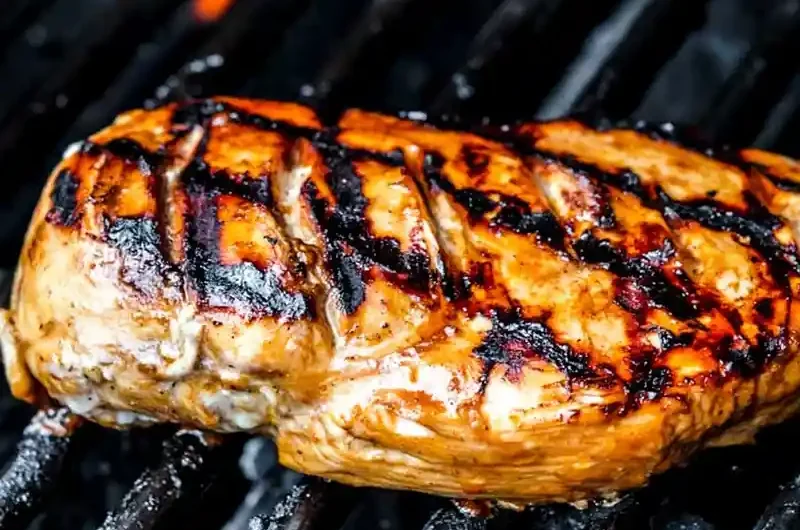
Transforming basic chicken breasts into a succulent, restaurant-quality meal starts with a reliable marinade that builds flavor from the inside out. This easy chicken marinade combines savory depth, a touch of sweetness, and essential acidity to ensure your poultry remains juicy and tender whether it hits the grill or the oven. By allowing the chicken to soak in these bold aromatics, you guarantee a finished dish that is packed with complexity and moist texture in every single bite.
List of ingredients
- 1/4 cup olive oil
- 1/4 cup balsamic vinegar
- 1/4 cup soy sauce
- 2 tablespoons Worcestershire sauce (anchovy-free)
- 2 tablespoons brown sugar, packed
- 1 tablespoon Dijon mustard
- 4 cloves garlic, minced
- 1 teaspoon kosher salt
- 1/2 teaspoon coarse ground black pepper
- 4 chicken breasts, boneless and skinless
step-by-step instructions
- Step: Whisk together olive oil, balsamic vinegar, soy sauce, Worcestershire sauce, brown sugar, Dijon mustard, garlic, salt, and pepper in a small bowl.
- Step: Pour into a ziplock bag with 4 chicken breasts you’ve scored on the top.
- Step: Marinate for 4 hours or overnight in the refrigerator.
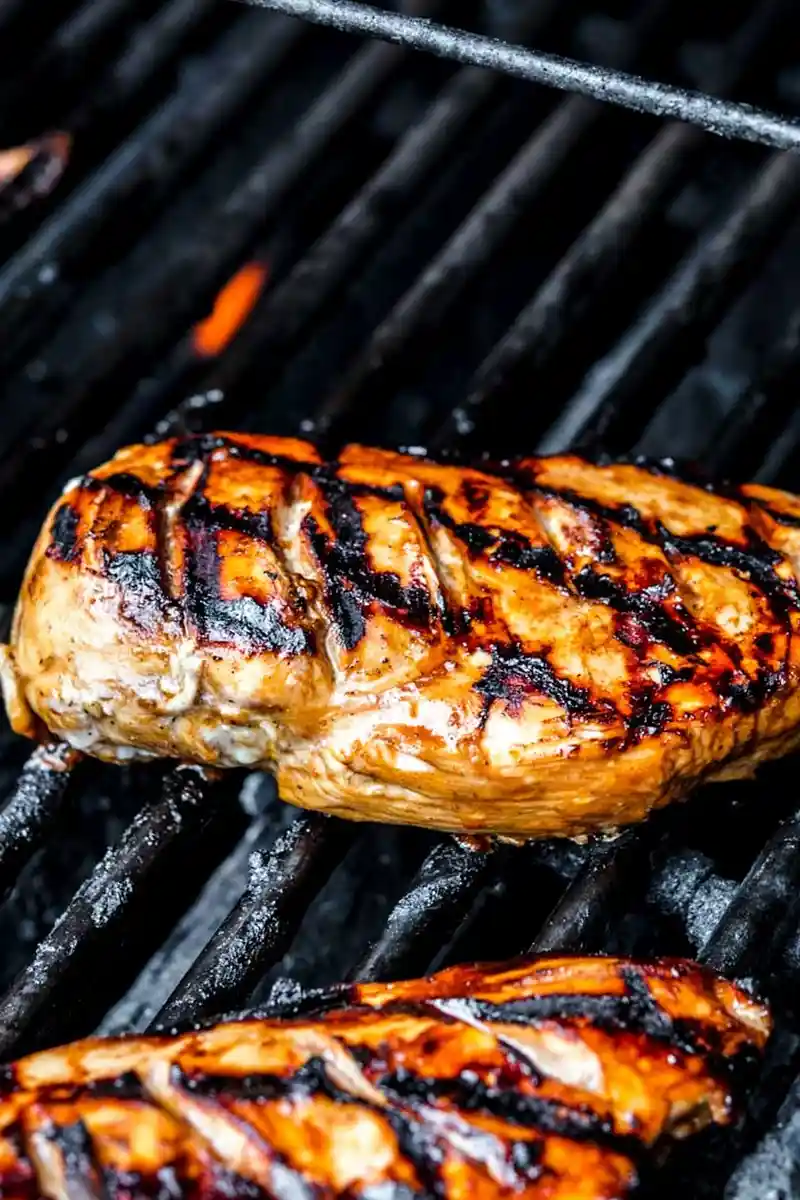
- Step: Grill on medium heat for 6-8 minutes on each side or bake at 375 degrees for 30-35 minutes.
Essential techniques for best results
Mastering the art of scoring meat
Scoring the chicken breasts is a vital step that many home cooks overlook, but it makes a significant difference in how the flavors develop. By creating small surface channels, you allow the balsamic and soy mixture to bypass the protective outer layer of the protein. This method not only speeds up the infusion process but also ensures that even the thickest part of the chicken breast is well-seasoned, preventing blandness in the center of the meat.
Why patience during marination matters
While four hours is the minimum required time to see a benefit, the chemical reaction between the vinegar, mustard, and enzymes takes time to fully soften the connective tissue. If you find your chicken is often tough, extending the time to an overnight soak is a perfect solution. The sugars and aromatics need those extra hours to migrate through the dense muscle fibers, ensuring that the finished product remains tender enough to cut with a fork.
Achieving the perfect internal temperature
The only reliable way to ensure chicken is safe and juicy is by using an instant-read meat thermometer inserted into the thickest part of the breast. Aim for a reading of 165 degrees Fahrenheit; pulling the chicken off the heat just as it hits this number ensures it does not dry out. Since chicken continues to cook for a few minutes after being removed from the heat source due to carry-over cooking, pulling it at 163 degrees is often sufficient for most home chefs.
Customizing your marinade profile
Adjusting the sweetness and acidity
If you prefer a brighter, more vibrant profile, you can substitute a portion of the balsamic vinegar with fresh lemon juice. The citric acid provides a different type of tenderizing power compared to the aged, syrupy nature of balsamic. Likewise, if you want a deeper caramelization on the grill, you can swap the brown sugar for molasses, which adds a distinct earthiness and a darker color to the crust of the chicken.
Infusing herbal notes
While the base recipe is robust, it serves as an excellent canvas for fresh or dried herbs. Fresh rosemary or thyme works beautifully when added to the bag during the marination phase, as the oils in the herbs bloom during the cooking process. If you are using dried herbs, be sure to crush them between your fingers before adding them to the bowl to release their dormant essential oils, which improves the overall aromatic impact.
Incorporating heat for complexity
For those who enjoy a hint of spice, adding a pinch of crushed red pepper flakes or a teaspoon of smoked paprika can transform the character of the dish. Smoked paprika, in particular, adds a depth that mimics the flavor of wood-fired cooking even when the chicken is baked in a standard home oven. Be careful with hot sauces, as they can sometimes alter the texture or acidity level too drastically if added in large quantities.
Serving strategies and side pairings
Complementing with starchy sides
The savory, slightly sweet profile of this chicken pairs exceptionally well with neutral starches that can absorb any extra pan juices. A classic long-grain white rice or a creamy garlic mashed potato serves as a perfect foundation for the chicken. For a more rustic approach, consider serving the chicken alongside roasted root vegetables or a cold quinoa salad, which provides a refreshing contrast to the warm, balsamic-glazed meat.
Building a balanced plate
To round out your meal, think about adding greens that have been lightly sautéed or steamed to cut through the richness of the marinade. Asparagus spears finished with a drizzle of lemon, or simple steamed broccoli, offer a crisp texture that balances the softness of the marinated chicken. The goal is to provide a variety of textures on the plate so that the tender chicken remains the star of the show while the sides provide necessary variety.
Storing and reheating guidelines
Proper refrigeration protocols
Always store leftover chicken in an airtight container to keep it from drying out in the refrigerator. If possible, keep some of the cooking juices or a splash of chicken broth in the container with the meat, which helps prevent oxidation and keeps the fibers hydrated for a longer period. Properly stored, the cooked chicken will maintain its quality for three to four days, making it an excellent candidate for meal-prepping throughout the week.
Reheating without sacrificing texture
The biggest challenge when reheating chicken is avoiding the rubbery texture that often comes with high-heat microwave usage. Instead, gently reheat the chicken in a skillet over low heat with a tablespoon of water or broth, covered, for a few minutes. This process creates steam that re-moistens the meat, effectively reviving the succulence of the breast without cooking it further to the point of dryness.
Freezing for long-term use
You can successfully freeze both raw, marinated chicken and cooked leftovers, though they require different approaches. To freeze raw, place the chicken and marinade into a vacuum-sealed bag or heavy-duty freezer bag, removing all air to prevent freezer burn. Cooked chicken should be sliced or cubed before freezing, allowing you to easily pull individual portions for quick lunches or additions to soups and salads later on.
Frequently asked questions
Can I reuse the leftover marinade?
You should never reuse marinade that has been in contact with raw chicken because it contains harmful bacteria from the meat. If you want to use the liquid as a sauce, you must boil it for several minutes to ensure it is safe, or set aside a portion of the marinade before adding the chicken to the bag. Using a separate, fresh batch for drizzling is always the safest and most flavor-forward approach.
How long can I safely marinate chicken?
While four hours is great, marinating for too long can sometimes result in a mushy texture if the marinade is highly acidic. It is generally recommended to keep the marination time under 24 hours for chicken breasts, as the structural integrity of the meat begins to break down significantly after that. If you need to keep it longer, freezing it in the marinade is a better option, as the marinating process will effectively resume once the meat begins to thaw.
Why does the chicken turn dark during cooking?
The dark color is a result of the combination of soy sauce, balsamic vinegar, and the caramelization of the brown sugar. This is a desirable effect that indicates the development of deep, roasted flavors. If you find the chicken is darkening too quickly on the outside before it is cooked through, consider lowering your cooking temperature and increasing the time, especially when using an oven or a charcoal grill.
Print
Easy Chicken Marinade Recipe
- Total Time: 4 hours 40 minutes
- Yield: 4 servings 1x
- Diet: High-protein
Description
Easy Chicken Marinade is the perfect way to make juicy, tender, flavorful chicken breasts you can make on the grill or in the oven.
Ingredients
- 1/4 cup olive oil
- 1/4 cup balsamic vinegar
- 1/4 cup soy sauce
- 2 tablespoons Worcestershire sauce (anchovy-free)
- 2 tablespoons brown sugar, packed
- 1 tablespoon Dijon mustard
- 4 cloves garlic, minced
- 1 teaspoon kosher salt
- 1/2 teaspoon coarse ground black pepper
- 4 chicken breasts, boneless and skinless
Instructions
- Step: Whisk together olive oil, balsamic vinegar, soy sauce, Worcestershire sauce, brown sugar, Dijon mustard, garlic, salt, and pepper in a small bowl.
- Step: Pour into a ziplock bag with 4 chicken breasts you’ve scored on the top.
- Step: Marinate for 4 hours or overnight in the refrigerator.
- Step: Grill on medium heat for 6-8 minutes on each side or bake at 375 degrees for 30-35 minutes.
Notes
Score the top of the chicken breasts to help the marinade soak in more fully. Ensure the internal temperature of the chicken reaches 165 degrees Fahrenheit before serving.
- Prep Time: 5 minutes
- Cook Time: 35 minutes
- Category: Dinner
- Method: Grilling, Baking
- Cuisine: American
Nutrition
- Serving Size: 1 breast
- Calories: 436 kcal
- Sugar: 9 g
- Sodium: 1811 mg
- Fat: 20 g
- Saturated Fat: 3 g
- Unsaturated Fat: 17 g
- Trans Fat: 0 g
- Carbohydrates: 12 g
- Fiber: 0.4 g
- Protein: 50 g
- Cholesterol: 145 mg
Keywords: chicken marinade, easy chicken, grill, baked chicken