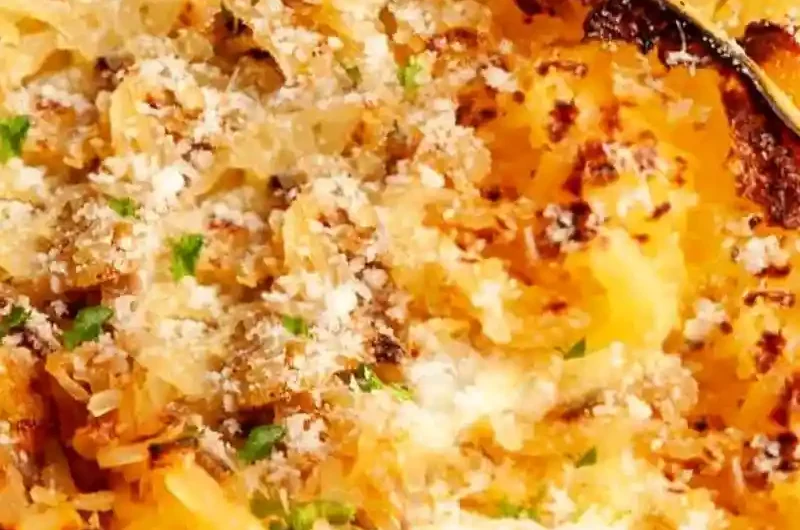
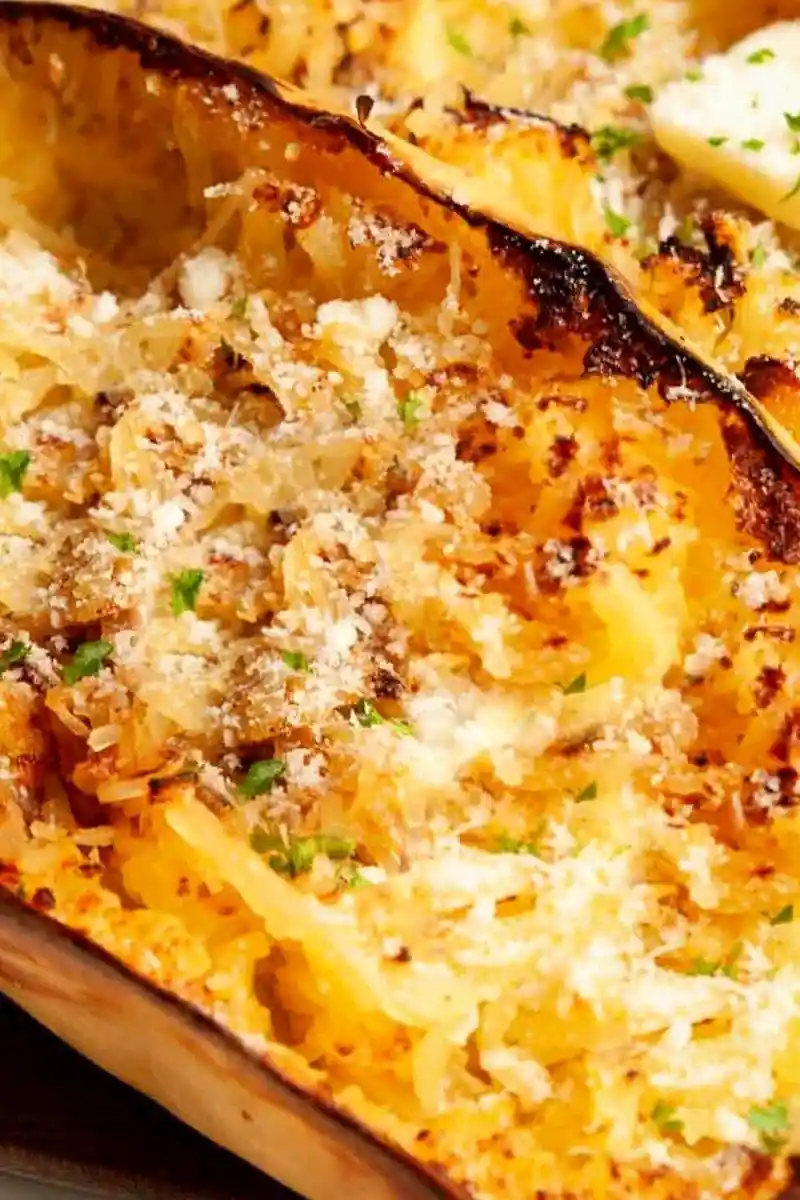
Prepare a healthy, low-carb pasta alternative in just 30 minutes using your air fryer. This method delivers tender, fluffy strands without the long wait of a traditional oven.
List of ingredients
- 1 small spaghetti squash (about 2 pounds) – ensure it fits your air fryer basket.
- 1 tbsp olive oil or avocado oil – used to lock in moisture and aid roasting.
- ½ tsp salt – enhances the natural flavor of the squash.
- ¼ tsp ground black pepper – provides a mild spice.
- ¼ tsp onion powder – adds a savory depth.
- ¼ tsp garlic powder – adds aromatic pungency.
- ¼ tsp paprika (optional) – adds a hint of smokiness and color.
- For Serving: grated parmesan cheese, butter, and/or freshly chopped parsley – for added richness and freshness.
step-by-step instructions
- Preheat: Set your air fryer to 350°F to ensure a consistent cooking environment.
- Prep squash: Wash and dry the squash, then carefully cut it in half lengthwise through the stem. Use a spoon to scoop out all the seeds.
- Season: Drizzle each half with olive oil, then sprinkle with salt, pepper, garlic powder, onion powder, and paprika. Rub the seasonings into the flesh thoroughly to coat every part.
- Air fry: Place the squash halves cut-side up in the air fryer basket. Cook at 350°F for 25–30 minutes, checking for tenderness at the 20-minute mark.
- Fluff: Carefully remove the halves from the basket. Use two forks to scrape and fluff the flesh into noodle-like strands.
- Serve: Top the noodles with parmesan, butter, or parsley. You can also mix in your favorite healthy sauces or proteins.
Optimal Temperature Settings
Why 350°F is the Ideal Temperature
Cooking at 350°F ensures the heat penetrates the center of the squash without burning the surface. This temperature allows the strands to separate cleanly and maintain a tender, fluffy texture. It provides a consistent roast that avoids the common pitfalls of higher heat settings.
Avoiding the Scorch of 375°F
At 375°F, the cut edges of the squash often begin to scorch before the internal flesh is fully cooked. This is especially true for 2-pound squashes where the flesh is closer to the heating element. This can lead to bitter burnt edges while the center remains too firm.
Preventing Mushiness at 400°F
Using 400°F typically results in overcooked outer layers and mushy strands. The high heat creates a stark difference between the scorched exterior and the interior. This destroys the distinct noodle-like structure that makes spaghetti squash a great pasta substitute.
Selecting Your Components
Choosing a 2-Pound Squash
A squash weighing approximately 2 pounds is the optimal size for most standard air fryer baskets. This size ensures the vegetable fits without crowding, allowing air to circulate evenly around the skin. Larger squashes may require cooking one half at a time to avoid uneven roasting.
Oil Options for High Heat
Olive oil is a standard choice for flavor, but avocado oil is an excellent alternative due to its higher smoke point. Using a high-smoke-point oil prevents the oil from breaking down at 350°F. A light coating of oil is essential to prevent the strands from drying out during the air frying process.
Dairy-Free Alternatives to Parmesan
For those avoiding dairy, nutritional yeast is a highly effective substitute for parmesan cheese. It provides a similar nutty, cheesy flavor while remaining plant-based and Whole30 friendly. Simply sprinkle it over the hot strands for an immediate flavor boost.
Customizing Your Spice Blend
While the basic seasoning is savory, you can swap paprika for smoked paprika for a deeper flavor. Adding a pinch of red pepper flakes can introduce a subtle heat to the dish. Italian seasoning is another great option for those wanting a more traditional pasta-style taste.
Pro Preparation Techniques
Softening the Skin Before Slicing
Spaghetti squash has a very tough outer rind that can be dangerous to cut. Microwaving the whole squash for 2 to 3 minutes softens the skin significantly. This makes the lengthwise slice safer and requires less force from the knife.
Ensuring Even Seasoning Coverage
Simply sprinkling spices on top can lead to uneven flavor distribution. Use your fingers to rub the oil and seasoning mixture directly into the flesh. This ensures the spices penetrate the squash and caramelize during the roasting process.
Testing for a Fork-Tender Texture
To check for doneness, pierce the thickest part of the squash flesh with a fork. The fork should slide in with virtually no resistance. If you feel any hardness or resistance, continue cooking in 3 to 5 minute increments.
The Best Way to Scrape Strands
Use two forks simultaneously to scrape the flesh while the squash is still warm. This technique allows you to pull the strands away from the skin more efficiently. Fluffing them immediately prevents the squash from clumping as it cools.
Solving Common Cooking Issues
Fixing Underdone or Crunchy Squash
If the strands feel too crunchy or firm after 25 minutes, simply add 3 to 5 more minutes of cook time. Air fryers vary in power, and denser squashes may need slightly longer. Always re-test with a fork before removing them from the basket.
Managing Excess Moisture in Strands
Overcooked squash can sometimes release too much water, creating a puddle at the bottom of the bowl. To fix this, let the fluffed strands sit in a colander for 2 to 3 minutes before adding sauce. This allows excess liquid to drain away, ensuring the noodles stay firm.
Fitting Large Squash into Small Baskets
If your squash is too large to fit, trim the ends of the vegetable to reduce its length. Alternatively, cook one half at a time to ensure there is enough space for air circulation. Overcrowding the basket can lead to steaming rather than roasting.
Enhancing Bland Flavor Profiles
Blandness usually occurs when the seasoning is only on the surface. Ensure you rub the salt and garlic powder deep into the flesh before cooking. If the finished dish still lacks flavor, toss the strands with a small amount of melted butter or lemon juice.
Creative Serving and Pairing Ideas
Using Squash as a Low-Carb Pasta Base
Replace traditional wheat pasta with these strands for a nutrient-dense meal. They pair perfectly with marinara sauce, pesto, or a simple garlic and olive oil drizzle. The strands hold sauces well without becoming soggy as quickly as some other vegetable substitutes.
Pairing with High-Protein Main Dishes
Serve the squash alongside air-fried shrimp or grilled chicken thighs for a complete dinner. Turkey meatballs in tomato sauce are also an excellent pairing. This combination provides a balance of lean protein and fiber-rich vegetables.
Creating a Rich Garlic-Butter Side
Mix the warm strands with melted butter, minced garlic, and fresh parsley right in the squash shell. This turns the vegetable into a decadent side dish that complements roasted meats. For extra richness, add a handful of freshly grated parmesan cheese.
Adding Fresh Mediterranean Accents
For a lighter flavor, drizzle the cooked strands with extra virgin olive oil and fresh lemon juice. Pair this with a side of chickpeas or a cucumber and tomato salad. This approach highlights the natural sweetness of the squash with bright, acidic notes.
Organizing Healthy Meal Prep Bowls
Spaghetti squash is an ideal grain-free base for weekly meal prep. Portion the fluffed noodles into containers and top with roasted vegetables and a protein like baked salmon. Keep the sauce on the side to maintain the texture of the noodles until reheating.
Long-Term Storage and Reheating
Safe Refrigeration Practices
Store cooked and fluffed strands in an airtight container in the refrigerator for up to 3 to 4 days. Allow the squash to cool completely before sealing the lid to prevent condensation. This prevents the squash from becoming watery during storage.
Freezing Instructions for Bulk Prep
Cooked spaghetti squash can be frozen for up to 3 months in a freezer-safe bag. Flatten the bag before freezing to save space and allow for faster, more even thawing. Thaw the squash in the refrigerator overnight before reheating.
Efficient Reheating in the Air Fryer
To maintain the best texture, reheat the squash in the air fryer at 300°F for 3 to 5 minutes. This helps evaporate any excess moisture that accumulated during refrigeration. If using a microwave, heat for 1 to 2 minutes and blot with a paper towel if watery.
Preparing Squash in Advance
You can cook and fluff the squash up to three days before your planned meal. Store the noodles plain without sauce to preserve their structure. Simply reheat and add your desired toppings or sauces just before serving.
Common Questions
How long does it take to cook spaghetti squash in the air fryer?
A standard 2-pound squash typically takes 25 to 30 minutes at 350°F. You should start checking for doneness around the 20-minute mark to avoid overcooking.
What temperature should I use?
The best temperature is 350°F. This provides the best balance between tender internal strands and lightly caramelized edges without scorching the vegetable.
Can I cook a whole spaghetti squash in the air fryer?
While possible, it takes significantly longer (35 to 45 minutes) and results in uneven cooking. Halving the squash is recommended for faster results and easier seasoning.
How do I store leftovers?
Place fluffed strands in an airtight container and refrigerate for 3 to 4 days. For longer storage, use a freezer-safe bag for up to 3 months.
Can I freeze air fryer spaghetti squash?
Yes, you can freeze cooked and fluffed strands. Ensure they are cooled completely before freezing and thaw them in the fridge before reheating for the best texture.
Print
Air Fryer Spaghetti Squash
- Total Time: 30 minutes
- Yield: 4 servings 1x
- Diet: Low-carb, Gluten-free, Paleo, Whole30
Description
Air fryer spaghetti squash turns tender and fluffy in just 25 minutes at 350°F — half the time of the oven, with cleaner strands and no messy roasting pan. Serve the low-carb “noodles” with marinara, butter and parmesan, or your favorite protein for a healthy dinner or side.
Ingredients
- 1 small spaghetti squash (about 2 pounds)
- 1 tbsp olive oil or avocado oil
- ½ tsp salt
- ¼ tsp ground black pepper
- ¼ tsp onion powder
- ¼ tsp garlic powder
- ¼ tsp paprika (optional)
- grated parmesan cheese, butter, and/or freshly chopped parsley for serving
Instructions
- Preheat: Set your air fryer to 350°F.
- Prep squash: Wash and dry the squash, then carefully cut in half lengthwise (through the stem). Scoop out the seeds with a spoon.
- Season: Drizzle each half with olive oil, then sprinkle with salt, pepper, garlic powder, onion powder, and paprika. Rub into the flesh to coat evenly.
- Air fry: Place squash halves cut-side up in the basket. Cook at 350°F for 25–30 minutes, checking around 20 minutes, until fork-tender.
- Fluff: Remove from the air fryer. Use two forks to scrape and fluff the strands into noodles.
- Serve: Top with parmesan, butter, or parsley.
Notes
If the squash is too hard to slice, microwave it whole for 2-3 minutes to soften. For the best texture, scrape and fluff the strands while the squash is still warm.
- Prep Time: 5 minutes
- Cook Time: 25 minutes
- Category: Dinner, Lunch, Side
- Method: Air Frying
- Cuisine: American
Nutrition
- Serving Size: 1 cup
- Calories: 106 kcal
- Sugar: 5 g
- Sodium: 332 mg
- Fat: 5 g
- Saturated Fat: 1 g
- Unsaturated Fat: 4 g
- Trans Fat: 0 g
- Carbohydrates: 16 g
- Fiber: 4 g
- Protein: 2 g
- Cholesterol: 0 mg
Keywords: air fryer spaghetti squash, low-carb pasta substitute, healthy dinner side, gluten-free