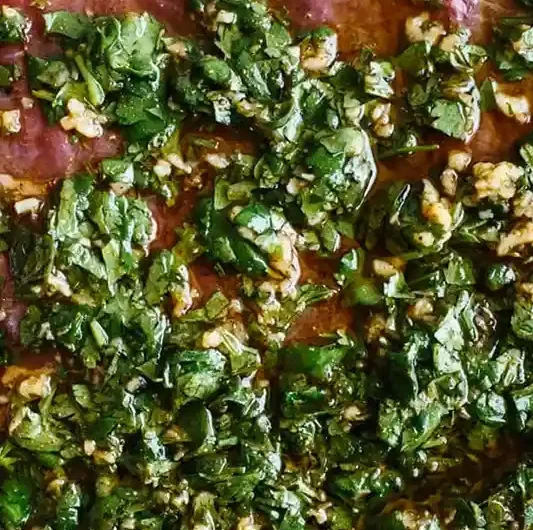
This zesty marinade infuses steak with classic Mexican flavors using fresh citrus and aromatic herbs. It is a simple preparation that ensures your grilled meat remains juicy and flavorful.
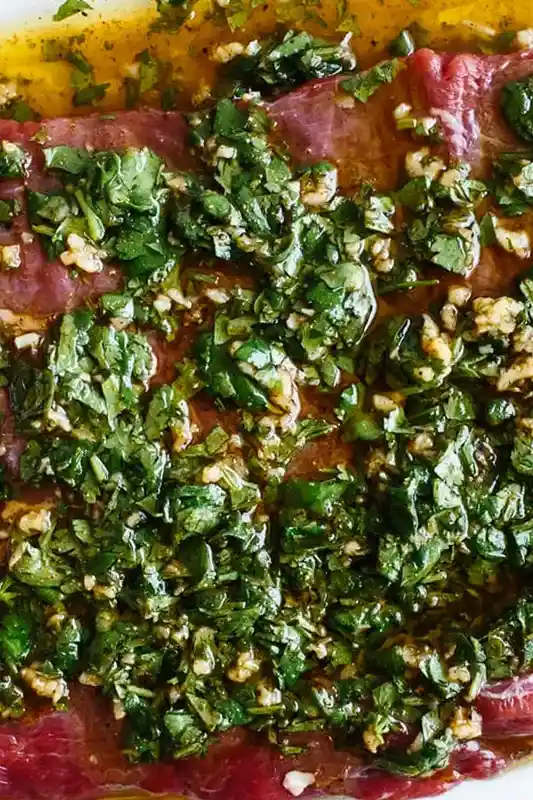
List of ingredients
- 1/3 cup olive oil – provides necessary moisture and fat for high-heat searing.
- 3 limes, juiced (about 6 tablespoons) – adds the acidity required to tenderize the meat fibers.
- 1/2 cup fresh cilantro, chopped – delivers a bright, herbal note to the overall flavor.
- 4 garlic cloves, minced – adds a pungent, savory depth to the marinade.
- 1 teaspoon cumin powder – provides an earthy, warm aroma typical of Mexican cuisine.
- 1/2 teaspoon chili powder – adds a mild spice and a rich reddish color.
- Salt and pepper, to taste – essential for enhancing the natural flavors of the beef.
step-by-step instructions
- Mix the marinade: Whisk the olive oil, lime juice, chopped cilantro, minced garlic, cumin, and chili powder in a small mixing bowl. Ensure all spices are fully incorporated and the oil is well blended.
- Coat the meat: Place your chosen steak in a glass or ceramic baking dish. Pour the marinade over the beef, turning the meat to ensure every surface is evenly and thoroughly coated.
- Marinate and chill: Cover the dish tightly with plastic wrap to prevent odors from escaping and keep the meat fresh. Refrigerate for 1 to 4 hours before grilling to allow the flavors to penetrate the meat.
Selecting the Best Beef Cuts
Flank Steak
Flank steak is a lean, flat cut taken from the abdominal muscles. It has a very coarse grain, which allows the lime juice and spices to penetrate deeply into the meat. For the best texture, always slice this cut thin and against the grain.
Skirt Steak
Skirt steak is thinner and has a higher fat content than flank steak, leading to more intense flavor. It is the traditional choice for authentic carne asada because it chars quickly and remains juicy. Be sure to trim any excessively thick layers of silver skin before marinating.
Sirloin Tip
Sirloin tip is a leaner option that works well for those who prefer less fat in their meat. While it is slightly tougher than skirt steak, the acidic lime juice in this marinade helps break down the connective tissues. It is best grilled to medium-rare to avoid drying out.
Hanger Steak
Hanger steak is often called the butcher’s steak and has a rich, beefy flavor. It possesses a unique grain that holds onto the cilantro and garlic very effectively. Like flank steak, it must be sliced perpendicularly to the muscle fibers for tenderness.
Tri-Tip
Tri-tip is a thicker cut that provides a more substantial steak experience. Because of its thickness, you may want to increase the marinating time to the full four hours. It responds well to a combination of high-heat searing and slower indirect cooking.
Customizing Your Flavor Profile
Incorporating Citrus for Sweetness
To add a layer of sweetness, replace one lime with the juice of a fresh orange. The natural sugars in the orange juice help create a caramelized crust on the grill. This creates a balanced sweet and sour profile that complements the earthy cumin.
Increasing the Heat Level
If you prefer a spicier steak, add a teaspoon of cayenne pepper or a finely diced habanero pepper to the mix. You can also substitute the mild chili powder with chipotle powder for a smoky, spicy kick. Adjust the quantity based on your heat tolerance.
Adding Smoky Depth
To achieve a smokier flavor without a charcoal grill, add a pinch of smoked paprika to the marinade. A small drop of liquid smoke can also be whisked in for a campfire taste. This is especially useful when using an indoor grill or a stovetop cast-iron skillet.
Enhancing the Umami Profile
Adding a tablespoon of Worcestershire sauce can deepen the savory notes of the beef. The fermented qualities of the sauce interact with the garlic and cumin to create a more complex taste. This addition works particularly well with leaner cuts like sirloin.
Fresh Herb Variations
While cilantro is traditional, adding a small amount of chopped flat-leaf parsley can add a different dimension of freshness. Some prefer adding a hint of oregano to lean into a more Mediterranean-Mexican fusion style. Keep the ratios small so the cilantro remains the dominant herb.
Professional Grilling Techniques
Achieving a High-Heat Sear
For the best crust, heat your grill to high temperature, ideally between 400 and 500 degrees Fahrenheit. Place the steak on the hottest part of the grate to trigger the Maillard reaction. This creates the charred, caramelized exterior that defines great carne asada.
Managing Grill Temperature
Avoid overcrowding the grill, as this lowers the temperature and causes the meat to steam rather than sear. If the fat from the skirt steak causes flare-ups, move the meat to a cooler zone of the grill. Use tongs to flip the meat only once or twice to maintain a steady sear.
Determining Doneness
Use an instant-read meat thermometer to ensure the steak is cooked to your preference. For medium-rare, aim for an internal temperature of 130 to 135 degrees Fahrenheit. Overcooking carne asada can make the lean cuts tough and chewy.
The Importance of Resting
Allow the steak to rest on a cutting board for 5 to 10 minutes before slicing. Resting allows the juices to redistribute throughout the meat instead of running out on the board. This ensures every bite is moist and flavorful.
Slicing Across the Grain
Identify the direction of the muscle fibers, which look like long lines running through the meat. Use a sharp knife to slice perpendicular to these lines. This shortens the fibers, making the meat much easier to chew.
Serving Ideas and Pairings
Authentic Street Tacos
Dice the grilled steak into small cubes and serve in warm corn tortillas. Top with finely chopped white onion, fresh cilantro, and a squeeze of lime. Serve with a side of spicy salsa verde for a traditional experience.
Carne Asada Loaded Fries
Place a bed of crispy french fries on a platter and top them with sliced steak. Add melted Monterey Jack cheese, diced jalapeños, and a drizzle of sour cream. This creates a hearty, modern twist on the classic beef dish.
Fresh Steak Salads
Slice the steak thinly and place it over a bed of Romaine lettuce and baby spinach. Add diced avocado, corn, black beans, and cherry tomatoes. Use a small amount of the leftover marinade, whisked with extra lime, as a dressing.
Beef Burrito Bowls
Combine the steak with cilantro-lime rice, black beans, and sautéed bell peppers. Add a scoop of guacamole and a dollop of Greek yogurt or sour cream. This provides a balanced meal with protein, healthy fats, and complex carbohydrates.
Grilled Vegetable Platters
Pair the meat with grilled zucchini, bell peppers, and red onions. Brush the vegetables with the same olive oil and lime base used in the marinade. This creates a cohesive flavor profile across the entire meal.
Storage and Food Safety
Maximum Marinating Duration
Do not marinate the meat for longer than 24 hours. The high acidity of the lime juice will eventually begin to break down the protein structure too much, resulting in a mushy texture. For most cuts, 2 to 4 hours is the sweet spot for flavor and texture.
Safe Container Selection
Always use glass, ceramic, or food-grade stainless steel containers for marinating. Avoid using aluminum trays, as the acidic lime juice can react with the metal and impart a metallic taste to the meat. Plastic bags are also acceptable if they are BPA-free and leak-proof.
Handling Leftover Marinade
Never use the leftover marinade that has touched raw meat as a sauce unless it is boiled first. To avoid this, reserve a small portion of the marinade in a separate jar before adding the steak. This reserved portion can be used as a fresh dressing for salads.
Refrigeration Requirements
Keep the meat in the refrigerator at all times during the marinating process. Never marinate meat on the kitchen counter, as this allows the beef to enter the danger zone where bacteria grow rapidly. Take the meat out only when you are ready to grill.
Freezing Marinated Meat
You can place the steak and marinade in a vacuum-seal bag and freeze them together. The meat will marinate as it thaws in the refrigerator over 24 hours. This is a convenient way to prep meals in advance for the week.
Troubleshooting Common Issues
Meat is Too Tough
Toughness usually results from slicing the meat with the grain instead of across it. If the meat is still tough, ensure you are using the correct cut, like skirt or flank. You can also try increasing the marinating time to the full four hours.
Marinade Not Adhering
If the marinade seems to slide off the meat, pat the steak dry with paper towels before applying the mixture. This removes surface moisture that can act as a barrier. Ensuring the meat is evenly coated in the dish also helps.
Meat Burning Too Quickly
Excessive charring often happens if there is too much sugar in the marinade or if the grill is too hot. If the exterior is burning before the interior is cooked, move the steak to a medium-heat zone. You can also wipe off excess marinade before grilling.
Bland Flavor Profile
If the steak lacks punch, you may have under-seasoned with salt and pepper. Salt is necessary to carry the other flavors into the meat. Ensure you season generously both before and after the marinating process.
Texture Becoming Mushy
Mushy meat is a sign of over-marinating in acid. To prevent this, stick to the 1-4 hour window. If you must marinate overnight, reduce the amount of lime juice by half and add it back just before grilling.
Frequently Asked Questions
Can I use bottled lime juice?
Freshly squeezed lime juice is highly recommended for the best flavor and acidity. Bottled juices often contain preservatives and have a different flavor profile that can taste artificial. If you must use bottled, choose one with 100% lime juice and no added sugar.
How long can meat stay in the marinade?
The ideal window is 1 to 4 hours, but you can go up to 24 hours for very thick cuts. Beyond 24 hours, the acid breaks down the muscle fibers too much. This leads to a loss of the steak’s natural bite and a mealy texture.
Can I use this on chicken?
Yes, this marinade works exceptionally well on chicken thighs or breasts. Chicken requires less marinating time than beef, so 30 minutes to 2 hours is usually sufficient. The lime and cilantro provide a refreshing contrast to the poultry.
What is the best container for marinating?
A glass baking dish or a heavy-duty zip-top freezer bag are the best choices. Glass is non-reactive and easy to clean, while bags allow you to massage the marinade into the meat. Both options ensure the steak is fully submerged in the liquid.
Should I salt the meat before marinating?
Adding a light seasoning of salt and pepper before adding the marinade helps the flavors penetrate. However, be mindful of the total salt content if you plan to season the meat again after it comes off the grill. Salt draws moisture out, which helps the marinade soak in.
Print
Authentic Carne Asada Steak Marinade
- Total Time: 5 minutes
- Yield: 6 servings 1x
- Diet: General
Description
This carne asada marinade is packed with all the essential Mexican flavors! Just mix these simple ingredients together in a mixing bowl for the most flavorful steak.
Ingredients
- ⅓ cup olive oil
- 3 limes, juiced (about 6 tablespoons)
- ½ cup fresh cilantro, chopped
- 4 garlic cloves, minced
- 1 teaspoon cumin powder
- ½ teaspoon chili powder
- salt and pepper, to taste
Instructions
- Step 1: Whisk all of the marinade ingredients together in a small bowl.
- Step 2: Pour the marinade on top of the steak, ensuring both sides of the steak are well coated.
- Step 3: Cover and marinate for 1-4 hours in the refrigerator, before grilling.
Notes
You can make the marinade sweeter by adding an orange, or spicier by adding paprika.
- Prep Time: 5 minutes
- Cook Time: 0 minutes
- Category: sauce
- Method: mixing
- Cuisine: Mexican
Nutrition
- Serving Size: 1 serving
- Calories: 121 kcal
- Sugar: 1 g
- Sodium: 5 mg
- Fat: 12 g
- Saturated Fat: 2 g
- Unsaturated Fat: 10 g
- Trans Fat: 0 g
- Carbohydrates: 4 g
- Fiber: 1 g
- Protein: 1 g
- Cholesterol: 0 mg
Keywords: carne asada, marinade, Mexican steak, zesty, spicy