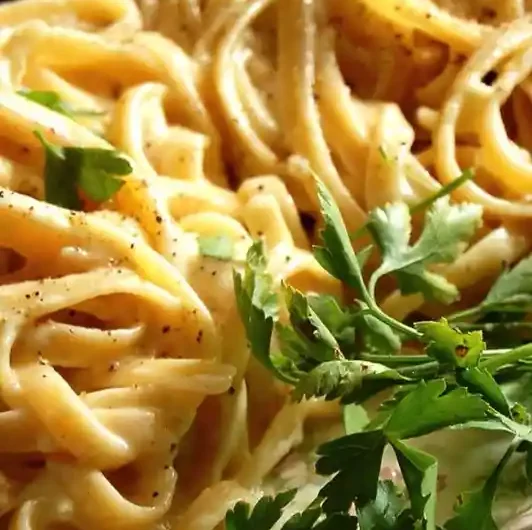
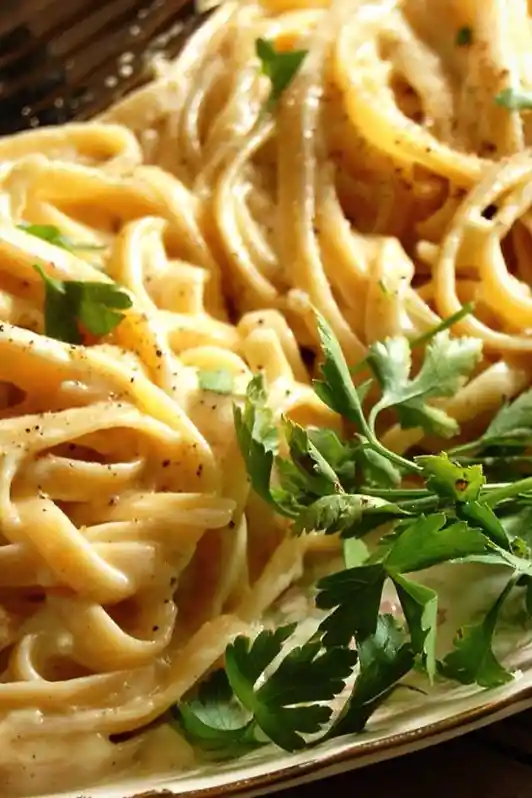
Experience a rich and velvety Italian classic that brings restaurant-quality creaminess to your home kitchen. This recipe uses traditional aged cheeses and a simple technique to create a perfectly emulsified sauce.
List of ingredients
- 2 tablespoons butter – provides a rich base for the sauce.
- 2 cloves garlic, minced – adds a subtle, savory aromatic layer.
- 1 1/2 cups heavy whipping cream – creates the essential creamy texture.
- 1 egg yolk – acts as an emulsifier for a silkier finish.
- 12 ounces fettuccine – the classic wide ribbon pasta.
- 1/2 cup Parmigiano-Reggiano cheese, grated – adds a salty, nutty depth.
- 1/2 cup pecorino-Romano cheese, grated, plus more to serve – provides a sharp, tangy contrast.
- 12 turns freshly-cracked black pepper, plus more to serve – adds a mild heat and fragrance.
- kosher salt – essential for seasoning the pasta water and the sauce.
step-by-step instructions
- Boil the Pasta: Cook the fettuccine in well-salted boiling water until just shy of al dente. Ensure the pasta is slightly undercooked as it will finish cooking in the sauce.
- Sauté Aromatics: While the water boils and pasta cooks, melt butter in a deep skillet over medium heat. Add the minced garlic and black pepper, cooking for about one minute until fragrant and sizzling. Be careful not to brown the garlic; it should stay deep yellow or slightly toasted. Lower heat if necessary.
- Prepare Cream Base: Whisk together the heavy whipping cream, egg yolk, and a large pinch of salt. Pour this mixture into the skillet with the butter, garlic, and pepper. Reduce heat to medium-low and stir until hot, but do not let it reach a boil. Keep it warm and stir occasionally while the pasta finishes.
- Combine and Emulsify: Use tongs to drag the fettuccine directly from the pot into the cream sauce, allowing a small amount of starchy pasta water to enter the pan. Reserve the remaining pasta water. Turn the pasta in the skillet to coat fully and complete the cooking process.
- Integrate Cheeses: Fold in the grated Parmigiano-Reggiano and pecorino-Romano cheeses. Continue folding gently until the cream is mostly absorbed and the sauce is glossy. Taste for seasoning and add salt if needed.
- Adjust Consistency: If the sauce appears too dry or “tight,” add warm pasta water one tablespoon at a time until the desired silkiness is achieved.
- Final Touch: Serve immediately, garnishing with minced parsley, extra grated cheese, and additional black pepper.
Pro Tips for a Silky Texture
Prioritize High-Quality Aged Cheeses
Use authentic Parmigiano-Reggiano and Pecorino-Romano rather than pre-shredded blends. Pre-shredded cheeses often contain cornstarch or cellulose to prevent clumping, which can interfere with the sauce’s smoothness.
Maintain Precise Temperature Control
Avoid letting the cream mixture boil rapidly. High heat can cause the egg yolk to scramble or the dairy to separate, leading to a grainy texture instead of a smooth emulsion.
Utilize Starchy Pasta Water
The water used to boil the pasta is rich in starch, which helps bind the fat in the butter and cheese to the liquid cream. This creates a cohesive sauce that clings to the noodles rather than pooling at the bottom of the plate.
Prevent Garlic from Burning
Garlic burns quickly and becomes bitter when exposed to high heat. Keep the skillet at a medium or medium-low temperature to ensure the garlic only softens and releases its oils without browning.
Ingredient Substitutions
Alternative Dairy Options
If heavy cream is unavailable, you can use a mixture of whole milk and a small amount of cornstarch slurry to thicken the sauce. However, this will result in a slightly less rich flavor and a different mouthfeel.
Switching Pasta Shapes
While fettuccine is traditional, linguine or pappardelle work well for this sauce. The wide surface area of these pastas allows the thick cream sauce to adhere effectively to each strand.
Cheese Alternatives
If you cannot find Pecorino-Romano, you can increase the amount of Parmigiano-Reggiano. While you lose the sharp tang of the sheep’s milk cheese, the overall creaminess remains intact.
Garlic Powder Swap
In a pinch, replace fresh minced garlic with 1/2 teaspoon of garlic powder. Stir the powder directly into the cream mixture rather than sautéing it in butter to avoid burning.
Creative Recipe Variations
Incorporating Sautéed Mushrooms
Sauté sliced cremini or shiitake mushrooms in butter before adding the garlic. The earthy flavor of the mushrooms complements the richness of the cream and cheese perfectly.
Adding Grilled Protein
Top the finished pasta with sliced grilled chicken breast or sautéed shrimp. Ensure the protein is seasoned simply with salt and pepper so it does not overpower the delicate Alfredo sauce.
Integrating Fresh Baby Spinach
Stir in a handful of fresh baby spinach during the final folding step. The residual heat from the pasta will wilt the spinach quickly, adding color and a nutritional boost to the dish.
Adding a Hint of Citrus
Stir in a teaspoon of fresh lemon zest just before serving. The acidity cuts through the heavy fats of the cream and cheese, brightening the overall flavor profile.
Serving and Presentation
Fresh Herb Garnishes
Use finely chopped Italian flat-leaf parsley for a pop of green. Freshly cracked black pepper should be applied liberally at the end to provide a sharp contrast to the creamy sauce.
Balanced Side Dishes
Pair this heavy pasta with a light, acidic side like a crisp arugula salad with lemon vinaigrette. Roasted asparagus or steamed broccoli also provide a healthy balance to the richness of the meal.
Optimal Plating Technique
Use a carving fork to twirl the pasta into a high nest in the center of a warmed bowl. Spoon any remaining sauce from the pan over the top and finish with a dusting of fresh cheese.
Storage and Reheating Guide
Refrigerating Leftovers
Store leftover pasta in an airtight container in the refrigerator for up to three days. Be aware that the pasta will absorb much of the sauce as it cools, making it appear dry.
Reheating in a Skillet
Place the cold pasta in a skillet over medium-low heat. Add a splash of water or a tablespoon of cream to loosen the sauce, stirring gently until heated through.
Avoiding the Microwave
Microwaving Alfredo often causes the fats to separate, resulting in an oily sauce. If you must use a microwave, heat in short 30-second intervals and stir vigorously between each session.
Preventing Sauce Separation
When reheating, keep the temperature low. Rapid heating can break the emulsion of the cheese and cream, causing the sauce to break and lose its velvety consistency.
Make-Ahead Advice
Prepping Ingredients
You can mince the garlic and grate the cheeses several hours in advance. Keep the grated cheeses in a sealed container in the fridge to maintain freshness.
preparing the Cream Mix
The whisked mixture of cream, egg yolk, and salt can be prepared ahead of time and kept chilled. Bring it closer to room temperature before adding it to the hot skillet for a smoother integration.
Troubleshooting Common Issues
Fixing a Clumpy Sauce
If the cheese clumps, it is usually due to excessive heat. Remove the pan from the heat immediately and whisk in a tablespoon of warm pasta water to help smooth out the proteins.
Managing a Thin Sauce
If the sauce is too liquid, continue folding the pasta over low heat for an extra minute. The starch from the pasta and the melting cheese will naturally thicken the sauce as it reduces.
Handling Overcooked Pasta
If the noodles become too soft, reduce the cooking time in the boiling water. Remember that the pasta continues to cook in the sauce, so pulling it out early is critical for a firm texture.
Frequently Asked Questions
Why does my Alfredo sauce separate?
Separation usually happens when the sauce is overheated, causing the fat to split from the liquids. Keep the heat at medium-low and avoid letting the sauce reach a rolling boil.
Can I use pre-shredded cheese?
It is not recommended because pre-shredded cheeses contain anti-caking agents. These additives prevent the cheese from melting smoothly, often resulting in a grainy or sandy sauce.
How do I keep the sauce creamy?
The key is the combination of the egg yolk and the starchy pasta water. These elements act as emulsifiers that hold the fat and water together in a stable, creamy state.
Is the egg yolk necessary?
While the recipe works without it, the egg yolk adds a professional level of richness and stability. It helps the sauce cling to the pasta and prevents it from breaking as easily.
Print
Authentic Fettuccine Alfredo
- Total Time: 30 minutes
- Yield: 4 servings 1x
- Diet: General
Description
A recipe for the very best creamy, classic Italian pasta dish of all: the original, authentic fettuccine Alfredo.
Ingredients
- 2 tablespoons butter
- 2 cloves garlic, minced
- 1 1/2 cups heavy whipping cream
- 1 egg yolk
- 12 ounces fettuccine
- 1/2 cup Parmigiano-Reggiano cheese, grated
- 1/2 cup pecorino-Romano cheese, grated
- 12 turns freshly-cracked black pepper
- kosher salt
Instructions
- Step 1: Cook the fettuccine in well-salted boiling water until just shy of al dente.
- Step 2: Melt the butter in a deep skillet over medium heat; add the garlic and black pepper and cook until fragrant and sizzling, about one minute.
- Step 3: Whisk together the heavy cream, egg yolk, and a large pinch of salt, then pour the cream mixture into the butter, garlic, and pepper and stir until hot, but not bubbling.
- Step 4: Drag the fettuccine into the cream sauce with a little pasta water, turn to fully coat and finish cooking, then add the cheese and fold gently until the cream is mostly absorbed.
- Step 5: Serve, garnishing with a sprinkle of minced parsley, grated cheese, and some more black pepper.
Notes
Use actual pecorino-Romano and aged Parmigiano-Reggiano for the best flavor. To reheat, add enough water to coat the bottom of a skillet and heat on medium-low, stirring until creamy.
- Prep Time: 10 minutes
- Cook Time: 20 minutes
- Category: Main Course
- Method: Stovetop
- Cuisine: Italian
Nutrition
- Serving Size: 1 serving
- Calories: 794 kcal
- Sugar: 4 g
- Sodium: 440 mg
- Fat: 49 g
- Saturated Fat: 30 g
- Unsaturated Fat: 16 g
- Trans Fat: 0.3 g
- Carbohydrates: 65 g
- Fiber: 3 g
- Protein: 24 g
- Cholesterol: 257 mg
Keywords: fettuccine alfredo, creamy pasta, authentic italian, pasta dinner