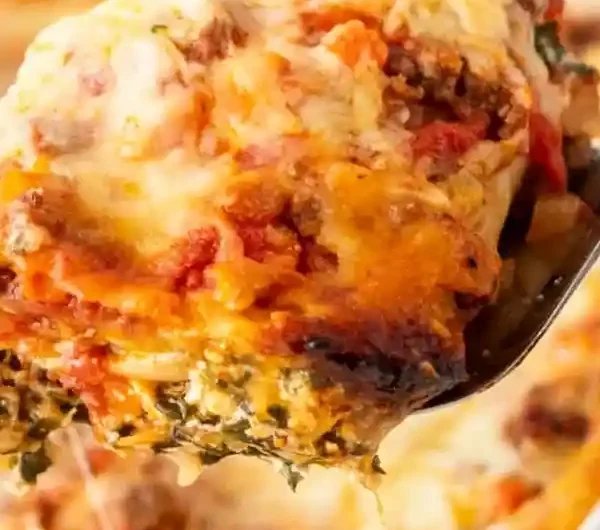
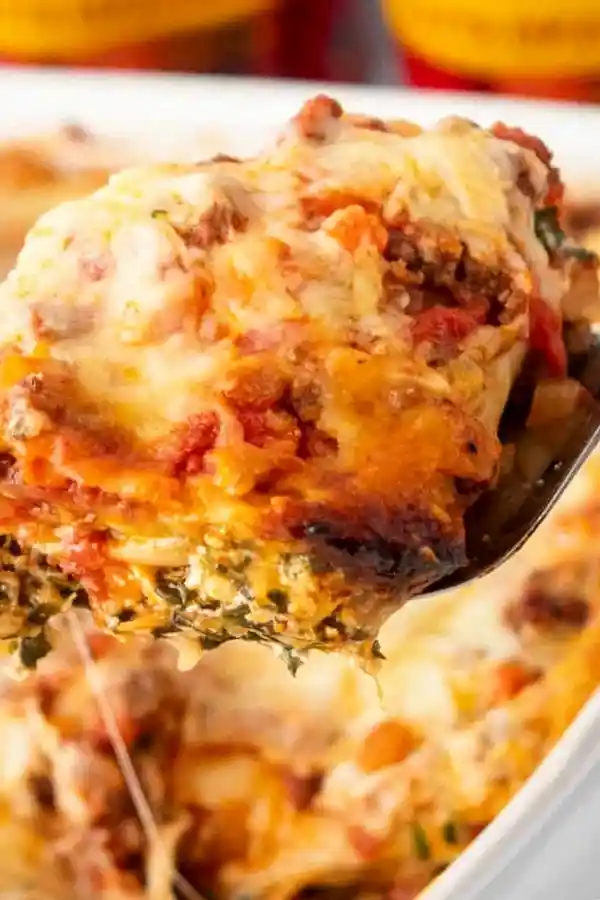
This hearty lasagna bolognese combines a slow-simmered meat sauce with a creamy ricotta and spinach filling. It is a robust, layered baked pasta dish that is ideal for family gatherings or dinner parties.
List of ingredients
- 2 tablespoon olive oil – used for searing the meat.
- 1 1/2 pounds ground chuck – provides a rich, beefy base.
- 1 3/4 teaspoons kosher salt (divided) – used in stages for layered seasoning.
- 2 carrots (peeled and chopped fine) – adds sweetness and texture to the sauce.
- 1 red onion (peeled and chopped fine) – provides a sharp aromatic base.
- 3 garlic cloves (smashed and peeled) – essential for depth of flavor.
- 1 tablespoon tomato paste – concentrates the tomato taste.
- 1 cup beef broth – used for deglazing and adding moisture (alcohol-free).
- 2 28-ounce San Marzano tomatoes, crushed by hand – high-quality Italian tomatoes.
- 1/2 cup water – helps regulate the sauce consistency.
- 1 2 inch piece parmesan cheese rind – adds a deep, savory umami flavor.
- 1 1/2 pounds fresh ricotta cheese – the creamy heart of the filling.
- 1 teaspoon kosher salt – for seasoning the ricotta.
- 1 10-ounce package frozen spinach, drain well – adds color and nutrition.
- 1/4 cup chopped basil – provides a fresh, herbal finish.
- 1 tablespoon unsalted butter (softened) – for greasing the pan.
- 15 no boil lasagne sheets – convenient pasta that cooks in the sauce.
- 4 cups shredded mozzarella cheese – for the gooey, melted top.
- 1 1/2 cups freshly grated parmesan cheese – adds a salty, nutty finish.
step-by-step instructions
- Brown the Meat: Heat a medium dutch oven over medium high heat. Add the olive oil and warm for 30 seconds. Add the ground chuck and 1/2 teaspoon salt, stirring often with a wooden spoon to break up the meat until it is cooked and the liquid has evaporated, approximately 10 minutes.
- Sauté Aromatics: Stir in the finely chopped carrots, red onion, and smashed garlic. Season with another 1/2 teaspoon salt. Cook, stirring frequently for about 5 minutes, until the meat is fully browned and the vegetables begin to soften.
- Concentrate Flavor: Stir in the tomato paste and cook for another 2 minutes to caramelize the paste.
- Deglaze and Simmer: Pour in the beef broth to deglaze the pan, cooking until the liquid is almost completely evaporated, about 5 minutes. Stir in the hand-crushed San Marzano tomatoes and water, then bring to a boil.
- Reduce Sauce: Lower the heat to medium low to maintain a gentle simmer. Simmer for 30 minutes until the sauce is slightly reduced but still contains liquid. Season with the remaining salt.
- Prepare Ricotta Mix: In a medium bowl, stir together the ricotta cheese, 1 teaspoon salt, well-drained spinach, and chopped basil. Set the mixture aside.
- Prepare Oven and Pan: Preheat your oven to 400 degrees F. Use the softened butter to grease the inside of a 9×13 inch baking dish.
- First Layer: Spread 1 1/2 cups of the meat sauce evenly across the bottom of the dish. Layer 5 no-boil lasagna sheets on top, breaking them as needed to fit the pan.
- Ricotta and Cheese Layer: Spread half of the ricotta and spinach mixture over the noodles. Sprinkle with 1 cup of mozzarella and 1/2 cup of parmesan cheese.
- Second Meat Layer: Spoon 2 cups of the meat sauce over the cheese layer.
- Repeat Layers: Repeat the process by adding 5 more noodles, the remaining half of the ricotta mixture, 1 cup of mozzarella, and 1/2 cup of parmesan.
- Final Layer: Top the dish with the final 5 noodles, the remaining meat sauce, and the remaining mozzarella and parmesan cheeses.
- Bake: Cover the dish with buttered foil. Bake for 20 minutes. Remove the foil and bake for an additional 20 minutes until the cheese is golden.
- Rest and Serve: Allow the lasagna to sit for 15 minutes before cutting into squares to ensure the layers stay intact.
Meat Sauce Optimization
Selecting the Right Ground Beef
Using ground chuck is recommended because it has a higher fat content than lean beef. This fat renders during the browning process, providing a more luxurious mouthfeel and deeper flavor. If you use a leaner blend, you may need to add an extra tablespoon of olive oil.
Fine-Dicing the Mirepoix
The carrots and onions should be chopped as finely as possible. This ensures that the vegetables meld into the sauce and provide a consistent texture. Large chunks of vegetables can disrupt the layering of the pasta sheets.
Caramelizing the Tomato Paste
Cooking the tomato paste for two minutes before deglazing removes the raw, metallic taste. This process, known as pinning, creates a deeper red color and a sweeter, more complex base for the sauce.
Utilizing the Parmesan Rind
Adding a parmesan rind to the simmering sauce is a traditional technique to increase umami. The rind slowly releases salty, nutty proteins into the liquid. Always remember to remove the rind before assembling the lasagna.
Ricotta Filling Techniques
Removing Moisture from Spinach
Frozen spinach retains a significant amount of water. It is critical to squeeze the spinach firmly through a kitchen towel or fine-mesh sieve. This prevents the ricotta mixture from becoming watery, which would make the lasagna unstable.
Achieving a Smooth Ricotta Blend
When mixing the ricotta, use a whisk or a fork to break up any clumps. A smooth mixture ensures that the filling spreads evenly across the noodles. This creates consistent layers and prevents air pockets in the final dish.
Incorporating Fresh Basil
Adding chopped basil directly into the ricotta provides a fresh contrast to the heavy meat sauce. Use fresh leaves rather than dried basil for a more vibrant aroma. Stir it in at the very end to keep the herb from bruising.
Assembly and Layering Guidance
Preparing the Baking Dish
Buttering the sides and bottom of the 9×13 dish is essential for easy release. This prevents the cheese from sticking to the edges, which can tear the lasagna when serving. Using a heavy ceramic or glass dish helps distribute heat evenly.
Working with No-Boil Noodles
No-boil sheets absorb moisture from the sauce as they bake. To ensure they cook through, make sure the meat sauce remains slightly liquid before assembling. If the sauce is too thick, the noodles may remain hard in the center.
Strategic Cheese Distribution
Avoid piling the mozzarella in one area. Spread the shredded cheese evenly across the ricotta layer to act as a binder. This creates a structural barrier that prevents the layers from sliding apart when sliced.
Baking and Finishing Secrets
The Purpose of Buttered Foil
Covering the lasagna with foil traps steam, which helps the no-boil noodles soften quickly. Buttering the underside of the foil prevents the cheese from sticking to the metal. This ensures you don’t pull off the top crust when uncovering the dish.
Developing a Golden Crust
Removing the foil for the final 20 minutes allows the moisture to evaporate from the top layer. This is when the mozzarella browns and creates the characteristic bubbly, toasted crust. Keep a close eye on the oven to prevent over-browning.
The Essential Resting Period
Letting the lasagna rest for 15 minutes is the most important step for presentation. During this time, the sauces thicken and the cheese sets. Slicing too early will cause the layers to collapse into a heap on the plate.
Customizations and Substitutions
Alternative Cheese Options
While mozzarella is standard, you can substitute it with provolone or fontina for a sharper flavor. Ensure you use microbial-rennet cheeses if avoiding animal-derived additives. Freshly grated parmesan is always superior to the canned version for melting.
Adding Extra Vegetables
For more nutrition, you can add finely diced celery to the mirepoix. Zucchini or mushrooms can also be sautéed with the beef. Ensure any added watery vegetables are cooked down completely before adding the tomatoes.
Adjusting the Protein
Ground chuck can be swapped for ground turkey or chicken for a lighter version. If using poultry, increase the olive oil slightly as these meats are leaner. The cooking time for the meat remains roughly the same.
Storage and Reheating Advice
Refrigeration Guidelines
Store leftover lasagna in an airtight container in the refrigerator for up to four days. To prevent the top from drying out, place a piece of parchment paper directly on the cheese before sealing the lid.
Freezing for Later
You can freeze lasagna either before baking or after it has fully cooled. If freezing unbaked, wrap the dish tightly in plastic wrap and foil. Thaw in the refrigerator for 24 hours before placing it in the oven.
Proper Reheating Methods
To reheat individual slices, use a microwave with a damp paper towel over the top to maintain moisture. For best results, reheat in a 350 degree F oven covered with foil until the center is hot. This preserves the texture of the noodles.
Common Cooking Challenges
Preventing a Watery Lasagna
Wateriness usually stems from poorly drained spinach or too much liquid in the sauce. If your sauce seems too thin after simmering, let it cook uncovered for an extra 10 minutes. Ensure the ricotta is thick and creamy before layering.
Balancing Sauce Acidity
If the San Marzano tomatoes are too acidic, a small pinch of sugar can balance the flavor. Alternatively, adding an extra tablespoon of butter at the end of the sauce simmer can mellow the acidity. Taste the sauce before assembly.
Dealing with Dry Noodles
If the noodles are still firm after baking, you may have used too little sauce. You can fix this by adding a splash of water around the edges of the pan and returning it to the oven for 10 minutes under foil. Always ensure the noodles are fully covered by sauce.
Frequently Asked Questions
Can I make the sauce a day early?
Yes, the meat sauce actually improves in flavor after sitting overnight in the refrigerator. Simply reheat it gently on the stove before starting the assembly process.
What is the best substitute for no-boil noodles?
You can use traditional lasagna noodles, but you must boil them according to package directions first. Drain them and lay them flat on parchment paper to prevent sticking before assembling.
How do I prevent the lasagna from sticking?
Grease the pan thoroughly with butter and ensure you have a sufficient layer of sauce on the bottom. This creates a non-stick barrier between the pasta and the dish.
Can I use a different sized pan?
A 9×13 inch pan is ideal for this quantity. If you use a deeper, smaller pan, you may need to increase the baking time by 10-15 minutes to ensure the center is cooked through.
Print
Authentic Lasagna Bolognese
- Total Time: 150 minutes
- Yield: 8 servings 1x
- Diet: General
Description
When it comes to crowd-pleasing baked pasta, it doesn’t get more delicious than lasagna bolognese.
Ingredients
- 2 tablespoon olive oil
- 1 1/2 pounds ground chuck
- 1 3/4 teaspoons kosher salt (divided)
- 2 carrots (peeled and chopped fine)
- 1 red onion (peeled and chopped fine)
- 3 garlic cloves (smashed and peeled)
- 1 tablespoon tomato paste
- 1 cup beef broth
- 2 28-ounce San Marzano tomatoes, crushed by hand
- 1/2 cup water
- 1 2 inch piece parmesan cheese rind
- 1 1/2 pounds fresh ricotta cheese
- 1 teaspoon kosher salt
- 1 10-ounce package frozen spinach, drain well
- 1/4 cup chopped basil
- 1 tablespoon unsalted butter (softened)
- 15 no boil lasagne sheets
- 4 cups shredded mozzarella cheese
- 1 1/2 cups freshly grated parmesan cheese
Instructions
- Step: Heat a medium dutch oven over medium high heat. Add the oil to the hot pan and warm an additional 30 seconds.
- Step: Add the meat and 1/2 teaspoon salt to the hot pan and cook, stirring often with a wooden spoon to break apart the meat, until the meat is cooked and the liquid has evaporated so the meat is beginning to brown, about 10 minutes.
- Step: Stir in the carrots, onion and garlic and season with another 1/2 teaspoon salt. Cook, stirring often for about 5 minutes or until the meat is browned and the vegetables are beginning to soften.
- Step: Stir in the tomato paste and cook another 2 minutes.
- Step: Deglaze with the beef broth and allow the liquid to cook down until almost completely evaporated, about 5 minutes.
- Step: Stir in the crushed tomatoes and the water and bring to a boil.
- Step: Reduce the heat to medium low in order to just maintain a simmer. Simmer for 30 minutes until slightly reduced but there is still liquid remaining. Season with the remaining salt.
- Step: Meanwhile in a medium bowl, stir together the ricotta, salt, drained spinach and basil. Set aside.
- Step: Preheat the oven to 400 degrees F.
- Step: Butter the inside of a 9×13 dish. Spread 1 1/2 cups of the meat sauce on the bottom of the pan.
- Step: Layer 5 noodles on the bottom of the pan breaking them as needs so they fit.
- Step: Spread 1/2 the ricotta mixture on the noodles and sprinkle with 1 cup mozzarella and 1/2 cup parmesan cheese.
- Step: Spoon another 2 cups of the meat sauce on top and repeat this process one more complete time.
- Step: Top with the remaining 5 noodles, sauce and cheeses.
- Step: Cover with buttered foil and bake for 20 minutes.
- Step: Uncover and bake an addition 20 minutes.
- Step: Allow to sit for 15 minutes before cutting and serving.
Notes
Use microbial-rennet cheeses for a clean dietary alternative.
- Prep Time: 30 minutes
- Cook Time: 120 minutes
- Category: Main Course
- Method: Baking
- Cuisine: Italian
Nutrition
- Serving Size: 1 slice
- Calories: 720 kcal
- Sugar: 12 g
- Sodium: 1350 mg
- Fat: 38 g
- Saturated Fat: 18 g
- Unsaturated Fat: 15 g
- Trans Fat: 0 g
- Carbohydrates: 48 g
- Fiber: 6 g
- Protein: 36 g
- Cholesterol: 110 mg
Keywords: lasagna bolognese, baked pasta, Italian dinner, cheesy pasta, comfort food