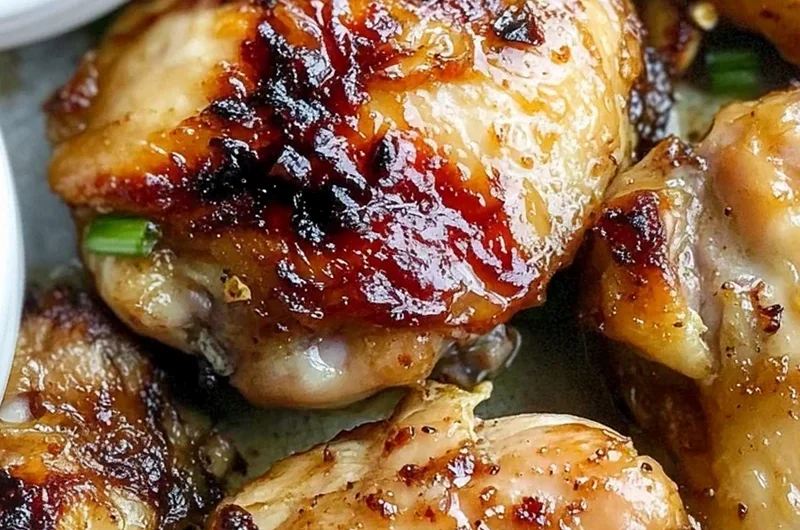
This fragrant chicken dish combines citrusy lemongrass with a savory-sweet glaze for a restaurant-quality meal. It is a fast, high-protein dinner that works perfectly for weeknight cooking or advanced meal prep.
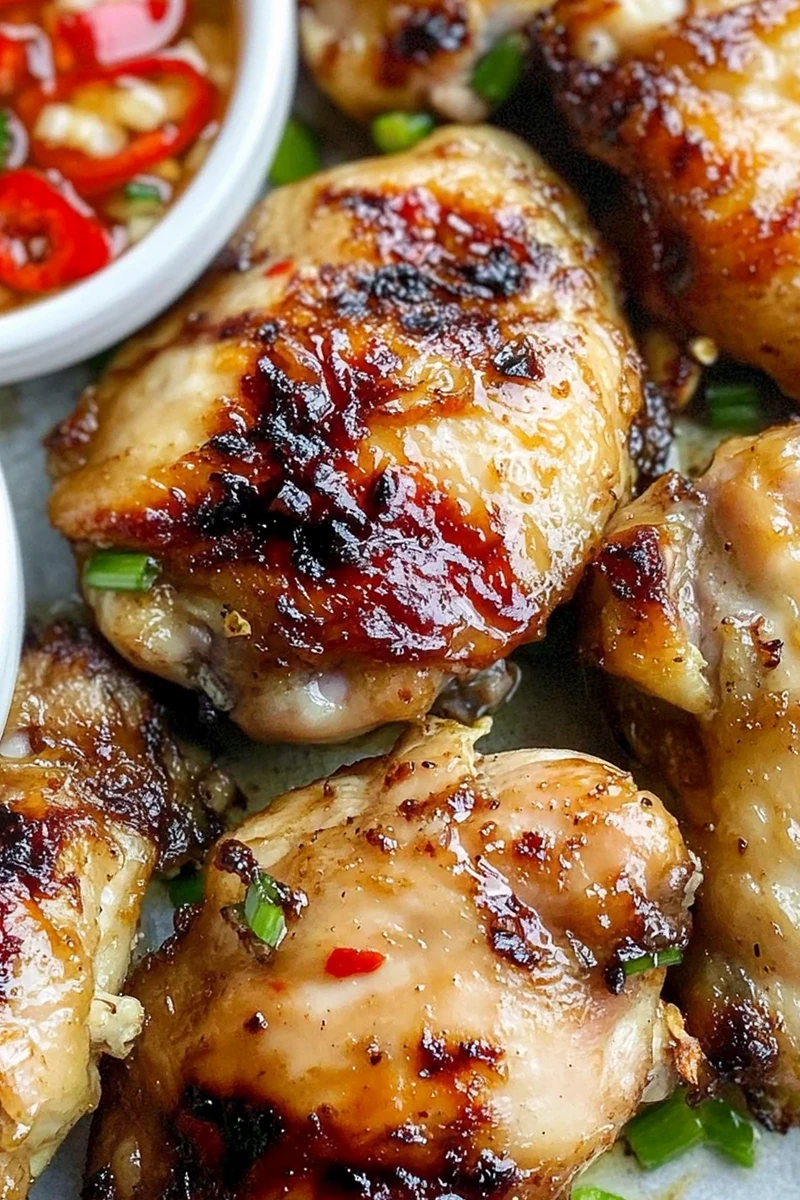
List of ingredients
- 1.25 lb skinless boneless chicken thighs – provides moisture and rich flavor.
- 1 stalk lemongrass – use only the white part for a citrusy aroma.
- 2 cloves garlic – adds a pungent, savory depth.
- 2 tbsp brown sugar – balances the salty notes with sweetness.
- 2 tbsp lime juice – freshly squeezed for bright acidity.
- 3 tbsp fish sauce – the key ingredient for authentic umami saltiness.
- 1 shallot – adds a mild onion-like complexity to the paste.
- 1 tbsp soy sauce – enhances the color and depth of the marinade.
- 1/4 tsp black pepper – provides a subtle, warm heat.
- 2 tbsp vegetable oil – used for searing the chicken in the pan.
- 1/4 cup water – base for the dipping sauce.
- 1/4 cup granulated sugar – sweetness for the dipping sauce.
- 3 tbsp fish sauce – saltiness for the dipping sauce.
- 3 cloves garlic, minced – aromatic component for the sauce.
- 1 red chili pepper, finely chopped – adds a controlled kick of heat.
step-by-step instructions
- Create the marinade paste: Combine the lemongrass white parts, garlic, shallot, brown sugar, lime juice, fish sauce, soy sauce, and black pepper in a food processor. Blend until the mixture becomes a smooth, uniform paste without any large fibrous pieces.
- Marinate the chicken: Place the chicken thighs in a large mixing bowl or a resealable plastic bag. Pour the blended paste over the meat, ensuring every piece is thoroughly coated, and refrigerate for at least 1 hour or overnight for the best flavor penetration.
- Heat the pan: Pour vegetable oil into a large non-stick frying pan and set it over medium-high heat. Wait until the oil is shimmering to ensure the chicken sears immediately upon contact.
- Sear the meat: Remove the chicken from the marinade, shaking off any excess paste. Fry the thighs in small batches in a single layer for 3-4 minutes per side until they are golden brown and cooked through.
- Verify doneness: Use a meat thermometer to ensure the internal temperature has reached 165°F or check that the juices run clear. Clean the pan between batches if sugar residue begins to burn.
- Prepare the dipping sauce: In a small bowl, stir together the water, granulated sugar, fish sauce, minced garlic, and chopped chili. Mix until the sugar is completely dissolved.
- Plate and serve: Arrange the hot chicken on a platter and serve immediately with the dipping sauce on the side for dipping.
Essential Kitchen Equipment
High-Speed Blender or Food Processor
A blender is necessary to break down the fibrous texture of the lemongrass. This ensures the marinade is a smooth paste that adheres to the meat rather than leaving woody chunks in the finished dish.
Heavy-Bottomed Non-Stick Skillet
Using a non-stick pan prevents the sugars in the marinade from sticking to the surface. A heavy-bottomed pan distributes heat more evenly, which helps achieve a consistent golden-brown crust on the chicken.
Resealable Freezer Bags
Plastic bags are superior to bowls for marinating because they push the air out. This forces the marinade into direct contact with the chicken, speeding up the flavor absorption process.
Professional Cooking Techniques
Trim the Lemongrass Properly
Remove the tough, woody outer layers of the lemongrass stalk. Use only the bottom 4-5 inches of the white and pale green part, as the dark green tops are too fibrous to blend smoothly.
Extend Marination Time
While one hour is sufficient, marinating the chicken overnight allows the lime juice to tenderize the meat. This result is a more succulent texture and a deeper infusion of aromatic lemongrass oils.
Control the Pan Temperature
Maintain a medium-high heat to trigger the Maillard reaction. If the pan is too cool, the chicken will steam in its own juices instead of searing, losing the characteristic charred exterior.
Avoid Crowding the Pan
Cook the chicken in batches rather than adding all the meat at once. Overcrowding drops the pan temperature and releases excess moisture, which prevents the chicken from browning properly.
Ingredient Substitutions and Swaps
Using Chicken Breast Instead of Thighs
You can use boneless skinless breasts, but reduce the cooking time by 1-2 minutes per side. Breast meat lacks the fat of thighs and can dry out quickly if overcooked.
Alternative Sweeteners for the Marinade
If brown sugar is unavailable, coconut sugar or palm sugar are excellent alternatives. These provide a deeper, more caramel-like sweetness that complements the lemongrass profile.
Gluten-Free Soy Sauce Alternatives
To make this recipe gluten-free, replace the regular soy sauce with tamari or coconut aminos. Ensure your chosen fish sauce brand is also certified gluten-free.
Creative Serving Suggestions
Pairing with Jasmine Rice
Steamed jasmine rice is the traditional choice for this dish. The floral aroma of the rice balances the strong savory and salty notes of the fish sauce marinade.
Serving with Fragrant Coconut Rice
Replace half of the cooking water with coconut milk when preparing your rice. This adds a creamy, tropical richness that pairs exceptionally well with the citrus notes of the chicken.
Low-Carb Lettuce Wraps
Use large leaves of Romaine or Butter lettuce to wrap pieces of chicken. Add fresh mint, cilantro, and sliced cucumbers inside the wrap for a refreshing, low-calorie meal.
Vietnamese Banh Mi Style
Slice the cooked chicken and place it inside a crusty baguette. Top with pickled carrots, daikon, fresh cilantro, and a smear of mayonnaise for a complete sandwich experience.
Fresh Noodle Salad Base
Serve the chicken over a bed of chilled rice vermicelli noodles. Add shredded carrots, bean sprouts, and a handful of fresh herbs before drizzling the dipping sauce over the top.
Complementary Side Dishes
Quick Vinegar Cucumber Salad
Thinly slice cucumbers and toss them with rice vinegar, a pinch of sugar, and salt. This acidic side dish cuts through the richness of the seared chicken thighs.
Pickled Carrots and Daikon
Create a quick pickle by soaking julienned carrots and daikon radish in a mixture of vinegar, water, and sugar. The crunch and tang provide a necessary contrast to the savory meat.
Savory Egg Fried Rice
Sauté chilled cooked rice with peas, carrots, and scrambled eggs. Use a small amount of the dipping sauce as a seasoning for the rice to tie the whole meal together.
Lightly Grilled Seasonal Vegetables
Grill bell peppers, snap peas, or broccoli alongside the chicken. The charred flavor of the vegetables complements the smoky notes of the lemongrass glaze.
Tropical Mango Salad
Mix diced ripe mango with red onion, lime juice, and a hint of chili. The sweetness of the mango enhances the citrus profile of the lemongrass.
Storage and Reheating Guidelines
Refrigerator Storage
Place leftover chicken in an airtight glass or plastic container. It will stay fresh and safe to eat for 3 to 4 days when kept at a constant refrigerated temperature.
Long-Term Freezer Storage
Freeze the cooked chicken in a vacuum-sealed bag or a heavy-duty freezer bag with the air removed. This prevents freezer burn and keeps the chicken viable for up to 2 months.
Oven Reheating Method
Preheat your oven to 350°F (175°C) and place the chicken on a baking sheet. Heat for 10-15 minutes to maintain the texture of the meat without drying it out.
Microwave Reheating Tips
Heat the chicken in short 30-second bursts using a medium power setting. Cover the plate with a damp paper towel to trap steam and keep the meat juicy.
Stovetop Reheating Process
Add a teaspoon of oil to a non-stick pan over medium heat. Sauté the chicken for 2-3 minutes, flipping occasionally until heated through and the glaze is slightly caramelized.
Troubleshooting Common Issues
Handling Fibrous Lemongrass Texture
If the marinade feels gritty, you likely included too much of the green stalk. Always trim the lemongrass to the white part and blend for an extra minute to ensure total smoothness.
Fixing Bland Flavor Profiles
If the chicken tastes flat, increase the amount of fish sauce or lime juice. The balance between salt (fish sauce) and acid (lime) is what creates the vibrant Vietnamese taste.
Preventing Meat from Steaming
If the chicken is releasing too much liquid in the pan, your heat is too low or the pan is too crowded. Increase the temperature and cook in smaller batches.
Balancing an Overly Salty Sauce
If the dipping sauce is too salty, stir in an extra tablespoon of water or a pinch more sugar. This neutralizes the intensity of the fish sauce without altering the flavor profile.
Frequently Asked Questions
Why is fish sauce used in this recipe?
Fish sauce provides the fundamental salty and umami base that defines Vietnamese cuisine. It adds a depth of flavor that cannot be replicated with salt or soy sauce alone.
Can I use dried lemongrass instead of fresh?
Dried lemongrass lacks the aromatic oils and bright citrus notes of fresh stalks. If using dried, use a small amount of powder and add extra lime zest to compensate.
How do I prevent the marinade from burning?
The sugar in the marinade can caramelize quickly. Keep a close eye on the pan and stir occasionally, or slightly lower the heat if the glaze turns dark brown too quickly.
Can I add vegetables directly into the pan?
Yes, you can add sliced bell peppers or snap peas during the last 3 minutes of cooking. This allows the vegetables to soften while absorbing the remaining marinade from the pan.
Print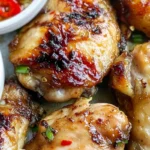
Authentic Vietnamese Lemongrass Chicken Guide
- Total Time: 25 minutes
- Yield: 4 servings 1x
- Diet: General
Description
Experience the vibrant flavors of Vietnam with this Easy & Simple Vietnamese Lemongrass Chicken. Perfectly tender chicken thighs are marinated in a rich and savory lemongrass blend, offering a delightful balance of sweetness and tanginess.
Ingredients
- 1.25 lb skinless boneless chicken thighs
- 1 stalk lemongrass (white parts only)
- 1 shallot
- 2 cloves garlic
- 2 tbsp brown sugar
- 2 tbsp lime juice
- 2 tbsp fish sauce
- 1 tbsp regular soy sauce
- 1/4 tsp black pepper
- 2 tbsp vegetable oil
Instructions
- Step: Blend marinade ingredients in a food processor until smooth.
- Step: Marinate chicken thighs in the mixture for at least 1 hour or overnight.
- Step: Heat oil in a non-stick pan over medium-high heat.
- Step: Cook marinated chicken in batches until golden brown and cooked through (3-4 minutes per side).
- Step: Serve hot with your desired dipping sauce.
Notes
Use only the white parts of the lemongrass for the best texture. For a deeper flavor infusion, marinate the chicken overnight.
- Prep Time: 10 minutes
- Cook Time: 15 minutes
- Category: Main
- Method: Frying
- Cuisine: Vietnamese
Nutrition
- Serving Size: 1 serving
- Calories: 210 kcal
- Sugar: 5 g
- Sodium: 650 mg
- Fat: 10 g
- Saturated Fat: 2 g
- Unsaturated Fat: 7 g
- Trans Fat: 0 g
- Carbohydrates: 9 g
- Fiber: 0 g
- Protein: 24 g
- Cholesterol: 90 mg
Keywords: Vietnamese Lemongrass Chicken, chicken thighs, easy dinner, Asian cuisine