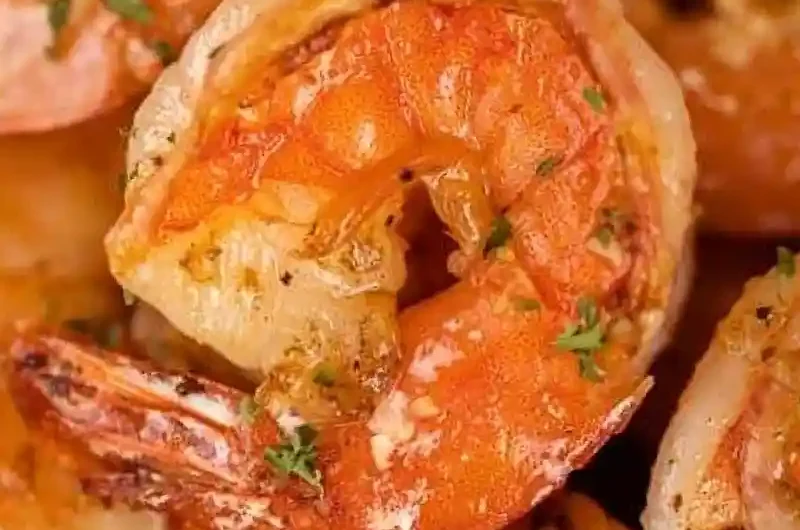
This method for cooking shrimp on a flat-top griddle ensures a perfectly seared exterior while keeping the inside tender. It is an efficient way to prepare a high-protein meal for a large group in under 15 minutes.
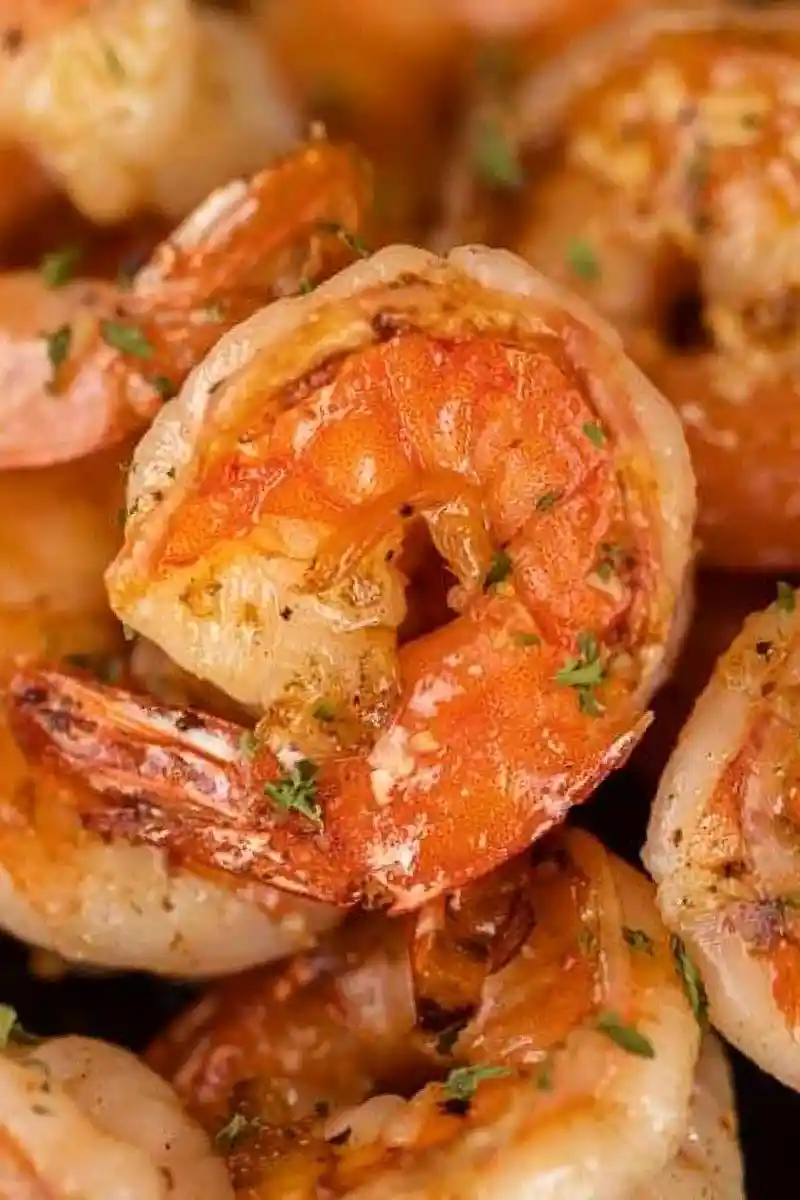
List of ingredients
- 16 oz raw shrimp (peeled and deveined) – ensures quick and even cooking across the griddle surface.
- 4 Tbsp butter – provides essential fats for searing and creates a rich sauce.
- 1 Tbsp minced garlic – adds a pungent, savory aromatic profile to the dish.
- 1/4 tsp salt – enhances the natural brine and sweetness of the seafood.
- 1/4 tsp pepper – adds a mild spice and depth of flavor.
- 1 lemon (juiced) – provides acidity to balance the richness of the butter.
step-by-step instructions
- Heat the Griddle: Preheat the Blackstone Griddle to medium-high heat, maintaining a surface temperature between 350 and 400 degrees F. Melt 1 tablespoon of butter to prevent the shrimp from sticking.
- Sear the Shrimp: Place the 16 oz of raw, peeled, and deveined shrimp directly onto the melted butter. Sauté for 2 to 3 minutes per side until they turn pink, flipping them only once to avoid overcooking.
- Create a Flavor Zone: Move the cooked shrimp toward the outer edges of the griddle. This creates an open space in the center for the aromatics.
- Sauté the Garlic Butter: Place the remaining 3 tablespoons of butter, 1 tablespoon of minced garlic, 1/4 teaspoon salt, and 1/4 teaspoon pepper in the center opening. Toss the shrimp in this mixture for 1 minute until the garlic becomes aromatic.
- Finish and Serve: Remove the shrimp from the griddle immediately. Top the dish with the juice from one fresh lemon and serve.
Griddle Temperature Management
Use an Infrared Thermometer
Checking the surface temperature with a digital thermometer prevents the butter from burning. A consistent temperature of 375 degrees F is ideal for creating a golden-brown crust on the shrimp.
Manage Heat Zones
Utilize the different heat zones of your griddle by keeping the center high for searing. Move the shrimp to the cooler edges once they are pink to prevent them from becoming rubbery.
Timing the Butter Addition
Add butter immediately before placing the shrimp on the surface. This prevents the milk solids in the butter from scorching and turning bitter over high heat.
Preheating the Surface
Allow the griddle to reach its target temperature fully before adding any fats. A cold griddle causes the shrimp to release moisture and steam rather than sear.
Selecting and Preparing the Shrimp
Choose Large or Jumbo Sizes
Large, jumbo, or colossal shrimp are preferred for griddling because they have more mass. This allows them to sear on the outside without overcooking the center too quickly.
Thawing Frozen Shrimp Properly
Thaw frozen shrimp overnight in the refrigerator for the best texture. Alternatively, place them in a colander under cold running water for 20 minutes to ensure they are fully thawed.
Patting Shrimp Dry
Use paper towels to remove excess surface moisture from the shrimp before cooking. Dry shrimp develop a better sear and do not splatter as much when hitting the hot butter.
Handling Peeled and Deveined Options
Buying pre-peeled and deveined shrimp reduces prep time significantly. If using whole shrimp, ensure the digestive tract is removed to maintain a clean flavor and texture.
Customizing the Flavor Profile
Adding Red Pepper Flakes
Incorporate one teaspoon of crushed red pepper flakes into the garlic butter mixture. This adds a spicy kick that complements the sweetness of the shrimp.
Using Old Bay Seasoning
Substitute the salt and pepper with a tablespoon of Old Bay seasoning. This provides a classic coastal flavor profile with celery salt and paprika notes.
Adding Fresh Parsley
Toss chopped flat-leaf parsley into the shrimp during the final minute of cooking. This adds a fresh, herbaceous contrast to the rich garlic butter.
Substituting Honey for Glazing
Mix a tablespoon of honey with the garlic butter for a sweet and savory glaze. This creates a caramelized coating that pairs well with the lemon juice.
Adding Smoked Paprika
Stir in a pinch of smoked paprika for a wood-fired flavor. This is particularly effective when using a gas-powered griddle that lacks natural smoke.
Integrating Soy Sauce
Replace the salt with a splash of low-sodium soy sauce for an Asian-inspired variation. This works best when served alongside steamed bok choy or white rice.
Serving and Pairing Suggestions
Serving Over Jasmine Rice
Place the finished shrimp over a bed of steamed jasmine rice. The rice absorbs the excess garlic butter and lemon juice from the pan.
Constructing Shrimp Tacos
Wrap the grilled shrimp in warmed corn or flour tortillas. Top with shredded cabbage, sliced avocado, and a squeeze of lime for a complete meal.
Topping a Fresh Garden Salad
Use the warm shrimp as a protein topping for mixed greens, cherry tomatoes, and cucumbers. Use a light vinaigrette to keep the meal balanced.
Creating a Shrimp Scampi Pasta
Toss the grilled shrimp and the remaining garlic butter from the griddle with angel hair pasta. Add a splash of vegetable broth to loosen the sauce.
Serving as a Finger Food Appetizer
Leave the tails on the shrimp for easy handling. Serve them on a platter with lemon wedges and a side of cocktail sauce for guests.
Pairing with Grilled Vegetables
Cook asparagus spears or sliced zucchini on the griddle alongside the shrimp. The vegetables will pick up the savory butter flavors from the surface.
Storage and Reheating Guide
Refrigerating Leftovers
Store leftover shrimp in an airtight glass container in the refrigerator. They will remain safe to eat for 3 to 4 days.
Reheating on the Griddle
To reheat, place the shrimp on a medium-heat griddle for 30 to 60 seconds per side. This restores the exterior texture without overcooking the center.
Microwave Reheating Precautions
Use the lowest power setting and heat in 30-second intervals. Overheating shrimp in a microwave quickly results in a rubbery, tough texture.
Freezing Cooked Shrimp
Freeze the shrimp in a vacuum-sealed bag for up to two months. Thaw them completely in the fridge before reheating to maintain quality.
Troubleshooting Common Issues
Preventing Rubbery Texture
Remove the shrimp from the heat the moment they curl into a ‘C’ shape. If they curl tightly into an ‘O’ shape, they are likely overcooked.
Avoiding Burnt Garlic
Only add the minced garlic during the final stage of cooking. Garlic burns much faster than shrimp and can turn bitter if added too early.
Fixing Stuck Shrimp
If shrimp stick to the surface, wait a few seconds longer before flipping. They will naturally release from the griddle once a proper sear has formed.
Correcting Excess Moisture
If the shrimp are steaming instead of searing, increase the heat or cook them in smaller batches. Overcrowding the griddle lowers the surface temperature.
Balancing Over-Salted Shrimp
If the dish is too salty, increase the amount of fresh lemon juice. The acidity helps neutralize the perception of excess salt on the palate.
Frequently Asked Questions
Can I use olive oil instead of butter?
Yes, you can use olive oil for a higher smoke point and a lighter taste. However, you will lose the creamy richness and browning provided by the butter milk solids.
Should I leave the tails on?
Leaving the tails on provides a better presentation and makes them easier to eat as appetizers. Removing them is better for tacos or pasta dishes.
Can I use pre-cooked shrimp?
Pre-cooked shrimp are not recommended for this recipe. They are already fully cooked and will become tough and rubbery when exposed to high griddle heat.
How do I know when the shrimp are fully cooked?
The shrimp should change from translucent grey to an opaque pink color. They should feel firm to the touch but still have some springiness.
Can I use frozen shrimp directly on the griddle?
No, frozen shrimp will release too much water, causing them to steam rather than sear. Always thaw and pat them dry before cooking.
What is the best way to clean the griddle after cooking shrimp?
Scrape off the residue while the griddle is still warm. Apply a thin layer of cooking oil to protect the surface from rust after cleaning.
Griddle Maintenance and Care
Cleaning Seafood Residue
Use a heavy-duty scraper to remove burnt butter and garlic bits. Follow this with a citrus-based cleaner or water and a scrub pad to remove proteins.
Seasoning the Surface
After cleaning, apply a thin coat of high-smoke-point oil to the surface. Heat the oil until it just begins to smoke to maintain the non-stick seasoning.
Preventing Surface Rust
Ensure the griddle is completely dry before storing it. A light layer of oil acts as a barrier between the metal and the air to prevent oxidation.
Side Dish Preparation
Grilling Asparagus
Toss asparagus in olive oil and salt, then place them on the griddle for 4-5 minutes. They cook quickly and pair well with the lemon-butter shrimp.
Preparing Griddle Corn
Place corn on the cob directly on the heat, turning frequently until charred. This adds a smoky sweetness to the meal.
Making Sautéed Spinach
Quickly wilt fresh spinach on the griddle with a touch of garlic. This provides a nutrient-dense, low-calorie side for the seafood.
Cooking Sliced Potatoes
Thinly slice red potatoes and cook them until golden brown. These provide a hearty starch component to balance the light shrimp.
Print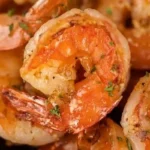
Blackstone Grilled Garlic Butter Shrimp
- Total Time: 15 minutes
- Yield: 4 servings 1x
- Diet: General
Description
Grilled Shrimp on Blackstone turns shrimp crispy, juicy and flavorful. Cooking shrimp on a Blackstone is fast, easy and a family favorite.
Ingredients
- 16 oz raw shrimp (peeled and deveined)
- 4 Tbsp butter
- 1 Tbsp minced garlic
- 1/4 tsp salt
- 1/4 tsp pepper
- 1 lemon, juiced
Instructions
- Preheat: Preheat the Blackstone Griddle to medium high heat, about 350 to 400 degrees F. Melt 1 tablespoon butter on the griddle, then place 16 oz raw shrimp that are peeled and deveined directly on the griddle in the melted butter.
- Sauté: Sauté the 16 oz raw shrimp for 2 to 3 minutes per side until the shrimp is pink, flipping only once. Move the shrimp to create an opening in the center of the griddle.
- Season: Place the remaining 3 tablespoons butter, 1 tablespoon minced garlic, 1/4 teaspoon salt, and 1/4 teaspoon pepper in the opening on the griddle. Toss the shrimp in this mixture for 1 minute until the garlic is aromatic.
- Finish: Remove the shrimp from the griddle, top with the juice from 1 lemon, and serve immediately.
Notes
Refrigerate the leftovers in an airtight container for up to 3-4 days. Use raw shrimp for this recipe; pre-cooked shrimp may become tough. Shrimp can be used with or without tails.
- Prep Time: 10 minutes
- Cook Time: 5 minutes
- Category: Main Course
- Method: Grilling
- Cuisine: American
Nutrition
- Serving Size: 4 oz shrimp
- Calories: 195 kcal
- Sugar: 1 g
- Sodium: 878 mg
- Fat: 13 g
- Saturated Fat: 7 g
- Unsaturated Fat: 4 g
- Trans Fat: 1 g
- Carbohydrates: 5 g
- Fiber: 1 g
- Protein: 16 g
- Cholesterol: 173 mg
Keywords: Grilled Shrimp, Blackstone Griddle, Easy Shrimp Recipe, American Cuisine, Seafood