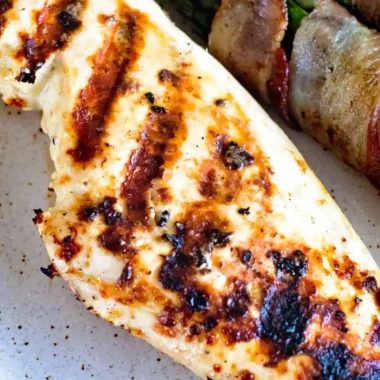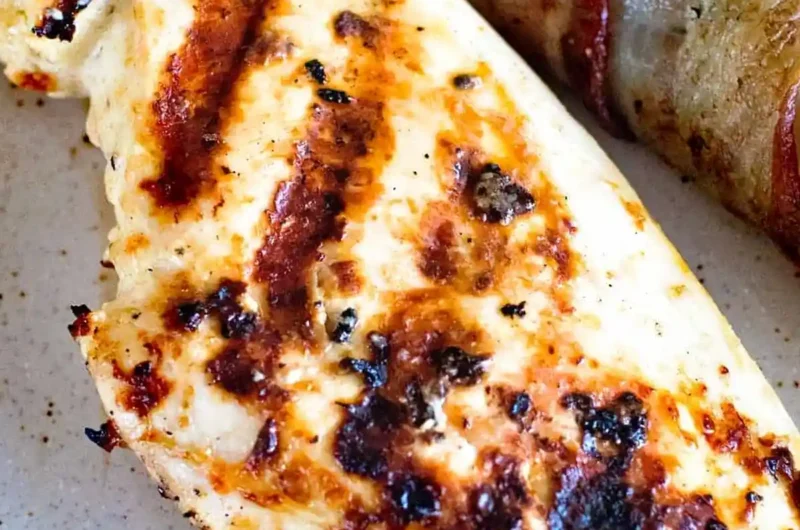
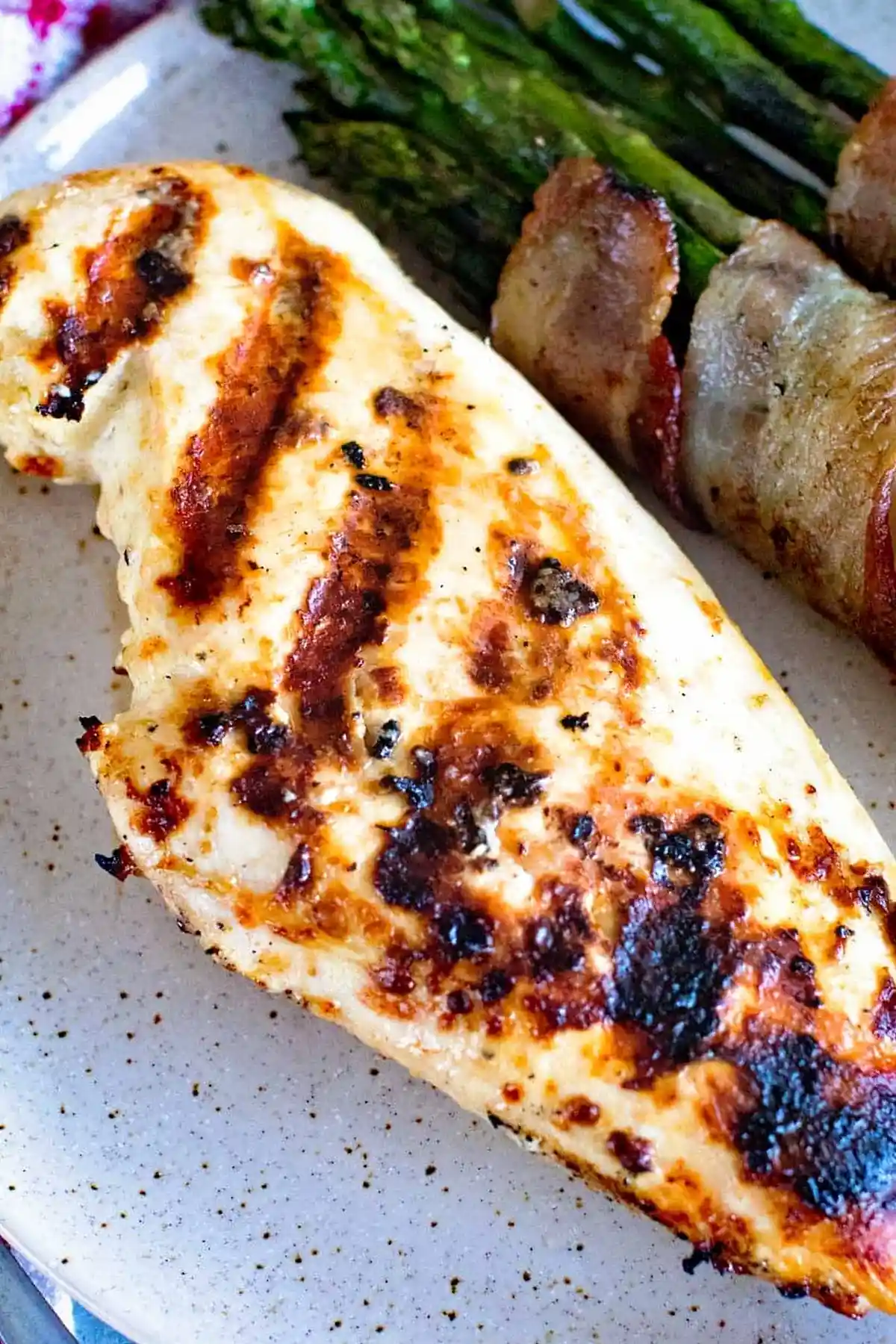
These Caesar grilled chicken breasts offer a simple way to achieve perfectly juicy, restaurant-quality results in your own backyard. By using a creamy marinade infused with bold aromatics, the chicken stays tender and develops an incredible depth of flavor on the grill. This preparation is ideal for busy weeknights when you need a reliable, high-protein meal that requires minimal active cooking time.
List of ingredients
- 1/2 c. creamy Caesar salad dressing
- 3 Tbsp olive oil
- 3 Tbsp Dijon mustard
- 6 garlic cloves, minced
- 4 (5 oz) boneless skinless chicken breast halves
step-by-step instructions
- Step: Combine dressing, oil, mustard and garlic in a large resalable plastic bag. Add the chicken to the marinade and turn to coat.
- Step: Refrigerate 8 hours or overnight.
- Step: When ready to grill the chicken preheat grill to medium heat.
- Step: Remove chicken from marinade and discard extra marinade.
- Step: Place chicken on grill, cover grill and grill over medium heat for 6-8 minutes on each side or until meat thermometer reads 170 degrees.
Successful Grilling Techniques
Achieving Even Heat Distribution
To ensure your chicken cooks uniformly, it is crucial to preheat your grill thoroughly before placing the meat on the grates. Avoid overcrowding the grill, which can cause temperature drops and result in uneven cooking. Maintaining a medium heat prevents the exterior from burning before the center is fully cooked.
The Role of Internal Temperature
Using a digital meat thermometer is the most reliable way to judge doneness rather than relying solely on visual cues or timing. Since chicken breast can become dry if overcooked even by a few minutes, pulling it off the heat as soon as it reaches 170 degrees Fahrenheit is key. Let the chicken rest for at least five minutes after removing it from the grill to allow the juices to redistribute.
Managing Flare-Ups Safely
Because this recipe uses an oil-based marinade, small flare-ups may occur when the liquid drips onto the burners. Keep a spray bottle of water nearby just in case, but avoid dousing the meat directly. Simply moving the chicken to a cooler zone on the grill for a moment is usually sufficient to manage the situation.
Refining Your Flavor Profile
Selecting the Best Caesar Dressing
Since the dressing acts as the primary flavor carrier, choosing a high-quality, shelf-stable, or refrigerated variety makes a significant difference. Look for labels that emphasize real parmesan cheese and authentic anchovy notes, which provide the savory umami quality that characterizes a classic Caesar profile. Avoid overly sweet or vinaigrette-style dressings, as they lack the creamy body required for a good marinade.
Adjusting the Garlic Intensity
If you prefer a more pronounced garlic presence, consider crushing the cloves with a flat knife blade before mincing them to release more of their natural oils. For a milder approach, you can substitute the fresh cloves with garlic powder, though fresh is highly recommended for the best aromatic experience. Ensure your minced garlic is finely processed to prevent large, charred pieces from forming on the chicken surface during the high-heat grilling phase.
Storage and Prep Considerations
Maximizing Marination Efficiency
For the most efficient use of your time, prepare the marinade in the bag before adding the chicken, which makes cleaning up much simpler. If you are short on time, you can marinate the chicken for at least two hours at room temperature in a controlled environment, but overnight refrigeration yields the most tender texture. Always keep the marinating chicken on the bottom shelf of your refrigerator to prevent any cross-contamination with other food items.
Safely Storing Leftover Chicken
If you have leftover grilled chicken, store it in an airtight container in the refrigerator for up to three days. To keep it from drying out, include a small amount of extra Caesar dressing or a splash of water in the container. Avoid freezing already grilled chicken breast if possible, as the texture can become quite fibrous and woody once thawed and reheated.
Reheating for Optimal Texture
When you are ready to enjoy leftovers, the best method for reheating is using a low-temperature oven or a microwave on medium power. Adding a tiny bit of moisture, such as a tablespoon of water or broth, helps steam the meat slightly so it retains its succulence. Avoid high-heat methods like searing or rapid grilling, as they will quickly draw out the remaining moisture and result in a tough final product.
Addressing Common Cooking Issues
Why Is My Chicken Sticking to the Grates?
Sticking usually happens when the grates are not hot enough or have not been properly cleaned and oiled before the chicken hits the surface. Always preheat your grill for at least 10-15 minutes and use a wire brush to remove any charred debris from previous cooking sessions. Lightly brushing the clean, hot grates with a high-smoke-point oil using a paper towel held by tongs creates an effective non-stick barrier.
How to Handle Undercooked Centers
If you find the outside of the chicken is darkening too quickly while the middle remains undercooked, move the pieces to the indirect heat zone of your grill. Closing the lid will create an oven-like environment, allowing the center to reach the safe 170-degree mark through convection heat. Patience is your best ally in this process; don’t rush the transition from high direct heat to gentle indirect heat.
Can I Use Different Cuts of Poultry?
While this recipe is optimized for boneless skinless chicken breasts, it also works wonderfully with boneless skinless thighs. Thighs are more forgiving due to their higher fat content and are much harder to overcook. If using thighs, adjust the cooking time slightly, as they may take a minute or two longer to reach the desired internal temperature depending on their thickness.
Is There a Vegan Adaptation?
You can easily make a plant-based version by using a high-quality vegan Caesar dressing that uses nutritional yeast or fermented soy for that traditional tang. Swap the chicken for firm tofu slabs or thick cauliflower steaks, grilling them for a shorter duration until tender. The combination of mustard, garlic, and oil remains a perfect base for these plant-based ingredients as well.
Print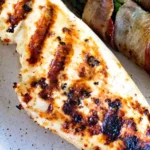
Caesar Grilled Chicken Breasts
- Total Time: PT505M
- Yield: 4 1x
- Diet: High Protein
Description
Plump, juicy grilled chicken breasts that are marinated in a creamy Caesar dressing. Full of flavor and tender, this is the perfect quick grilling recipe for busy nights.
Ingredients
- 1/2 c. creamy Caesar salad dressing
- 3 Tbsp olive oil
- 3 Tbsp Dijon mustard
- 6 garlic cloves, minced
- 4 (5 oz) boneless skinless chicken breast halves
Instructions
- Step: Combine dressing, oil, mustard and garlic in a large resalable plastic bag. Add the chicken to the marinade and turn to coat.
- Step: Refrigerate 8 hours or overnight.
- Step: When ready to grill the chicken preheat grill to medium heat.
- Step: Remove chicken from marinade and discard extra marinade.
- Step: Place chicken on grill, cover grill and grill over medium heat for 6-8 minutes on each side or until meat thermometer reads 170 degrees.
Notes
You can also make this in the oven. Simply broil the chicken breasts 4 inches from the heat for 6-8 minutes or until meat thermometer reads 170 degrees.
- Prep Time: PT10M
- Cook Time: PT15M
- Category: Main Course
- Method: Grilling
- Cuisine: American
Nutrition
- Serving Size: 1 chicken breast
- Calories: 396 kcal
- Sugar: 1 g
- Sodium: 617 mg
- Fat: 31 g
- Saturated Fat: 4 g
- Unsaturated Fat: 27 g
- Trans Fat: 0 g
- Carbohydrates: 3 g
- Fiber: 0 g
- Protein: 25 g
- Cholesterol: 83 mg
Keywords: grilled chicken, chicken breast, caesar chicken, easy grilling, healthy chicken