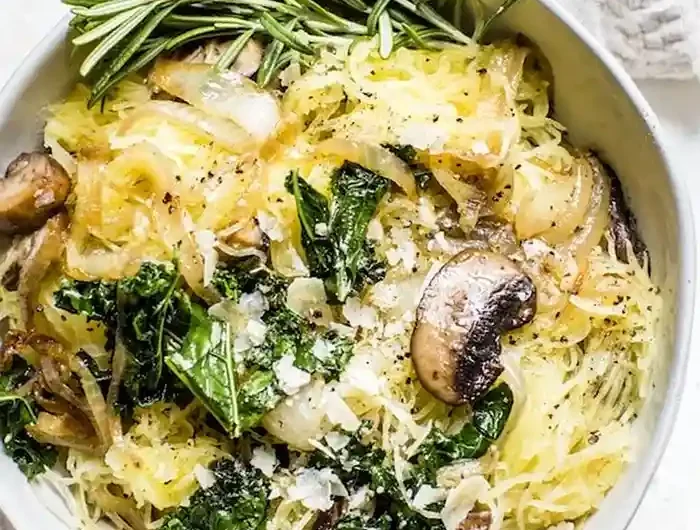
This dish transforms spaghetti squash into a savory meal by combining it with slow-cooked onions, earthy mushrooms, and nutrient-dense kale. It is a hearty, low-carb alternative to traditional pasta that focuses on deep, caramelized flavors.
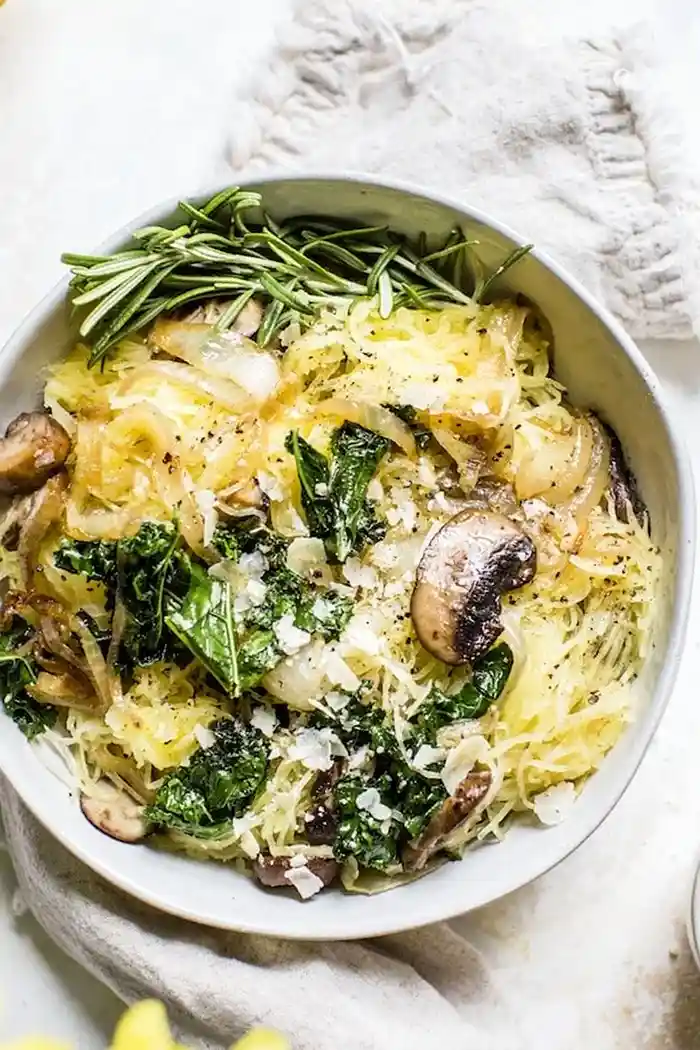
List of ingredients
- 1 2-3 lb. spaghetti squash – medium size for optimal roasting time.
- 1/4 cup olive oil – divided for roasting and sautéing.
- 2 tbsp butter – dairy-free option recommended.
- 2 medium yellow onions – peeled and sliced into long strips.
- 1 1/2 cup mushrooms – sliced to match the onion strips.
- 1 cup kale – chopped and stems removed.
- 1/4 tsp rosemary – fresh is preferred, but dried is acceptable.
- Salt and pepper – to taste for seasoning.
- Parmesan cheese – optional sprinkle using microbial-rennet cheese.
step-by-step instructions
- Preheat Oven: Set your oven to 350°F to ensure a consistent roasting temperature.
- Prepare Squash: Slice the squash in half lengthwise, scoop out the seeds with a spoon, and place the halves on a baking sheet.
- Season and Roast: Brush 2 tbsp of olive oil evenly across both sides of the squash halves and place them face down on the sheet.
- Sauté Aromatics: While the squash roasts, melt 2 tbsp of butter and the remaining 2 tbsp of olive oil in a large skillet over medium-high heat.
- Cook Onions: Add the sliced onions to the skillet, stirring occasionally. After 5 minutes of cooking, stir in the mushrooms.
- Caramelize: Continue cooking for approximately 10 minutes until the onions begin to brown. If they appear to be burning, add one extra tablespoon of oil to the pan.
- Wilt Greens: Stir in the chopped kale and continue cooking until the onions reach a deep golden brown color and the kale has softened.
- Cool the Squash: Remove the squash from the oven after 45 minutes and let it cool for about 10 minutes to make handling easier.
- Combine Ingredients: Use a fork to scrape the spaghetti-like strands from the squash and transfer them directly into the skillet.
- Final Seasoning: Add the rosemary, salt, and pepper to the pan. Stir everything together thoroughly.
- Finish and Serve: Sprinkle with optional parmesan cheese before serving immediately.
Essential Squash Selection and Preparation
Choosing the Right Size Squash
Selecting a squash between 2 and 3 pounds ensures a balanced cooking time. If the squash is too large, the exterior may overcook before the center is tender. Look for a squash with a firm, matte yellow skin and no soft spots.
Optimizing the Slicing Process
Cut the squash lengthwise to create two long boats. This provides the most surface area for the strands to develop. Use a heavy chef’s knife and apply steady pressure to safely cut through the tough outer rind.
The Importance of Face-Down Roasting
Placing the squash face down allows the moisture to stay trapped inside the vegetable. This method steams the flesh, making it easier to pull the strands away with a fork. It also prevents the top from drying out under the oven’s heat.
Advanced Caramelization Techniques
Maintaining Temperature Control
Use medium-high heat to start the process, but be ready to lower it if the onions brown too quickly. True caramelization happens when the natural sugars break down slowly. If the heat is too high, the onions will char rather than caramelize.
Timing the Mushroom Integration
Adding mushrooms after the onions have had a few minutes to soften prevents the mushrooms from releasing too much water too early. This allows the mushrooms to brown properly in the fat. This sequence ensures a richer flavor profile for the base.
Managing Fat Levels in the Pan
The combination of butter and olive oil provides both flavor and a higher smoke point. If the skillet looks dry, do not hesitate to add a small amount of extra oil. This prevents sticking and ensures the onions cook evenly across the entire surface.
Ingredient Customizations and Substitutions
Using Alternative Leafy Greens
While kale provides a sturdy texture, you can substitute it with baby spinach or Swiss chard. If using spinach, add it at the very end since it wilts much faster than kale. This keeps the greens from becoming overcooked and mushy.
Exploring Different Mushroom Varieties
Cremini or baby bella mushrooms offer a deeper, more savory taste than white button mushrooms. For an earthier flavor, try sliced shiitake or oyster mushrooms. Ensure they are sliced to a similar thickness as the onions for consistent cooking.
Vegan Cheese Alternatives
For a dairy-free version, replace the parmesan with nutritional yeast or a plant-based parmesan alternative. Nutritional yeast provides a similar nutty, cheesy flavor without the use of animal products. It blends well with the rosemary and caramelized onions.
Fresh vs Dried Rosemary
Fresh rosemary provides a bright, piney aroma that complements the sweetness of the onions. If using dried rosemary, reduce the amount slightly as dried herbs are more concentrated. Crush the dried leaves between your fingers before adding them to release the oils.
Serving and Pairing Ideas
Pairing with Lean Proteins
This dish works well as a main course but can also serve as a side for grilled chicken breast or baked tofu. The sweetness of the onions pairs perfectly with savory, salted proteins. Avoid overly sweet glazes on the meat to keep the flavor balance.
Adding a Splash of Acidity
A squeeze of fresh lemon juice or a teaspoon of apple cider vinegar added at the end can brighten the dish. Acidity cuts through the richness of the butter and caramelized onions. This enhances the overall taste and makes the flavors pop.
Garnishing for Presentation
Freshly chopped parsley or a few red pepper flakes can add a burst of color and a hint of spice. Serving the mixture back inside the roasted squash shells creates an attractive presentation for dinner guests. This also keeps the dish warmer for longer.
Storage and Reheating Guidelines
Cooling and Refrigeration
Allow the dish to cool completely before transferring it to an airtight container. This prevents steam from building up, which can make the squash strands soggy. Store the meal in the refrigerator for up to four days.
Recommended Container Types
Glass containers are ideal for storing this recipe as they do not absorb odors from the onions and garlic. Ensure the lid is sealed tightly to prevent the squash from absorbing other fridge smells. Portioning the meal into individual containers makes weekday lunches easier.
Maximum Storage Duration
For the best quality, consume the dish within 96 hours. Beyond this point, the squash may lose its structural integrity and become too soft. The flavors of the caramelized onions will continue to meld, but the texture of the kale will degrade.
Best Reheating Methods
The Skillet Method
Reheating in a skillet over medium heat is the best way to preserve the texture. Add a small teaspoon of olive oil or water to the pan to prevent sticking. Stir gently until the squash is heated through and the onions are fragrant again.
Quick Microwave Instructions
Place a portion in a microwave-safe dish and cover it loosely with a damp paper towel. Heat in 60-second intervals, stirring in between. This method is faster but can sometimes lead to uneven heating or a softer squash texture.
Batch Reheating in the Oven
For larger quantities, spread the mixture on a baking sheet and heat at 300°F for about 10-15 minutes. This method helps maintain the roasted quality of the squash. It is the best option if you are serving several people at once.
Preparation and Make-Ahead Advice
Pre-Chopping Components
You can slice the onions and mushrooms up to 24 hours in advance. Store them in separate containers or bags in the refrigerator. This significantly reduces the active prep time on the day of cooking.
Pre-Roasting the Squash
The squash can be roasted and stored in the fridge for two days before final assembly. When you are ready to eat, simply scrape the strands and add them to the freshly sautéed onion mixture. This keeps the squash from becoming overcooked during the sauté process.
Freezing the Onion Mixture
The caramelized onion, mushroom, and kale mixture freezes well. Store it in a freezer-safe bag and thaw it in the refrigerator overnight. Then, simply combine it with freshly roasted spaghetti squash for a quick meal.
Troubleshooting Common Issues
Preventing Watery Squash
If the squash seems too watery after roasting, let it sit for a few minutes and drain any excess liquid before adding it to the skillet. You can also pat the strands gently with a paper towel. This ensures the sauce clings to the squash instead of pooling at the bottom.
Correcting Over-Browned Onions
If the onions brown too quickly or start to taste bitter, remove the pan from the heat immediately. Add a tablespoon of water or vegetable broth to deglaze the pan and lower the temperature. This stops the burning process and incorporates the browned bits back into the dish.
Balancing Under-Seasoned Flavor
If the dish tastes flat, increase the salt or add a pinch of garlic powder. Caramelized onions are sweet, so they require a decent amount of salt to balance the profile. Taste the mixture after adding the rosemary to determine if more seasoning is needed.
Frequently Asked Questions
Can I use a different type of squash?
While butternut squash can be used, it does not have the characteristic spaghetti-like strands. You would need to cube or puree it instead. For a similar texture, stick to spaghetti squash or try kabocha squash, though the flavor will differ.
How do I know when the squash is fully cooked?
The squash is done when a fork easily pierces the skin and the flesh slides away from the rind. The edges of the squash should be slightly browned and caramelized from the oven heat. Usually, this takes 40 to 50 minutes depending on size.
Is spaghetti squash a good pasta replacement?
Yes, it is an excellent low-carb and gluten-free alternative to wheat pasta. It has a mild flavor that absorbs sauces and seasonings very well. It provides a similar mouthfeel to pasta while adding more fiber and vitamins to the meal.
How do I prevent the kale from overcooking?
Add the kale only after the onions have reached their desired color. Since kale is heartier than spinach, it takes a few minutes to wilt, but it can still become overcooked if left too long. Stir it in and remove the pan from heat as soon as the leaves are bright green and tender.
Print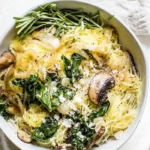
Caramelized Onion Spaghetti Squash
- Total Time: 35 minutes
- Yield: 2 servings 1x
- Diet: Vegetarian
Description
Onions sautéed with butter and olive oil create this scrumptious Caramelized Onion Spaghetti Squash recipe, complete with mushrooms!
Ingredients
- 1 2-3 lb. spaghetti squash
- 1/4 cup olive oil
- 2 tbsp dairy-free butter
- 2 medium yellow onions, peeled and sliced
- 1 1/2 cup mushrooms
- 1 cup kale
- 1/4 tsp rosemary
- Salt and pepper to taste
- Optional: sprinkle of microbial-rennet parmesan cheese
Instructions
- Preheat: Preheat oven to 350°.
- Prepare Squash: Slice squash in half, remove seeds and place on baking sheet.
- Brush Squash: Brush 2 tbsp olive oil on both sides of the squash (1 tbsp per half) and then place face down in the oven.
- Melt Fat: While squash is roasting, melt butter and last 2 tbsp oil over medium-high in a large skillet.
- Sauté Onions: Add onions to skillet, stirring occasionally. After 5 minutes, add mushrooms.
- Caramelize: After approximately 10 minutes, the onions should start to caramelize. If they look like they’re burning at all, add an extra tablespoon of oil.
- Add Kale: Add kale to skillet and continue to stir everything together until onions turn a nice golden brown color.
- Cool Squash: After 45 minutes, remove squash from oven and allow 10 or so minutes for it to cool off.
- Mix: Once slightly cooler, use a fork to remove “spaghetti” from squash and place in a skillet; add rosemary, salt and pepper and stir everything together.
- Finish: Add parmesan cheese if you wish and enjoy!
Notes
The larger the squash, the longer it’s going to take to roast. Cheese is optional to make the dish vegan.
- Prep Time: 10 minutes
- Cook Time: 25 minutes
- Category: Dinner
- Method: Roasting and Sautéing
- Cuisine: American
Nutrition
- Serving Size: 1 serving
- Calories: 628 kcal
- Sugar: 25 g
- Sodium: 238 mg
- Fat: 43 g
- Saturated Fat: 12 g
- Unsaturated Fat: 31 g
- Trans Fat: 0 g
- Carbohydrates: 63 g
- Fiber: 13 g
- Protein: 9 g
- Cholesterol: 31 mg
Keywords: spaghetti squash, caramelized onions, vegetarian dinner, low carb pasta alternative