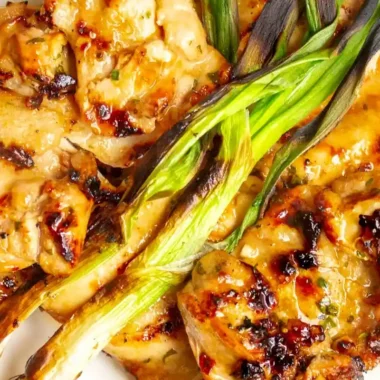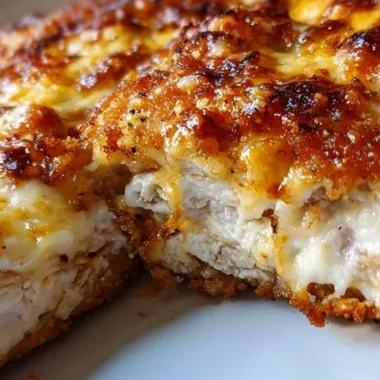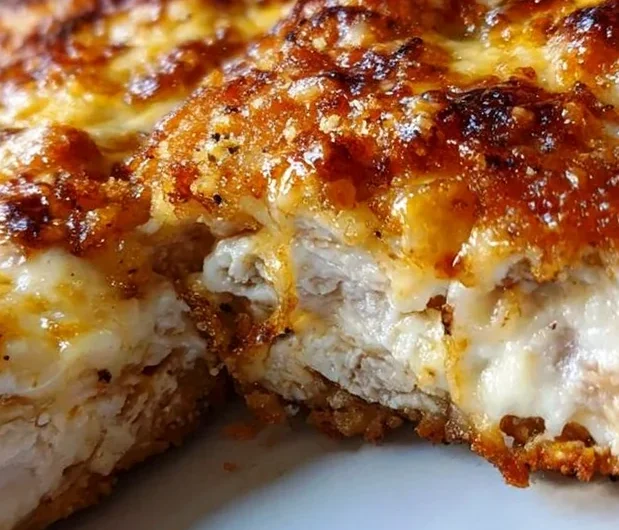
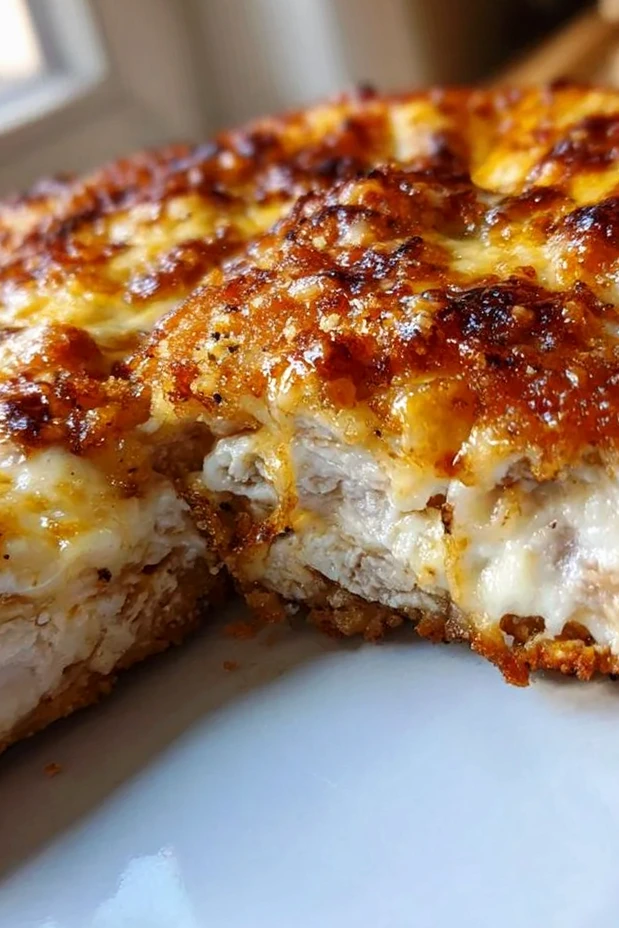
These protein-rich chicken cutlets feature a creamy cheese crust that stays juicy throughout the cooking process. This efficient meal is prepared in just 20 minutes using a simple skillet method perfect for weeknight dining.
List of ingredients
- 4 thin chicken cutlets – approximately 1/2 inch thick for even cooking.
- 1 cup cottage cheese – full-fat version is recommended for better creaminess.
- 1/4 cup grated Parmesan cheese – use freshly grated for optimal melting.
- 1 tsp garlic powder – provides a consistent savory base.
- 1 tsp Italian seasoning – adds a blend of aromatic herbs.
- Salt and pepper – used to taste for primary seasoning.
- 1 tbsp oil – olive oil or butter can be used for frying.
step-by-step instructions
- Season the meat: Sprinkle salt, pepper, and Italian seasoning on both sides of the chicken cutlets.
- Prepare the coating: In a mixing bowl, stir together the cottage cheese and Parmesan cheese until combined.
- Apply the crust: Spread the cheese mixture evenly across the top of each chicken cutlet.
- Heat the pan: Pour oil into a skillet over medium heat and wait until the oil shimmers.
- Sear the chicken: Place cutlets in the skillet cheese-side up and immediately cover with a lid.
- Cook through: Heat for 7 to 9 minutes until the chicken is fully cooked and the cheese has melted.
- Brown the top: Remove the lid and cook for an additional 1 to 2 minutes to crisp the cheese crust.
- Final step: Remove from heat and serve warm.
Cooking Techniques for Optimal Results
Patting Chicken Dry Before Seasoning
Moisture on the surface of the meat creates a barrier between the chicken and the cheese mixture. Use paper towels to firmly pat the cutlets dry on both sides before adding any seasoning. This ensures the cottage cheese adheres properly and does not slide off during the flipping or searing process.
Maintaining Medium Heat
Medium heat is essential to ensure the chicken cooks through before the cheese burns. If the pan is too hot, the cheese will brown too quickly and potentially char while the center of the chicken remains undercooked. If the heat is too low, the cheese will melt without developing the desired golden crust.
Avoiding Pan Overcrowding
Adding too many cutlets to the pan at once lowers the overall temperature of the cooking surface. This leads to the release of excess moisture, which can steam the chicken rather than sear it. Cook the cutlets in batches if your skillet is not large enough to leave space between each piece.
Using Freshly Grated Parmesan
Pre-grated cheeses often contain cellulose or anti-clumping agents that interfere with the melting process. Freshly grated Parmesan melts more smoothly into the cottage cheese, creating a cohesive crust. This results in a more consistent texture and a better golden-brown finish.
Alternative Ingredient Options
Swapping Parmesan for Mozzarella
For a milder flavor and a stretchier texture, replace the Parmesan with shredded mozzarella. Mozzarella provides a more neutral taste that appeals to children or those who prefer less salt. The crust will be softer and more gooey than the traditional Parmesan version.
Using Low-Fat Cottage Cheese
Low-fat or fat-free cottage cheese can be used, although it may not melt as smoothly as the full-fat variety. To compensate for the lack of fat, stir one teaspoon of olive oil or melted butter into the cheese mixture. This helps the crust brown more effectively in the pan.
Replacing Garlic Powder with Fresh Garlic
Freshly minced garlic offers a sharper, more pungent aroma than the powdered version. Use two cloves of finely minced garlic stirred directly into the cheese blend. Ensure the garlic is minced very small to avoid large chunks burning during the cooking process.
Alternative Oil Choices for Frying
While olive oil is a standard choice, avocado oil is an excellent alternative due to its higher smoke point. For a richer flavor profile, use unsalted butter. If using butter, keep the heat strictly at medium to prevent the milk solids from burning before the chicken is done.
Flavor Variations
Adding a Spicy Kick
To introduce heat to the dish, mix half a teaspoon of smoked paprika or cayenne pepper into the cheese blend. Smoked paprika adds a woody depth, while cayenne provides a sharper heat. These spices complement the tanginess of the cottage cheese well.
Mediterranean Style Adjustments
Create a Mediterranean profile by adding one tablespoon of chopped fresh dill and a squeeze of lemon juice to the cottage cheese. This adds a bright, acidic note that balances the richness of the cheese. Serve these with a side of olives or sliced cucumbers.
Italian-American Style Topping
For a heartier meal, top the cooked cutlets with a spoonful of marinara sauce and a slice of fresh basil. This transforms the dish into a variation of chicken parmesan. The acidity of the tomato sauce cuts through the creamy cheese crust.
Recommended Serving Pairs
Fresh Arugula Salad
A simple arugula salad dressed with a lemon vinaigrette provides a sharp contrast to the rich cheese. The peppery notes of the greens and the acidity of the lemon help cleanse the palate between bites. This keeps the meal feeling light and balanced.
Garlic Butter Rice
For a more filling dinner, serve the cutlets alongside white or brown rice cooked with garlic butter. The savory profile of the rice complements the Parmesan in the crust. This is an ideal option for those needing more carbohydrates for energy.
Roasted Root Vegetables
Roasted carrots, parsnips, or Brussels sprouts add necessary fiber and nutrients to the meal. Toss the vegetables in olive oil, salt, and pepper, then roast at 400 degrees Fahrenheit until caramelized. The sweetness of roasted carrots pairs well with the salty cheese.
Cucumber Yogurt Sauce
A side of Greek yogurt mixed with grated cucumber and dill provides a cooling element. This sauce is particularly effective if you have used the spicy variation of the recipe. Dip the crispy edges of the chicken into the sauce for a temperature and texture contrast.
Storage and Reheating Guidelines
Proper Refrigeration Method
Place leftover cutlets in a single layer in an airtight container to prevent them from sticking together. Ensure the chicken has cooled slightly before sealing the lid to avoid excess condensation. Store the container in the refrigerator for up to three days.
Oven Reheating for Texture
To maintain the integrity of the crust, reheat the chicken in an oven preheated to 350 degrees Fahrenheit. Place the cutlets on a wire rack over a baking sheet for about 10 minutes. This allows hot air to circulate around the meat, keeping the cheese from becoming soggy.
Stovetop Reheating Technique
For a faster result, use a dry skillet over medium heat. Place the cutlets in the pan and heat for 2 to 3 minutes per side. This method is the best way to restore the original crispness of the cottage cheese crust.
Avoiding Microwave Reheating
Using a microwave for reheating often leads to a rubbery texture in the chicken and a soggy crust. The microwave heats the moisture within the cheese too rapidly, destroying the fried exterior. Only use the microwave if time is extremely limited and texture is not a priority.
Advance Preparation Tips
Pre-Assembling the Cutlets
You can assemble the chicken cutlets with the cheese topping up to two hours before you intend to cook them. Keep them covered and refrigerated to maintain food safety. Note that the cheese may release some moisture, so you may need to pat the top slightly before frying.
Managing Cottage Cheese Moisture
If your cottage cheese is particularly watery, strain it through a fine-mesh sieve for 10 minutes before mixing. Removing excess whey prevents the coating from sliding off the chicken. This leads to a thicker, more stable crust that browns more evenly.
Pounding Thick Chicken Breasts
If you do not have pre-cut thin cutlets, you can create your own from full chicken breasts. Place the breast between two sheets of plastic wrap and use a meat mallet or rolling pin to flatten it to 1/2 inch. This ensures the chicken cooks at the same rate as the cheese melts.
Common Troubleshooting
Fixing a Sliding Crust
If the cheese mixture slides off the meat, it is usually due to excess surface moisture or using a pan that is too hot. Ensure the meat is completely dry before seasoning. If the crust slides during cooking, avoid flipping the chicken and instead use the lid to steam-cook the center.
Managing Burnt Cheese
Burnt cheese occurs when the oil temperature is too high or the heat is set to medium-high. If you notice the cheese browning too quickly, immediately lower the heat and add a teaspoon of water to the pan. The resulting steam will help cook the chicken without further charring the crust.
Ensuring Correct Internal Temperature
To avoid undercooked chicken, use a digital meat thermometer to check the thickest part of the cutlet. Chicken is safe to eat when it reaches an internal temperature of 165 degrees Fahrenheit. This removes the guesswork and prevents the need for overcooking the cheese.
Frequently Asked Questions
Can I use thick chicken breasts instead of cutlets?
Yes, but they must be pounded to a uniform thickness of about 1/2 inch. If left thick, the cheese crust will burn long before the center of the chicken reaches a safe temperature. Add 3 to 4 minutes of additional cooking time if the breasts are slightly thicker.
Can I bake these instead of pan-frying?
Baking is possible by placing the cutlets on a parchment-lined sheet at 375 degrees Fahrenheit for 20 minutes. While the crust will not be as crispy as the pan-fried version, it remains delicious. For better color, broil the cutlets for the final 60 seconds of cooking.
Will fat-free cottage cheese work?
Fat-free cottage cheese will work, but it lacks the lipids necessary for a rich, golden-brown melt. The texture will be slightly more grainy. To improve the result, stir in a small amount of melted butter or oil to help the browning process.
How long can I store leftovers?
Leftovers can be stored in the refrigerator for up to three days in an airtight container. For longer storage, these cutlets do not freeze well due to the high water content of the cottage cheese, which can separate upon thawing.
Print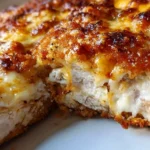
Cheesy Cottage Cheese Crusted Chicken Cutlets
- Total Time: 20 minutes
- Yield: 4 cutlets 1x
- Diet: Low Lactose
Description
Cottage Cheese Crusted Chicken Cutlets are simple, delicious, and perfect for busy weeknights. The creamy cottage cheese coating adds a unique twist, making them a family favorite.
Ingredients
- 4 thin chicken cutlets
- 1 cup cottage cheese
- 1/4 cup Parmesan cheese
- 1 tsp garlic powder
- 1 tsp Italian seasoning
- Salt and pepper to taste
- 1 tbsp oil
Instructions
- Step: Season the chicken cutlets with salt, pepper, and Italian seasoning on both sides.
- Step: Mix cottage cheese and Parmesan cheese in a bowl.
- Step: Spread the cheese mixture on top of each cutlet.
- Step: Heat oil in a skillet over medium heat.
- Step: Place cutlets cheese-side up in the skillet and cover with a lid.
- Step: Cook for 7–9 minutes until chicken is done and cheese is melted.
- Step: Remove the lid and crisp the top for 1–2 minutes.
- Step: Serve warm with a side salad or rice.
Notes
Use thin cutlets for even cooking. Adjust seasoning to taste. Pair with a light side for a balanced meal.
- Prep Time: 10 minutes
- Cook Time: 10 minutes
- Category: Dinner
- Method: Pan-frying
- Cuisine: American
Nutrition
- Serving Size: 1 cutlet
- Calories: 280 kcal
- Sugar: 2 g
- Sodium: 480 mg
- Fat: 14 g
- Saturated Fat: 5 g
- Unsaturated Fat: 7 g
- Trans Fat: 0 g
- Carbohydrates: 6 g
- Fiber: 1 g
- Protein: 39 g
- Cholesterol: 90 mg
Keywords: cottage cheese crusted chicken, healthy dinner, quick chicken recipe, high protein chicken