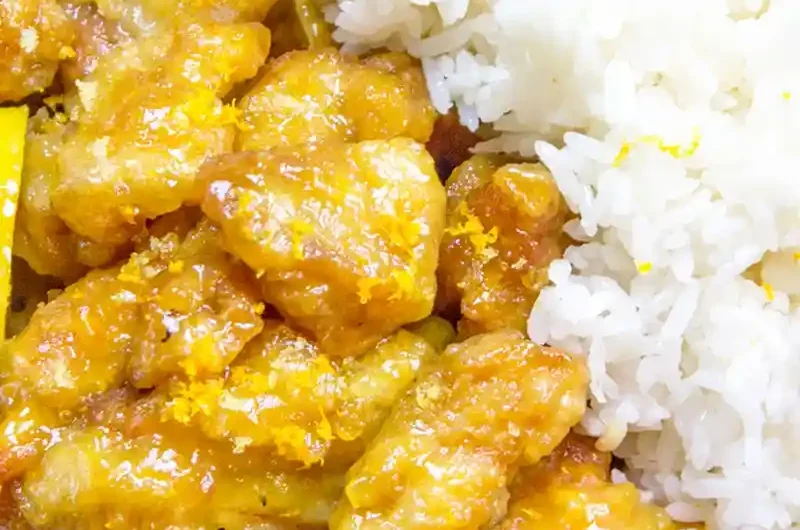
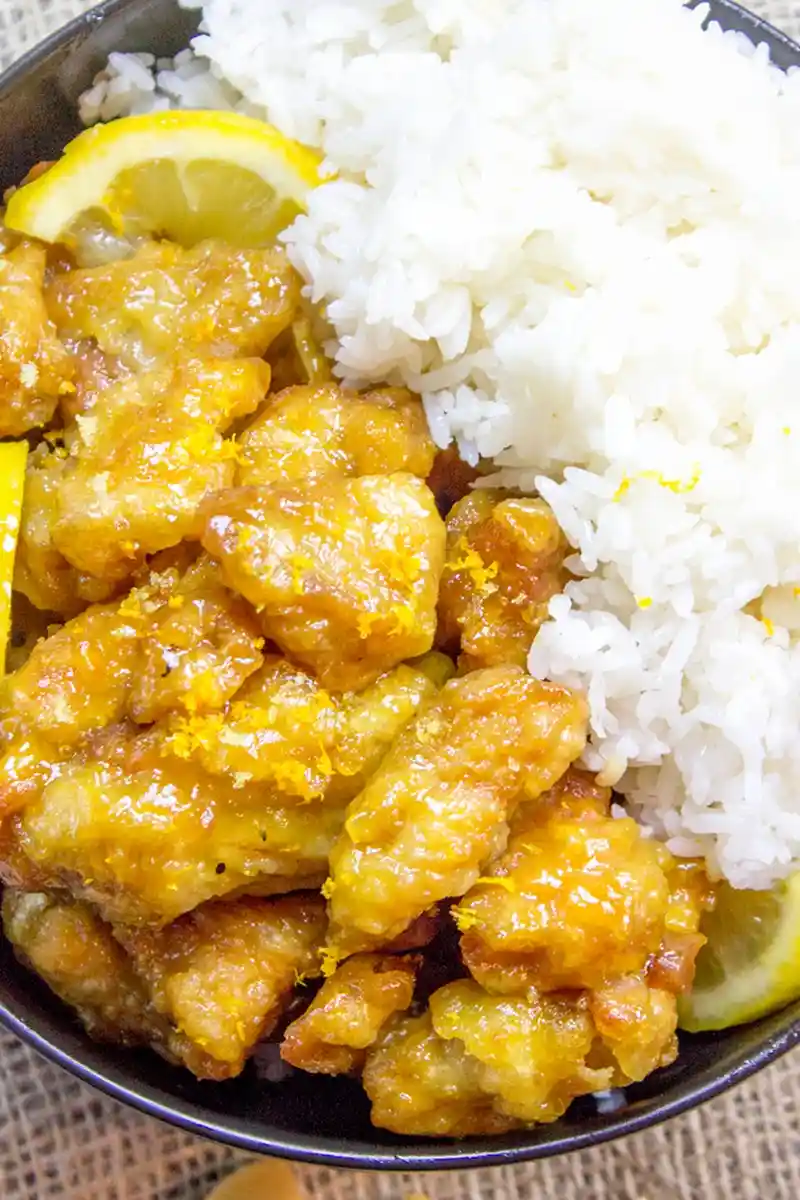
This recipe creates a restaurant-style lemon chicken with a crisp outer shell and a zesty, thickened glaze. It is a fast and effective way to enjoy a sweet and tangy main course at home.
List of ingredients
- 1 lb chicken thighs, cut into cubes – ensures juicy meat.
- 1 tbsp soy sauce – provides salt and umami.
- 2 tbsp cornstarch – used for the initial marinade.
- 1/3 c lemon juice – the primary acidic base for the sauce.
- 3 tbsp sugar – balances the acidity of the lemon.
- 1/2 c water – thins the sauce for even coating.
- 2 tsp cornstarch – acts as the thickening agent for the glaze.
- 1 tsp lemon zest – adds concentrated citrus aroma.
- 1/4 c flour – adds structure to the breading.
- 1/2 c cornstarch – creates a light, crispy crunch.
- oil for frying – use a high-smoke point oil.
step-by-step instructions
- Marinate the meat: Add soy sauce and 2 tbsp cornstarch to your chicken in a bowl and cover with plastic wrap. Let marinate for 30 minutes to allow flavors to penetrate.
- Prepare the glaze: While the chicken is marinating, add the lemon juice, sugar, water, 2 tsp cornstarch, and lemon zest to a small bowl and mix; set aside.
- Coat the chicken: Add the flour and 1/2 c cornstarch to the bowl of chicken and toss to coat every piece thoroughly.
- Heat the oil: In a pot with oil about three inches deep, heat on medium high until it reaches 350 degrees.
- Fry in batches: Add the chicken in batches so you don’t crowd the pot, as this prevents the chicken from sticking and keeps the oil temperature high.
- Cook until golden: Cook chicken until golden brown and when cooked, transfer the pieces to a skillet for the final tossing.
- Simmer the sauce: Once all chicken is fried, turn off the oil and place the skillet on medium high heat, then add the sauce mixture.
- Glaze the chicken: Coat the chicken pieces in the sauce and cook for just a few seconds until the glaze has thickened.
- Final serve: Serve immediately with steamed rice and vegetables to keep the coating crisp.
Selecting and Preparing the Protein
Choosing Boneless Skinless Chicken Thighs
Chicken thighs are preferred over breasts because they have a higher fat content. This prevents the meat from drying out during the deep-frying process. They also offer a deeper, richer flavor that stands up well to the acidic lemon sauce.
Achieving Uniform Cube Sizes
Cut the chicken into equal 1-inch cubes to ensure consistent cooking. Uniform pieces cook at the same rate, preventing smaller bits from overcooking while larger pieces remain raw. This consistency is key for a professional texture.
The Importance of the Initial Marination
Allowing the soy sauce and cornstarch to sit for 30 minutes creates a brine. This process seasons the interior of the meat rather than just the surface. The cornstarch in the marinade also helps the outer coating adhere better.
Handling Meat at Room Temperature
Let the marinated chicken sit for a few minutes before frying if it was very cold. Bringing the meat closer to room temperature ensures the center cooks through before the outside burns. This leads to a more even internal temperature.
Patting Excess Moisture
If the marinade seems too wet, lightly toss with a bit more flour. Excess moisture on the surface of the chicken can cause the oil to splatter violently. A dry surface leads to a crispier, more stable crust.
Frying Mastery and Oil Control
Choosing a High-Smoke Point Oil
Use oils like canola, peanut, or vegetable oil for this recipe. These oils can withstand the 350-degree heat without breaking down or smoking. Avoid extra virgin olive oil or butter, as they burn at lower temperatures.
Monitoring Oil Temperature
Use a kitchen thermometer to maintain exactly 350 degrees Fahrenheit. If the oil is too hot, the outside will burn while the inside stays raw. If it is too cool, the chicken will absorb too much oil and become greasy.
Preventing Pan Crowding
Fry the chicken in small batches to maintain the oil’s thermal mass. Adding too many pieces at once causes the temperature to drop significantly. This results in a soggy batter that lacks the signature crunch.
Identifying the Golden Brown Point
Remove the chicken as soon as it reaches a deep golden hue. Overcooking the breading can lead to a bitter taste. The residual heat will continue to cook the meat slightly after it is removed from the oil.
Proper Draining Techniques
Place the fried chicken on a wire rack or paper towels briefly before transferring to the skillet. This removes excess surface oil that could interfere with the sauce adhesion. A clean surface allows the glaze to stick better.
Maintaining Oil Safety
Never fill your frying pot more than halfway with oil to prevent boil-overs. Keep a lid nearby to smother any potential grease fires. Always add the chicken gently to avoid splashing hot oil on your skin.
The Science of the Coating
The Role of Cornstarch in Crispiness
Cornstarch prevents gluten development, which is what happens when you use only flour. This results in a thinner, crispier shell that stays crunchy longer. It creates a glass-like texture typical of Chinese-style fried chicken.
Combining Flour for Structure
Adding a small amount of flour provides the necessary structural integrity to the coating. While cornstarch provides the crunch, flour helps the batter cling to the meat. This combination prevents the breading from peeling off in the pan.
Avoiding Batter Clumping
Toss the chicken vigorously in the flour and cornstarch mixture. Ensure there are no pockets of dry powder, which can burn and create black specks in the oil. Shaking the pieces lightly before frying removes excess loose powder.
Maintaining Coating Integrity
Do not stir the chicken too aggressively once it is in the oil during the first minute. Allowing the coating to set prevents the batter from sloughing off. Once the crust is firm, you can move the pieces around.
Customizing and Balancing the Sauce
Balancing Acidity and Sweetness
The ratio of lemon juice to sugar is critical for the sweet and sour profile. If the sauce tastes too sharp, add a pinch more sugar. If it is too cloying, a small squeeze of fresh lemon juice can brighten the flavor.
Using Fresh Lemon Zest
The zest contains aromatic oils that lemon juice lacks. These oils provide the floral, citrus scent that makes the dish taste authentic. Always zest the lemon before juicing it for maximum efficiency.
The Function of the Cornstarch Slurry
Mixing the cornstarch into the cold liquid before heating prevents lumps. This slurry thickens the sauce almost instantly when it hits the hot skillet. It creates the glossy, transparent look of traditional Chinese glazes.
Alternative Sweeteners
Honey can be used as a replacement for sugar for a thicker, floral sweetness. Maple syrup is another option, though it will slightly alter the flavor profile. Adjust the water quantity if using a thicker syrup.
Adding Depth with Aromatics
For more complexity, you can stir in a small amount of minced ginger or garlic. These ingredients complement the lemon and soy sauce perfectly. Add them to the skillet just before pouring in the sauce mixture.
Serving and Pairing Recommendations
Preparing Perfect Jasmine Rice
Rinse jasmine rice under cold water until the water runs clear to remove excess starch. This ensures the grains remain fluffy and separate rather than sticky. Steam the rice just before serving the chicken to maintain heat.
Selecting the Best Steamed Vegetables
Broccoli florets are the classic choice because their heads soak up the extra lemon sauce. Steamed carrots or snap peas add a necessary color contrast and sweetness. Lightly salt the vegetables to enhance their natural flavor.
Integrating Baby Bok Choy
Baby bok choy provides a mild, peppery taste that cuts through the richness of the fried chicken. Steam it for only 3-4 minutes to keep the stems crisp. Slice them lengthwise for a more professional presentation.
Plating for Texture Retention
Place the rice and vegetables on the plate first, then nestle the glazed chicken on top. Avoid pouring extra sauce over the chicken for too long, as this can soften the crust. Serve immediately to ensure the best contrast in textures.
Garnish Options for Visual Appeal
Sprinkle toasted sesame seeds over the dish for a nutty finish. Sliced green onions add a fresh, sharp contrast to the sweet glaze. A few thin slices of fresh lemon on the side enhance the visual theme.
Storage and Reheating Advice
Refrigerating Leftovers
Store leftover chicken in an airtight container in the refrigerator for up to three days. Keep the chicken and the rice in separate containers to prevent the rice from absorbing the sauce. Cool the food quickly before sealing the lid.
The Best Way to Reheat for Crispness
An air fryer is the superior tool for reheating this dish. Heat at 350 degrees for 3-5 minutes until the coating crispens again. Avoid the microwave, as it will make the breading soggy and rubbery.
Using an Oven for Larger Quantities
Spread the chicken on a baking sheet and heat in a 375-degree oven for 10 minutes. This method preserves the texture better than a microwave. Turn the pieces once halfway through the heating process.
Handling the Sauce During Reheat
If the sauce has thickened too much in the fridge, add a teaspoon of water when reheating in a skillet. Heat the sauce separately and toss the chicken in it at the very end. This keeps the meat from becoming overcooked.
Troubleshooting Common Problems
Why is the Breading Falling Off?
This usually happens if the chicken was too wet when coated or if it was stirred too early in the oil. Ensure the meat is patted dry and the coating is tossed well. Let the pieces fry undisturbed for the first 60 seconds.
Why is the Sauce Too Thin?
The sauce may not have reached the proper temperature to activate the cornstarch. Ensure the skillet is on medium-high heat before adding the liquid. Simmer for a few extra seconds until the bubbles become large and slow.
Dealing with Excess Oiliness
Oily chicken is usually a result of the oil temperature dropping too low. This happens when the pan is crowded or the oil wasn’t preheated enough. Always use a thermometer and fry in small batches.
Fixing a Sauce That is Too Salty
If the soy sauce is too dominant, add a small amount of water or more lemon juice. The acidity of the lemon helps neutralize the perception of salt. A tiny bit of extra sugar can also balance the flavor.
Preventing Burnt Sugar in the Sauce
Sugar burns quickly at high temperatures. Only add the sauce to the skillet once the chicken is already cooked and removed from the oil. Cook the glaze only until it thickens, then remove from heat immediately.
Frequently Asked Questions
Can I use chicken breast instead of thighs?
Yes, you can use breast meat, but it is more prone to drying out. Reduce the frying time by 1-2 minutes to prevent the lean meat from becoming tough. Ensure the cubes are cut slightly larger than thighs.
Is it possible to bake this instead of frying?
Baking will not produce the same crispy texture as deep-frying. However, you can brush the coated chicken with oil and bake at 400 degrees until golden. The result will be softer and less like the traditional version.
Can I make the sauce in advance?
Yes, you can mix the sauce components and store them in the fridge. Shake the container well before using to redistribute the cornstarch. Heat it in the skillet as directed in the recipe.
What is the best substitute for cornstarch?
Arrowroot powder is the closest substitute and works similarly for thickening. Potato starch can also be used for the coating, though it may result in a slightly different crunch. Avoid using only flour, as it will be less crispy.
How do I stop the oil from splattering?
Ensure the chicken is not dripping with marinade before adding it to the oil. Using a splatter guard over the pot can also protect your stove. Gently slide the chicken into the oil rather than dropping it.
Can I use bottled lemon juice?
Bottled juice works, but fresh lemon juice provides a brighter, more authentic taste. If using bottled, avoid those with added preservatives or sugars. Always add fresh zest to make up for the loss of flavor.
Print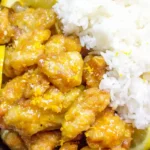
Chinese Lemon Chicken
- Total Time: 60 minutes
- Yield: 6 servings 1x
- Diet: General
Description
Classic Lemon Chicken with crispy battered chicken thighs in a sweet and tangy sauce makes this Chinese Lemon Chicken Recipe a treat. You can skip the delivery and the wait and make it at home!
Ingredients
- 1 lb chicken thighs (cut into cubes)
- 1 tbsp soy sauce
- 2 tbsp cornstarch
- 1/3 c lemon juice
- 3 tbsp sugar
- 1/2 c water
- 2 tsp cornstarch
- 1 tsp lemon zest
- 1/4 c flour
- 1/2 c cornstarch
- oil for frying
Instructions
- Step 1: Add soy sauce and the 2 tbsp cornstarch to your chicken in a bowl and cover with plastic wrap.
- Step 2: Let marinate for 30 minutes.
- Step 3: While the chicken is marinating add the lemon juice, sugar, water, 2 tsp cornstarch and lemon zest to a small bowl and mix; set aside.
- Step 4: Add the flour and 1/2 c cornstarch to the bowl of chicken and toss to coat.
- Step 5: In a pot with oil about three inches deep, heat on medium high to 350 degrees.
- Step 6: Add the chicken in batches so you don’t crowd the pot or the chicken will stick together and it will lower the temperature significantly causing your chicken to be oily.
- Step 7: Cook chicken until golden brown and when cooked, transfer the pieces to a skillet.
- Step 8: When you finish all the chicken, turn off the oil, turn the skillet onto medium high heat and add the sauce.
- Step 9: Coat the chicken pieces in the sauce and cook for just a few seconds until thickened.
- Step 10: Serve immediately with steamed rice and vegetables.
Notes
Chicken thighs are used for more flavor and affordability compared to breasts. If you are in a time crunch, you can skip the marinating time, though it adds deeper flavor.
- Prep Time: 15 minutes
- Cook Time: 15 minutes
- Category: Main Course
- Method: Frying
- Cuisine: Chinese
Nutrition
- Serving Size: 1 serving
- Calories: 266 kcal
- Sugar: 6 g
- Sodium: 228 mg
- Fat: 12 g
- Saturated Fat: 3 g
- Unsaturated Fat: 9 g
- Trans Fat: 0 g
- Carbohydrates: 24 g
- Fiber: 0 g
- Protein: 13 g
- Cholesterol: 74 mg
Keywords: Chinese Lemon Chicken Recipe, Lemon Chicken, Homemade Chinese Food