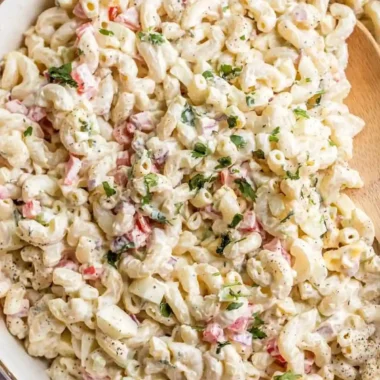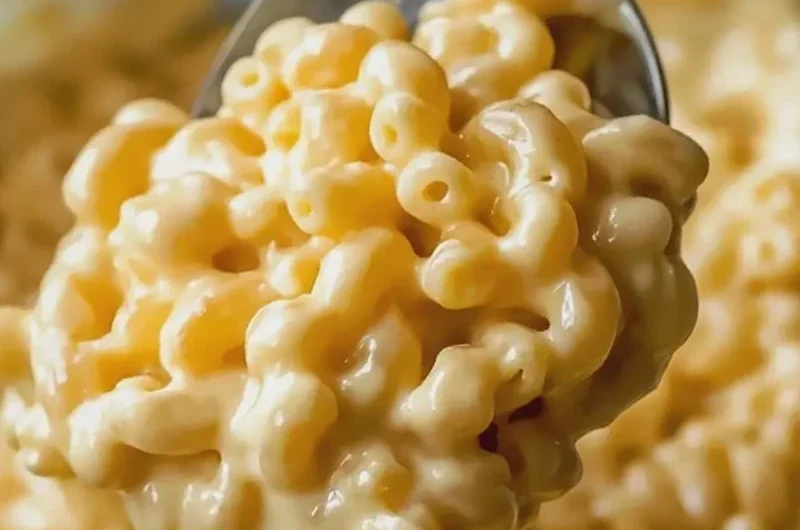
This homemade macaroni and cheese provides a velvety, rich cheese sauce that coats every piece of pasta perfectly. Designed for busy weeknights, it relies on simple pantry staples to deliver a satisfying, restaurant-quality comfort meal in under half an hour. It is a reliable, crowd-pleasing dish that requires minimal effort while maximizing flavor.
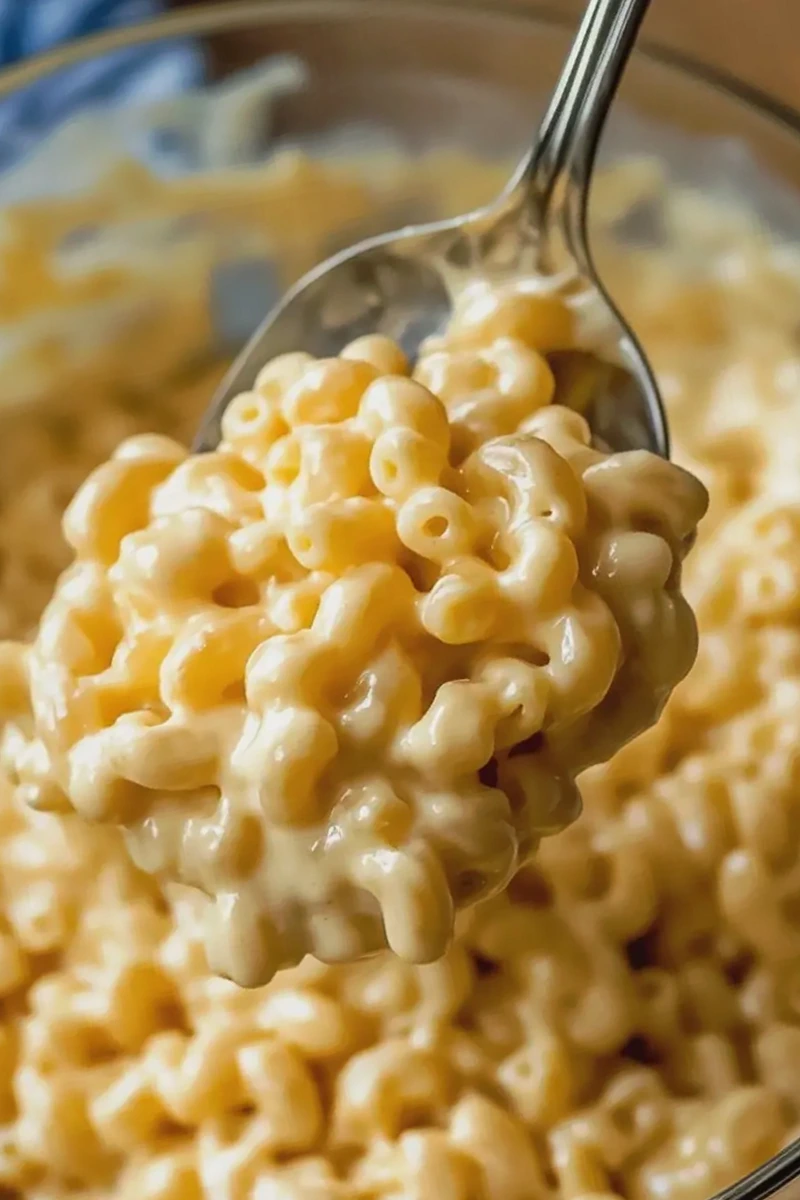
List of ingredients
- 16 oz elbow macaroni
- 3 cups shredded sharp cheddar cheese
- 1 cup shredded mozzarella cheese
- 1/2 cup grated Parmesan cheese
- 4 tablespoons unsalted butter
- 1/4 cup all-purpose flour
- 3 cups whole milk
- 1 teaspoon salt
- 1/2 teaspoon black pepper
- 1/2 teaspoon garlic powder
- 1/4 teaspoon ground mustard
step-by-step instructions
- Step: Bring a large pot of salted water to a boil. Add macaroni and cook according to package instructions until al dente. Drain and set aside.
- Step: In a large saucepan over medium heat, melt the butter. Whisk in the flour and cook for about 1 minute, stirring constantly, to form a roux.
- Step: Slowly whisk in the milk and cook, stirring frequently, until the mixture thickens and begins to bubble, about 4-5 minutes.
- Step: Lower the heat and add cheddar, mozzarella, and Parmesan cheeses, stirring until the cheese is melted and the sauce is smooth. Season with salt, black pepper, garlic powder, and ground mustard.
- Step: Add the cooked macaroni to the cheese sauce and stir to coat evenly. Cook for 1-2 minutes until heated through. Serve hot and enjoy!
Secrets to a Superior Cheese Sauce
Avoid Pre-Shredded Cheese Products
Pre-shredded cheese is often coated in potato starch or cellulose to prevent clumping in the bag. This extra coating interferes with the way the cheese melts into a liquid sauce, often leading to a gritty or grainy texture. For the smoothest possible results, purchase blocks of cheese and shred them yourself using a box grater.
Control the Heat Intensity
Cheese is highly sensitive to extreme temperatures. If the sauce is boiling when you add the cheese, the proteins can tighten and separate, causing the fat to pool on top. Always turn your heat to the lowest setting or remove the pan from the burner entirely before stirring in your cheese blends.
Maintain the Perfect Roux Consistency
The roux is the glue that holds your sauce together. When you whisk the flour into the butter, ensure the consistency looks like a thick, pasty paste before you add any milk. If it is too thin, add a tiny bit more flour; if it is too clumpy, add a splash more butter to smooth it out before the liquid phase.
Effective Texture Management
Achieving the Ideal Pasta Firmness
Because the pasta continues to absorb moisture and soften once it hits the cheese sauce, cooking it to al dente is vital. Test your pasta one minute before the package’s minimum recommended time. The noodles should still offer a slight, firm resistance to the tooth, which ensures they won’t turn mushy after being combined with the hot sauce.
Managing Sauce Thickness
If you find that your cheese sauce has become too thick before you add the pasta, whisk in an extra tablespoon of milk at a time until you reach your desired consistency. Different brands of flour and different types of stovetops can slightly alter how much moisture evaporates during the thickening process. Adjusting with small amounts of milk is the most effective way to balance the richness.
Serving and Pairing Concepts
Balancing the Richness
Macaroni and cheese is inherently rich and savory, so serving it alongside crisp, acidic vegetables provides a necessary palate cleanser. A simple salad dressed with a bright lemon vinaigrette or a side of steamed green beans tossed in lemon zest can balance the heavy dairy notes. These components provide a refreshing contrast to the creamy pasta.
Temperature Considerations
The best time to consume this dish is immediately after preparation when the sauce is at its peak emulsified state. As the dish cools, the starches in the pasta continue to absorb the sauce, which can make it appear thicker or drier over time. If you need to keep it warm for a short period, keep the pot covered on the lowest heat setting with a splash of extra milk reserved to thin it out if necessary.
Frequently Asked Questions
Why does my cheese sauce taste bland?
If your sauce lacks depth, it is often due to insufficient seasoning. Cheese varies in salt content, so always taste the sauce after the cheese has fully melted and add an extra pinch of salt if needed. Ingredients like garlic powder and dry mustard are also essential for waking up the natural fats in the cheddar and should not be omitted.
Is it possible to use different cheese varieties?
You can certainly experiment with different cheeses as long as they are good melting varieties. Fontina, Gruyère, or Monterey Jack are excellent substitutes that maintain the creamy texture required for this recipe. Avoid using aged cheeses like dry Pecorino or hard aged Gouda in large quantities, as they do not melt as smoothly as younger, softer cheeses.
How do I prevent the pasta from sticking?
After you drain your pasta, it can become sticky as it cools. If you are not adding it to the cheese sauce immediately, toss the cooked pasta with a tiny drop of olive oil or butter to keep the noodles separated. This simple step ensures that you won’t have large clumps of cold pasta when it is time to combine everything.
Can I make this dish ahead of time?
While this recipe is best served fresh, you can prepare the cheese sauce and cook the pasta separately in advance. Store them in the refrigerator, then combine and heat them on the stove over low heat when ready to serve. You may need to add a few tablespoons of milk during the reheating process to help bring the sauce back to its original silky state.
What is the best way to handle leftovers?
Store any leftovers in an airtight container in the refrigerator for up to three days. When reheating, use a saucepan on the stove rather than a microwave to maintain even heat distribution. Add a tablespoon of milk to the pan and cover it to allow the steam to rehydrate the sauce without causing the cheese to break or become oily.
Print
Classic Creamy Homemade Macaroni and Cheese
- Total Time: 40 minutes
- Yield: 4 servings 1x
- Diet: Vegetarian
Description
Creamy Mac and Cheese ready in under 30 minutes! Simple, comforting dish for weeknight dinners. Discover the recipe now!
Ingredients
- 16 oz elbow macaroni
- 3 cups shredded sharp cheddar cheese
- 1 cup shredded mozzarella cheese
- 1/2 cup grated Parmesan cheese
- 4 tablespoons unsalted butter
- 1/4 cup all-purpose flour
- 3 cups whole milk
- 1 teaspoon salt
- 1/2 teaspoon black pepper
- 1/2 teaspoon garlic powder
- 1/4 teaspoon ground mustard
Instructions
- Step: Bring a large pot of salted water to a boil. Add macaroni and cook according to package instructions until al dente. Drain and set aside.
- Step: In a large saucepan over medium heat, melt the butter. Whisk in the flour and cook for about 1 minute, stirring constantly, to form a roux.
- Step: Slowly whisk in the milk and cook, stirring frequently, until the mixture thickens and begins to bubble, about 4-5 minutes.
- Step: Lower the heat and add cheddar, mozzarella, and Parmesan cheeses, stirring until the cheese is melted and the sauce is smooth. Season with salt, black pepper, garlic powder, and ground mustard.
- Step: Add the cooked macaroni to the cheese sauce and stir to coat evenly. Cook for 1-2 minutes until heated through. Serve hot and enjoy!
Notes
Room Temperature: Mac and cheese should not be kept at room temperature for more than 2 hours. If it’s been left out, it’s safer to discard it to avoid foodborne illness. Refrigerator: Store your mac and cheese in an airtight container for up to 3-5 days. This keeps it fresh and prevents odors from other foods from getting in. Freezer: You can freeze mac and cheese for up to 3 months. Use a freezer-safe container or heavy-duty foil. Make sure to let it cool completely before freezing. Reheating: To reheat, thaw in the fridge overnight, then warm in the oven at 350°F for about 20-25 minutes. Add a splash of milk to help revive the creaminess.
- Prep Time: 15 minutes
- Cook Time: 25 minutes
- Category: Main Course
- Method: Stovetop
- Cuisine: International
Nutrition
- Serving Size: 1 serving
- Calories: 355 kcal
- Sugar: 4 g
- Sodium: 687 mg
- Fat: 14 g
- Saturated Fat: 8 g
- Unsaturated Fat: 4 g
- Trans Fat: 0 g
- Carbohydrates: 43 g
- Fiber: 2 g
- Protein: 17 g
- Cholesterol: 48 mg
Keywords: cheese pasta bake, comfort food, creamy pasta recipe, easy pasta dish, homemade mac and cheese, mac and cheese recipe, quick dinner recipe, simple weeknight meal