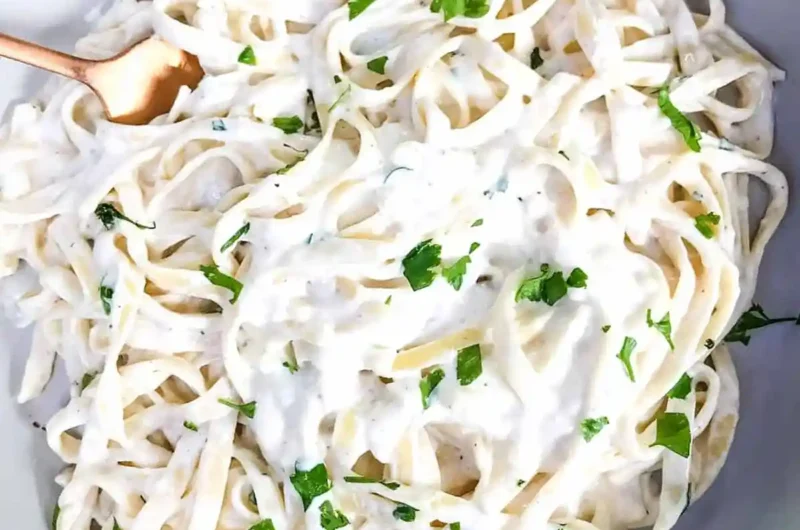
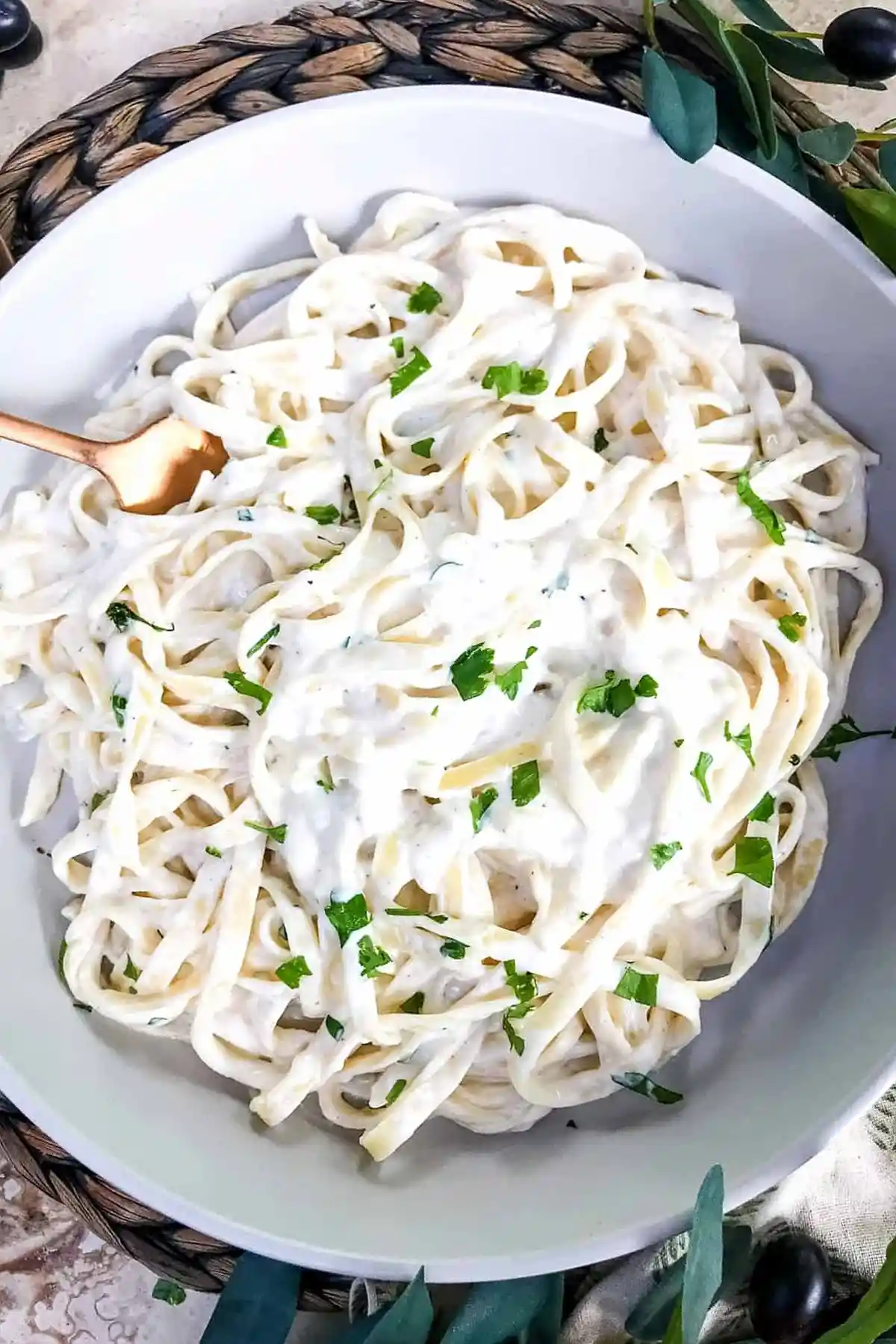
This creamy, restaurant-style pasta dish can be prepared in your own kitchen in under 30 minutes. The recipe focuses on a rich butter and cream sauce that perfectly coats fettuccine noodles for a satisfying meal.
List of ingredients
- 1 pound fettuccine – high-quality dried or fresh noodles.
- 1/4 pound unsalted butter – one standard stick.
- 2 cups heavy cream – for a rich, velvety texture.
- 1/4 teaspoon nutmeg – adds a subtle, warm depth of flavor.
- 1 1/2 cups freshly grated Parmesan – use a microbial-rennet variety for safety.
- Salt – added to taste after the cheese is incorporated.
- Black pepper – adjusted to your preference for spice.
step-by-step instructions
- Boil the Pasta: Start the water for the fettuccine and cook according to package directions. Stop just before it reaches al dente, as it will finish cooking in the sauce. Reserve 1 cup of the cooking liquid before draining.
- Melt Butter and Cream: While the pasta cooks, combine the butter and heavy cream in a large pot or wide skillet with tall edges. Heat over medium until the butter is completely melted into the cream.
- Infuse Flavor: Turn the heat down to medium-low. Whisk in the nutmeg until it is evenly distributed throughout the mixture.
- Create the Cheese Sauce: Stir in the freshly grated Parmesan cheese. Add salt and black pepper to taste, keeping in mind that the cheese already contains sodium.
- Combine Pasta and Sauce: Add the cooked fettuccine to the pot and toss to coat. Let it simmer for 2-3 minutes to allow the flavors to merge. If the sauce is too thick, stir in small amounts of reserved pasta water or extra cream.
- Final Additions: Mix in steamed vegetables or top with cooked chicken or beef sausage if desired. Serve the dish immediately while hot.
Perfecting the Sauce Consistency
Utilize Reserved Pasta Water
The starchy water remaining after boiling the noodles acts as a natural emulsifier. When stirred into the Alfredo sauce, it helps the fats from the butter and cream bind more effectively to the pasta. This results in a glossy coating rather than a sauce that pools at the bottom of the plate.
Maintain Precise Heat Control
Maintaining a medium-low temperature is critical when incorporating the cheese. High heat can cause the proteins in the Parmesan to clump or the fats to separate, leading to a grainy texture. Keeping the heat gentle ensures the cheese melts smoothly into the cream base.
Avoid Pre-Shredded Cheese
Pre-shredded cheeses often contain potato starch or cellulose to prevent clumping in the packaging. These additives can interfere with the melting process and create a sandy mouthfeel. Grating your own cheese from a block ensures a velvety, professional-grade consistency.
Hearty Protein Additions
Integrating Grilled Chicken
Season chicken breasts with salt, pepper, and garlic powder before searing them in a pan. Slice the cooked chicken into strips and place them on top of the plated pasta. This adds lean protein and a smoky char that complements the rich cream sauce.
Adding Beef or Turkey Sausage
Use high-quality beef or turkey sausage links for a savory twist. Brown the sliced sausage in a skillet until crisp and fold them into the pasta during the final simmering step. The savory spices in the meat provide a great contrast to the mildness of the cream.
Incorporating Pan-Seared Shrimp
Sauté shrimp in a small amount of butter and garlic until they turn pink and opaque. Add the shrimp and their pan juices to the Alfredo sauce just before serving. This ensures the shrimp remain tender and juicy without overcooking.
Vegetable Enhancements
Adding Steamed Broccoli Florets
Steam fresh broccoli until tender-crisp and fold them into the pasta during the last two minutes of cooking. The vibrant green color breaks up the monochromatic look of the dish. Broccoli also absorbs the creamy sauce, making every bite flavorful.
Folding in Sautéed Spinach
Sauté fresh baby spinach in a pan with a touch of olive oil until wilted. Stir the spinach into the fettuccine right before serving to maintain its bright color. This adds a nutritional boost and a slight earthy flavor to the meal.
Using Sautéed Mushrooms
Brown sliced cremini or button mushrooms in a skillet until they are golden and the moisture has evaporated. Mix the mushrooms into the sauce to add an umami depth. This variation gives the dish a more rustic, earthy profile.
Ingredient Substitutions
Cream Alternatives
If heavy cream is unavailable, you can use half-and-half, though the sauce will be thinner. To compensate for the lack of thickness, you may need to simmer the sauce longer or add a small amount of cornstarch slurry. Note that the overall richness will be slightly reduced.
Pasta Shape Variations
While fettuccine is traditional, penne or rigatoni are excellent alternatives. These tubular shapes trap the sauce inside, providing a different texture and eating experience. Use the same cooking method regardless of the pasta shape chosen.
Alternative Cheese Options
Pecorino Romano can be used as a substitute for Parmesan for a saltier, sharper flavor. If using Pecorino, reduce the additional salt added to the recipe to avoid over-seasoning. You can also use a blend of both cheeses for a complex flavor profile.
Storage and Preservation
Proper Cooling Methods
Allow the pasta to cool slightly before transferring it to a storage container. Placing steaming hot pasta directly into a sealed container can create excess condensation. This moisture can make the noodles mushy and degrade the quality of the sauce.
Refrigeration Guidelines
Store the leftovers in an airtight container in the refrigerator for up to three days. Because the sauce is dairy-based, it is important to keep it chilled. Be aware that the sauce will thicken significantly as it cools.
Freezing Considerations
Alfredo sauce is not recommended for freezing as the emulsion often breaks during the thawing process. This can result in a separated sauce with a grainy texture. It is best to enjoy this dish fresh or stored in the refrigerator.
Effective Reheating Techniques
Stovetop Reheating
Place the leftover pasta in a skillet over low to medium heat. Add a splash of milk or water to help loosen the thickened sauce. Stir gently and constantly until the dish is heated through and the sauce becomes creamy again.
Microwave Method
Heat the pasta in short 30-second intervals, stirring in between each pulse. Adding a teaspoon of water or milk before heating helps prevent the sauce from separating. This method is fast but requires careful attention to avoid hotspots.
Preventing Sauce Separation
Avoid using high heat when reheating, as this can cause the fats to split from the liquids. Using a gentle heat source allows the emulsion to reform. If the sauce looks oily, whisk in a tablespoon of warm milk to bring it back together.
Troubleshooting Common Issues
Fixing a Grainy Sauce
A grainy texture is usually caused by overheating the cheese or using pre-shredded products. If this happens, try whisking in a small amount of heavy cream over very low heat. This can sometimes smooth out the texture, though fresh grating is the best prevention.
Correcting a Sauce That Is Too Thick
If the sauce becomes too heavy or sticky, gradually stir in the reserved pasta water. The starch in the water helps thin the sauce while maintaining its glossy appearance. Add the liquid one tablespoon at a time until the desired consistency is reached.
Handling a Sauce That Is Too Thin
To thicken a sauce that is too runny, let it simmer on low heat for a few additional minutes. This allows more moisture to evaporate, concentrating the fats and solids. Alternatively, stir in a small amount of additional grated Parmesan cheese.
Serving and Presentation
Garnish Ideas
Sprinkle freshly chopped parsley or chives over the top for a pop of color. A final dusting of grated Parmesan adds a professional touch. Freshly cracked black pepper on top also enhances the visual appeal and flavor.
Complementary Side Dishes
Serve the Alfredo with a side of toasted garlic bread to scoop up extra sauce. A crisp arugula or Caesar salad provides a necessary acidic contrast to the richness of the cream. Roasted asparagus is another healthy and flavorful pairing.
Plating Techniques
Use a pasta fork or tongs to twirl the fettuccine into a high mound in the center of the plate. This creates a restaurant-style presentation. Pour a small amount of extra sauce over the peak to ensure the dish looks moist and appetizing.
Frequently Asked Questions
Why did my Alfredo sauce separate?
Separation occurs when the sauce is heated too quickly or reaches a boil after the cheese has been added. This causes the fat to detach from the liquid. To fix it, remove the pan from the heat and whisk in a bit of cold cream or pasta water.
Can I use milk instead of heavy cream?
Milk does not have enough fat to thicken naturally into a creamy sauce. If you use milk, you will need to create a roux with butter and flour first to achieve the correct thickness. However, the flavor will not be as rich as the original.
How can I make this recipe lighter?
Replace half of the heavy cream with low-sodium vegetable broth or reserved pasta water. You can also increase the amount of steamed vegetables to lower the overall calorie density per serving. Using a whole-grain pasta adds more fiber to the meal.
Which type of butter is best to use?
Unsalted butter is recommended so that you have full control over the salt level of the dish. Since Parmesan cheese is naturally salty, using salted butter can easily make the sauce over-seasoned. If you only have salted butter, omit the extra salt during the seasoning step.
Print
Copycat Olive Garden Fettuccine Alfredo
- Total Time: 20 minutes
- Yield: 4 servings 1x
- Diet: Vegetarian
Description
A copycat of the Olive Garden Fettuccine Alfredo sauce recipe. Ready in less than 30 minutes. Add meat or vegetables of choice for a family favorite!
Ingredients
- 1 pound fettuccine
- 1/4 pound unsalted butter
- 2 cups heavy cream
- 1/4 teaspoon nutmeg
- 1 1/2 cups freshly grated Parmesan
- salt
- black pepper
Instructions
- Step: Start the water for the fettuccine pasta. Cook as per package directions until just shy of al dente (it will be added to the sauce later and will continue to cook). If the pasta is done too early, drain and set aside while reserving 1 cup of the cooking liquid just in case the sauce is too thick.
- Step: As the water is starting for the pasta, combine the butter and cream in a large pot or a wide skillet with tall edges. Heat over medium until the butter is melted into the cream.
- Step: Turn heat down to medium low. Add the nutmeg to the cream and butter mixture. Whisk to combine.
- Step: Add the Parmesan cheese. Season with salt and pepper to taste (cheese is salty, so make sure you do not salt until after the Parmesan is added).
- Step: Add the pasta to the sauce and toss to coat. Let it cook for 2-3 minutes to combine the flavors. If the sauce is too thick, add a little pasta water at a time to loosen the sauce (or cream). If too thin, let it cook a little longer.
- Step: Mix in steamed vegetables or serve with chicken or plant-based sausage if desired. Serve immediately.
Notes
The quality of the cheese is very important since it is the star of the dish. Use any freshly grated Parmesan cheese. Lighten the dish with adding steamed vegetables, such as peas or broccoli. Add some chicken or plant-based sausage for the meat lovers. Make shredding cheese easy by using a food processor. To ensure a truly vegetarian dish, make sure the cheese is vegetarian.
- Prep Time: 0 minutes
- Cook Time: 20 minutes
- Category: Main Course, Side Dish
- Method: Stovetop
- Cuisine: American, Italian
Nutrition
- Serving Size: 1 serving
- Calories: 1197 kcal
- Sugar: 3 g
- Sodium: 673 mg
- Fat: 82 g
- Saturated Fat: 49 g
- Unsaturated Fat: 33 g
- Trans Fat: 0 g
- Carbohydrates: 85 g
- Fiber: 4 g
- Protein: 32 g
- Cholesterol: 345 mg
Keywords: 30 Min or Less, Copycat, Pasta, Vegetarian