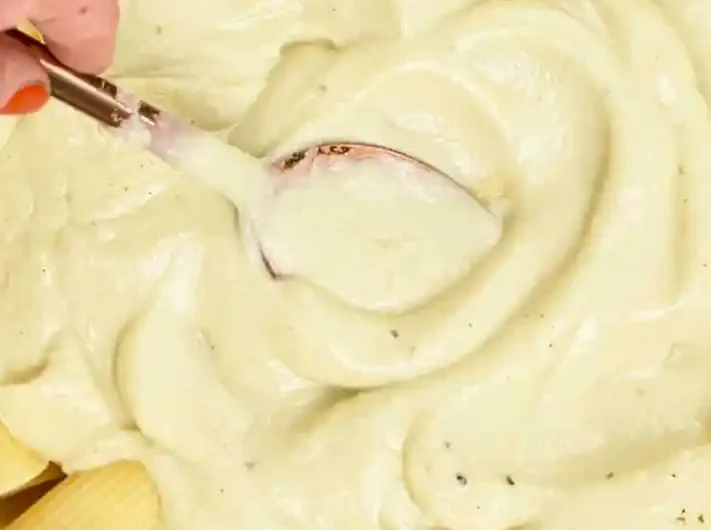
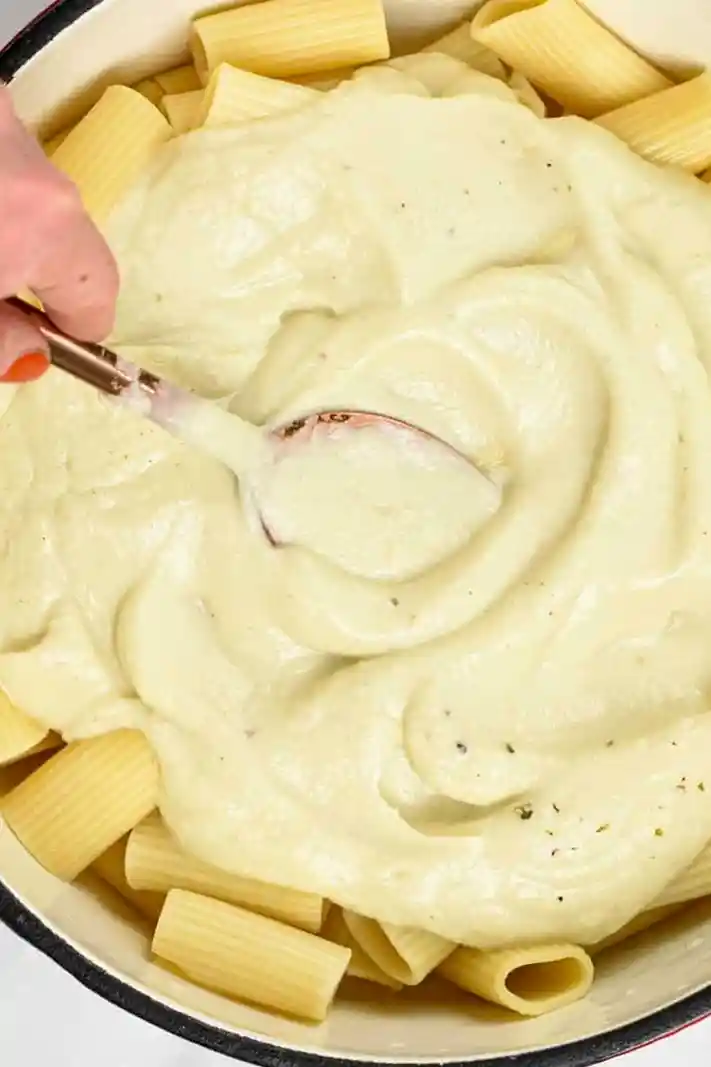
This velvety cauliflower alfredo is a nutrient-dense, dairy-free alternative to traditional cream sauces. It provides a rich, cheesy flavor using plant-based ingredients, making it ideal for vegan or low-carb diets.
List of ingredients
- 2 tablespoons Coconut Oil – can be replaced with vegan butter or unsalted butter.
- 4 cups Cauliflower – cut into small, bite-sized florets.
- 2 teaspoons Garlic Cloves – minced, which is approximately 8 cloves.
- 1 cup Vegetable Stock – used for simmering and adding depth.
- 1/2 teaspoon Italian Seasoning – a blend of dried herbs for aromatic flavor.
- 1/2 teaspoon Salt – to enhance the overall savory taste.
- 1/2 teaspoon Pepper – for a subtle warmth.
- 3 tablespoons Nutritional Yeast – provides the classic cheesy flavor; use grated Parmesan for non-vegan versions.
- 1/4 – 1/2 cup Unsweetened Almond Milk – optional, used to adjust the final thickness.
step-by-step instructions
- Sauté Aromatics: Melt the coconut oil in a non-stick pot over medium heat. Add the cauliflower florets and minced garlic, stirring for about 2 minutes until the garlic becomes fragrant.
- Simmer Vegetables: Pour in the vegetable stock and stir in the Italian seasoning, salt, and pepper. Cover the pot, bring the liquid to a light boil, then reduce heat to low-medium and simmer for 6-7 minutes until the cauliflower is fork tender.
- Release Steam: Remove the pot from the heat and take off the lid. Let the mixture sit and steam out for 10 minutes to remove excess surface moisture.
- Blend the Sauce: Transfer all the cooked ingredients into a heat-safe blender jug along with the nutritional yeast or Parmesan. Blend on high speed (level 6-7) until the mixture is completely smooth.
- Adjust Consistency: If the sauce is too thick for your preference, add the unsweetened almond milk a quarter-cup at a time. Blend again after each addition until you reach your desired creamy texture.
- Serve: Use the sauce immediately over hot pasta or as a topping for steamed vegetables.
Ingredient Alternatives and Selections
Selecting the Best Cauliflower
Choose a cauliflower head that is tight, heavy for its size, and bright white. Avoid heads with brown spots or loose florets, as these can affect the flavor and the final smoothness of the puree.
Vegan Butter Alternatives
While coconut oil provides a rich base, you can use olive oil for a lighter taste and lower saturated fat content. Avocado oil is another excellent neutral option that won’t alter the flavor of the vegetables.
Using Different Plant Milks
Unsweetened almond milk is recommended for its neutral taste, but cashew milk offers a creamier consistency due to its higher fat content. Oat milk is also a viable option, though it may add a slight sweetness to the sauce.
Enhancing the Cheesy Flavor
Nutritional yeast is the key to the dairy-free cheese taste, providing a nutty and savory profile. If you are not following a vegan diet, high-quality aged Parmesan adds a sharper, more traditional Alfredo saltiness.
Garlic Powder vs Fresh Garlic
Fresh minced garlic provides the most pungent and aromatic flavor for this sauce. If you only have garlic powder, use about 1/4 teaspoon per clove required to maintain the flavor balance.
Mastering the Cooking Process
Proper Cauliflower Cutting
Cut the cauliflower into uniform, small florets to ensure they cook evenly. Removing the thicker stems and focusing on the tops helps the blender create a more homogenous, velvet-like texture.
Controlling the Simmer
Avoid boiling the cauliflower vigorously for too long, as this can break down the vegetables too much and lead to a mushy consistency. A gentle simmer ensures the florets are tender but still hold enough structure for a thick sauce.
The Importance of Steaming Out
Allowing the pot to steam for 10 minutes after cooking is a critical step. This removes the excess water that would otherwise thin out the sauce, giving you more control over the final thickness during blending.
Blending for Maximum Smoothness
Use a high-speed blender to ensure there are no remaining lumps of cauliflower. If your blender struggles, increase the speed gradually and use a tamper to push the ingredients toward the blades.
Ways to Serve Your Sauce
Pairing with Gluten-Free Pasta
This sauce pairs beautifully with brown rice pasta or chickpea pasta for a protein-rich meal. The creaminess of the cauliflower balances the heartier texture of gluten-free alternatives.
Using Zucchini Noodles
For a very low-carb option, use spiralized zucchini noodles. Sauté the noodles quickly for 2 minutes before tossing them in the sauce to avoid releasing too much water into the dish.
Topping Roasted Root Vegetables
Instead of pasta, pour the warm sauce over roasted carrots, parsnips, or Brussels sprouts. The rich, savory notes of the Alfredo complement the natural sweetness of roasted vegetables.
Adding Protein to the Dish
Enhance the meal by adding grilled tofu, chickpeas, or steamed shrimp. These proteins soak up the sauce well and turn the side dish into a complete, filling meal.
Preservation and Storage Tips
Refrigeration Guidelines
Store any leftover sauce in an airtight glass container in the refrigerator. It will remain fresh and safe to eat for up to 3 days.
Freezing and Thawing
The sauce can be frozen for up to 3 months in a freezer-safe container. For best results, thaw the sauce in the refrigerator overnight before reheating it.
Preventing Separation After Storage
Plant-based sauces can sometimes separate or thicken significantly in the fridge. To fix this, whisk in a tablespoon of warm water or almond milk while reheating to restore the emulsion.
Reheating and Texture Management
Stove Top Reheating
Warm the sauce in a small saucepan over low heat. Stir constantly to prevent the bottom from scorching and add a splash of vegetable broth if the sauce becomes too thick.
Microwave Method
Place the sauce in a microwave-safe bowl and heat in 30-second intervals. Stir the sauce between each burst of heat to ensure it warms evenly and stays smooth.
Fixing a Sauce That Is Too Thick
If the sauce is too dense, blend in additional unsweetened almond milk or vegetable stock. Add these liquids one tablespoon at a time until the sauce glides easily off a spoon.
Fixing a Sauce That Is Too Thin
To thicken a runny sauce, you can simmer it on the stove for a few minutes to reduce the liquid. Alternatively, blend in a small amount of steamed, pureed cauliflower to increase the body.
Customizing the Taste
Adding a Hint of Lemon
Squeeze a small amount of fresh lemon juice into the blender. The acidity cuts through the richness of the coconut oil and brightens the overall flavor of the cauliflower.
Incorporating Fresh Herbs
Stir in chopped fresh parsley, basil, or chives after blending. This adds a pop of color and a fresh, garden-like taste that complements the Italian seasoning.
Adding Spicy Elements
For a spicy twist, add a pinch of cayenne pepper or red chili flakes to the pot during the simmering stage. This creates a subtle heat that contrasts well with the creamy texture.
Using Roasted Cauliflower for Depth
Try roasting the cauliflower florets in the oven before simmering them in stock. This introduces a nutty, caramelized flavor that adds complexity to the final sauce.
Common Questions and Answers
Can I use frozen cauliflower?
Yes, frozen cauliflower works well. Thaw and drain the florets before cooking to prevent the sauce from becoming too watery, as frozen vegetables release more moisture.
How do I make the sauce thicker?
You can increase the thickness by adding more steamed cauliflower to the blender. Alternatively, stirring in a bit of grated vegan cheese or cashew cream will provide more body.
Can I replace nutritional yeast with something else?
If you don’t have nutritional yeast, you can use grated Parmesan cheese or a small amount of miso paste. Miso provides a similar savory, umami depth without the cheese flavor.
Is this sauce suitable for a keto diet?
Yes, this sauce is naturally low in net carbs. When served with zucchini noodles or steamed vegetables instead of grain-based pasta, it fits perfectly into a ketogenic lifestyle.
Print
Creamy Cauliflower Alfredo Sauce
- Total Time: 30 minutes
- Yield: 4 servings 1x
- Diet: Vegan
Description
This Cauliflower Alfredo Sauce is a healthy, dairy-free Alfredo Sauce recipe made from cauliflower florets. It’s a delicious low-carb vegan sauce for pasta or steamed vegetables.
Ingredients
- 2 tablespoons coconut oil
- 4 cups cauliflower
- 2 teaspoons minced garlic (about 8 cloves)
- 1 cup vegetable stock
- 1/2 teaspoon Italian seasoning
- 1/2 teaspoon salt
- 1/2 teaspoon pepper
- 3 tablespoons nutritional yeast
- 1/4 – 1/2 cup unsweetened almond milk
Instructions
- Sauté: In a non-stick pot over medium heat, melt the coconut oil, then add cauliflower florets and minced garlic; stir and cook for about 2 minutes until fragrant.
- Simmer: Add vegetable stock, Italian seasoning, salt, and pepper; cover, bring to a light boil, then reduce to low-medium heat and simmer until cauliflower is fork tender (about 6-7 minutes).
- Steam: Remove from heat, remove the lid, and let it steam out for 10 minutes.
- Blend: Add all cooked ingredients and nutritional yeast to a heat-safe blender and blend until smooth; add almond milk 1/4 cup at a time if needed to reach desired texture.
- Serve: Use immediately as a pasta sauce or on top of steamed vegetables.
Notes
Store in the fridge in a sealed container for up to 3 days or freeze for up to 3 months. Thaw in the fridge the day before using.
- Prep Time: 20 minutes
- Cook Time: 10 minutes
- Category: Sauce
- Method: Blending
- Cuisine: American
Nutrition
- Serving Size: 1/2 cup
- Calories: 106.5 kcal
- Sugar: 2.5 g
- Sodium: 641.6 mg
- Fat: 6.6 g
- Saturated Fat: 3.7 g
- Unsaturated Fat: 2.7 g
- Trans Fat: 0.2 g
- Carbohydrates: 8.8 g
- Fiber: 3.6 g
- Protein: 5.1 g
- Cholesterol: 15.1 mg
Keywords: cauliflower alfredo sauce, dairy-free, vegan sauce, low-carb, healthy pasta sauce