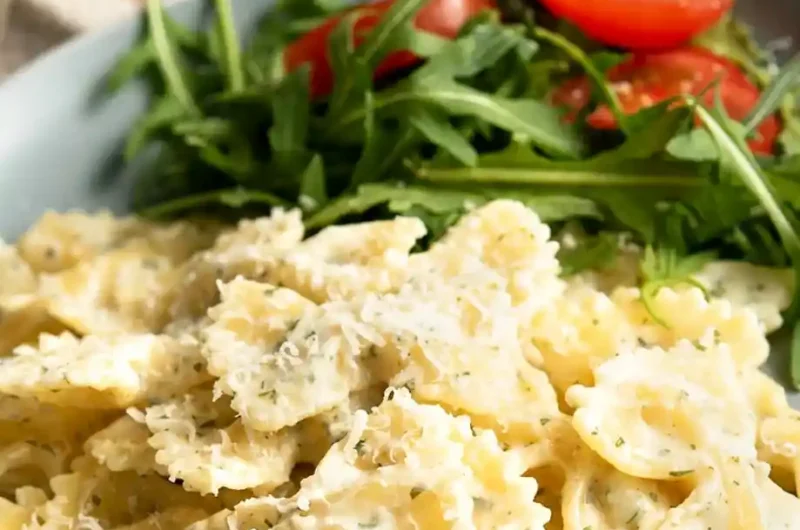
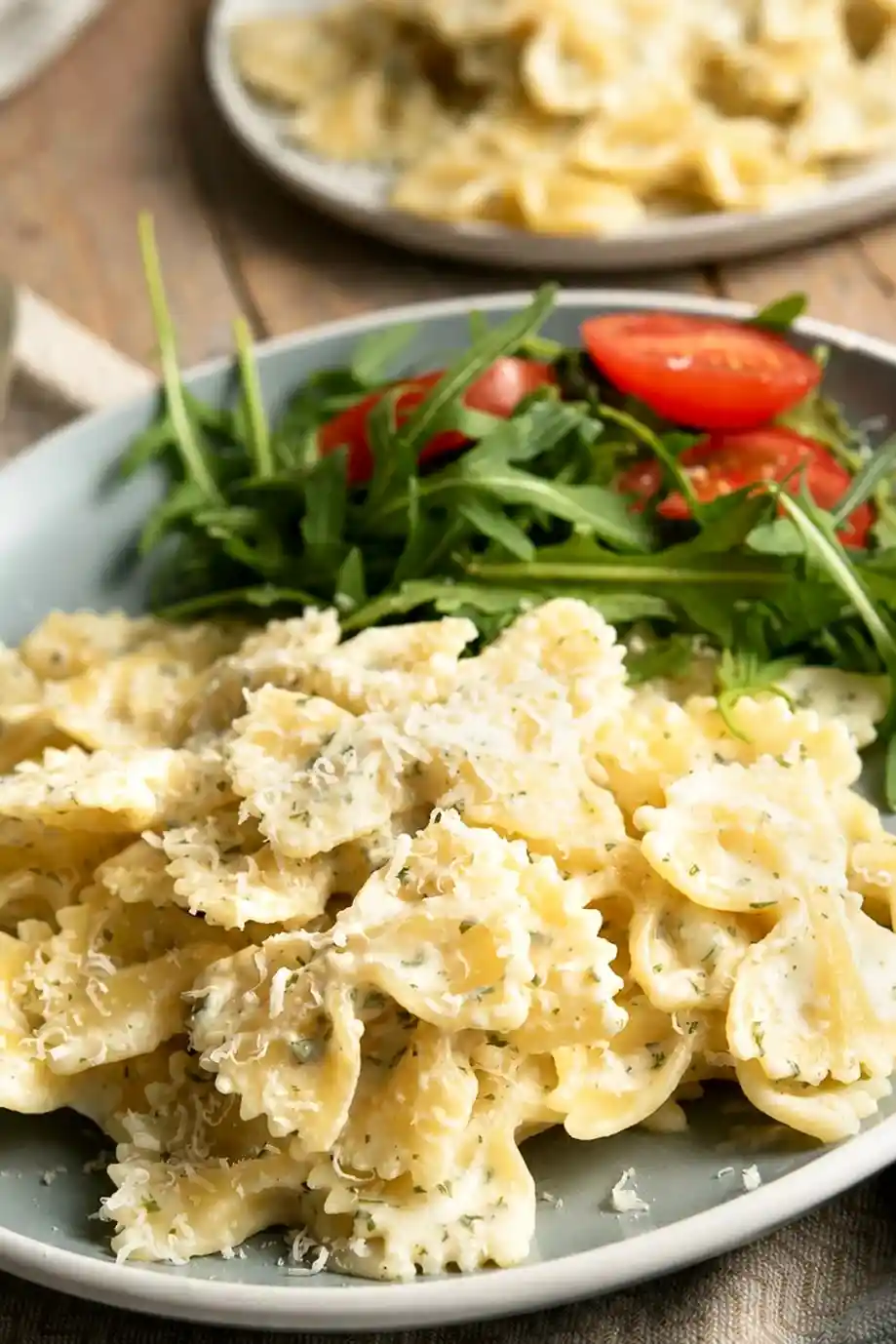
This classic garlic butter bowtie pasta offers a velvety, herb-infused experience that transforms humble pantry staples into a gourmet-style side dish. By cooking the pasta directly in a blend of butter, milk, and seasonings, you achieve a creamy sauce texture that coats every bowtie perfectly without the need for heavy cream. This recipe is an ideal companion for busy weeknights, requiring minimal cleanup and delivering consistent, comforting results every single time.
List of ingredients
- 3/4 teaspoon garlic powder
- 3/4 teaspoon fine sea salt
- 3/4 teaspoon dried parsley
- 1/2 teaspoon onion powder
- 1/2 teaspoon all-purpose flour
- 1/2 teaspoon sugar
- 1/4 teaspoon lemon pepper
- Pinch black pepper, optional
- 2 cups dry bowtie pasta
- 1 1/3 cups water
- 3/4 cup whole milk
- 3 tablespoons butter
- 2 tablespoons grated Parmesan cheese
step-by-step instructions
- Step: Bring the water, milk, and butter to a boil in a medium saucepan.
- Step: Reduce the heat to low, then stir in the dry pasta and seasoning mix.
- Step: Simmer for about 11-13 minutes, stirring occasionally, until the pasta is tender.
- Step: Stir in the Parmesan cheese, then let the pasta stand for 3–4 minutes before serving so the sauce can thicken.
Refining the cooking process
Consistent temperature management
Maintaining a low simmer is critical once the pasta is added to the saucepan. If the heat is too high, the milk can scorch or evaporate too quickly, leaving you with undercooked, crunchy pasta before the sauce has thickened. Conversely, if the heat is too low, the starch in the pasta will not release effectively, resulting in a thin and watery final dish.
The importance of stirring frequency
Stirring the bowtie pasta every two to three minutes throughout the simmering process serves two functional purposes. First, it ensures that the flour and seasonings are evenly distributed throughout the thickening liquid. Second, it helps the farfalle shapes move around the pan, preventing them from nesting into each other and cooking unevenly. This movement is essential for a uniform texture across every single piece of pasta in the pot.
Mastering the resting period
Never skip the final resting stage, as it is the secret to achieving that restaurant-quality consistency. During these few minutes of rest, the sauce undergoes a transformation as it cools slightly, allowing the starch-thickened milk and melted Parmesan to cling firmly to the bowtie ridges. This stage also helps to intensify the garlic and herb flavors by allowing them to infuse deeply into the pasta. If you serve the dish immediately upon removing it from the heat, the sauce may appear too runny, but waiting just three minutes changes the entire profile of the meal.
Effective ingredient adjustments
Modifying the seasoning blend
The seasoning profile provided is a balanced starting point, but you can tailor it to fit your personal palate. If you prefer a sharper garlic bite, feel free to add a small amount of granulated garlic or fresh minced garlic during the final two minutes of cooking. If you find the lemon pepper too aggressive, you can reduce it by half and compensate with a bit of extra dried parsley or even a pinch of dried chives to keep the herb profile prominent.
Selecting the right pasta shape
While bowtie pasta is excellent because its surface area traps the creamy sauce, you can substitute other similar-sized pasta shapes if necessary. Penne, rotini, or even large shells work exceptionally well because they share the same ability to hold sauce within their structures. Avoid long, thin noodles like spaghetti or linguine, as they require a different liquid-to-pasta ratio to cook correctly and may become overly starchy or clumpy when cooked in this specific milk-based sauce method.
Managing salt content
The amount of salt required can vary depending on the brand of Parmesan cheese you select and whether your lemon pepper blend already contains added salt. Always taste the sauce once the cheese is incorporated before adding any extra salt. Using fine sea salt is recommended because it dissolves rapidly into the liquid, ensuring that every bite is seasoned consistently without leaving gritty textures.
Creative ways to expand your meal
Adding nutrient-dense vegetables
To turn this side dish into a more substantial vegetable-forward meal, stir in frozen peas, chopped fresh baby spinach, or finely diced broccoli florets during the last three minutes of the cooking process. These vegetables will steam perfectly in the simmering sauce without losing their vibrant color or texture. For a more sophisticated twist, try adding sautéed mushrooms or roasted asparagus tips right before serving to add earthy notes that pair beautifully with the garlic and butter foundation.
Incorporating lean proteins
This recipe serves as a versatile canvas for various proteins. Grilled shrimp seasoned with mild spices, cubed rotisserie chicken, or seared thin strips of steak can be tossed into the pasta after it has thickened. If you prefer a vegetarian approach, pan-fried chickpeas or white beans seasoned with smoked paprika provide a fantastic textural contrast and additional plant-based protein, making the dish filling enough to stand alone as a main course.
Exploring fresh herb accents
While the recipe utilizes dried herbs for convenience and pantry accessibility, finishing the dish with a handful of fresh herbs can brighten the entire flavor profile. Finely chopped flat-leaf parsley, fresh basil chiffonade, or even a small amount of chopped chives add a burst of freshness that complements the rich, buttery sauce. Add these delicate fresh herbs only after the heat has been turned off, just before serving, to preserve their color and bright aroma.
Planning and storage solutions
Effective storage techniques
If you find yourself with leftovers, store them in an airtight container in the refrigerator for up to three days. Because this dish relies on a dairy-based sauce, it is important to keep the temperature consistent to prevent spoilage. When you are ready to store the pasta, allow it to reach room temperature before sealing the container to avoid creating excessive moisture that could make the pasta mushy over time.
Strategies for successful reheating
Reheating creamy pasta requires a gentle touch to ensure the sauce doesn’t break or become oily. The best method is to reheat the pasta in a small saucepan over low heat, adding a tablespoon of milk or vegetable broth to loosen the sauce as it warms. Avoid using a microwave if possible, as high-intensity heat can cause the fat in the butter and milk to separate from the sauce, leaving you with a greasy, disjointed result. If you must use a microwave, use a low power setting and stir the pasta every thirty seconds.
Making the seasoning in bulk
If you enjoy this dish frequently, you can prepare a larger batch of the seasoning mix and keep it stored in a cool, dry pantry cupboard. By mixing larger quantities—using the same proportions—you save time during meal prep. For every batch of pasta, simply measure out four teaspoons of your pre-mixed blend. Storing the mix in a clean, airtight glass spice jar prevents the garlic and onion powders from absorbing moisture, ensuring they remain free-flowing for months.
Common preparation questions
Why did my sauce end up too thin?
The most common cause for a thin sauce is not allowing the pasta to rest or not using enough flour to stabilize the milk. Ensure that the flour is thoroughly whisked into the milk and water at the start. If the sauce is still too thin after the resting period, you can add a tiny bit more grated Parmesan, as the cheese acts as a secondary thickening agent when it melts.
Can I replace the milk with cream?
Yes, you can substitute half of the milk with heavy cream if you want an even thicker and richer result. However, using whole milk is usually sufficient for creating a balanced, creamy sauce without being overly heavy. If you decide to use all cream, keep a close watch on the heat, as the higher fat content can cause the sauce to thicken very rapidly, potentially requiring a splash of water to keep the pasta from sticking.
What is the benefit of the flour?
The small amount of flour acts as a stabilizer for the dairy. It prevents the milk from boiling over excessively and ensures that when the cheese is added, the sauce emulsifies rather than separating into watery and oily layers. This creates the signature velvety coating that distinguishes this recipe from simple buttered noodles.
Print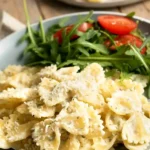
Creamy Garlic Butter Bowtie Pasta
- Total Time: PT18M
- Yield: 4 servings 1x
- Diet: Vegetarian
Description
A quick, creamy garlic butter bowtie pasta side dish made with Parmesan cheese and a homemade seasoning mix.
Ingredients
- 3/4 teaspoon garlic powder
- 3/4 teaspoon fine sea salt
- 3/4 teaspoon dried parsley
- 1/2 teaspoon onion powder
- 1/2 teaspoon all-purpose flour
- 1/2 teaspoon sugar
- 1/4 teaspoon lemon pepper
- Pinch black pepper, optional
- 2 cups dry bowtie pasta
- 1 1/3 cups water
- 3/4 cup whole milk
- 3 tablespoons butter
- 2 tablespoons grated Parmesan cheese
Instructions
- Step: Bring the water, milk, and butter to a boil in a medium saucepan.
- Step: Reduce the heat to low, then stir in the dry pasta and seasoning mix.
- Step: Simmer for about 11-13 minutes, stirring occasionally, until the pasta is tender.
- Step: Stir in the Parmesan cheese, then let the pasta stand for 3–4 minutes before serving so the sauce can thicken.
Notes
Fine sea salt was used when testing this recipe. If using coarse salt or a salted lemon pepper blend, start with less salt. You can add chopped fresh spinach, basil, parsley, chives, or vegetables like broccoli, peas, or mushrooms to the finished dish.
- Prep Time: PT5M
- Cook Time: PT13M
- Category: Side Dish
- Method: Stovetop
- Cuisine: American
Nutrition
- Serving Size: 1 serving
- Calories: 285 kcal
- Sugar: 4 g
- Sodium: 520 mg
- Fat: 11 g
- Saturated Fat: 7 g
- Unsaturated Fat: 3 g
- Trans Fat: 0 g
- Carbohydrates: 38 g
- Fiber: 2 g
- Protein: 8 g
- Cholesterol: 30 mg
Keywords: pasta, side dish, vegetarian, garlic butter, bowtie pasta