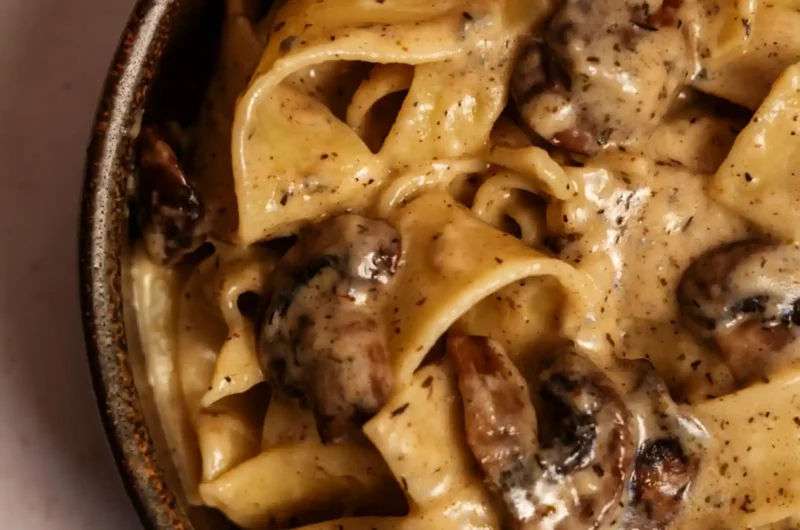
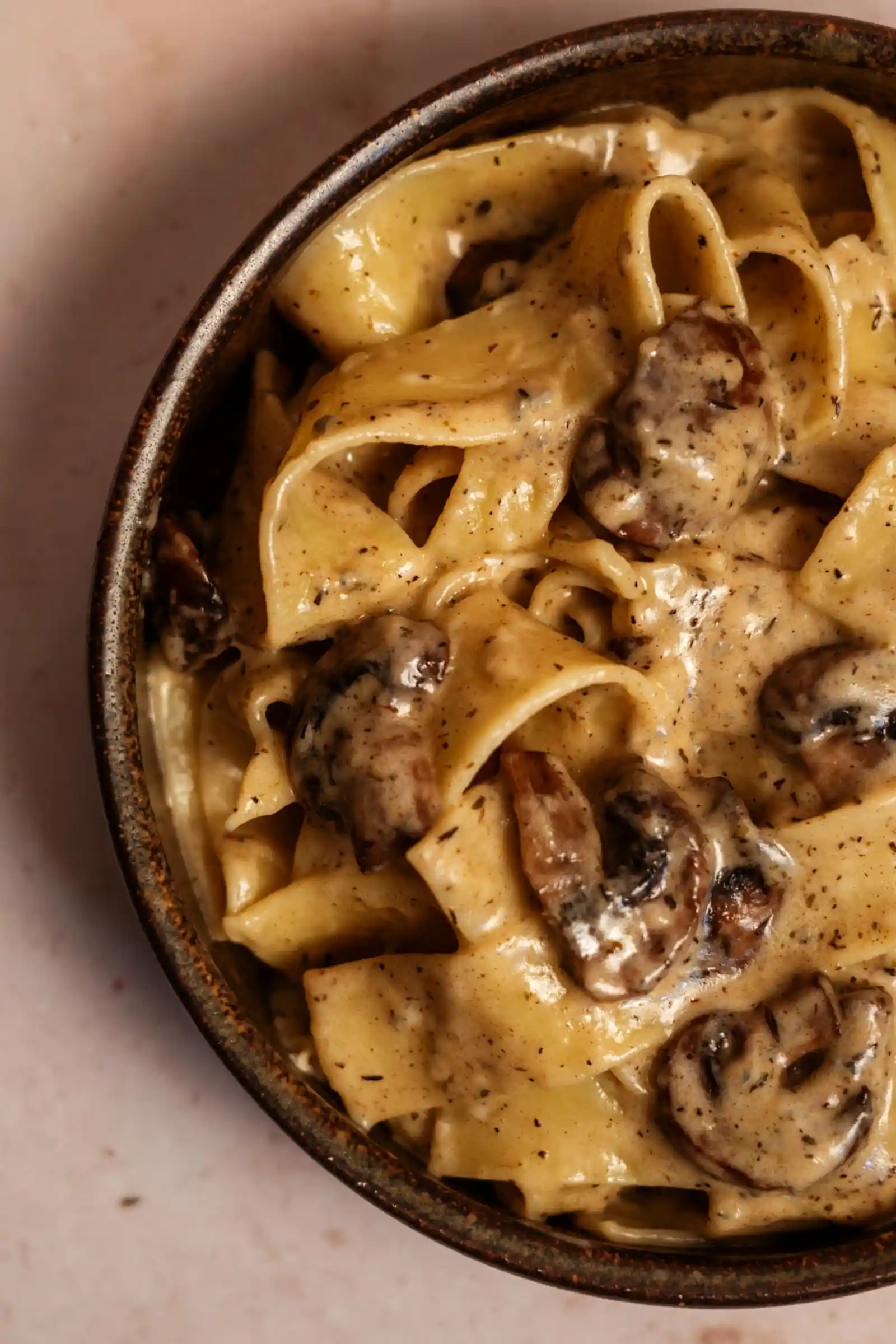
Create a luxurious meal with this creamy Gorgonzola and truffle mushroom pasta. This recipe combines earthy flavors and rich textures to deliver a gourmet experience in just a few minutes.
List of ingredients
- 2 tbsp olive oil or butter – used for sautéing the mushrooms.
- 1/4 cup sliced mushrooms – provides an earthy base and hearty texture.
- 1/4 cup milk or cream – creates the creamy foundation of the sauce.
- 1/4 cup gorgonzola cheese – adds a tangy, sharp flavor profile.
- 1 tbsp white truffle oil – delivers a distinct, aromatic finish.
- ground sage (or freshly chopped) – adds a woody, herbal note.
- ground oregano (or freshly chopped) – contributes a savory Mediterranean flavor.
- ground thyme (or freshly chopped) – adds a subtle, earthy fragrance.
- salt and pepper (to taste) – essential for balancing the richness.
- grated parmesan cheese (to top) – adds a salty, nutty finish.
step-by-step instructions
- Sauté Mushrooms: Heat the olive oil or butter in a large saucepan over medium-low heat, then add in the sliced mushrooms.
- Season: Sauté the mushrooms for about 5 minutes, adding a pinch of salt and pepper approximately 4 minutes into the process.
- Melt Cheese: Stir in the milk or cream along with the gorgonzola cheese, continuing to stir until the cheese is completely melted.
- Final Seasoning: Remove the pan from the heat, then stir in the white truffle oil, sage, oregano, thyme, and additional salt and pepper. To thicken the sauce, stir in an extra small handful of gorgonzola or parmesan until you reach your preferred consistency.
- Combine: Add your cooked pasta to the saucepan and toss until every strand is evenly coated in the sauce.
- Serve: Plate the pasta and top with a generous sprinkle of grated parmesan cheese before serving.
Optimizing Sauce Texture and Consistency
Prepare Your Mise en Place
Having all ingredients prepped and measured before you start is crucial for this recipe. Because the cheese melts quickly, you need your herbs and truffle oil ready to go immediately so the sauce does not overcook or separate.
Controlling the Sauté Temperature
Keep the heat at medium-low to ensure the mushrooms brown evenly without burning the butter. Low and slow heating allows the mushrooms to release their moisture and develop a deeper, more savory flavor profile before the cream is added.
Managing Cheese Emulsification
Stir the gorgonzola constantly as it melts into the milk or cream to prevent clumping. A steady, gentle stir ensures a smooth, homogenous sauce that clings well to the pasta without breaking into oil and solids.
Utilizing Pasta Water
If the sauce feels too thick after adding the pasta, stir in one or two tablespoons of the starchy pasta cooking water. This helps emulsify the fats and liquids, creating a silkier glaze that adheres better to the noodles.
Ingredient Substitutions and Alternatives
Choosing Black Truffle Oil
You can substitute white truffle oil with black truffle oil for a different aromatic profile. Black truffle oil typically offers a more pungent, earthier scent, whereas white truffle oil is often described as more garlic-forward and musky.
Swapping Gorgonzola for Other Cheeses
If gorgonzola is too strong, try using a creamy goat cheese or a mild feta. These alternatives provide a similar tanginess but with a different salt level and a smoother overall texture in the sauce.
Using Dairy-Free Cream Alternatives
For a plant-based version, replace the milk or cream with cashew cream or a thick coconut cream. Ensure you use a vegan-friendly alternative to gorgonzola and parmesan to maintain the richness of the dish.
Adjusting Fresh versus Dried Herbs
Dried herbs are more concentrated than fresh ones, so use a smaller quantity if substituting. Generally, one teaspoon of dried herbs is equivalent to one tablespoon of freshly chopped herbs for this specific cream sauce.
Alternative Mushroom Varieties
While button mushrooms are standard, cremini or shiitake mushrooms add a deeper umami flavor. Oyster mushrooms are also a great choice for a softer texture and a more delicate taste.
Expanding the Flavor Profile
Incorporating Green Vegetables
Add sautéed asparagus tips, steamed broccoli florets, or fresh baby spinach to the pan. These vegetables add color and nutrition while complementing the richness of the truffle and gorgonzola.
Introducing Spicy Elements
For a bit of heat, stir in a pinch of cayenne pepper or red chili flakes during the mushroom sauté phase. The spice cuts through the heavy cream and cheese, adding a balanced contrast to the dish.
Pairing with Different Pasta Shapes
Short, ridged pastas like penne or fusilli are excellent for capturing the thick sauce in their grooves. For a more elegant presentation, use long noodles like linguine or fettuccine to allow the sauce to coat the length of the pasta.
Adding Lean Proteins
Grilled chicken breast or sautéed shrimp can be added to make the meal more filling. Ensure the protein is cooked separately and tossed in at the end to avoid overcooking it in the sauce.
Enhancing with Lemon Zest
Adding a small pinch of fresh lemon zest at the very end brightens the entire dish. The acidity helps balance the heavy fats from the cream and cheese, making the truffle flavor pop.
Proper Storage and Reheating Methods
Storing Leftovers Safely
Place any remaining pasta in an airtight container and refrigerate it for up to three days. Keep the sauce and pasta together, but be aware that the pasta will absorb more of the sauce as it sits in the fridge.
Reheating Without Separating the Sauce
Avoid the microwave if possible; instead, reheat the pasta in a saucepan over low heat. Add a splash of milk or water to loosen the sauce and stir gently until it returns to a creamy consistency.
Microwave Reheating Tips
If using a microwave, heat the pasta in short 30-second bursts. Stir the pasta between each interval to ensure the heat is distributed evenly and the cheese does not oil off.
Freezing Considerations
It is not recommended to freeze this dish because cream-based sauces often separate and become grainy upon thawing. For the best quality, enjoy this recipe fresh or from the refrigerator.
Troubleshooting Common Issues
Fixing a Sauce That Is Too Thin
If your sauce is too watery, stir in another small handful of grated parmesan or crumbled gorgonzola. The additional cheese acts as a natural thickener, binding the liquid and creating a denser texture.
Balancing Overly Strong Truffle Flavor
Truffle oil is very potent and can easily overwhelm other ingredients. If the flavor is too intense, stir in an extra tablespoon of cream or a small amount of unsalted butter to mellow the aroma.
Preventing Cheese Clumping
Ensure your milk or cream is slightly warmed or that the pan is not on high heat when adding the cheese. Adding cold cheese to a boiling liquid can cause it to seize and create small clumps rather than a smooth sauce.
Avoiding Burnt Butter
If the butter begins to brown too quickly, immediately lower the heat or add a teaspoon of olive oil. The combination of oil and butter raises the smoke point, preventing the fat from scorching the mushrooms.
Frequently Asked Questions
Can I use a different mushroom variety?
Yes, you can use any mushroom you prefer, such as portobello, shiitake, or oyster mushrooms. Each variety will slightly change the earthiness of the final sauce.
Is white truffle oil better than black truffle oil?
Neither is objectively better, but they provide different tastes. White truffle oil is typically more aromatic and pungent, while black truffle oil is more subtle and earthy.
How do I keep the sauce from breaking?
The best way to prevent the sauce from breaking is to remove the pan from the heat before adding the truffle oil and final herbs. Excessive heat can cause the fat in the cheese and oil to separate from the liquid.
Can I make this recipe without gorgonzola?
You can, but you will lose the signature tang. Substitute it with a mixture of cream cheese and a pinch of salt or a mild blue cheese to maintain a similar flavor profile.
What is the best pasta to use for this sauce?
Fettuccine or Pappardelle are ideal because their wide surface area allows the heavy cream and cheese sauce to cling effectively to the pasta.
Print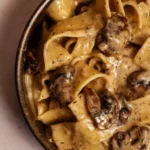
Creamy Gorgonzola and Truffle Mushroom Pasta
- Total Time: 15 minutes
- Yield: 2 servings 1x
- Diet: Vegetarian
Description
This gorgonzola truffle cream sauce with mushrooms is the perfect rich and creamy addition to your pasta dishes! Made with tangy gorgonzola cheese, hearty mushrooms, and rich white truffle oil, this sauce is like a warm and cozy blanket for your favorite pasta.
Ingredients
- 2 tbsp olive oil or butter
- 1/4 cup sliced mushrooms
- 1/4 cup milk or cream
- 1/4 cup gorgonzola cheese
- 1 tbsp white truffle oil
- ground sage (or freshly chopped)
- ground oregano (or freshly chopped)
- ground thyme (or freshly chopped)
- salt and pepper (to taste)
- grated parmesan cheese (to top)
Instructions
- Sauté: Heat the olive oil/butter in a large saucepan on medium/low heat, then add in the mushrooms.
- Season: Sauté the mushrooms for about 5 minutes, adding some salt and pepper about 4 minutes in.
- Melt: Add in your milk/cream and gorgonzola, stirring until the cheese is melted.
- Flavor: Remove from heat, then add your truffle oil, herbs, and some more salt and pepper. If you want to thicken the sauce at all, add another small handful of gorgonzola or parmesan until it reaches your desired consistency.
- Combine: Add cooked pasta to the saucepan and coat evenly.
- Finish: Top with grated parmesan and enjoy!
Notes
Utilize mise en place! Make sure you have all of your ingredients prepped and ready before you begin making this recipe. Ground herbs are totally fine to use for this sauce.
- Prep Time: 5 minutes
- Cook Time: 10 minutes
- Category: Sauce
- Method: Stovetop
- Cuisine: Italian
Nutrition
- Serving Size: 1 serving
- Calories: 320 kcal
- Sugar: 3 g
- Sodium: 680 mg
- Fat: 28 g
- Saturated Fat: 12 g
- Unsaturated Fat: 14 g
- Trans Fat: 0 g
- Carbohydrates: 7 g
- Fiber: 1 g
- Protein: 8 g
- Cholesterol: 55 mg
Keywords: gorgonzola, truffle oil, cream sauce, mushrooms, pasta sauce, Italian