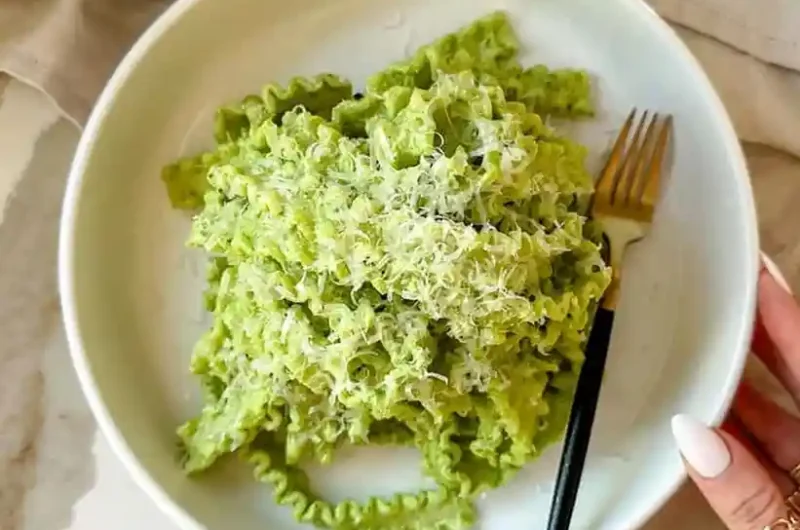
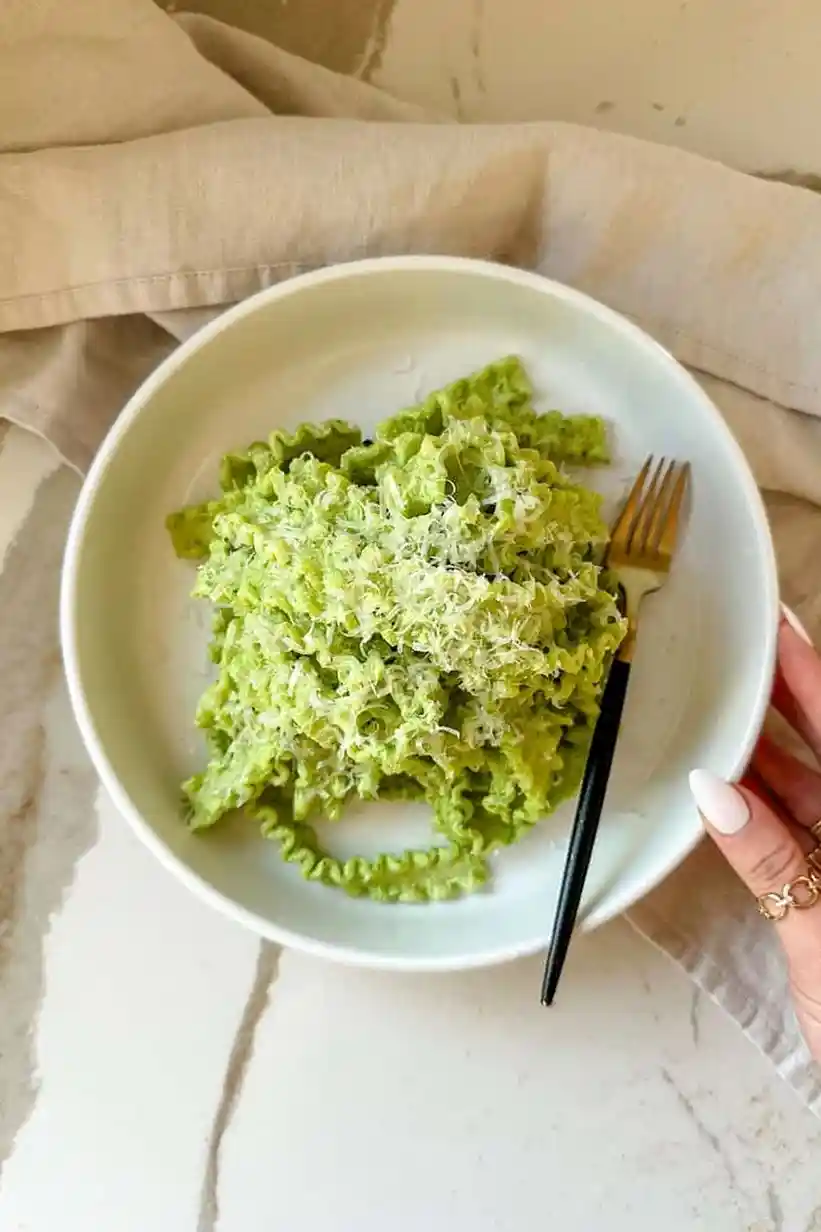
This vibrant Green Goddess pasta sauce blends fresh herbs with creamy dairy for a nutrient-dense and flavorful meal. It is a quick-prep recipe that uses a blender to achieve a smooth, professional consistency in minutes.
List of ingredients
- 1/4 cup fresh dill – provides a bright, aromatic flavor profile.
- 1/4 cup fresh chives – adds a mild, onion-like savoriness.
- 1/4 cup fresh cilantro – contributes a fresh, citrusy herb note.
- 1/2 shallot – provides a subtle, rich base flavor.
- 1/3 cup high quality extra virgin olive oil – ensures a smooth emulsion and rich mouthfeel.
- 1 tbsp fresh lemon juice – adds the necessary acidity to balance the fats.
- 1/2 cup cottage cheese – creates a thick, protein-rich creamy base.
- 1/4 cup plain greek yogurt – adds tanginess and further thickness.
- 1/4 cup pasta water – essential for thinning the sauce and helping it adhere to noodles.
- 1/2 cup freshly grated parmesan cheese – adds salty, umami depth.
- 1 tsp salt – enhances the natural flavors of the fresh herbs.
- 1/2 tsp pepper – provides a mild, earthy heat.
- 8 oz of your favorite pasta – Mafaldine is recommended for its ability to hold sauce.
step-by-step instructions
- Cook the Pasta: Boil a large pot of salted water and cook the pasta until it reaches an al dente texture. Drain the pasta, but reserve at least a cup of the cooking water for the sauce.
- Blend the Base: Combine the fresh dill, chives, cilantro, shallot, extra virgin olive oil, lemon juice, cottage cheese, greek yogurt, salt, pepper, and 1/4 cup of the reserved pasta water in a blender.
- Emulsify: Process the ingredients on high speed until the mixture is completely smooth and creamy. Taste the sauce and add additional salt if needed to balance the herbs.
- Heat the Sauce: Pour the blended green goddess sauce into a skillet over low heat. Keep the temperature low to prevent the dairy from separating.
- Combine: Add the cooked pasta noodles to the skillet. Toss the noodles continuously until they are thoroughly coated in the sauce.
- Finish and Serve: Mix in the freshly grated parmesan cheese until melted. Serve immediately while warm, garnished with extra parmesan cheese.
Sauce Customization and Substitutions
Using Alternative Fresh Herbs
While the original combination of dill, chives, and cilantro is vibrant, you can swap cilantro for fresh flat-leaf parsley if you prefer a more neutral herb profile. Adding a tablespoon of fresh basil can introduce a subtle sweetness that pairs well with the lemon juice. For a more peppery taste, incorporate a small handful of baby arugula into the blender.
Dairy-Free Creamy Alternatives
To make this sauce dairy-free, replace the cottage cheese with an equal amount of thick coconut cream or a cashew-based cream. Substitute the Greek yogurt with an unsweetened soy or almond-based plain yogurt. For the parmesan, use nutritional yeast or a plant-based parmesan alternative to maintain the savory, salty finish.
Shallot and Allium Swaps
If shallots are unavailable, a small piece of red onion can be used, though it may provide a sharper taste. For a more pungent flavor, substitute the shallot with one clove of fresh garlic. If you prefer a milder taste, omit the alliums entirely and increase the amount of fresh chives.
Adjusting the Acid Profile
Fresh lemon juice is the primary acid used to brighten the sauce. You can substitute this with lime juice for a more tropical, zesty flavor that complements the cilantro. A small splash of apple cider vinegar can also provide a different kind of tanginess if lemons are not on hand.
Expert Cooking Tips for the Perfect Texture
Proper Emulsification Technique
To ensure the olive oil incorporates fully without separating, start the blender on a low speed and gradually increase to high. This process creates a stable emulsion between the fats and the watery components of the yogurt and lemon juice. A high-powered blender will produce the smoothest result, removing any graininess from the cottage cheese.
The Role of Starchy Pasta Water
The reserved pasta water contains starch released from the noodles during boiling. This starch acts as a binding agent, allowing the sauce to cling to the pasta rather than sliding off. If the sauce feels too thick after blending, add the pasta water one tablespoon at a time until the desired consistency is achieved.
Maintaining Low Heat
Cottage cheese and Greek yogurt can curdle or separate if exposed to high heat. Always use a low flame when heating the sauce in the skillet. The goal is to warm the sauce and melt the parmesan, not to bring the mixture to a boil.
Blending Order for Smoothness
Place the liquids and soft dairy products at the bottom of the blender first. Add the herbs and shallots on top. This arrangement helps the blades catch the liquids first, creating a vortex that pulls the solid ingredients down for a more efficient and smooth blend.
Suggested Pasta Pairings and Protein Additions
Selecting the Ideal Pasta Shape
Ridged or twisted pasta shapes are best for this thick, creamy sauce. Mafaldine, fusilli, rotini, and conchiglie are excellent choices because their surfaces trap the sauce in the grooves. Long, smooth pastas like spaghetti may not hold the herb-rich sauce as effectively as shorter, textured shapes.
Adding Grilled Lean Proteins
This pasta serves as a great base for grilled chicken breast or sautéed shrimp. For a beef option, thinly sliced flank steak provides a hearty contrast to the brightness of the herbs. Ensure the protein is cooked separately and added to the skillet during the final tossing stage.
Integrating Roasted Vegetables
To increase the nutritional value, fold in roasted asparagus tips or steamed peas. Sautéed baby spinach or kale also blends well with the green goddess theme. Add these vegetables at the end so they maintain their color and texture without overcooking in the sauce.
Storage and Reheating Guide
Refrigeration Guidelines
Store any leftover pasta and sauce in an airtight glass container in the refrigerator. The sauce will stay fresh for 3 to 4 days. Because of the fresh herbs, the color may fade slightly over time, but the flavor will remain intact.
Best Reheating Methods
Reheating creamy sauces can be tricky as they tend to thicken in the fridge. When using a microwave, heat in short bursts and stir frequently. For the best results, reheat in a skillet over low heat with a splash of water or milk to loosen the sauce.
Freezing Considerations
It is not recommended to freeze this sauce due to the high content of yogurt and cottage cheese. Freezing and thawing dairy-based sauces often leads to separation and a grainy texture. If you must freeze, do so only for the base before adding the dairy, though this changes the recipe significantly.
Make-Ahead Strategies
Preparing the Sauce Base
You can blend the sauce ingredients up to 24 hours in advance and store them in the refrigerator. When you are ready to eat, simply boil the pasta and heat the pre-made sauce in a skillet. This reduces the active cooking time to only the duration of boiling the noodles.
Pre-Cooking Pasta for Meal Prep
If preparing meals for the week, cook the pasta slightly under the al dente stage. Toss the cooked noodles with a small amount of olive oil to prevent sticking before storing them. When reheating the pasta with the sauce, the noodles will finish cooking and absorb the flavors perfectly.
Troubleshooting Common Issues
Fixing a Sauce That is Too Thick
If the sauce is too dense or sticky, it is likely due to the thickness of the Greek yogurt or the reduction of liquids during heating. Slowly whisk in additional reserved pasta water or a tablespoon of milk. Continue adding liquid until the sauce glides smoothly over the noodles.
Correcting a Thin or Watery Sauce
A watery sauce usually happens if too much pasta water was added or if the vegetables released excess moisture. To thicken it, stir in an extra tablespoon of grated parmesan cheese or a teaspoon of Greek yogurt. Simmer on very low heat for an additional minute to allow the sauce to reduce.
Balancing a Muted Flavor
If the sauce tastes bland, it usually needs more acid or salt. Add a few drops of fresh lemon juice to brighten the herbs and a pinch of salt to enhance the savoriness. Avoid adding too much at once; taste after every small adjustment.
Frequently Asked Questions
Can I use dried herbs instead of fresh?
Dried herbs do not provide the same vibrant color or fresh, citrusy taste required for a Green Goddess sauce. While you can use them in a pinch, the flavor will be more muted and the texture will not be as smooth. Always prefer fresh dill, chives, and cilantro for this recipe.
Does the cottage cheese taste strong in the sauce?
Once blended, the distinct taste and texture of cottage cheese disappear completely. It transforms into a smooth, creamy base that tastes similar to a rich cream sauce but with added protein. It is an excellent way to add nutrition without altering the flavor profile.
How long does the sauce last in the fridge?
The sauce remains safe and tasty for 3 to 4 days when stored in an airtight container. To maintain the best quality, keep it in the coldest part of the refrigerator and stir well before reheating.
Can I use a food processor instead of a blender?
Yes, a food processor works well, although you may need to scrape down the sides more frequently to ensure all ingredients are incorporated. If the result is too chunky, you can pass the sauce through a fine-mesh sieve for a velvetier texture.
Is it possible to add spinach for more color?
Adding a handful of fresh baby spinach to the blender will intensify the green color of the sauce. It does not significantly change the flavor but adds more vitamins and a deeper hue to the final dish.
Print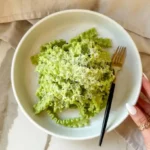
Creamy Green Goddess Pasta Sauce
- Total Time: 20 minutes
- Yield: 5 servings 1x
- Diet: Vegetarian
Description
This Green Goddess Pasta Sauce comes together in just minutes and is packed with fresh flavors and herbs. Made with cottage cheese and Greek yogurt, it’s creamy and delicious. Pair it with your favorite noodles and enjoy!
Ingredients
- 1/4 cup fresh dill
- 1/4 cup fresh chives
- 1/4 cup fresh cilantro
- 1/2 shallot
- 1/3 cup high quality extra virgin olive oil
- 1 tbsp fresh lemon juice
- 1/2 cup cottage cheese
- 1/4 cup plain greek yogurt
- 1/4 cup pasta water
- 1/2 cup freshly grated parmesan cheese
- 1 tsp salt
- 1/2 tsp pepper
- 8 oz pasta
Instructions
- Step: Start by boiling pasta to al a dente. Feel free to use any shape that you prefer.
- Step: Next, add dill, chives, cilantro, shallot, extra virgin olive oil, lemon juice, cottage cheese, greek yogurt, salt, pepper and pasta water to a blender and blend until smooth and creamy. Give it a taste to see if it needs more salt.
- Step: Add pasta sauce to a skillet over low heat and add in cooked noodles. Toss until fully coated, and mix in parmesan cheese.
- Step: Serve warm with more parmesan cheese and enjoy!
Notes
If you don’t have a blender you can use a food processor or an immersion blender. If your sauce is too thick, you can thin it out by adding in more pasta water. Add salt and pepper to taste.
- Prep Time: 10 minutes
- Cook Time: 10 minutes
- Category: Entrees
- Method: Blender, Stovetop
- Cuisine: American
Nutrition
- Serving Size: 1 serving
- Calories: 380 kcal
- Sugar: 6 g
- Sodium: 580 mg
- Fat: 22 g
- Saturated Fat: 7 g
- Unsaturated Fat: 15 g
- Trans Fat: 0 g
- Carbohydrates: 25 g
- Fiber: 3 g
- Protein: 12 g
- Cholesterol: 35 mg
Keywords: Green Goddess, Pasta Sauce, Cottage Cheese Pasta, Greek Yogurt, Vegetarian Pasta, Creamy Pasta