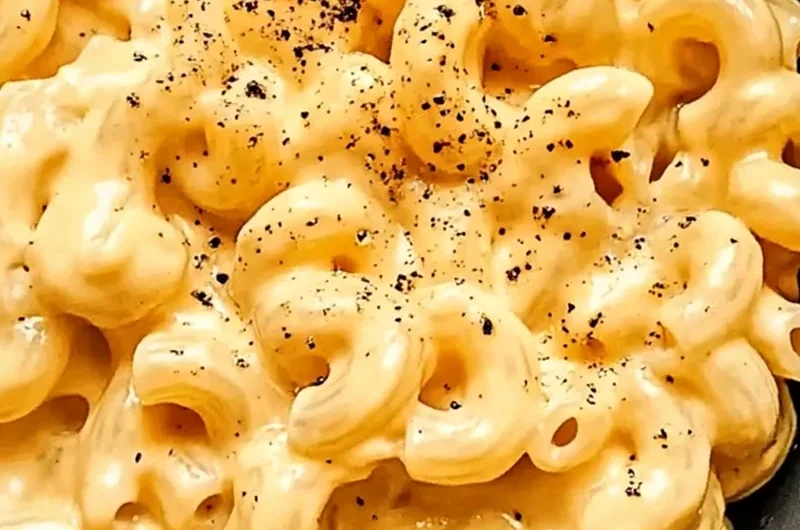
This Instant Pot Mac and Cheese recipe is the ultimate solution for those busy weeknights when you need a comforting, restaurant-quality meal on the table in under 15 minutes. By utilizing the pressure cooking method, the pasta absorbs the exact amount of water needed to create a starchy, silky base that binds perfectly with heavy cream and fresh, melted cheese. It eliminates the need for a separate roux, making this one of the most efficient ways to prepare a family favorite from scratch.
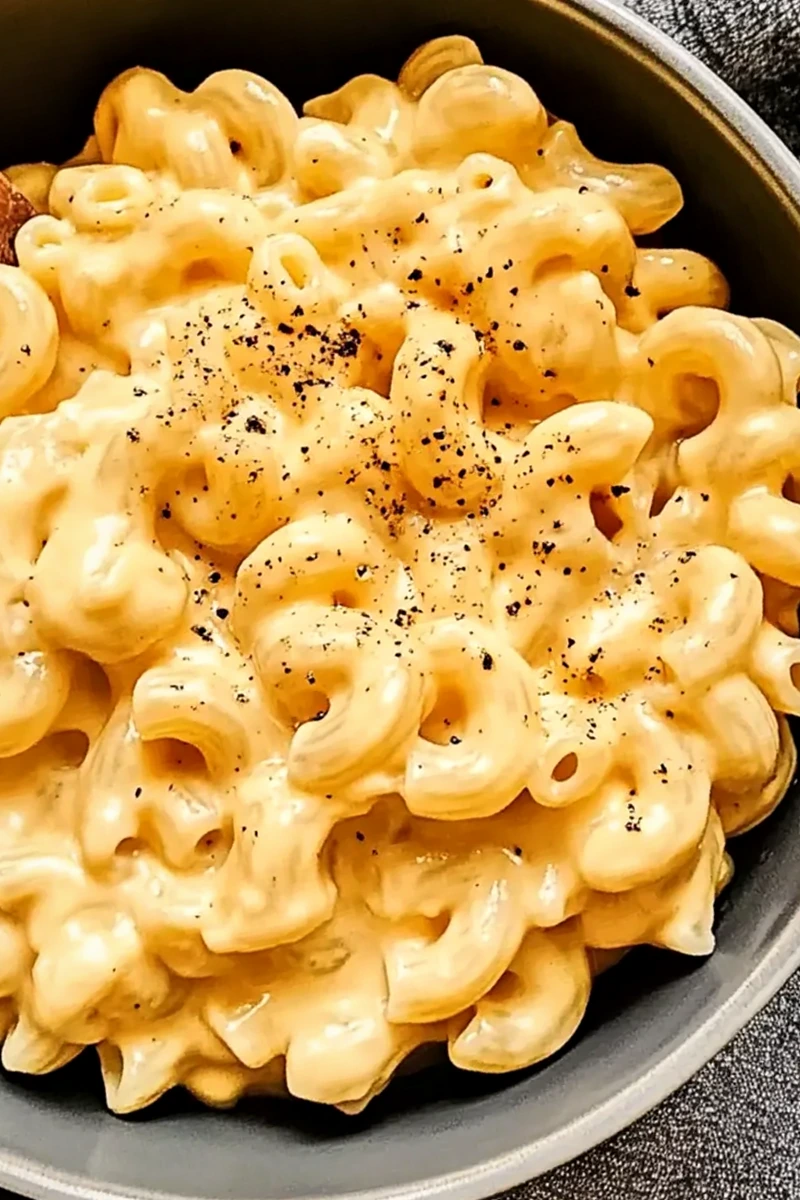
List of ingredients
- 1 pound elbow macaroni
- 1 teaspoon sea salt
- ¾ cup heavy cream
- 1 cup freshly grated Parmesan cheese
- 2 cups shredded cheddar
- freshly cracked black pepper
- cooked peas
- Sriracha
step-by-step instructions
- Step: Pour 4 cups of water into your Instant Pot and add the 1 pound of elbow macaroni with 1 teaspoon of sea salt. Stir well to ensure the pasta is evenly submerged.
- Step: Select the manual setting on the Instant Pot and adjust the timer to cook on high pressure for 4 minutes.
- Step: When the cooking time is up, carefully perform a manual steam release to prevent the pasta from overcooking.
- Step: Check that 1 to 2 tablespoons of water remain in the pot to maintain creaminess. Drain any excess water if necessary.
- Step: Add ¾ cup of heavy cream, 1 cup of freshly grated Parmesan cheese, and 2 cups of shredded cheddar cheese to the pasta. Stir vigorously until the cheese melts and combines into a smooth, velvety texture.
- Step: Season with freshly cracked black pepper to taste. If desired, fold in cooked peas and a drizzle of Sriracha.
- Step: Spoon into bowls and serve warm.
Refining your pressure cooking results
The importance of the quick release
The quick pressure release is the most significant step in this recipe because pasta in a pressure cooker has a very narrow window between al dente and mushy. When you allow the pressure to drop naturally, the trapped steam keeps the pasta cooking in the residual heat, which inevitably leads to soft, broken noodles. By manually venting the steam immediately, you lock in the texture of the pasta so it remains firm enough to hold the weight of the cheese sauce during the mixing process.
Managing water-to-pasta ratios
Using 4 cups of water for 1 pound of pasta is the ideal amount to keep the noodles submerged without creating an excessive amount of watery soup at the end. If you have too much liquid left over, the sauce will be thin and runny; if you have too little, the cheese will not melt properly. Aim for the pasta to be just barely covered by the water before you lock the lid, as this will result in the perfect amount of starch-rich liquid for your cheese base.
Selecting the right dairy components
The benefit of fresh grating
While purchasing pre-shredded cheese is convenient, it is detrimental to the quality of an Instant Pot sauce. The potato starch or cellulose added to prevent sticking in bags prevents the cheese from melting into a creamy emulsion, often resulting in a grainy or lumpy sauce. Taking two minutes to grate a block of cheddar and Parmesan will yield a significantly smoother, more professional-textured result that clings to the pasta effectively.
Adjusting creaminess with alternative dairy
Heavy cream is the standard for a reason: the high milk fat content provides the stability needed to prevent the sauce from breaking. If you choose to use half-and-half or whole milk, you must be prepared for a thinner sauce that may not coat the macaroni as thoroughly. To compensate for thinner liquids, consider stirring in an extra tablespoon of finely grated Parmesan to help build body and flavor without adding too much extra liquid.
Smart storage and reheating methods
Managing leftovers for maximum freshness
Leftover mac and cheese can be stored in an airtight container for up to 3 days, but remember that the starch in the pasta will continue to soak up moisture from the sauce. When you place it in the fridge, press a piece of plastic wrap directly onto the surface of the mac and cheese to prevent a skin from forming. This keeps the sauce protected from drying out or absorbing other scents from the refrigerator environment.
Restoring texture during reheating
When you are ready to enjoy your leftovers, simply placing them in the microwave will likely result in dry, clumpy pasta. Instead, place the portion in a saucepan with a tablespoon of milk or water and heat it over medium-low heat while stirring constantly. This introduces moisture back into the sauce, allowing the cheese to melt and smooth out once again, essentially refreshing the dish to its original state.
Flavor enhancement and customization
Incorporating subtle vegetable additions
Adding vegetables like frozen peas, chopped spinach, or steamed broccoli florets is a great way to increase the nutritional density of this comfort meal without altering the flavor too much. Make sure these vegetables are either precooked or steamed before you add them at the final mixing stage. Since they are being folded in at the end, they retain their color and texture rather than turning into mush during the pressure cooking process.
Balancing bold flavors
The base recipe is deliberately designed as a blank canvas, allowing you to incorporate herbs like fresh chives, parsley, or even a small amount of dry mustard powder. Dry mustard, in particular, acts as a flavor enhancer for cheddar cheese, intensifying the sharpness without making the dish taste specifically of mustard. Start with just a quarter teaspoon to see how it rounds out the overall flavor profile of the cheddar.
Frequently Asked Questions
What are the best types of cheese for a smooth melt?
You should prioritize cheeses that are high in moisture and melt well at lower temperatures, such as sharp cheddar, fontina, gruyere, or young gouda. These varieties create a cohesive, stretchy sauce that does not separate when heated. Avoid highly aged cheeses like extra-dry parmesan or very crumbly blue cheeses, as they do not melt into a creamy state and may remain gritty.
Why did my sauce look oily or separated?
Oily sauce usually happens if the cheese is heated to a temperature that is too high, causing the fats to separate from the proteins. Always add the cheese after the pressure cooking is finished and the pot is turned off or set to ‘keep warm.’ Mixing the cheese in while the pasta is still very hot but the heat source is deactivated prevents the fat from rendering out, keeping the emulsion intact and creamy.
Can I double this recipe for a larger group?
Doubling this recipe is possible, but you must be careful not to exceed the maximum fill line of your Instant Pot, which is usually two-thirds full for grains and pasta. If you double the ingredients, do not double the cooking time; the 4-minute duration remains the same as long as the pasta is covered in water. Always allow extra time for the pot to come to pressure, as a larger volume of cold ingredients will take longer to heat up.
Is it necessary to use heavy cream?
While heavy cream yields the best, most decadent results, it is not technically required. If you prefer a lighter profile, you can use whole milk or a combination of milk and a small amount of melted butter. Just be aware that milk lacks the fat content of cream, so your sauce might be slightly thinner and will require a bit more patience during the stirring phase to reach the desired thickness.
How do I handle the pasta if it seems too cooked?
If you find that your pasta is slightly softer than you prefer after the 4-minute cook, ensure you are utilizing the quick release method to vent the steam instantly. If you are still getting soft results, reduce the pressure cooking time to 3 minutes next time. Every brand of pasta has a slightly different starch content and thickness, so your first batch is the best way to calibrate exactly how your specific machine handles your preferred brand of macaroni.
Can I add protein to this meal?
Yes, you can easily add protein like shredded rotisserie chicken or cooked, cubed chicken breast to the final mix. Since these proteins are already cooked, adding them at the very end ensures they simply warm through without drying out. This turns the dish into a complete, balanced meal that provides significant satiety for active families.
Print
Creamy Instant Pot Mac and Cheese Recipe Ready in 10 Minutes
- Total Time: 10 minutes
- Yield: 4 servings 1x
- Diet: Vegetarian
Description
This Instant Pot Mac and Cheese recipe transforms elbow macaroni into a creamy, comforting dish, ready in just 10 minutes!
Ingredients
- 1 pound elbow macaroni
- 1 teaspoon sea salt
- ¾ cup heavy cream
- 1 cup freshly grated Parmesan cheese
- 2 cups shredded cheddar
- freshly cracked black pepper
- cooked peas
- Sriracha
Instructions
- Step: Pour 4 cups of water into your Instant Pot and add the 1 pound of elbow macaroni with 1 teaspoon of sea salt. Stir well to ensure the pasta is evenly submerged.
- Step: Select the manual setting on the Instant Pot and adjust the timer to cook on high pressure for 4 minutes.
- Step: When the cooking time is up, carefully perform a manual steam release to prevent the pasta from overcooking.
- Step: Check that 1 to 2 tablespoons of water remain in the pot to maintain creaminess. Drain any excess water if necessary.
- Step: Add ¾ cup of heavy cream, 1 cup of freshly grated Parmesan cheese, and 2 cups of shredded cheddar cheese to the pasta. Stir vigorously until the cheese melts and combines into a smooth, velvety texture.
- Step: Season with freshly cracked black pepper to taste. If desired, fold in cooked peas and a drizzle of Sriracha.
- Step: Spoon into bowls and serve warm.
Notes
Store leftovers in an airtight container for up to 3 days in the fridge or freeze for up to 2 months.
- Prep Time: 5 minutes
- Cook Time: 4 minutes
- Category: Dinner
- Method: Pressure Cooker
- Cuisine: American
Nutrition
- Serving Size: 1 serving
- Calories: 650 kcal
- Sugar: 2 g
- Sodium: 800 mg
- Fat: 35 g
- Saturated Fat: 20 g
- Unsaturated Fat: 15 g
- Trans Fat: 0 g
- Carbohydrates: 60 g
- Fiber: 2 g
- Protein: 25 g
- Cholesterol: 90 mg
Keywords: Instant Pot, Mac and Cheese, Quick, Dinner, Comfort Food