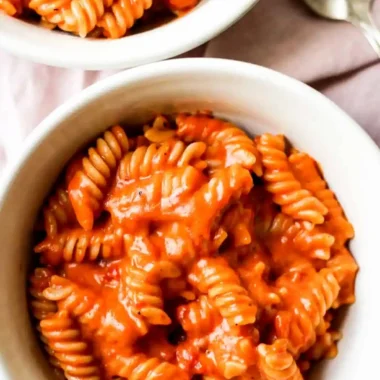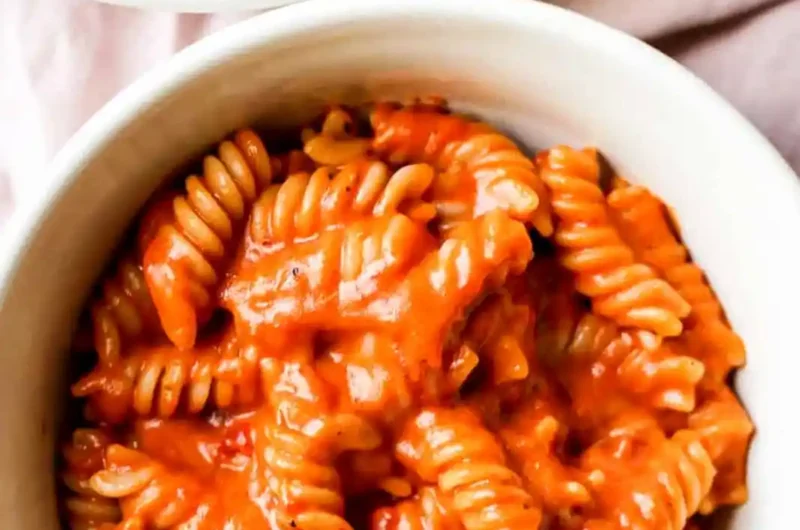
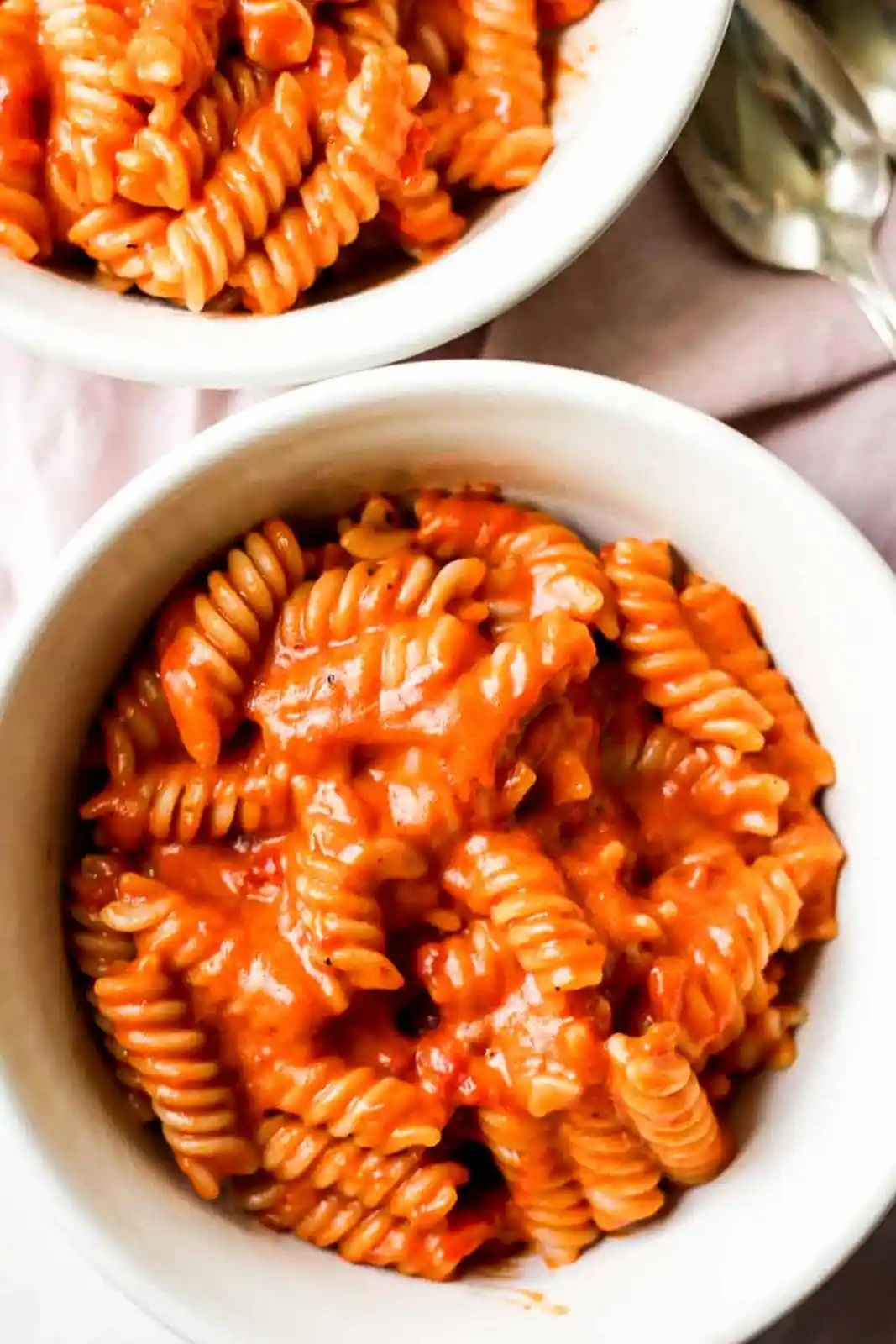
This efficient one-pot meal combines pasta, milk, and marinara sauce in a single pan for a creamy, kid-friendly result. It is a practical solution for busy weeknights that significantly reduces cleanup time.
List of ingredients
- 2 cups dried fusilli pasta – brown rice pasta works well for a gluten-free option.
- 1 cup 2% milk – ensure it is at room temperature to prevent curdling.
- 1 cup jarred marinara sauce – select a brand with no added sugar for a cleaner taste.
- 1 cup water – used to ensure the pasta hydrates fully.
- 1 teaspoon kosher salt – plus additional amounts to taste.
step-by-step instructions
- Combine and boil: Place the uncooked pasta, milk, marinara sauce, and water into a large saucepan. Stir the mixture until well combined, then set the burner to high heat and bring the liquid to a boil.
- Simmer and thicken: Once the liquid reaches a boil, stir in the kosher salt and reduce the heat to a simmer. Cook the pasta, stirring frequently, for 12 to 15 minutes until the noodles are tender and the sauce has thickened.
- Finish and serve: Remove the saucepan from the heat. Divide the creamy pasta into bowls and serve immediately.
Selecting the Right Pasta
Why Fusilli is Recommended
Fusilli is an ideal choice because its spiral shape creates pockets that trap the creamy sauce. This ensures that every bite is evenly coated and flavorful. Other spirals like rotini provide similar benefits.
Using Brown Rice Pasta
Brown rice pasta is a great gluten-free alternative that maintains its structure well during the simmering process. It provides a slightly nuttier flavor and more fiber than refined white pasta. Be sure to stir frequently to prevent the starch from sticking.
Alternative Pasta Shapes
Penne or macaroni also work well in this one-pot method. These shapes are durable and can withstand the simmering time without becoming too mushy. Avoid using very thin pastas like angel hair, as they will overcook quickly.
Optimizing Sauce and Liquids
Choosing High-Quality Marinara
The flavor of this dish depends heavily on the quality of the jarred sauce. Look for marinara made with olive oil and vine-ripened tomatoes without artificial flavorings. A thick, rich sauce will result in a creamier final consistency.
The Importance of Room Temperature Milk
Using room temperature milk prevents the sauce from separating or curdling when it hits the heat. If you only have cold milk, warm it slightly in the microwave before adding it to the pot. This ensures a smooth, emulsified texture.
Adjusting Water Ratios
The amount of water determines how much the pasta absorbs during the cooking process. If you prefer a thinner sauce, add an extra quarter cup of water. If the sauce is too watery at the end, simmer it for an additional two minutes.
Nutritional Enhancements
Incorporating Fresh Spinach
Fold in two cups of fresh baby spinach during the final two minutes of cooking. The residual heat will wilt the leaves quickly without overcooking them. This adds a boost of iron and vitamins without changing the flavor profile.
Adding Frozen Peas or Carrots
Stir in a handful of frozen peas or diced carrots during the last five minutes of simmering. These vegetables cook quickly and add a pop of color and sweetness. They provide essential nutrients that make the meal more balanced.
Mixing in Cooked Lean Protein
Add pre-cooked shredded chicken breast or ground turkey during the final step. Since the meat is already cooked, you only need to heat it through. This increases the protein content for a more filling main course.
Using Canned Legumes for Fiber
Stir in rinsed chickpeas or cannellini beans for a plant-based protein boost. These legumes add a creamy texture and significant fiber to the dish. Add them during the simmering stage to allow them to absorb the sauce.
Professional Cooking Techniques
Preventing Bottom-of-the-Pot Scorching
The milk and starch in the pasta can easily stick to the bottom of the pan. Use a heavy-bottomed saucepan to distribute heat evenly across the surface. Stir every few minutes using a silicone spatula to scrape the bottom.
Managing the Simmer Temperature
Once the pot boils, it is critical to drop the heat to a low simmer immediately. Boiling the sauce too vigorously can cause the milk to evaporate too quickly. A gentle simmer ensures the pasta cooks through without drying out the sauce.
Determining the Perfect Texture
Start tasting the pasta at the 12-minute mark to check for doneness. You want the pasta to be tender but still have a slight bite, known as al dente. Stop the cooking process as soon as the liquid reaches a thick, sauce-like consistency.
Serving and Pairing Suggestions
Best Cheeses for Topping
Freshly grated Parmesan or Pecorino Romano adds a salty, sharp contrast to the creamy sauce. For a milder flavor, use shredded mozzarella or a sprinkle of mild provolone. Add the cheese directly to the bowls for a melted finish.
Pairing with Fresh Green Salads
Serve this pasta with a crisp side salad of arugula or romaine. A light lemon vinaigrette helps cut through the richness of the creamy marinara. This provides a refreshing balance to the overall meal.
Adding a Side of Garlic Bread
Toasted baguette slices with garlic butter and parsley complement the tomato base. The crunch of the bread provides a textural contrast to the soft pasta. Warm the bread in the oven while the pasta is simmering.
Storage and Preservation
Refrigeration Guidelines
Store leftover pasta in an airtight container in the refrigerator for up to three days. The sauce will thicken significantly as it cools due to the starch in the pasta. This is normal and can be easily corrected during reheating.
Avoiding the Freezer
This recipe is not suitable for freezing because the dairy components tend to separate. Upon thawing, the sauce often becomes grainy or watery. It is best to cook only what you need or plan to eat within a few days.
Effective Reheating Methods
The Skillet Method for Best Texture
Place leftovers in a skillet over medium heat and add a splash of milk or water. Stir continuously until the pasta is heated through and the sauce returns to a creamy state. This method prevents the pasta from drying out.
Microwave Reheating Tips
Heat the pasta in short 30-second intervals, stirring in between each burst. Add a teaspoon of water or milk to the bowl before heating to maintain moisture. Covering the bowl with a damp paper towel helps steam the pasta.
Common Troubleshooting
What to Do if the Sauce is Too Thin
If the pasta is cooked but the sauce is still watery, simmer the pot uncovered for another 2-3 minutes. Keep stirring to prevent sticking while the excess liquid evaporates. This will concentrate the flavors and thicken the consistency.
How to Fix Overcooked Pasta
If the pasta becomes too soft, stop the cooking process immediately and remove the pot from the heat. You can add a sprinkle of Parmesan cheese to help bind the sauce and add structure. Avoid adding more liquid, as this will make the pasta mushier.
Resolving Sauce Clumping
If the sauce appears clumpy, it is likely due to uneven heat or insufficient stirring. Use a whisk to vigorously stir the sauce over low heat to emulsify the fats and liquids. Adding a small amount of warm milk can also smooth out the texture.
Frequently Asked Questions
Can I use whole milk instead of 2%?
Yes, whole milk can be used for a richer, creamier taste. You may find that the sauce thickens slightly faster, so monitor the liquid levels closely. Keep the heat low to avoid scorching the higher fat content.
Can I use cream instead of milk?
Substituting heavy cream for milk will result in a much denser and richer sauce. If using cream, reduce the amount of water slightly to prevent the dish from becoming too liquid. This version tastes more like a vodka-style sauce without the alcohol.
Is this recipe suitable for toddlers?
This recipe is very toddler-friendly due to its mild flavor and soft texture. Fusilli is easy for small children to pick up with their fingers or a fork. You can make it healthier by blending steamed vegetables into the marinara sauce.
Can I add garlic or onions?
While the marinara contains these flavors, adding fresh minced garlic at the start can enhance the aroma. Sauté the garlic in a teaspoon of oil for 30 seconds before adding the other ingredients. This adds a layer of fresh, pungent flavor to the pot.
Print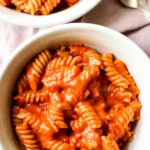
Creamy One-Pot Marinara Pasta
- Total Time: 20 minutes
- Yield: 2 servings 1x
- Diet: General
Description
A five-ingredient, kid-friendly one-pot pasta dish that is wholesome, homemade, and ready in 20 minutes.
Ingredients
- 2 cups dried fusilli pasta
- 1 cup 2% milk, room temperature
- 1 cup jarred marinara sauce
- 1 cup water
- 1 teaspoon kosher salt
Instructions
- Boil: Combine the (uncooked) pasta, milk, marinara, and water in a large saucepan. Stir until well combined, then turn the heat on to high. Bring the contents to a boil.
- Simmer: Once boiling, stir in the salt and reduce the heat to a simmer. Cook, stirring often, until the pasta is tender, the liquid has mostly absorbed, and the sauce is thickened, 12 to 15 minutes.
- Serve: Remove from heat, divide amongst bowls, and enjoy!
Notes
A kid-friendly alternative to SpaghettiOs that comes together in one pot.
- Prep Time: 5 minutes
- Cook Time: 15 minutes
- Category: Main Course
- Method: Stovetop
- Cuisine: American
Nutrition
- Serving Size: 1 serving
- Calories: 303 kcal
- Sugar: 11 g
- Sodium: 1815 mg
- Fat: 4 g
- Saturated Fat: 2 g
- Unsaturated Fat: 1.2 g
- Trans Fat: 0.1 g
- Carbohydrates: 59 g
- Fiber: 6 g
- Protein: 10 g
- Cholesterol: 9 mg
Keywords: one-pot pasta, kid-friendly, easy dinner, brown rice pasta