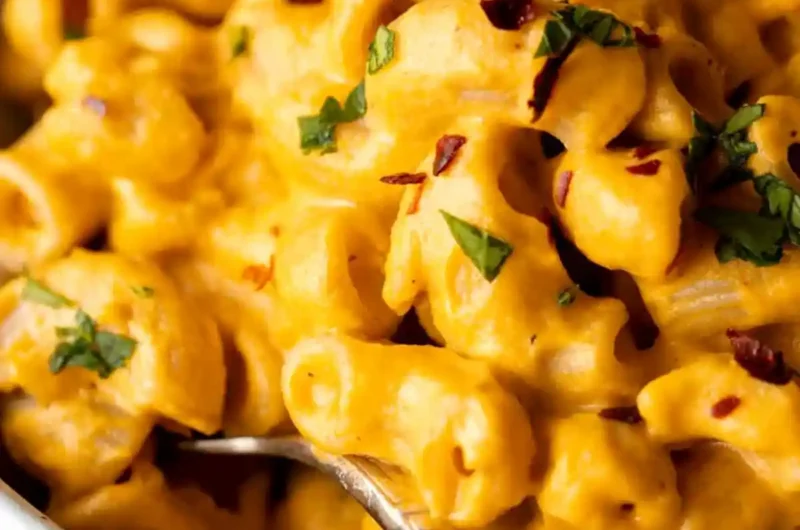
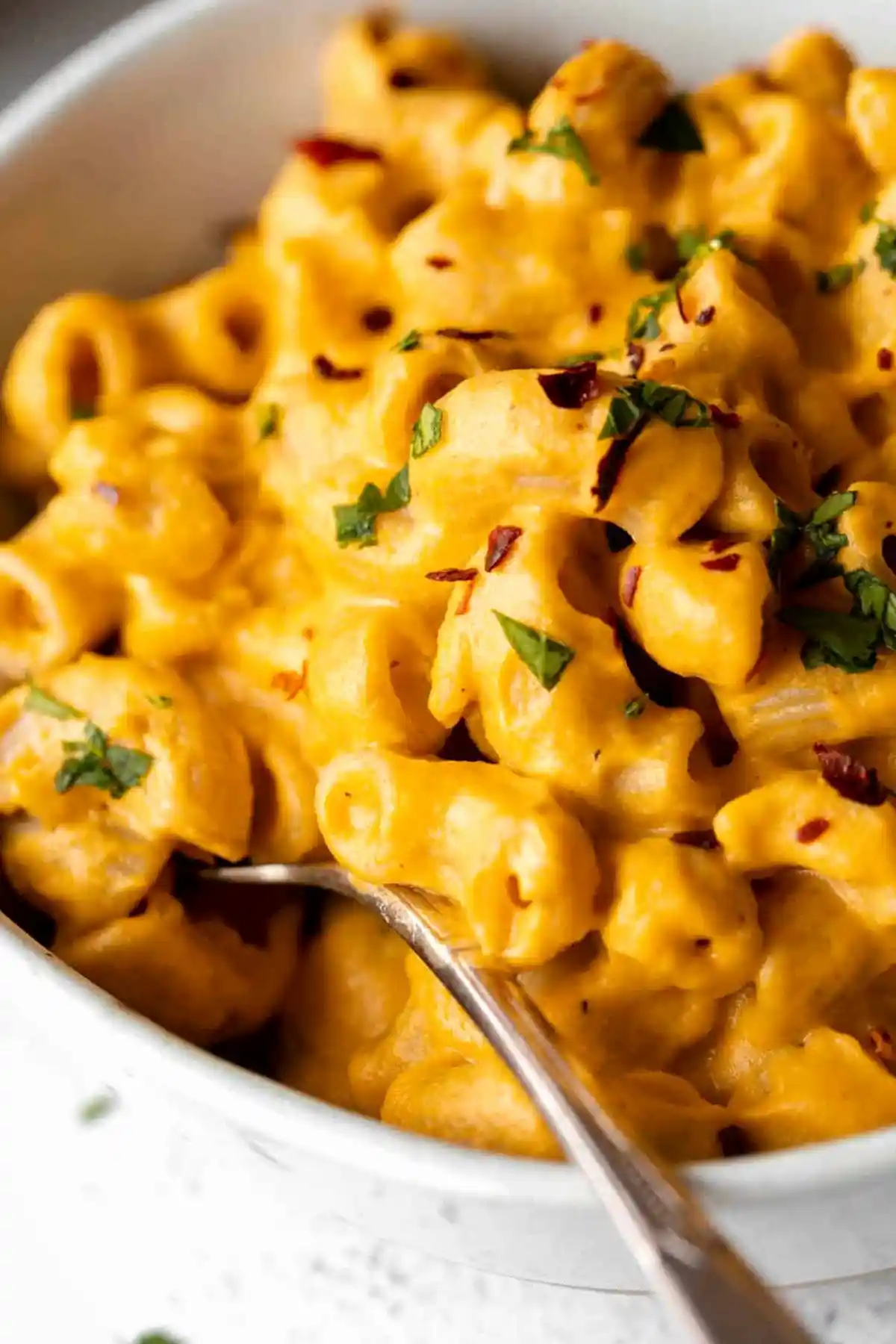
This recipe provides a rich and velvety alternative to traditional macaroni and cheese using plant-based ingredients. It is simple to prepare and delivers a satisfying texture and savory flavor without any dairy products.
List of ingredients
- 1 cup peeled and diced potatoes – provides the primary thickening base.
- 1/2 cup diced carrots – adds natural sweetness and a golden color.
- 1/4 cup diced onion – contributes a savory, aromatic depth.
- 1/2 cup raw cashews – creates the creamy, rich texture of the sauce.
- 3/4 cup water – used for blending to achieve the correct consistency.
- 1/4 cup nutritional yeast – provides the essential cheesy, nutty flavor.
- 1 tbsp lemon juice – adds a bright acidity to balance the richness.
- 1 tsp salt – enhances all the individual flavors in the dish.
- 1/2 tsp garlic powder – adds a subtle, savory punch.
- 1/2 tsp onion powder – reinforces the aromatic profile of the sauce.
- 1/2 tsp mustard (Dijon or yellow) – adds a sharp tang similar to aged cheese.
- 8 oz elbow macaroni – the classic pasta choice, though other shapes work well.
step-by-step instructions
- Cook the vegetables: Place the diced potatoes, carrots, and onion in a medium pot, cover them with water, and boil for 10 minutes or until they are tender.
- Soften the cashews: Add the raw cashews to the boiling pot during the final 5 minutes of the vegetable cooking process.
- Cook the pasta: Boil the elbow macaroni in a separate pot of salted water according to package directions, then drain and set aside.
- Blend the sauce: Drain the boiled vegetables and cashews and transfer them to a blender. Add the water, nutritional yeast, lemon juice, salt, garlic powder, onion powder, and mustard, then blend until the mixture is completely smooth and creamy.
- Combine and heat: Pour the blended cheese sauce over the cooked pasta and stir together over low heat until the pasta is evenly coated and warm.
Sauce Consistency and Texture Tips
Achieving a Perfectly Smooth Blend
To ensure there are no grainy bits of cashew or potato, use a high-speed blender and process the sauce for at least 60 seconds. If you notice small lumps, continue blending on the highest setting until the mixture looks like a heavy cream. For those without a high-speed blender, soaking the cashews overnight before boiling can help achieve a smoother result.
Adjusting the Sauce Thickness
The thickness of the sauce can vary depending on the size of the potato chunks and the type of pasta used. If the sauce is too thick, gradually stir in one tablespoon of warm water or unsweetened plant milk until you reach your desired consistency. If it is too thin, you can blend in an extra tablespoon of nutritional yeast or a small piece of boiled potato to increase the viscosity.
Preventing Vegetable Lumps
Make sure the potatoes and carrots are diced into small, uniform pieces to ensure they cook evenly and soften completely. If the vegetables are undercooked, the blender will struggle to emulsify them, resulting in a textured sauce rather than a creamy one. Always test a piece of potato with a fork to ensure it is completely soft before draining.
Ingredient Substitutions for Variety
Nut-Free Creamy Alternatives
If you cannot use cashews, you can replace them with an equal amount of raw sunflower seeds or hulled hemp seeds. For a completely seed-free and nut-free version, increase the amount of boiled potatoes and carrots and add a tablespoon of vegan butter. These alternatives maintain the creaminess while keeping the dish safe for those with nut allergies.
Low-Carb Pasta Options
While elbow macaroni is traditional, you can use gluten-free pasta, chickpea pasta, or lentil pasta for added protein and fiber. For a very low-carb version, substitute the pasta with steamed cauliflower florets or spiralized zucchini. If using zucchini, sauté it briefly first to remove excess moisture so the sauce does not become watery.
Replacing Nutritional Yeast
If you do not have nutritional yeast, a small amount of white miso paste can provide a similar salty, fermented depth of flavor. However, since miso is very salty, you should reduce the amount of added salt in the recipe to avoid over-seasoning. Another option is to use a store-bought vegan parmesan substitute, though the flavor profile will change slightly.
Alternative Acidic Components
If lemon juice is unavailable, apple cider vinegar or white vinegar can be used to provide the necessary tang. Use the same measurement as the lemon juice but taste as you go, as some vinegars are more pungent than others. The acid is crucial because it mimics the natural lactic acid found in dairy cheese.
Flavor Enhancements and Add-ins
Adding a Smoky Dimension
To give the mac and cheese a deeper, wood-fired flavor, stir in a half-teaspoon of smoked paprika or a drop of liquid smoke into the blender. This works exceptionally well if you are serving the dish as a side for grilled vegetables or plant-based proteins. The smokiness complements the nutritional yeast and creates a more complex flavor profile.
Incorporating Fresh Herbs
Fresh herbs added at the very end can brighten the dish and add a professional touch. Finely chopped parsley, chives, or basil stirred in after the sauce and pasta are combined adds a fresh contrast to the rich sauce. For an earthy taste, a pinch of dried thyme or sage can be blended directly into the sauce.
Introducing Spicy Elements
For those who prefer a kick, add a pinch of cayenne pepper or a teaspoon of sriracha to the blender. You can also stir in diced pickled jalapenos or chopped fresh chilies after combining the sauce and pasta. The heat cuts through the creaminess of the cashews and potatoes, making the dish more dynamic.
Adding Complementary Vegetables
You can turn this into a complete meal by folding in steamed broccoli florets, frozen peas, or sautéed spinach. Add these vegetables during the final heating stage so they remain vibrant and slightly crisp. This adds nutritional value and a pop of color to the golden-yellow sauce.
Cooking and Preparation Advice
Timing the Pasta Correctly
Cook your pasta for one to two minutes less than the package directions suggest, aiming for a firm al dente texture. Since the pasta will be heated again in the sauce, overcooking it during the initial boil can lead to mushy noodles. Keeping them firm allows the pasta to absorb some of the sauce without losing its structure.
Efficient One-Pot Variations
While the recipe calls for two pots, you can save time by cooking the pasta in a large pot and then removing it with a strainer before boiling the vegetables in the same water. This utilizes the starch already present in the water, which can actually help the final sauce cling better to the noodles. Just ensure the water is brought back to a boil before adding the vegetables.
Preparing the Sauce in Advance
The blended cheese sauce can be made a few days in advance and stored in an airtight container in the refrigerator. When you are ready to eat, simply reheat the sauce in a small pan or microwave before tossing it with fresh pasta. This makes the dish an excellent option for meal prep or quick weeknight dinners.
Storage and Reheating Guidelines
Optimal Refrigeration Methods
Store leftovers in a sealed glass container to keep the sauce from absorbing other smells from the fridge. The dish will typically stay fresh for three to five days when kept at a constant cold temperature. To prevent the pasta from absorbing all the sauce and becoming dry, consider storing the sauce and pasta in separate containers.
Freezing for Long-Term Storage
This vegan mac and cheese freezes surprisingly well if you undercook the pasta slightly more than usual. Place the combined dish in a freezer-safe container and leave a small amount of headspace for expansion. Thaw the dish in the refrigerator overnight before reheating to maintain the best possible texture.
Reheating for Maximum Creaminess
When reheating, the sauce may thicken or separate slightly due to the potato and cashew starches. Add a tablespoon of water or plant milk and stir gently over low heat on the stove. Avoid high heat or long microwave times, as this can cause the sauce to break or the pasta to become overly soft.
Troubleshooting Sauce Issues
Fixing a Grainy Texture
If the sauce remains grainy after blending, it is usually because the cashews were not softened enough or the blender is not powerful enough. Try passing the sauce through a fine-mesh strainer to remove any remaining solids. Alternatively, heating the sauce in a pan for a few minutes and whisking vigorously can sometimes help emulsify the ingredients further.
Correcting Bland Flavor
If the final result tastes flat, it usually needs more acid or salt to wake up the flavors. Add a small squeeze of extra lemon juice or a pinch of salt and stir well. Sometimes a tiny bit of maple syrup or agave can also balance the saltiness and enhance the savory notes of the nutritional yeast.
Managing a Sauce That is Too Thick
If the sauce becomes a thick paste rather than a cream, do not panic. Simply whisk in warm water one teaspoon at a time while the sauce is over low heat. The heat helps the liquid integrate with the starches more effectively than adding cold water, ensuring a smooth finish.
Frequently Asked Questions
Can I use frozen vegetables?
Yes, you can use frozen diced carrots and onions, though you may need to adjust the boiling time slightly. Frozen vegetables often release more water, so be sure to drain them very thoroughly before adding them to the blender to avoid thinning the sauce too much.
How long does this dish last in the fridge?
When stored in an airtight container, this vegan mac and cheese lasts for 3 to 5 days. For the best quality, consume it within the first three days, as the potato-based sauce can lose some of its elasticity over time.
Is this recipe naturally gluten-free?
The sauce is naturally gluten-free, but the final dish depends on the pasta you choose. By substituting traditional elbow macaroni with a gluten-free pasta made from corn, brown rice, or chickpeas, the entire recipe becomes gluten-free.
Do I have to peel the potatoes?
Yes, peeling the potatoes is highly recommended for this recipe. The skins can create small, dark specks and a slightly gritty texture in the blended sauce, which detracts from the creamy, cheese-like appearance and mouthfeel.
Print
Creamy Plant-Based Macaroni and Cheese
- Total Time: 25 minutes
- Yield: 4 servings 1x
- Diet: Vegan
Description
You don’t want dairy in your mac and cheese? Me too. So, I created this easy-to-follow recipe on how to make the tastiest vegan mac and cheese you can truly enjoy.
Ingredients
- 1 cup peeled and diced potatoes
- ½ cup diced carrots
- ¼ cup diced onion
- ½ cup raw cashews
- ¾ cup water (for blending)
- ¼ cup nutritional yeast
- 1 tbsp lemon juice
- 1 tsp salt
- ½ tsp garlic powder
- ½ tsp onion powder
- ½ tsp mustard (Dijon or yellow)
- 8 oz elbow macaroni (or any pasta shape you like)
Instructions
- Cook the veggies: Add potatoes, carrots, and onion to a pot. Cover with water and boil for 10 minutes or until soft.
- Soften the cashews: Add raw cashews to the pot during the last 5 minutes.
- Cook the pasta: Boil the pasta in a separate pot. Drain and set aside.
- Blend the sauce: Drain the veggies and cashews. Add them to a blender. Add water, nutritional yeast, lemon juice, salt, garlic powder, onion powder, and mustard. Blend until smooth and creamy.
- Combine: Pour the sauce over the cooked pasta. Stir on low heat until warm and evenly coated.
Notes
This recipe provides a creamy, plant-based alternative to traditional macaroni and cheese using a base of blended cashews and vegetables.
- Prep Time: 10 minutes
- Cook Time: 15 minutes
- Category: Main Course
- Method: Stovetop
- Cuisine: American
Nutrition
- Serving Size: 1 serving
- Calories: 350 kcal
- Sugar: 6 g
- Sodium: 610 mg
- Fat: 12 g
- Saturated Fat: 2 g
- Unsaturated Fat: 10 g
- Trans Fat: 0 g
- Carbohydrates: 45 g
- Fiber: 6 g
- Protein: 12 g
- Cholesterol: 0 mg
Keywords: vegan mac and cheese