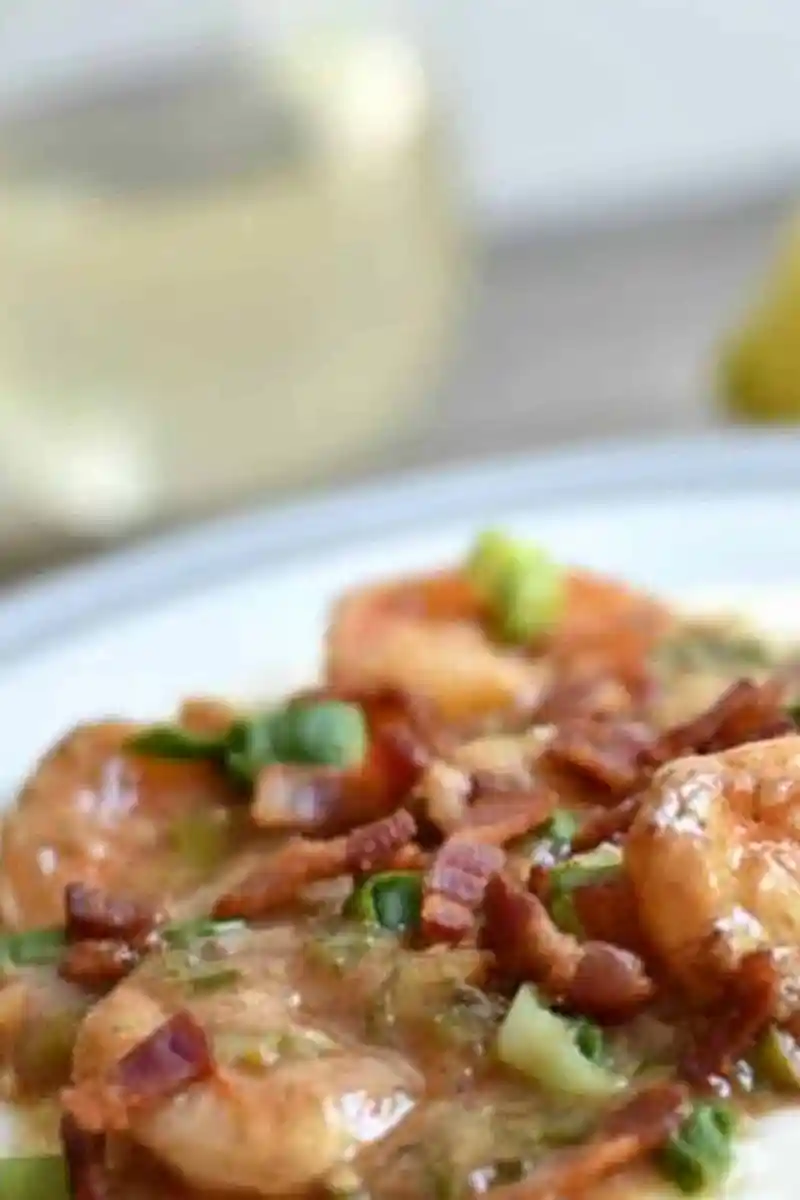
This creamy shrimp and grits recipe brings a low-country classic to your table with rich flavors and a velvety texture. It is an ideal dish for brunch or a special dinner that feels sophisticated yet comforting.
List of ingredients
- 6 cups half and half – provides a rich, creamy base for the grits.
- 1½ teaspoons salt – enhances the overall flavor of the grits.
- 1½ cups quick cooking grits (not instant) – ensures a proper texture and creaminess.
- 4 ounces sharp cheddar cheese, grated – adds a bold, savory taste to the grits.
- ½ teaspoon cayenne pepper – provides a subtle heat and depth.
- 1&frac1}{3} pounds large shrimp, shelled and deveined – the main protein of the dish.
- 1 teaspoon Creole or Cajun seasoning, divided in half – used for both seasoning shrimp and the sauce.
- 8 strips turkey bacon – provides a smoky element without pork.
- 1 bunch green onions, chopped (including white part), divided – adds freshness and color.
- 1 clove garlic, minced – adds aromatic flavor to the shrimp mixture.
- &frac2}{3} cup chicken broth – used for deglazing the pan and building the sauce.
- &frac1}{2} lemon, juiced – cuts through the richness with bright acidity.
- 2 Tablespoons worcestershire sauce – adds a deep, savory umami profile.
- 3-4 shakes Wondra flour – used to thicken the sauce to a velvety consistency.
step-by-step instructions
- Boil the liquid: Heat the half and half and salt in a pot just until it starts to boil.
- Add grits: Stir in the quick cooking grits and return the mixture to a boil, whisking constantly to prevent lumps from forming.
- Simmer: Reduce the heat to a simmer and cover the pot. Simmer for 6-7 minutes, stirring occasionally until the grits have thickened.
- Finish grits: Stir in the grated sharp cheddar cheese until completely melted, then add the cayenne pepper. Keep the grits warm on low heat.
- Season shrimp: Sprinkle the shrimp with &frac1}{2} teaspoon of the Creole seasoning and set them aside to marinate.
- Prepare turkey bacon: Cut the turkey bacon into small pieces. Cook them in a skillet over medium to medium-high heat until crispy, then drain on paper towels and set aside.
- Sauté shrimp: Drain most of the turkey bacon grease from the skillet, leaving a small amount. Cook the shrimp in the same skillet for about 2 minutes per side until done, then set them aside.
- Cook aromatics: In the same skillet, cook two-thirds of the chopped green onions and the minced garlic until they become limp, then remove them and set aside.
- Deglaze pan: Pour the chicken broth into the skillet to deglaze the pan, scraping up any browned bits from the bottom.
- Build sauce: Add the fresh lemon juice, worcestershire sauce, and the remaining &frac1}{2} teaspoon of Creole seasoning to the pan.
- Thicken sauce: Add the Wondra flour (or a flour slurry) and simmer for about 3-4 minutes until the sauce thickens slightly.
- Combine: Add the cooked shrimp and sautéed onions back into the skillet. Heat just until the mixture is thoroughly warmed through.
- Plate: Divide the warm grits evenly among four plates. Top each serving with the shrimp mixture, crispy turkey bacon bits, and the remaining green onions.
Grits Preparation Mastery
Choosing the Right Grits
Quick cooking grits are the preferred choice for this recipe because they offer a balance between texture and convenience. Avoid using instant grits, as they often have a mushy consistency and lack the heartiness of traditional grits. Stone-ground grits are another option, but they require significantly more cooking time.
Preventing Grits Lumps
Using a sturdy whisk is essential when adding grits to boiling liquid. Whisking rapidly ensures that the grains are dispersed evenly and do not clump together. If you notice lumps forming, continue whisking vigorously before reducing the heat to simmer.
Managing Grits Consistency
Grits can thicken rapidly as they stand. If the consistency becomes too thick or pasty, stir in a small amount of warm half and half or water. This restores the smooth, creamy texture without altering the flavor profile.
Keeping Grits Warm
Once the cheese and cayenne are stirred in, keep the grits on the lowest possible heat setting. Keep the pot covered to retain moisture and prevent a skin from forming on the surface. Stir them occasionally to ensure the heat is distributed evenly.
The Role of Half and Half
Using half and half instead of water or milk provides a much richer mouthfeel. The higher fat content emulsifies with the melted cheddar, creating a luxurious base that supports the savory shrimp topping. For an even richer version, you can substitute some half and half with heavy cream.
Adjusting Salt Levels
Since Creole seasoning and cheddar cheese both contain sodium, be cautious with the initial salt added to the grits. Taste the grits after the cheese has melted before adding any additional salt. This prevents the dish from becoming overly salty.
Shrimp Cooking Techniques
Identifying Perfectly Cooked Shrimp
Shrimp cook very quickly and can become rubbery if overdone. They are finished when they curl into a ‘C’ shape and turn opaque white with pink edges. If they curl tightly into an ‘O’ shape, they have been overcooked and will be tough.
Selecting Shrimp Size
Large shrimp are recommended because they hold up better in the sauce and provide a satisfying bite. Ensure the shrimp are shelled and deveined to remove the digestive tract and any grit. Pat the shrimp dry with paper towels before seasoning to ensure a better sear in the pan.
Proper Shrimp Seasoning
Applying the Creole seasoning just before cooking allows the flavors to penetrate the surface without drawing out moisture. Avoid seasoning the shrimp too far in advance, as the salt can cure the meat and change the texture. Use a light dusting to avoid overpowering the other ingredients.
Temperature Control in the Skillet
Use medium to medium-high heat to sear the shrimp. The pan should be hot enough that the shrimp sizzle immediately upon contact. This creates a light crust that locks in moisture and adds a depth of flavor to the final dish.
Managing Pan Grease
Retaining a small amount of turkey bacon grease adds a smoky dimension to the shrimp. However, too much grease can make the shrimp oily rather than seared. Drain the excess fat but leave the brown bits, known as fond, as these are concentrated flavor sources.
Flavor Enhancement Strategies
Optimizing the Deglazing Process
Deglazing with chicken broth is a critical step for building a complex sauce. The liquid lifts the browned proteins and fats from the bottom of the pan, integrating them into the sauce. Use a wooden spoon or spatula to scrape the bottom of the skillet thoroughly during this process.
Selecting the Best Cheddar
A sharp white cheddar is ideal because it provides a pungent contrast to the creamy grits without changing the color. If you prefer a more traditional look, sharp yellow cheddar works equally well. The sharpness of the cheese is necessary to cut through the richness of the half and half.
Balancing Heat with Cayenne
Cayenne pepper provides a subtle warmth that lingers in the background. You can adjust the amount based on your preference for spice. To increase the heat without changing the flavor profile, add a pinch more cayenne during the final stirring of the grits.
The Purpose of Lemon Juice
Fresh lemon juice adds an essential acidic component that brightens the entire dish. This acidity balances the heavy fats from the dairy and the savory notes of the Worcestershire sauce. Always use fresh lemon rather than bottled juice for a cleaner, more vibrant taste.
Using Worcestershire Sauce for Depth
Worcestershire sauce introduces umami and a slight tang to the shrimp mixture. It acts as a bridge between the smoky bacon and the sweet shrimp. Ensure you use a high-quality brand to get the most balanced flavor.
Substitution and Ingredient Alternatives
Dairy-Free Grits Options
For a dairy-free version, replace the half and half with full-fat coconut milk or an unsweetened cashew cream. Instead of cheddar cheese, use a plant-based sharp cheddar alternative or a tablespoon of nutritional yeast for a cheesy flavor.
Flour Alternatives for Thickening
If Wondra flour is not available, you can use all-purpose flour. To prevent lumps, dissolve one teaspoon of flour in a tablespoon of cold water to create a slurry. Stir this slurry into the simmering sauce and cook for a few minutes until thickened.
Replacing Creole Seasoning
If you lack a pre-made Creole blend, create your own using paprika, garlic powder, onion powder, dried thyme, and a pinch of black pepper. Be mindful of the salt content when mixing your own blend, as commercial seasonings are often very salty.
Alternative Protein Options
While shrimp is traditional, this method works well with scallops or firm white fish like cod. Adjust the cooking time for scallops to about 2 minutes per side, ensuring they develop a golden-brown crust before adding them to the sauce.
Serving and Presentation Ideas
Plating for Visual Appeal
Spoon a generous mound of grits into a shallow bowl or a wide rimmed plate. Ladle the shrimp and sauce directly over the center, allowing the sauce to drizzle down the sides. Garnish with a pinch of reserved green onions and crispy turkey bacon bits for a professional look.
Side Dish Pairings
Pair this rich dish with something light and acidic. Sautéed collard greens with a splash of vinegar or a crisp cucumber salad are excellent choices. A simple side of steamed asparagus also complements the flavors of the shrimp and grits.
Garnish Suggestions
Beyond green onions, a sprinkle of fresh parsley or chives adds a burst of color and freshness. A thin slice of lemon placed on the side of the plate allows guests to add extra acidity to their liking.
Storage and Reheating Guide
Storing Leftover Grits
Store leftover grits in an airtight container in the refrigerator for up to three days. Note that grits will set into a firm block as they cool. This is normal and can be easily fixed during the reheating process.
Storing the Shrimp Mixture
Keep the shrimp and sauce in a separate container from the grits. This prevents the shrimp from absorbing too much liquid and keeps the sauce from soaking into the grits, which would make the dish soggy.
Best Reheating Methods
Reheat grits in a small saucepan over low heat. Add a splash of half and half or water and stir constantly until they return to a creamy consistency. Warm the shrimp mixture in a skillet over medium heat just until heated through to avoid overcooking the protein.
Freezing Considerations
Grits do not freeze well because the dairy can separate, resulting in a grainy texture. It is recommended to consume this dish fresh or store it in the refrigerator for a short period.
Troubleshooting Common Issues
What to do if Grits are Too Thick
If the grits become too thick, stir in warm chicken broth or half and half one tablespoon at a time. Continue stirring over low heat until the desired creamy consistency is achieved. Avoid adding cold liquid, as it can cause the cheese to clump.
How to Fix Overcooked Shrimp
Once shrimp become rubbery, they cannot be made tender again. To prevent this, remove them from the pan the moment they turn pink and opaque. Only return them to the sauce at the very end to warm through for 30-60 seconds.
Addressing a Bland Sauce
If the sauce lacks punch, add an extra teaspoon of Worcestershire sauce or a squeeze of lemon. Increasing the acidity often wakes up the other flavors. A pinch of extra Creole seasoning can also boost the savory notes.
Dealing with Lumpy Sauce
If the flour creates lumps in the sauce, use a whisk to blend them in over medium heat. If the lumps persist, you can pass the sauce through a fine-mesh strainer before adding the shrimp back into the pan.
Frequently Asked Questions
Can I use instant grits instead?
No, instant grits are not recommended for this recipe. They lack the creamy texture and structure needed to support the heavy shrimp topping and do not integrate with the cheese as effectively as quick cooking grits.
Can this be made in a slow cooker?
The grits can be made in a slow cooker on low for several hours, though they require stirring. However, the shrimp, bacon, and sauce must be prepared on the stovetop to maintain the correct texture and sear.
How do I make the dish less spicy?
To reduce the heat, omit the cayenne pepper from the grits and use a mild Cajun seasoning for the shrimp. You can also increase the amount of cheese or add a splash of extra cream to the sauce to mellow the spice.
What is the best substitute for Wondra flour?
All-purpose flour is the best substitute. Because Wondra is pre-gelatinized and dissolves instantly, you should mix regular flour with a little water or broth first to create a smooth paste before adding it to the sauce.
Can I use a different type of cheese?
Yes, Gouda or Gruyere are excellent substitutes for sharp cheddar. These cheeses melt beautifully and provide a nutty, sophisticated flavor that pairs well with seafood.
Print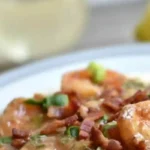
Creamy Southern-Style Shrimp and Grits
- Total Time: 55 minutes
- Yield: 4 servings 1x
- Diet: General
Description
This shrimp and grits is a low country classic and this version is a family favorite. You’ve never had grits this creamy!
Ingredients
- 6 cups half and half
- 1½ teaspoons salt
- 1½ cups quick cooking grits (not instant)
- 4 ounces sharp cheddar cheese (grated)
- ½ teaspoon cayenne pepper
- 1⅓ pounds shrimp (preferably large shelled and deveined)
- 1 teaspoon Creole or Cajun seasoning (divided in 1/2)
- 8 strips turkey bacon
- 1 bunch green onions (chopped (including white part) divided)
- 1 clove garlic (minced)
- ⅓ cup alcohol-free white wine
- ⅓ cup chicken broth
- ½ lemon (juiced)
- 2 Tablespoons worcestershire sauce
- 3–4 “shakes” Wondra flour
Instructions
- Step: Heat half and half and salt just until it starts to boil.
- Step: Stir in grits, return to boil, whisking to prevent lumps.
- Step: Reduce heat to simmer and cover.
- Step: Simmer 6-7 minutes until thickened (stirring occasionally).
- Step: Stir in cheese until melted, and add cayenne pepper and keep warm.
- Step: Sprinkle shrimp with 1/2 tsp. Creole seasoning and set aside
- Step: Cut turkey bacon into small pieces
- Step: Cook turkey bacon in skillet over med to med-hi heat until done & drain on paper towels; set aside
- Step: Drain most of turkey bacon grease from skillet
- Step: Cook shrimp in same skillet until done about 2 min. per side and set aside
- Step: Cook 2/3 onions and garlic in same skillet until limp and set aside
- Step: Deglaze pan with alcohol-free white wine/broth mixture
- Step: Add fresh lemon juice, worcestershire sauce and remaining Creole seasoning
- Step: Thicken sauce slightly by adding flour and simmer about 3-4 minutes
- Step: Add shrimp and onions back to skillet just until mixture is heated thoroughly
- Step: Divide grits evenly among 4 plates
- Step: Top with shrimp mixture, turkey bacon bits and remaining onions
Notes
Add the shrimp and onion/garlic mixture in just long enough to heat. You don’t want the shrimp to cook anymore.
- Prep Time: 10 minutes
- Cook Time: 45 minutes
- Category: Main Course
- Method: Stovetop
- Cuisine: American
Nutrition
- Serving Size: 1 serving
- Calories: 966 kcal
- Sugar: 17 g
- Sodium: 1649 mg
- Fat: 55 g
- Saturated Fat: 32 g
- Unsaturated Fat: 18 g
- Trans Fat: 0.01 g
- Carbohydrates: 65 g
- Fiber: 3 g
- Protein: 54 g
- Cholesterol: 401 mg
Keywords: shrimp and grits