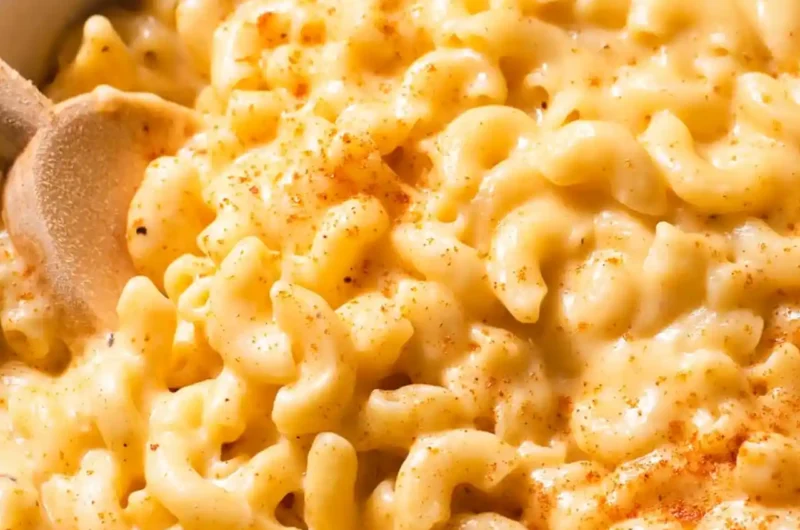
This rich and velvety macaroni and cheese combines the sharpness of cheddar with the buttery smoothness of gouda. It is a quick stovetop meal that delivers a gourmet taste in about 20 minutes.
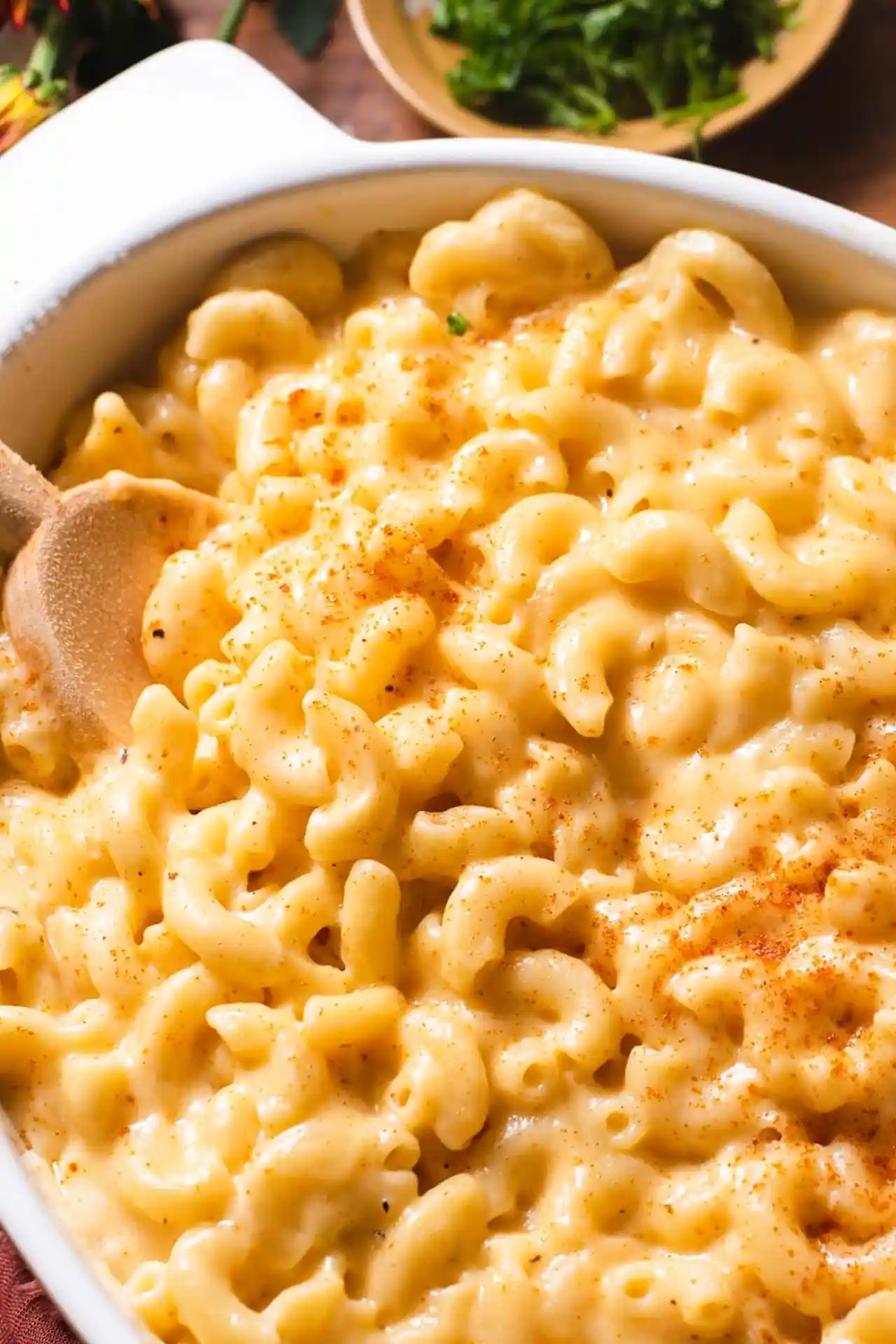
List of ingredients
- 12 ounces dry elbow macaroni – use a high-quality pasta for the best texture.
- 1/4 cup unsalted butter – provides the fat base for the roux.
- 1/4 cup all-purpose flour – acts as the thickening agent for the sauce.
- 2 and 1/2 cups whole milk – ensures a creamy and rich consistency.
- 1/4 teaspoon table salt – enhances the natural flavors of the cheese.
- 1/4 teaspoon black pepper – adds a subtle warmth, plus more for topping.
- 1/4 teaspoon Old Bay seasoning – provides a unique, savory depth.
- 8 ounces shredded sharp cheddar cheese – the primary source of bold flavor.
- 4 ounces shredded gouda – adds a nutty, smooth finish to the sauce.
- paprika – used as a colorful and flavorful garnish.
step-by-step instructions
- Boil the Pasta: Cook the elbow macaroni in a pot of well-salted water until it reaches an al dente texture, following the specific timing on the package. Drain the water thoroughly and set the pasta aside.
- Create the Roux: Place a large skillet over medium-high heat and melt the unsalted butter. Once melted, sprinkle in the all-purpose flour and stir frequently with a silicon whisk for about 2 minutes until the mixture forms a lightly browned paste.
- Build the Sauce: Slowly whisk in the whole milk, ensuring you stir constantly to prevent lumps. Stir in the salt, black pepper, and Old Bay seasoning, then add the shredded sharp cheddar and gouda. Continue stirring until the cheese is completely melted into the liquid.
- Thicken the Mixture: Bring the sauce to a simmer over medium-high heat. As soon as it begins to bubble, reduce the heat to low and let it simmer gently. The sauce is finished when it is thick enough to coat the back of a spoon without sliding off.
- Combine and Serve: Fold the cooked macaroni into the thickened cheese sauce and stir until every piece of pasta is evenly coated. Serve immediately, topping each portion with a sprinkle of paprika and additional black pepper.
Expert Cheese Selection Guidelines
Choosing the Right Gouda Variety
For this recipe, a semi-hard Gouda works best to ensure a smooth melt. Young Gouda offers a mild, creamy flavor, while an aged Gouda provides a deeper, nuttier taste. If you prefer a more subtle profile, stick with the younger variety.
Selecting the Best Sharp Cheddar
Sharp cheddar is essential for providing the acidic contrast to the rich milk and butter. While extra-sharp cheddar is available, a standard sharp cheddar is often preferred to prevent the flavor from becoming too overpowering. Ensure the cheese is of high quality for the best emulsion.
The Importance of Hand-Shredded Cheese
It is highly recommended to grate your own cheese from a block rather than using pre-shredded bags. Pre-shredded cheeses are coated in potato starch or cellulose to prevent clumping in the bag. These additives can interfere with the melting process and result in a grainy or gritty sauce.
Customizing Your Pasta Dish
Exploring Different Pasta Shapes
While elbow macaroni is the classic choice, other short-grain pastas work equally well. Shells or cavatappi are excellent alternatives because their hollow centers and ridges trap more of the cheese sauce. This ensures a higher ratio of sauce to pasta in every bite.
Alternative Milk Options
Whole milk is used for maximum creaminess, but you can adjust this based on your dietary needs. Skim or 1% milk can be used for a lighter version, though the sauce may be slightly less thick. Unsweetened, unflavored soy or oat milk also work well as plant-based substitutes.
Adding a Spicy Kick
To elevate the flavor profile, you can introduce a small amount of heat. A pinch of cayenne pepper or a few dashes of your favorite hot sauce blended into the roux adds a subtle complexity. This heat cuts through the richness of the Gouda and cheddar.
Incorporating Vegetables for Nutrition
You can easily turn this side dish into a more balanced meal by adding vegetables. Stir in steamed broccoli florets, sautéed spinach, or frozen peas during the final mixing step. This adds color, texture, and essential nutrients without compromising the sauce.
Mastering the Sauce Technique
Perfecting the Béchamel Base
The combination of butter and flour creates a roux, which is the foundation of the sauce. Cooking the roux for exactly two minutes is critical because it toasts the flour, removing the raw taste. Be careful not to overcook it, as a dark brown roux will change the final color of the cheese sauce.
Avoiding Lumps During Milk Integration
The key to a velvety sauce is adding the milk slowly and whisking vigorously. If you pour all the milk in at once, the roux can clump, leading to an uneven texture. Adding the liquid in small increments allows the starch to hydrate evenly.
Using the Spoon Test for Thickness
Knowing when the sauce is perfectly thickened is vital for the final result. Dip a metal spoon into the simmering sauce and lift it out. Draw your finger across the back of the spoon; if the path remains clear and the sauce does not run, it has reached the ideal consistency.
Serving and Pairing Suggestions
Adding Final Garnish Touches
A dusting of paprika on top provides a professional look and a mild, smoky flavor. Freshly cracked black pepper adds a sharp contrast to the creamy cheese. For extra texture, a sprinkle of chopped fresh parsley can add a burst of color and freshness.
Complementary Side Dish Ideas
Because this dish is quite rich, it pairs best with light or acidic sides. A crisp green salad with a lemon vinaigrette or roasted root vegetables provide a balanced meal. Steamed asparagus or sautéed kale also work well to cut through the heaviness of the cheese.
Storage and Reheating Methods
Safe Refrigeration Practices
Store any leftover macaroni and cheese in an airtight container in the refrigerator. It will stay fresh and safe to eat for 3 to 4 days. Ensure the dish is cooled slightly before sealing to prevent excess condensation from forming inside the container.
Best Microwave Reheating Technique
Cheese sauces tend to thicken or separate when reheated. To prevent this, add a small splash of milk to the pasta before microwaving. Heat in 30-second intervals, stirring in between, until the sauce becomes creamy and the pasta is hot.
Stovetop Reheating for Better Texture
For the best results, reheat the dish in a small pot over low heat. Add a tablespoon of milk and stir constantly. The low temperature prevents the cheese from breaking or becoming oily, restoring the original velvety texture.
Converting Stovetop to Baked Mac
Adding a Crunchy Topping
If you prefer a baked version, transfer the cooked stovetop mac and cheese into a 2-quart baking dish. Top the mixture with an additional half-cup of shredded cheddar cheese. For added crunch, sprinkle a layer of toasted panko or breadcrumbs over the cheese.
Oven Settings and Bake Time
Preheat your oven to 350 degrees Fahrenheit. Bake the dish for 15 to 20 minutes until the cheese on top is melted and golden brown. Note that baking will reduce the amount of sauce, resulting in a denser, more concentrated flavor.
Frequently Asked Questions
Can I use pre-shredded cheese if I am in a rush?
Yes, you can use pre-shredded cheese, but the sauce may not be as smooth. The anti-caking agents in bagged cheese can prevent it from emulsifying perfectly with the milk and butter.
What is a good substitute for Old Bay seasoning?
If you do not have Old Bay, you can use a combination of paprika, celery salt, and a pinch of garlic powder. This will mimic the savory, spiced profile of the original seasoning.
Why did my cheese sauce separate or become oily?
This usually happens if the heat is too high. When cheese is overheated, the proteins tighten and squeeze out the fat. Keep the heat on low once the cheese has been added to maintain a stable emulsion.
Can I use a different type of milk?
Yes, you can use 2% or skim milk, although the sauce will be slightly thinner. For a dairy-free version, unsweetened soy milk is the best choice as it has a protein structure similar to cow’s milk, which helps the sauce thicken.
Is it possible to freeze this recipe?
Freezing macaroni and cheese is not recommended as the sauce often separates upon thawing. If you must freeze it, undercook the pasta slightly and add extra milk to the sauce to account for moisture loss during the freezing process.
Print
Creamy Stovetop Gouda Mac and Cheese
- Total Time: 20 minutes
- Yield: 6 servings 1x
- Diet: Vegetarian
Description
This homemade macaroni and cheese is creamy, velvety and delicious thanks to cheddar and gouda.
Ingredients
- 12 ounces dry elbow macaroni
- 1/4 cup unsalted butter
- 1/4 cup all-purpose flour
- 2 and 1/2 cups whole milk
- 1/4 teaspoon table salt
- 1/4 teaspoon black pepper
- 1/4 teaspoon Old Bay seasoning
- 8 ounces shredded sharp cheddar cheese
- 4 ounces shredded gouda
- paprika for topping
Instructions
- Step: Cook elbow macaroni to al dente in well salted water according to package instructions. Drain and set aside.
- Step: In a large skillet, heat butter over medium-high until melted. Sprinkle in the all-purpose flour to form a paste. Cook for 2 minutes, stirring frequently with a silicon whisk, until flour is lightly browned.
- Step: Slowly whisk in the milk, stirring constantly. Sprinkle in the salt, pepper and old bay seasoning. Add in the shredded cheddar and gouda. Stir until cheese is completely melted.
- Step: Bring to a simmer over medium-high heat. Once the sauce is bubbling, reduce heat down to low. Let simmer over low heat until thickened. The sauce is ready when it’s thick enough to coat the back of a spoon without sliding off.
- Step: Add the cooked macaroni to the sauce and stir to combine. Serve topped with paprika and additional black pepper.
Notes
Storage: Keep refrigerated in a closed container for 3-4 days. Reheating: To reheat, add a splash of milk and heat in the microwave for 1-2 minutes, until warmed through, or on the stovetop over low heat. Substitutions: Gouda can be replaced with mild cheddar or gruyere.
- Prep Time: 5 minutes
- Cook Time: 15 minutes
- Category: Side
- Method: Stovetop
- Cuisine: American
Nutrition
- Serving Size: 1 serving
- Calories: 579 kcal
- Sugar: 7 g
- Sodium: 535 mg
- Fat: 30 g
- Saturated Fat: 18 g
- Unsaturated Fat: 12 g
- Trans Fat: 0 g
- Carbohydrates: 52 g
- Fiber: 2 g
- Protein: 25 g
- Cholesterol: 92 mg
Keywords: stovetop mac and cheese, gouda macaroni and cheese, creamy pasta, comfort food