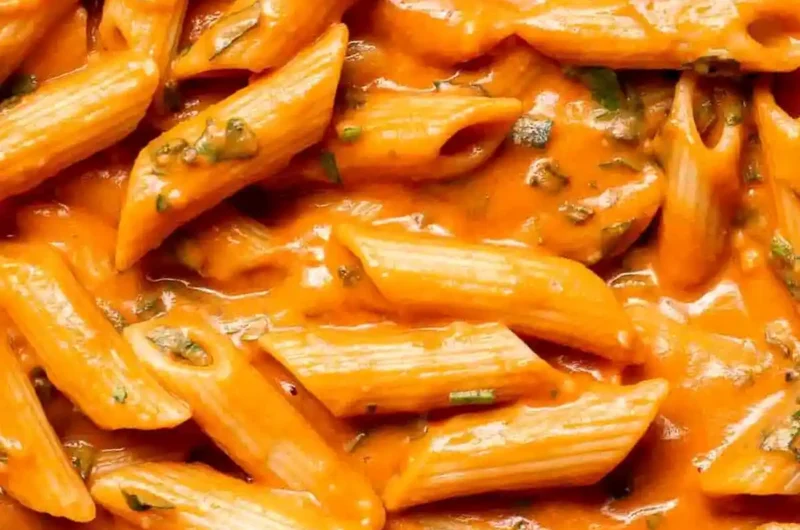
This quick-prep meal delivers a rich and velvety sauce in under 30 minutes. It uses simple pantry staples to create a restaurant-style dinner that is family-friendly and comforting.
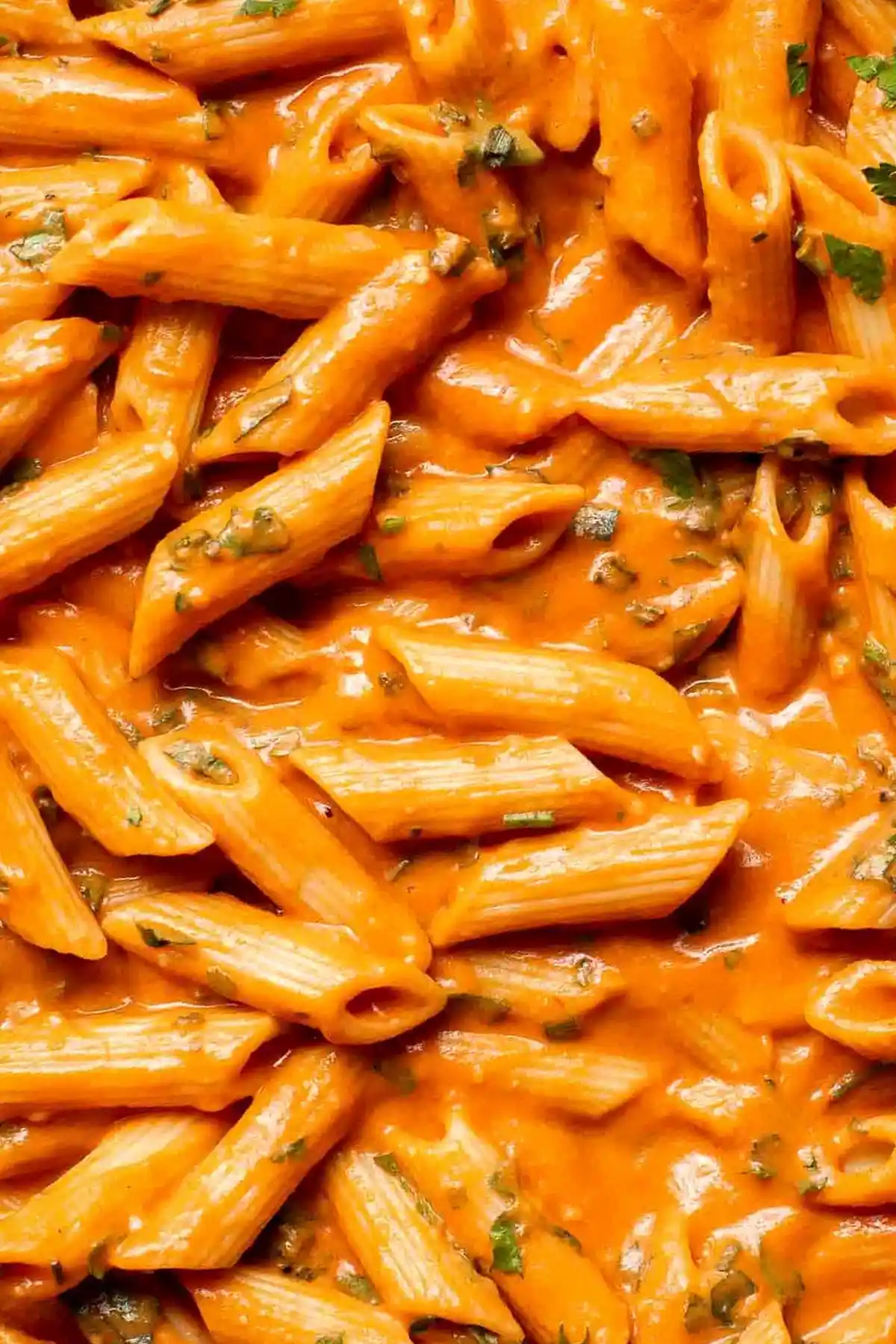
List of ingredients
- 8 ounces penne pasta, uncooked (1/2 pound) – use al dente for best texture.
- 3 tablespoons butter – adds richness and flavor to the garlic.
- 3 cloves garlic – finely minced for a fragrant base.
- 1 (15 ounce) can tomato sauce – provides the tangy liquid base.
- 2 tablespoons tomato paste – deepens the color and concentration of flavor.
- 1/2 cup heavy cream – creates the silky, smooth consistency.
- 1/2 cup Parmesan cheese, grated – adds a salty, nutty finish.
- 1/2 teaspoon salt – adjust according to your preference.
- 1/4 teaspoon ground black pepper – for a subtle spicy kick.
- 1 tablespoon fresh parsley, finely chopped – used as a fresh garnish.
step-by-step instructions
- Cook the Pasta: Bring a large pot of salted water to a boil over medium-high heat. Add pasta and cook until al dente, about 10 minutes or according to package directions. Drain the pasta well and set aside.
- Sauté the Garlic: While the pasta cooks, heat butter in a large skillet over medium-high heat until bubbly hot, about 1 minute. Add garlic and sauté until fragrant, about 1 minute.
- Simmer the Tomato Base: Pour in tomato sauce and tomato paste. Stir the mixture and bring it to a simmer for about 4-5 minutes.
- Create the Creamy Sauce: Reduce the heat to low and stir in heavy cream and Parmesan cheese. Cook until the sauce has thickened to your desired consistency, about 3 minutes, then season with salt and pepper.
- Combine and Coat: Add the cooked pasta to the skillet and toss well to ensure every piece is coated evenly in the sauce.
- Final Garnish: Sprinkle with chopped fresh parsley and serve the dish warm.
Optimizing Your Cooking Process
Preventing Overcooked Pasta
Boil your pasta until it is just al dente, meaning it still has a slight firmness to the bite. Because the pasta continues to cook when tossed in the hot sauce, undercooking it slightly prevents it from becoming mushy. This ensures the structural integrity of the noodle is maintained.
Managing Garlic Sauté Times
Garlic contains natural sugars that burn quickly at high temperatures, which can make the sauce taste bitter. Sauté the garlic only until it becomes fragrant, which usually takes about 60 seconds. If the garlic begins to turn dark brown, it is best to start the process over for a cleaner flavor.
Maintaining Sauce Stability
Avoid overheating the sauce after adding the heavy cream to prevent the emulsion from breaking. High heat can cause the fats to separate from the liquids, leading to a curdled appearance. Keeping the temperature low during the final thickening stage ensures a silky, uniform texture.
Selecting Freshly Grated Cheese
Use a block of Parmesan and grate it yourself rather than using pre-shredded options. Pre-shredded cheeses often contain anti-caking agents like cellulose or potato starch to prevent clumping in the bag. These additives can prevent the cheese from melting smoothly into the sauce.
Ingredient Substitutions and Swaps
Choosing Alternative Pasta Shapes
While penne is recommended, other shapes like rigatoni, fusilli, or cavatappi work well because their ridges and holes trap the thick sauce. For a different experience, you can use spaghetti or linguine, though these shapes may not hold as much sauce per bite. Gluten-free pasta is also a suitable option if required.
Substituting Butter with Olive Oil
If you prefer a lighter base or are avoiding butter, extra virgin olive oil is a practical replacement. Use an equal amount of oil to sauté the garlic. While you lose some of the creamy dairy flavor from the butter, olive oil adds a fruity, Mediterranean note to the sauce.
Replacing Tomato Paste with Puree
Tomato paste is used for concentrated flavor, but you can use tomato puree if paste is unavailable. Use a 3:1 ratio of puree to paste to maintain the consistency of the sauce. Be mindful that puree is thinner, so you may need to simmer the sauce for an extra few minutes to reduce it.
Dairy-Free Cream Alternatives
For a dairy-free version, coconut cream or cashew cream can be substituted for heavy cream. Coconut cream provides a similar thickness but adds a subtle sweetness and coconut aroma. Cashew cream is more neutral and is made by blending soaked cashews with water.
Swapping Parmesan for Other Hard Cheeses
If you do not have Parmesan, Pecorino Romano or Asiago are excellent alternatives. Pecorino is saltier and more pungent, while Asiago offers a slightly milder, nuttier profile. Adjust the additional salt in the recipe based on the saltiness of the chosen cheese.
Customizing the Flavor Profile
Adding Hearty Proteins
You can transform this into a more filling meal by adding pre-cooked proteins. Sautéed shrimp, grilled chicken breast, or lean ground beef work exceptionally well. Stir these proteins into the sauce just before adding the pasta to ensure they are heated through.
Integrating Fresh Vegetables
To increase the nutritional value, sauté mushrooms, zucchini, or broccoli in the butter before adding the garlic. For a quicker option, stir in fresh baby spinach during the last minute of sauce simmering. The heat from the sauce will wilt the spinach perfectly without overcooking it.
Incorporating Spicy Elements
For those who prefer heat, add red pepper flakes or a pinch of cayenne pepper during the simmering stage. This introduces a sharp contrast to the richness of the cream. You can also stir in a teaspoon of sriracha or chili garlic sauce for a modern twist.
Increasing the Cheese Content
For a gooey, indulgent version, stir in a handful of shredded mozzarella or fontina cheese at the end. Allow the cheese to melt completely before tossing in the pasta. This creates a stringy, cheesy texture that is particularly appealing to children.
Preservation and Reheating Guidelines
Refrigerating Leftover Pasta
Store any remaining pasta in an airtight container and keep it in the refrigerator for up to 2-3 days. Note that the pasta will continue to absorb the sauce as it sits, which may make the dish appear drier over time. Ensure the container is sealed tightly to prevent the pasta from absorbing refrigerator odors.
Effective Reheating Techniques
Reheat the pasta in a skillet on the stovetop over medium heat, stirring occasionally. To restore the creamy consistency, add a splash of water, milk, or heavy cream to loosen the sauce. Alternatively, use a microwave in 30-second intervals, stirring between each session for even heating.
Freezing the Creamy Sauce
It is recommended to freeze the sauce separately from the cooked pasta to avoid a mushy texture. Transfer the cooled sauce into freezer-safe bags or containers, leaving space for expansion. The sauce can be stored for up to 2 months and should be thawed in the refrigerator overnight before reheating.
Suggested Side Dish Pairings
Complementary Breads
Served alongside crusty garlic bread, toasted focaccia, or ciabatta, this meal becomes more satisfying. These breads are ideal for soaking up the remaining creamy tomato sauce from the plate. Warm the bread in the oven just before serving to maintain a crisp exterior.
Fresh Salad Options
Balance the richness of the cream sauce with a light, acidic salad. An arugula salad with lemon vinaigrette or a classic Caesar salad provides a refreshing contrast. The bitterness of greens like arugula helps cut through the heaviness of the Parmesan and cream.
Roasted Vegetable Sides
Roasted asparagus, zucchini, or broccoli make excellent side accompaniments. Toss the vegetables in olive oil and salt and roast at 400 degrees Fahrenheit until tender. This adds a charred, earthy element to the overall dining experience.
Common Cooking Questions
What is the Italian name for this dish?
This style of sauce is often referred to as pasta alla rosa, which translates to pink pasta. The name comes from the distinct color created when the red tomato sauce is blended with white heavy cream.
Which cream is best for this sauce?
Heavy cream is the best choice because its high fat content prevents it from curdling when exposed to the acidity of the tomatoes. While half-and-half can be used for a lighter version, it is more prone to separating if the heat is too high.
How does cream affect the tomato flavor?
The addition of cream neutralizes the sharp acidity of the tomatoes, resulting in a smoother and more balanced taste. It transforms the sauce from a tangy tomato base into a rich, velvety glaze that coats the pasta more effectively.
Can the sauce be made without cream?
Yes, you can achieve a creamy texture using cashew cream, coconut milk, or a small amount of blended silken tofu. For a lighter dairy option, a dollop of Greek yogurt can be stirred in at the very end after the heat is turned off.
How do you prevent the cream from curdling?
Always reduce the heat to low before stirring in the cream and cheese. Adding dairy to a boiling sauce can cause the proteins to clump together. Slow integration and low heat maintain the emulsion.
Will heavy cream make the sauce thicker?
Yes, heavy cream naturally thickens as it simmers and reduces. For an even thicker consistency, you can allow the sauce to cook for an additional 2-3 minutes or add an extra tablespoon of Parmesan cheese.
Print
Creamy Tomato Pasta
- Total Time: 20 minutes
- Yield: 4 servings 1x
- Diet: Vegetarian
Description
This Creamy Tomato Pasta is a simple and delicious meal made from scratch with a cream and tomato based sauce that is rich and silky smooth. This quick and easy recipe is ready in under 30 minutes using simple ingredients that are easy to find.
Ingredients
- 8 ounces penne pasta, uncooked (1/2 pound)
- 3 tablespoons butter
- 3 cloves garlic
- 1 (15 ounce) can tomato sauce
- 2 tablespoons tomato paste
- 1/2 cup heavy cream
- 1/2 cup Parmesan cheese, grated
- 1/2 teaspoon salt (or to taste)
- 1/4 teaspoon ground black pepper
- 1 tablespoon fresh parsley, finely chopped
Instructions
- Boil Pasta: Bring a large pot of salted water to a boil over medium-high heat. Add pasta and cook until al dente, about 10 minutes or according to package directions. Drain the pasta well and set aside.
- Sauté Garlic: Meanwhile, heat butter in a large skillet over medium-high heat until bubbly hot, about 1 minute. Add garlic and sauté until fragrant, about 1 minute.
- Simmer Sauce: Pour in tomato sauce and tomato paste. Stir and bring it to a simmer, about 4-5 minutes.
- Add Cream: Reduce the heat to low and stir in heavy cream and Parmesan cheese. Cook until thickened to a desired consistency, about 3 minutes. Season with salt and pepper.
- Combine: Add in the cooked pasta and toss well to coat evenly.
- Serve: Garnish with parsley and serve warm.
Notes
How to store: Transfer any leftover tomato pasta into an airtight container and refrigerate for up to 2-3 days. How to reheat: Reheat in the microwave in 30-second increments until heated through, or in a skillet on the stovetop for 5-10 minutes, stirring occasionally until warm. Add a splash of water or cream if the sauce has thickened in the fridge. How to freeze: It’s best to freeze the creamy tomato sauce separately from the pasta, since pasta tends to get mushy once frozen and reheated. Transfer the cooled sauce into an airtight, freezer-safe container or resealable bag, leaving a little space for expansion. Freeze for up to 2 months.
- Prep Time: 5 minutes
- Cook Time: 15 minutes
- Category: Pasta
- Method: Stovetop
- Cuisine: Italian
Nutrition
- Serving Size: 1 serving
- Calories: 470 kcal
- Sugar: 12 g
- Sodium: 850 mg
- Fat: 25 g
- Saturated Fat: 15 g
- Unsaturated Fat: 10 g
- Trans Fat: 0 g
- Carbohydrates: 50 g
- Fiber: 4 g
- Protein: 13 g
- Cholesterol: 65 mg
Keywords: creamy tomato pasta, quick dinner, Italian pasta, vegetarian pasta, easy meal