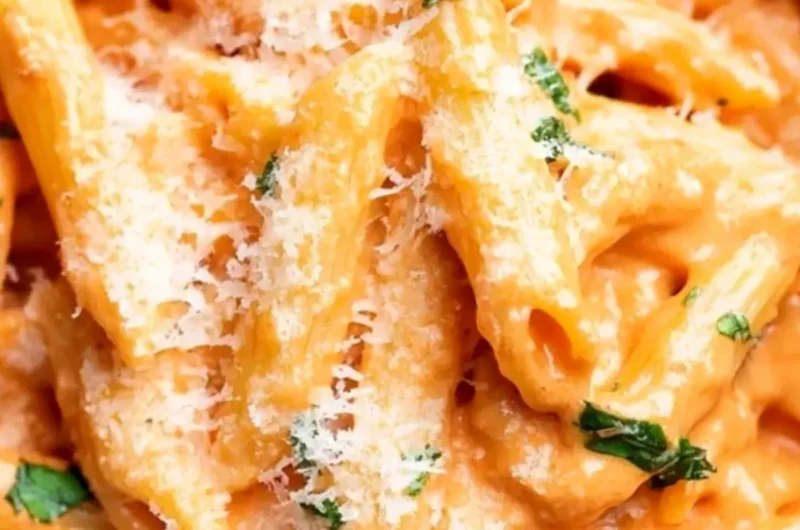
This creamy tomato pasta is a fast and rich meal that takes only 20 minutes to prepare. It uses simple pantry staples to create a velvety sauce perfect for busy weeknight dinners.
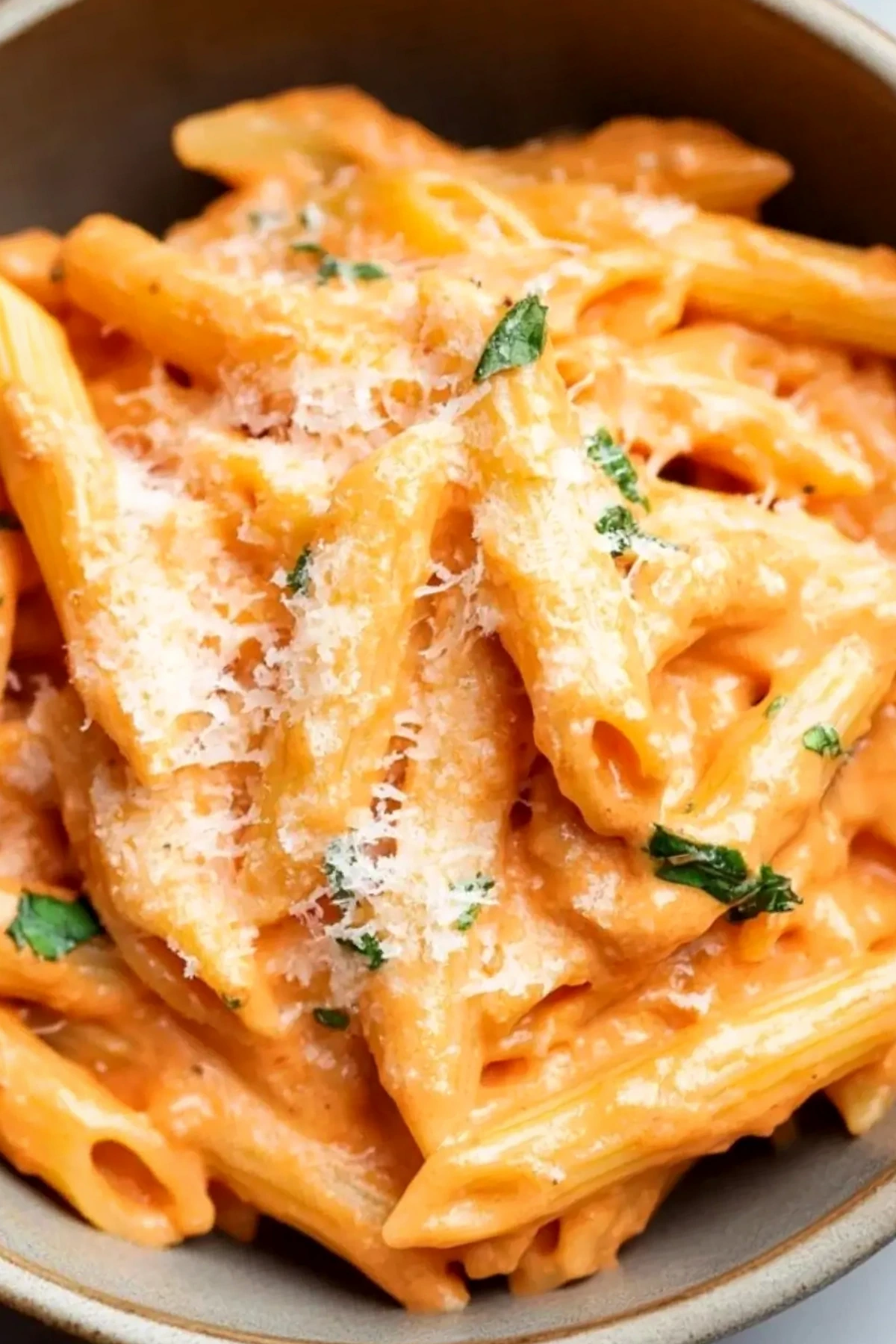
List of ingredients
- 8 ounces uncooked pasta – use short shapes like penne or rigatoni for better sauce adhesion.
- 2 tablespoons butter – provides a rich base for sautéing the garlic.
- 2-3 cloves garlic, minced – adds a deep, savory aromatic layer.
- 2 tablespoons tomato paste – concentrates the tomato flavor and thickens the sauce.
- 1 (14-ounce) can tomato sauce – creates the smooth, liquid base of the dish.
- ¾ cup heavy/whipping cream – ensures a velvety texture and balances the acidity.
- ¼ teaspoon Italian seasoning – a blend of dried herbs for traditional flavor.
- Salt and pepper, to taste – essential for enhancing all other flavors.
- Freshly grated Parmesan cheese – optional topping for a salty, nutty finish.
step-by-step instructions
- Boil the pasta: Bring a large pot of salted water to a boil and cook the pasta according to package instructions until al dente. Reserve about ½ cup of the pasta water before draining.
- Sauté the garlic: While the pasta is cooking, heat butter in a large skillet over medium heat. Once melted, add the minced garlic and stir constantly for about a minute until fragrant.
- Make the sauce: Stir in the tomato paste and cook for about 30 seconds to deepen its flavor. Add the tomato sauce, heavy cream, and Italian seasoning, stirring until everything is well combined and smooth. Let the sauce simmer gently for about 5 minutes, stirring occasionally, until slightly thickened.
- Season the sauce: Taste and adjust with salt and pepper as needed. If the sauce tastes too acidic, add a pinch of sugar to balance the flavors.
- Combine with pasta: Add the drained pasta directly to the skillet and toss to coat it evenly in the creamy sauce. If the sauce becomes too thick, add a small splash of the reserved pasta water to loosen it.
- Serve and enjoy: Plate the pasta immediately and garnish with freshly grated Parmesan cheese if desired. Serve warm with your favorite side dishes.
Pro Cooking Techniques for a Better Sauce
Utilizing Starchy Pasta Water
Reserved pasta water contains released starches that act as a natural emulsifier. When added to the sauce, it helps the fats from the butter and cream bind more effectively to the tomato base. This prevents the sauce from separating and ensures it clings tightly to every piece of pasta.
Preventing Cream Separation
To avoid curdling, always use heavy cream or whipping cream rather than low-fat milk. The higher fat content in heavy cream stabilizes the sauce against the acidity of the tomato sauce. Ensure the sauce is simmering gently rather than boiling vigorously to maintain a smooth consistency.
Balancing Tomato Acidity
Canned tomato products vary in acidity levels depending on the brand and processing. If the sauce tastes too sharp or tart, a small pinch of granulated sugar can neutralize the acid. This creates a more rounded, mellow flavor profile without making the dish taste sweet.
Perfecting the Garlic Sauté
Garlic burns quickly and becomes bitter if the heat is too high. Use medium heat and stir the minced cloves constantly for about 60 seconds. Remove the garlic from the heat or add the tomato paste immediately once the aroma is released to stop the browning process.
Ingredient Substitutions and Modifications
Dairy-Free Cream Alternatives
For a plant-based version, substitute the butter with olive oil or a vegan butter alternative. Replace the heavy cream with full-fat coconut milk or a commercial plant-based heavy cream. Cashew cream, made by blending soaked cashews with water, also provides a similar thickness and neutral taste.
Healthier Pasta Options
Swap traditional white pasta for whole wheat, chickpea, or lentil pasta to increase the fiber and protein content. For a low-carb alternative, use spiralized zucchini or spaghetti squash. Note that vegetable noodles should be added at the very end to avoid overcooking them.
Customizing the Herb Profile
If you do not have a pre-mixed Italian seasoning, use a combination of dried oregano, basil, and thyme. Fresh basil leaves added at the very end of cooking provide a brighter, more aromatic finish. A pinch of red pepper flakes can be added for a subtle spicy kick.
Using Tomato Passata
If tomato sauce is unavailable, tomato passata is an excellent substitute as it is typically smoother and thicker. If the passata is too thick, add a tablespoon of water or vegetable broth to reach the desired consistency. This often results in a cleaner, more refined tomato flavor.
Ways to Enhance the Meal
Incorporating Lean Proteins
Add grilled chicken breast strips or sautéed shrimp to transform this into a full protein-rich meal. For a plant-based protein, stir in cubed firm tofu or canned chickpeas after the sauce has simmered. Ensure the protein is cooked separately before adding it to the pasta to maintain the sauce’s texture.
Adding Fresh Vegetables
Stir in fresh baby spinach or chopped kale during the last two minutes of simmering until wilted. Sautéed mushrooms, diced bell peppers, or frozen peas can also be added for extra nutrition. These additions introduce color and texture to the velvety sauce.
Recommended Side Dishes
Pair this rich pasta with a light, crisp salad like an arugula salad with lemon vinaigrette. Warm garlic bread or roasted broccolini provides a satisfying contrast in texture. A side of steamed asparagus is also a great way to balance the richness of the cream.
Garnish and Presentation
Garnish the finished dish with a sprinkle of freshly chopped parsley or a few whole basil leaves. A dusting of microbial-rennet Parmesan cheese adds a salty punch. For a professional look, use a pasta fork to twirl long pasta or pile short pasta high in a wide bowl.
Storage and Reheating Guide
Refrigeration Method
Store leftover pasta in an airtight container in the refrigerator for up to three days. To prevent the pasta from absorbing all the sauce, you can store the sauce and cooked pasta in separate containers. Ensure the food is cooled slightly before sealing to prevent excess condensation.
Best Reheating Practices
Reheat the pasta gently over low heat in a skillet rather than using a microwave. Add a splash of milk, cream, or water to the pan to loosen the sauce and restore its original creaminess. Stir occasionally to ensure the heat is distributed evenly without scorching the bottom.
Freezing the Sauce
The tomato cream sauce can be frozen for up to three months in a freezer-safe container. Do not freeze the pasta and sauce together, as the noodles will become mushy upon thawing. Thaw the sauce overnight in the refrigerator before reheating it on the stove and tossing it with fresh pasta.
Troubleshooting Common Issues
Fixing a Sauce That is Too Thick
If the sauce becomes too dense or sticky, stir in the reserved pasta water one tablespoon at a time. You can also add a small amount of vegetable broth or additional cream to thin it out. Continue stirring over low heat until the sauce reaches a smooth, coatable consistency.
Correcting an Overly Tart Flavor
If the sauce remains too acidic after adding sugar, stir in an extra tablespoon of butter. The fats in the butter coat the tongue and mask some of the sharp acidic notes. Adding a bit more cream can also help mellow out the flavor profile.
Avoiding Burnt Garlic
If the garlic turns dark brown or black, it is best to discard it and start over, as burnt garlic tastes bitter. To prevent this, ensure the butter is fully melted and bubbling slightly before adding the garlic. Keep the heat at a steady medium and never leave the pan unattended.
Frequently Asked Questions
Can I use milk instead of heavy cream?
Using regular milk is not recommended because it lacks the fat needed to prevent curdling when mixed with acidic tomatoes. If you must use milk, whisk in a teaspoon of cornstarch first to help stabilize the liquid. However, heavy cream or a dairy-free alternative is far more reliable.
What type of pasta works best?
Short, tubular pastas like penne, rigatoni, or fusilli are ideal because the sauce gets trapped inside the tubes. Long pastas like spaghetti or fettuccine also work well, but they require more careful tossing to ensure they are evenly coated.
How can I make this recipe healthier?
Replace butter with olive oil and use whole grain or legume-based pasta for more fiber. You can also reduce the amount of heavy cream by half and replace it with a bit more pasta water and a tablespoon of Greek yogurt. Adding a generous amount of spinach or zucchini increases the nutrient density.
How do I fix a sauce that has separated?
If the sauce looks broken or oily, whisk in a small amount of warm pasta water or a teaspoon of cornstarch slurry. Heat the sauce slowly while stirring constantly to re-emulsify the fats and liquids. Avoiding extreme heat during the simmering process usually prevents this from happening.
Print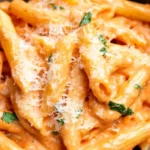
Creamy Tomato Pasta
- Total Time: 20 minutes
- Yield: 2–3 servings 1x
- Diet: General
Description
This creamy tomato pasta is a quick and easy meal perfect for busy weeknights. Made with a rich, velvety tomato sauce, garlic, Italian seasoning, and heavy cream, this dish comes together in under 30 minutes.
Ingredients
- 8 ounces uncooked pasta
- 2 tablespoons butter
- 2–3 cloves garlic, minced
- 2 tablespoons tomato paste
- 1 (14-ounce) can tomato sauce
- ¾ cup heavy/whipping cream
- ¼ teaspoon Italian seasoning
- Salt and pepper, to taste
- Freshly grated Parmesan cheese, for serving (optional)
Instructions
- Boil the pasta: Bring a large pot of salted water to a boil and cook the pasta according to package instructions until al dente. Reserve about ½ cup of the pasta water before draining.
- Sauté the garlic: While the pasta is cooking, heat butter in a large skillet over medium heat. Once melted, add the minced garlic and stir constantly for about a minute until fragrant.
- Make the sauce: Stir in the tomato paste and cook for about 30 seconds to deepen its flavor. Add the tomato sauce, heavy cream, and Italian seasoning, stirring until everything is well combined and smooth. Let the sauce simmer gently for about 5 minutes, stirring occasionally, until slightly thickened.
- Season the sauce: Taste and adjust with salt and pepper as needed. If the sauce tastes too acidic, add a pinch of sugar to balance the flavors.
- Combine with pasta: Add the drained pasta directly to the skillet and toss to coat it evenly in the creamy sauce. If the sauce becomes too thick, add a small splash of the reserved pasta water to loosen it.
- Serve and enjoy: Plate the pasta immediately and garnish with freshly grated Parmesan cheese if desired.
Notes
Avoid substituting the heavy cream with low-fat alternatives, as they may curdle due to the acidity of the tomatoes. For a protein boost, add cooked chicken, shrimp, or crispy tofu to the sauce before tossing with the pasta. Leftovers can be stored in an airtight container in the fridge for up to 3 days.
- Prep Time: 5 minutes
- Cook Time: 15 minutes
- Category: Pasta
- Method: Stovetop
- Cuisine: Italian-inspired
Nutrition
- Serving Size: 1 portion
- Calories: 480 kcal
- Sugar: 7 g
- Sodium: 620 mg
- Fat: 27 g
- Saturated Fat: 16 g
- Unsaturated Fat: 9 g
- Trans Fat: 0 g
- Carbohydrates: 50 g
- Fiber: 4 g
- Protein: 10 g
- Cholesterol: 65 mg
Keywords: creamy tomato pasta, easy dinner, Italian-inspired, quick pasta