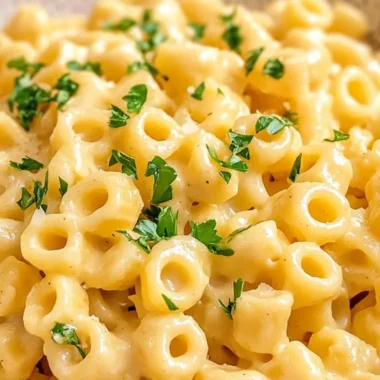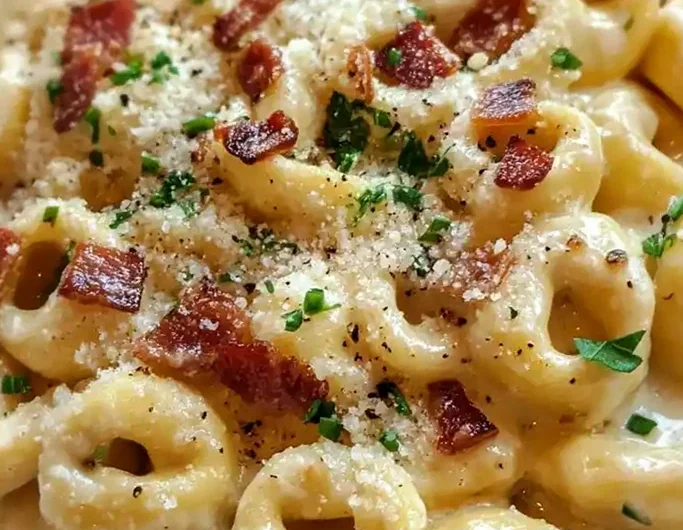
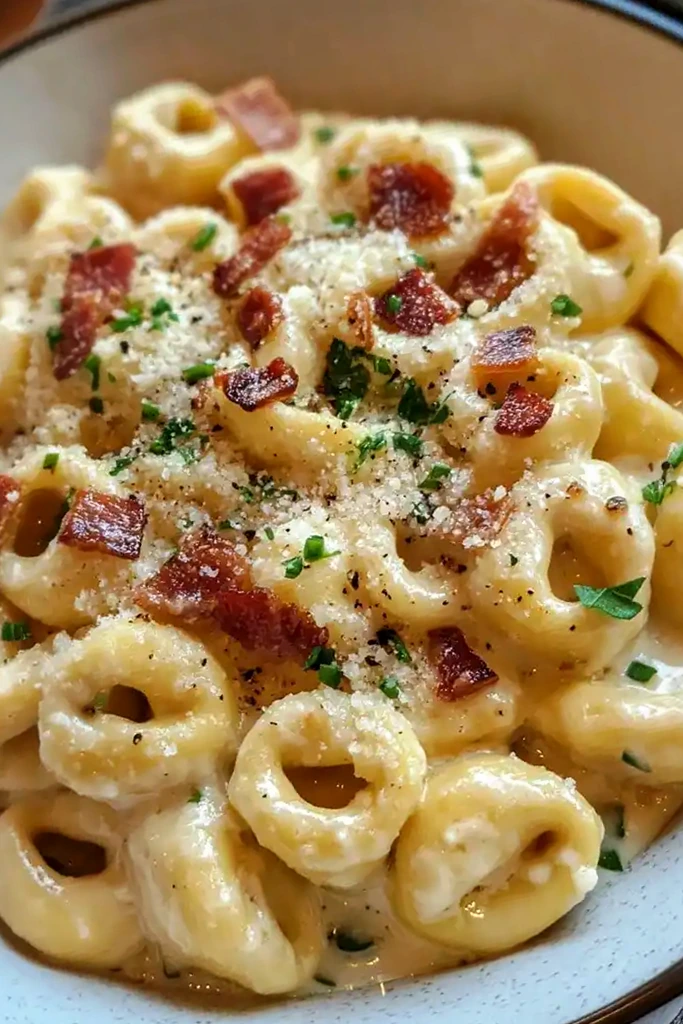
This quick pasta dish combines cheese-filled tortellini with a rich, egg-based sauce for a satisfying meal. It is a comforting Italian-inspired dinner that takes only 30 minutes to prepare from start to finish.
List of ingredients
- 18 oz Tortellini – cheese-stuffed or your preferred filling.
- 2 large Eggs – room temperature for better emulsion.
- 1 cup Parmesan Cheese – grated (microbial-rennet), plus extra for garnish.
- 6 oz Beef Bacon or Turkey Pancetta – diced into small pieces.
- 2 cloves Garlic – minced (optional for added depth).
- Black Pepper – freshly ground, to taste.
- Salt – to taste for pasta water and seasoning.
- 2 tbsp Fresh Parsley – chopped, for garnish (optional).
step-by-step instructions
- Cook the Tortellini: Bring a large pot of salted water to a boil. Add the tortellini and cook according to package instructions until al dente. Reserve 1/4 cup of pasta water before draining.
- Prepare the Sauce Mixture: In a medium bowl, whisk together the eggs and grated parmesan cheese until the mixture is smooth and well-combined. Set this aside.
- Cook the Beef Bacon or Turkey Pancetta: Use a large skillet to cook the diced beef bacon or turkey pancetta over medium heat until crispy, usually about 5-7 minutes. Stir in the garlic during the last minute of cooking to prevent it from burning, then remove the skillet from the heat.
- Combine Pasta and Sauce: Immediately add the drained tortellini to the skillet with the meat. Pour the egg and cheese mixture over the pasta, stirring constantly to prevent the eggs from curdling. Use the residual heat to create a creamy sauce, adding reserved pasta water a tablespoon at a time until the desired consistency is reached.
- Season and Serve: Season the dish with freshly ground black pepper and salt if needed. Garnish with extra parmesan and fresh parsley before serving immediately.
Pro Techniques for a Silky Texture
Control the Pan Temperature
The most critical part of carbonara is preventing the eggs from scrambling. Always remove the pan from the active heat source before introducing the egg and cheese mixture. The residual heat from the pasta and the pan is sufficient to thicken the sauce into a creamy glaze without overcooking the proteins.
Utilize Reserved Pasta Water
Pasta water is rich in starch, which acts as a natural emulsifier between the fats and the liquid. Adding a tablespoon at a time helps thin the sauce to a velvety consistency while helping it cling to the tortellini. Avoid adding too much at once, or the sauce may become watery.
Whisk the Eggs and Cheese Thoroughly
Ensure the parmesan and eggs are fully integrated before they hit the pan. A smooth slurry prevents clumps of cheese from forming and ensures the eggs are evenly distributed throughout the dish. This results in a uniform, glossy coating on every piece of pasta.
Avoid Pre-Shredded Cheeses
Use a block of parmesan and grate it yourself whenever possible. Pre-shredded cheeses often contain cellulose or anti-caking agents that prevent them from melting smoothly. Freshly grated cheese incorporates more easily into the egg mixture for a professional finish.
Ingredient Substitutions and Diet Adjustments
Meat-Free Alternatives
For a vegetarian version, replace beef bacon or turkey pancetta with sun-dried tomatoes or smoked tofu cubes. Adding a pinch of smoked paprika can replicate the smokiness of the cured meat. Sauté these alternatives in olive oil until browned before proceeding with the recipe.
Gluten-Free Pasta Options
Substitute the standard tortellini with gluten-free cheese tortellini made from corn, rice, or quinoa flour. Be mindful that gluten-free pastas often have different boiling times and may release more starch into the water. Adjust the amount of reserved pasta water accordingly to maintain the sauce thickness.
Alternative Hard Cheeses
If you do not have parmesan, Pecorino Romano is an excellent substitute, though it is saltier. You can also use a hard goat cheese for a tangier flavor profile. If using a saltier cheese, reduce the amount of added salt in the boiling water.
Egg-Free Creamy Base
To make this dish egg-free, replace the eggs with a mixture of blended silken tofu or a thick cashew cream. Stir in the parmesan and a splash of pasta water over very low heat. This provides a similar richness without the need for egg proteins.
Flavor Variations and Add-ins
Adding Spring Peas for Freshness
Frozen or fresh peas add a pop of color and a hint of sweetness to the rich sauce. Stir them into the skillet during the last minute of cooking the meat. The heat from the pasta will finish cooking the peas without making them mushy.
Incorporating Sautéed Mushrooms
Sliced cremini or shiitake mushrooms add a deep umami flavor that complements the cheese. Sauté the mushrooms until golden brown before adding the meat to the pan. Ensure the mushrooms are well-browned to avoid releasing excess moisture into the final sauce.
Integrating Fresh Spinach
Baby spinach can be stirred in immediately after the pasta is added to the skillet. The residual heat will wilt the leaves quickly without overcooking them. This is an easy way to add nutrients and a vibrant green color to the meal.
Adding Spicy Red Pepper Flakes
For those who prefer a kick, add a pinch of crushed red pepper flakes while sautéing the garlic. The oil will infuse the spice throughout the entire dish. This heat balances the richness of the cheese-stuffed tortellini.
Serving and Plating Suggestions
Pairing with Garlic Bread
Serve this pasta with toasted ciabatta or a baguette brushed with garlic butter and herbs. The crunch of the bread provides a textural contrast to the soft tortellini. It also serves as a tool for cleaning any remaining sauce from the plate.
Balancing with a Crisp Side Salad
A simple arugula salad with a lemon vinaigrette is the ideal accompaniment. The acidity of the lemon and the bitterness of the greens cut through the heaviness of the cream and cheese. This prevents the meal from feeling overly rich.
Garnishing for Visual Appeal
Freshly chopped parsley provides a bright contrast to the pale gold of the sauce. Adding a final dusting of parmesan and a generous crack of black pepper adds professional visual layers. Serve in warmed bowls to keep the sauce from thickening too quickly.
Plating for Large Gatherings
When serving a crowd, toss the pasta in a large mixing bowl rather than the skillet to ensure even sauce distribution. Transfer the pasta to a wide serving platter and garnish the entire surface. Keep a small amount of warm pasta water on the side to loosen the sauce if it sits for a few minutes.
Storage and Reheating Guidelines
Refrigerating Leftovers
Store any remaining tortellini carbonara in an airtight container in the refrigerator for up to three days. Keep in mind that the sauce will thicken and absorb into the pasta as it cools. This is normal and can be corrected during the reheating process.
Restoring Creaminess During Reheating
Avoid using a microwave, as it can overcook the eggs and make the sauce grainy. Instead, reheat the pasta in a skillet over low heat. Add a splash of milk, cream, or water to revive the emulsion and return the sauce to its original silky state.
Why Freezing is Not Recommended
Carbonara sauces are emulsions of egg and fat, which tend to separate when frozen and thawed. The tortellini may also become mushy upon reheating from a frozen state. For the best quality, this dish should be consumed fresh or refrigerated.
Troubleshooting Common Issues
What to Do if the Sauce is Too Thick
If the sauce appears too clumpy or dry, stir in reserved pasta water one teaspoon at a time. Stir vigorously while the pan is off the heat. The starch in the water will help thin the sauce while maintaining its glossy appearance.
How to Fix Scrambled Eggs
If the eggs have already begun to scramble, it is difficult to reverse the process completely. However, you can try adding a small amount of heavy cream or milk and stirring quickly over very low heat. This can smooth out the texture, although the result will be more like a creamy pasta than a traditional carbonara.
Preventing Overcooked Tortellini
Tortellini can turn mushy quickly, especially if they sit in the pan too long. Boil them for one minute less than the package instructions suggests. They will finish cooking in the skillet as they absorb the sauce, ensuring a perfect al dente bite.
Managing Excessive Saltiness
Because beef bacon and parmesan are naturally salty, it is easy to over-season the dish. Taste the sauce before adding any extra salt at the end. If it is too salty, add a squeeze of lemon juice or more black pepper to balance the flavor profile.
Frequently Asked Questions
Can I use heavy cream instead of eggs?
While adding cream is common in some variations, the authentic creaminess of carbonara comes from the emulsion of eggs and cheese. Using only cream changes the flavor profile and removes the signature richness provided by the egg yolks.
Which type of tortellini works best?
Cheese-stuffed tortellini is the classic choice, but spinach and ricotta fillings are also excellent. Avoid meat-filled tortellini, as the flavor may clash with the beef bacon and the intensity of the parmesan sauce.
How do I store this without the sauce breaking?
Allow the pasta to cool slightly before sealing it in a container. This prevents excessive steam from building up, which can cause the emulsion to break. When reheating, use the lowest heat setting possible.
Can I make this ahead of time?
Carbonara is best served immediately. If you must prepare it in advance, cook the pasta and meat separately. Combine them with the egg mixture only when you are ready to serve to ensure the sauce remains creamy and the pasta doesn’t overcook.
Print
Creamy Tortellini Carbonara
- Total Time: 30 minutes
- Yield: 4 servings 1x
- Diet: General
Description
This Creamy Tortellini Carbonara recipe is a delicious twist on the classic Carbonara. By using cheese-stuffed tortellini, we add an extra layer of richness that pairs perfectly with the creamy sauce made from eggs, parmesan, and beef bacon. Simple to prepare, this comforting Italian meal is perfect for weeknights or special gatherings.
Ingredients
- 18 oz Tortellini (cheese-stuffed or preferred filling)
- 2 large Eggs
- 1 cup Parmesan Cheese (grated)
- 6 oz Beef Bacon (diced)
- 2 cloves Garlic (minced (optional))
- Black Pepper (freshly ground, to taste)
- Salt (to taste)
- 2 tbsp Fresh Parsley (chopped (for garnish, optional))
Instructions
- Cook the Tortellini: Bring a large pot of salted water to a boil. Add the tortellini and cook according to package instructions until al dente. Reserve 1/4 cup of pasta water before draining.
- Prepare the Sauce Mixture: In a medium bowl, whisk together the eggs and grated parmesan cheese until smooth and well-combined. Set aside.
- Cook the Beef Bacon: In a large skillet, cook the diced beef bacon over medium heat until crispy. This should take about 5-7 minutes. Add the garlic during the last minute of cooking for additional flavor, if desired. Remove the skillet from the heat.
- Combine Pasta and Sauce: Add the drained tortellini to the skillet with the beef bacon. Pour the egg and cheese mixture over the pasta, stirring constantly to prevent the eggs from curdling. The residual heat will create a creamy sauce. Add reserved pasta water, a tablespoon at a time, until the sauce reaches your desired consistency.
- Season and Serve: Season with freshly ground black pepper to taste, and add salt if needed. Garnish with extra parmesan and fresh parsley if desired. Serve immediately and enjoy!
Notes
Remove the pan from heat when adding the egg mixture to prevent scrambling. For a vegetarian version, replace beef bacon with roasted mushrooms.
- Prep Time: 10 minutes
- Cook Time: 20 minutes
- Category: Main Course
- Method: Stovetop
- Cuisine: Italian
Nutrition
- Serving Size: 1 serving
- Calories: 650 kcal
- Sugar: 6 g
- Sodium: 1200 mg
- Fat: 30 g
- Saturated Fat: 15 g
- Unsaturated Fat: 15 g
- Trans Fat: 0 g
- Carbohydrates: 55 g
- Fiber: 4 g
- Protein: 35 g
- Cholesterol: 180 mg
Keywords: Tortellini Carbonara, Creamy Pasta, Italian Dinner