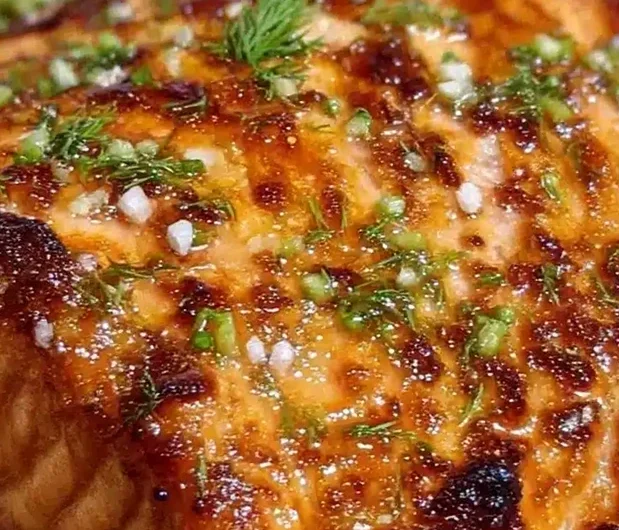
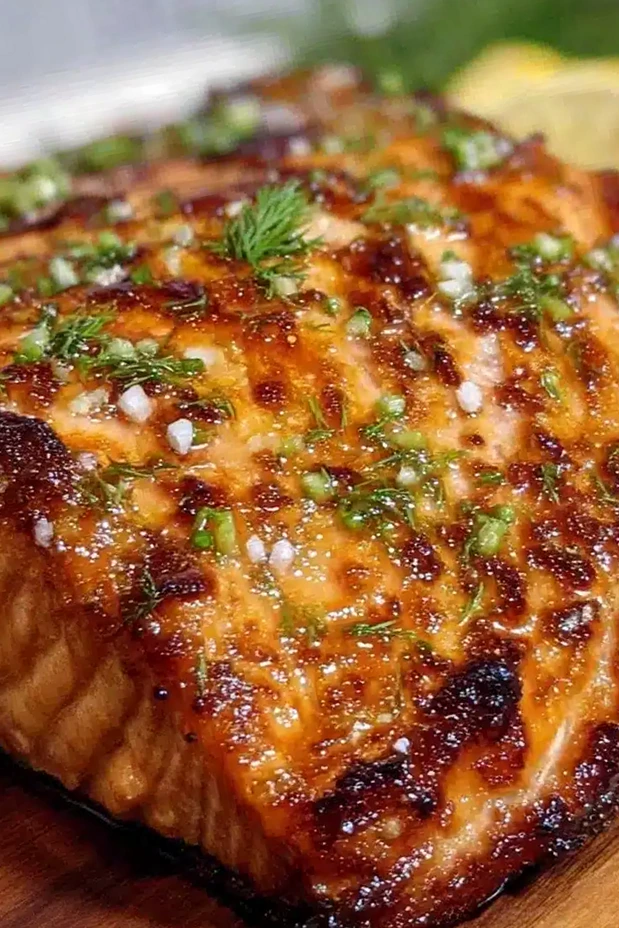
Creating restaurant-quality salmon at home often feels like a daunting task, especially when you are aiming for that elusive contrast between shattered-crisp skin and buttery, tender flesh. This easy air fryer method eliminates the common pitfalls of stove-top searing, such as messy oil splatters and uneven heat distribution, while providing a consistent result every single time. By utilizing the intense, circulating heat of an air fryer, you can achieve a professional-grade finish in under twenty minutes, making this dish an ideal candidate for busy weeknights or a healthy, impressive dinner option.
List of ingredients
- 2 skin-on salmon fillets, about 6 ounces (170 grams) each
- 1 tablespoon olive oil
- ½ teaspoon kosher salt
- ¼ teaspoon freshly ground black pepper
- ¼ teaspoon garlic powder (optional)
- Lemon wedges, for serving
step-by-step instructions
- Step: Pat the salmon fillets dry with paper towels to ensure crispy skin.
- Step: Brush the skin side lightly with olive oil, then season both sides with salt, pepper, and garlic powder if using.
- Step: Let the fillets sit at room temperature for about 10 minutes if time allows.
- Step: Preheat the air fryer to 400°F (200°C) for 3 minutes.
- Step: Place the fillets skin-side down in the air fryer basket without overlapping.
- Step: Cook for 7 minutes, then carefully flip the fillets using tongs.
- Step: Cook for an additional 3-5 minutes depending on thickness, until salmon flakes easily and reaches an internal temperature of 125°F (52°C) for medium-rare or 145°F (63°C) for fully cooked.
- Step: Let the salmon rest on a plate for 2 minutes to redistribute juices.
- Step: Serve immediately with fresh lemon wedges.
Refining Your Air Frying Technique
Achieving the perfect texture starts long before the salmon touches the heat. The temperature of the fish before it enters the air fryer can drastically change the cooking outcome. If the fish is too cold, the exterior may brown faster than the interior heats through, leaving the center raw while the skin risks burning. Always aim to pull your salmon from the refrigerator at least ten minutes before seasoning to mitigate this issue. Furthermore, the choice of your oil matters; while standard olive oil is excellent for flavor, using an oil with a higher smoke point like avocado or light-refined olive oil can prevent the kitchen from becoming smoky during high-heat air frying.
The Role of Surface Moisture
Surface moisture acts as a thermal buffer, forcing the air fryer to expend energy evaporating that water before the Maillard reaction can occur on the skin. By taking the extra time to pat the skin side until it feels completely dry to the touch, you shorten the time needed for the fats in the skin to render and crisp. This small detail prevents the fish from steaming in the basket, which is the primary cause of rubbery, tough skin in home-cooked salmon dishes. For the best possible results, use a heavy-duty paper towel and apply firm pressure to the skin until it is matte and dry.
Managing Airflow Within the Basket
The air fryer operates by forcing superheated air around the food, so the way you arrange your fillets directly impacts the crispness. If the fillets are touching or placed too close to the edges of the basket where airflow is partially blocked, the spots in contact will remain soft and pale. Always space the fillets at least an inch apart to allow the hot air to envelop every side of the fish. If you are cooking more than two fillets, it is significantly better to cook in batches rather than cramming them all into one cycle, as the crowded environment ruins the internal convection patterns.
Variations and Flavor Enhancements
While the classic seasoning profile of salt, pepper, and garlic powder is consistently delicious, salmon is a versatile protein that welcomes a wide range of flavor profiles. The key when adding new ingredients is to consider the moisture content and sugar content of your additions. For instance, dry spices, herbs, and citrus zest are excellent additions that won’t interfere with the crisping process. Avoid heavy, thick glazes until after the cooking process is complete, as the high sugar content in many glazes can caramelize or burn long before the salmon is cooked through.
Creating Herb-Infused Crusts
Finely chopping fresh herbs like parsley, dill, or chives and mixing them with a touch of lemon zest can provide a bright, aromatic element to the dish. To ensure the herbs stay on the fish during the air frying process, mix them directly into a small amount of olive oil before brushing the mixture onto the flesh side of the salmon. This prevents the delicate herbs from flying around in the air currents of the fryer and burning against the heating element. The oil protects the herbs, allowing their oils to infuse into the fish as it cooks, creating a sophisticated flavor layer without the need for complex sauces.
Adding A Touch of Smokiness
Incorporating smoked paprika or a hint of chipotle powder into your seasoning rub can introduce a deep, wood-fired flavor that pairs beautifully with the rich, fatty nature of the salmon. Because these spices are potent, use them sparingly—a tiny pinch goes a long way. When using spices like these, ensure they are mixed thoroughly with the salt and black pepper before applying to the fillets. This prevents pockets of seasoning, which could potentially scorch and taste bitter if they sit directly on the hot surface of the air fryer rack.
Effective Storage and Reheating Strategies
Proper storage is essential to maintain the quality of your salmon, although it is always recommended to consume the fish immediately after cooking for the best skin texture. If you have leftovers, allow them to cool down completely before transferring them to an airtight storage container. This prevents condensation from building up inside the container, which would soften the skin and make it soggy. Store the container in the coldest part of your refrigerator, away from the door, to ensure the salmon stays fresh for up to two days.
Restoring Texture During Reheating
When you are ready to enjoy the leftovers, avoid the microwave, which will turn the tender salmon dry and rubbery. Instead, return the fillets to the air fryer basket at 350°F (175°C) for roughly 3 to 4 minutes. This process gently warms the center without overcooking the protein while simultaneously re-crisping the skin. Keep a close watch on the fillets during this short window, as the salmon has already been cooked and can transition from perfectly warmed to dried out very quickly if left for too long.
Common Questions Regarding Air Fryer Salmon
Does the type of air fryer influence the cooking time?
Yes, different air fryer brands and models can have slight variations in how hot they run and the intensity of their internal fans. If you find your salmon is browning too quickly, consider reducing the temperature by 25°F and extending the cooking time by a minute or two. Always trust your digital thermometer as your primary guide, as it is the most accurate way to determine the internal state of the fish regardless of the appliance model.
Is it necessary to use a liner in the air fryer basket?
While parchment paper liners can make cleaning easier, they can also interfere with the airflow required to get the skin truly crispy. If you choose to use a liner, look for versions that are specifically designed for air fryers with perforated holes that allow air to pass through. However, for the crispiest possible skin, it is best to cook the salmon directly on the air fryer rack, provided your model allows for easy cleaning afterward.
Why does my salmon occasionally stick to the air fryer basket?
Sticking usually occurs if the fish was not dry enough, if the oil was not applied evenly, or if the air fryer was not preheated correctly. Ensuring the skin is bone-dry and properly oiled helps create a barrier between the fish and the metal surface. Furthermore, let the salmon cook undisturbed for the full initial 7 minutes. Attempting to flip the fish too early, before the proteins have properly set and the skin has crisped, will almost always result in the skin tearing and remaining stuck to the rack.
How can I ensure the salmon doesn’t smell too strongly after cooking?
Frequent cleaning of the removable basket and the mesh rack is the best way to prevent lingering odors. Oil residues can accumulate over time and burn during subsequent uses, contributing to fishy smells. After the basket has cooled, soak it in warm, soapy water and use a soft brush to clean the crevices of the rack, ensuring no small particles of protein remain trapped. Performing a simple wipe-down of the heating element housing—when the unit is cold—can also prevent buildup over time.
Print
Crispy Air Fryer Salmon Recipe Easy Perfectly Seared Skin Guide
- Total Time: 17 minutes
- Yield: 2 servings 1x
- Diet: Pescatarian, Gluten-Free, Paleo
Description
A quick and easy air fryer salmon recipe that delivers perfectly crispy skin and tender, juicy flesh without the mess of traditional pan-frying. Ideal for busy weeknights or impressing guests.
Ingredients
- 2 skin-on salmon fillets, about 6 ounces (170 grams) each
- 1 tablespoon olive oil
- ½ teaspoon kosher salt
- ¼ teaspoon freshly ground black pepper
- ¼ teaspoon garlic powder (optional)
- Lemon wedges, for serving
Instructions
- Step: Pat the salmon fillets dry with paper towels to ensure crispy skin.
- Step: Brush the skin side lightly with olive oil, then season both sides with salt, pepper, and garlic powder if using.
- Step: Let the fillets sit at room temperature for about 10 minutes if time allows.
- Step: Preheat the air fryer to 400°F (200°C) for 3 minutes.
- Step: Place the fillets skin-side down in the air fryer basket without overlapping.
- Step: Cook for 7 minutes, then carefully flip the fillets using tongs.
- Step: Cook for an additional 3-5 minutes depending on thickness, until salmon flakes easily and reaches an internal temperature of 125°F (52°C) for medium-rare or 145°F (63°C) for fully cooked.
- Step: Let the salmon rest on a plate for 2 minutes to redistribute juices.
- Step: Serve immediately with fresh lemon wedges.
Notes
Pat salmon skin dry before cooking for best crispiness. Do not overcrowd the air fryer basket to allow proper air circulation. Resist poking or pressing the fillets during cooking to retain moisture and crisp skin. If smoke appears, spray water on the heating element. For extra crispiness, broil in the oven for 1-2 minutes after air frying, watching closely.
- Prep Time: 5 minutes
- Cook Time: 12 minutes
- Category: Main Course
- Method: Air Fryer
- Cuisine: American
Nutrition
- Serving Size: 1 fillet
- Calories: 350 kcal
- Sugar: 0 g
- Sodium: 400 mg
- Fat: 22 g
- Saturated Fat: 3 g
- Unsaturated Fat: 19 g
- Trans Fat: 0 g
- Carbohydrates: 1 g
- Fiber: 0 g
- Protein: 34 g
- Cholesterol: 95 mg
Keywords: air fryer salmon, crispy salmon skin, easy salmon recipe, healthy salmon, quick dinner, seafood, gluten-free, paleo