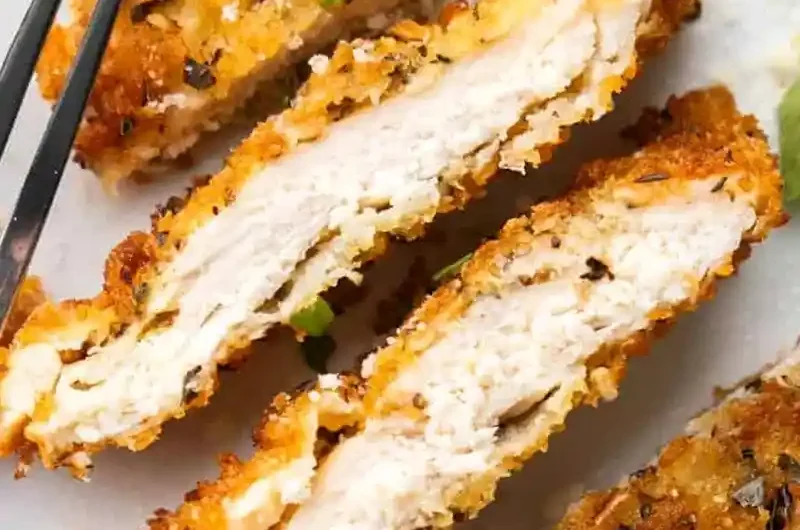
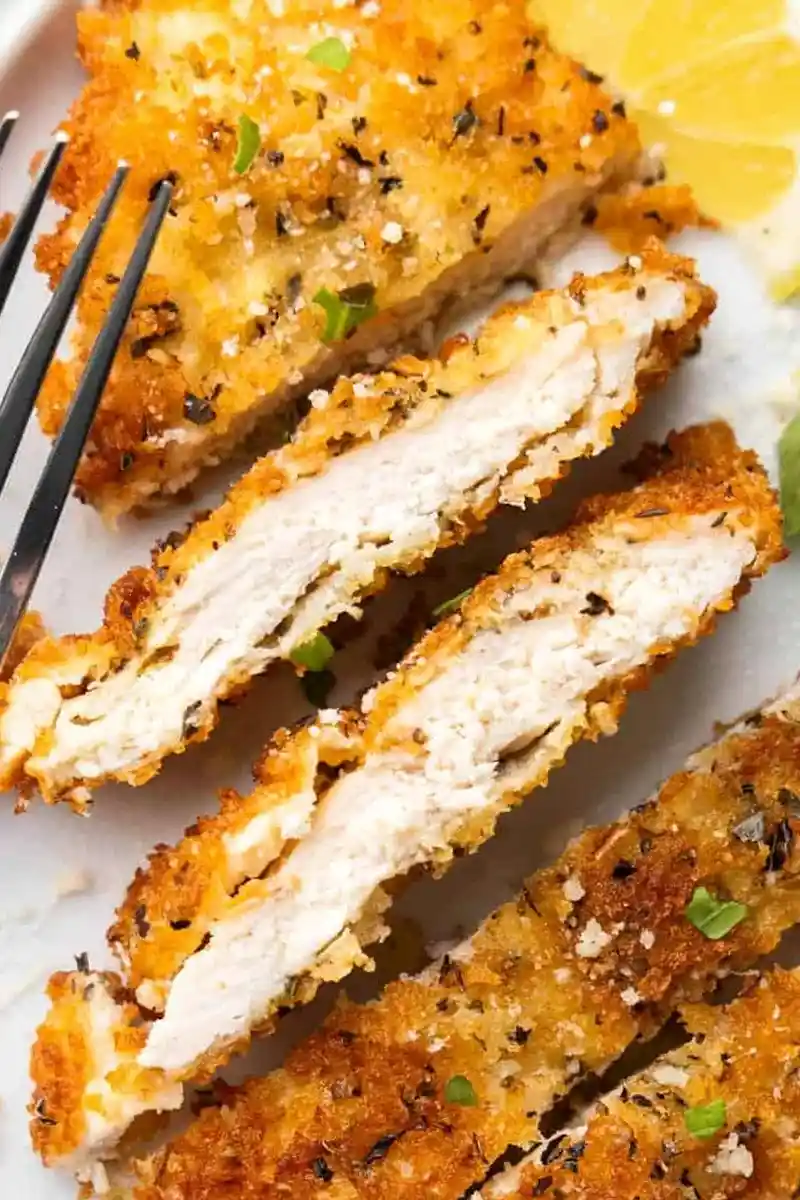
Prepare these crunchy parmesan chicken cutlets for a fast and flavorful meal. This dish uses a double-dredging technique to achieve a golden, crisp crust in under 40 minutes.
List of ingredients
- 2 boneless skinless chicken breasts – use fresh breasts for best results.
- 1 teaspoon salt – for basic seasoning.
- 1 teaspoon garlic powder – adds a savory depth.
- 1 teaspoon black pepper – provides a mild heat.
- 1/2 cup all-purpose flour – creates the first dry layer for adhesion.
- 2 large eggs – serves as the binding agent.
- 1 tablespoon milk – thins the eggs for more even coating.
- 1 cup panko bread crumbs – ensures a light and airy crunch.
- 1/4 cup grated Parmesan cheese – adds saltiness and flavor to the crust.
- 1 tablespoon Italian seasoning – provides a classic herbal profile.
- 2 cups vegetable oil – for pan-frying to a golden brown.
- 1 lemon – cut into wedges for a fresh citrus finish.
step-by-step instructions
- Prepare the chicken: Trim any unwanted fat from 2 boneless skinless chicken breasts. Cut each breast horizontally in half to create two thin cutlets per breast.
- Tenderize the meat: Place the cutlets between two layers of plastic wrap on a countertop. Pound the meat with a mallet or rolling pin until it is 1/4 to 1/2 inch thick for even cooking.
- Season: Evenly sprinkle the thin cutlets with 1 teaspoon salt, 1 teaspoon garlic powder, and 1 teaspoon black pepper.
- Organize dredging stations: Place 1/2 cup all-purpose flour in one shallow dish. In a second dish, whisk 2 large eggs with 1 tablespoon milk. In a third dish, combine 1 cup panko bread crumbs, 1/4 cup grated Parmesan cheese, and 1 tablespoon Italian seasoning.
- Heat the oil: Pour 2 cups of vegetable oil into a large, deep skillet until it is 1 to 2 inches deep. Heat over medium-high until the oil reaches 350-375°F (177-190°C), using a thermometer to monitor the temperature.
- Coat the chicken: Dip each cutlet in flour to coat both sides, then dip into the egg mixture. Let any excess egg drip off, then press the cutlet into the panko mixture until evenly coated.
- Fry the first side: Carefully place the breaded chicken into the hot oil. Fry for 2-3 minutes, ensuring the pan is not crowded to maintain oil temperature.
- Fry the second side: Gently flip the cutlets and cook for an additional 2-4 minutes. Remove once the internal temperature reaches 165°F and the crust is golden brown.
- Rest and serve: Let the chicken rest for 5 minutes to lock in juices. Serve with a lemon wedge.
Meat Preparation Techniques
Precision Slicing for Uniformity
Cutting the chicken breast horizontally into two thinner pieces is essential for fast cooking. This ensures the meat is thin enough to cook through at the same rate the breading browns. Use a sharp chef’s knife and slice parallel to the cutting board.
Effective Meat Pounding
Pounding the chicken to a consistent 1/4 to 1/2 inch thickness prevents uneven cooking. This process breaks down tough fibers and ensures that no part of the cutlet remains raw while other parts overcook. Using plastic wrap prevents the meat from tearing or sticking to the mallet.
Trimming Excess Fat
Removing silver skin and excess fat from the breasts ensures a cleaner flavor and a more uniform shape. Trim the edges so the cutlets are roughly the same size. This allows them to fry evenly in the pan without some pieces cooking faster than others.
Dredging Station Strategies
Implementing the Dry-Wet-Dry Method
This three-step process is the gold standard for breaded meats. The flour absorbs surface moisture and gives the egg something to grip. The egg then acts as a glue that binds the final layer of panko and parmesan to the meat.
Managing Your Hands
To avoid messy fingers and clumped breading, designate one hand for dry ingredients and the other for wet. Use your left hand for flour and panko, and your right hand for the egg wash. This prevents your fingers from becoming breaded and ensures a smoother coating.
Optimizing Flour Adhesion
Shake off excess flour before moving the chicken to the egg wash. Too much flour can create a thick paste that may peel away from the chicken during frying. A light, even dusting is all that is required for the egg to stick.
Refining the Egg Wash
Adding a small amount of milk to the eggs thins the consistency, allowing it to coat the chicken more evenly. This prevents the egg from pooling in certain areas, which would otherwise lead to an uneven thickness of breadcrumbs.
Pressing the Breadcrumbs
Do not simply dip the chicken in the panko mixture; gently press the crumbs into the meat. This ensures the breading is firmly attached and covers all edges. Pressing helps prevent the crust from separating from the chicken in the oil.
Frying and Temperature Control
Selecting the Right Oil
Vegetable oil is ideal for this recipe because it has a high smoke point and a neutral flavor. Avoid using butter or extra-virgin olive oil for this process, as they can burn at the temperatures required for a crispy crust. Maintain a depth of 1 to 2 inches to ensure the sides of the cutlets are fried.
Monitoring Oil Temperature
Using a candy or instant-read thermometer is the most accurate way to maintain 350-375°F. If the oil is too cold, the breading will absorb excess fat and become greasy. If it is too hot, the crust will burn before the chicken reaches a safe internal temperature.
Avoiding Pan Crowding
Fry the cutlets in batches if your skillet is small. Adding too many pieces at once drops the oil temperature significantly, which leads to soggy breading. Leave at least an inch of space between each cutlet for optimal heat circulation.
Identifying the Perfect Flip
Wait for the edges of the chicken to turn a light golden brown before attempting to flip. If the chicken sticks to the pan, it likely needs another 30 seconds of cooking to release naturally. Use tongs to flip gently to avoid knocking off the breading.
Serving and Pairing Ideas
The Role of Fresh Lemon
Squeezing fresh lemon juice over the cutlets immediately before serving cuts through the richness of the fried breading. The acidity brightens the flavors of the parmesan and Italian seasoning. Serve the lemon in wedges for a professional presentation.
Pasta Pairings
These cutlets pair exceptionally well with a side of buttery garlic noodles or a light lemon-caper pasta. For a more traditional Italian feel, serve them over spaghetti with a side of marinara sauce. The crispiness of the chicken provides a great texture contrast to soft pasta.
Adding a Sauce Layer
While these are delicious on their own, adding a thin layer of homemade marinara or a creamy garlic sauce on top is a great option. If adding sauce, pour it only over the center of the chicken to keep the edges crispy. This variation transforms the dish into a simplified chicken parmesan.
Vegetable Side Dish Options
Balance the fried nature of the dish with a fresh side like a classic coleslaw or a crisp Caesar salad. Steamed broccoli or roasted asparagus are also excellent choices that provide necessary nutrients and color to the plate. A light vinaigrette on the vegetables helps balance the meal.
Flavor Modifications
Incorporating Spicy Heat
To add a spicy kick, mix 1/2 teaspoon of red pepper flakes into the panko breadcrumb mixture. Alternatively, you can add a pinch of cayenne pepper to the initial seasoning step. This adds a subtle warmth that complements the salty parmesan cheese.
Substituting Different Cheeses
While grated parmesan is traditional, you can use Pecorino Romano for a sharper, saltier flavor. For a milder taste, a finely grated Asiago cheese also works well. Ensure the cheese is finely grated so it integrates evenly with the panko crumbs.
Fresh Herb Enhancements
Replace the dried Italian seasoning with finely chopped fresh parsley and basil for a more vibrant flavor. Mix the fresh herbs directly into the breadcrumbs. This gives the crust a speckled green appearance and a fresher aroma.
Low-Carb Breading Alternatives
For a lower-carb version, replace the flour with almond flour and the panko with crushed pork rinds or almond meal. While the texture will differ from traditional panko, the flavor remains similar. Be mindful that almond flour browns faster, so you may need to lower the oil temperature slightly.
Storage and Preservation
Refrigeration Guidelines
Store leftover cutlets in an airtight container in the refrigerator for up to 3 to 4 days. To prevent them from sticking together, place a piece of parchment paper between each layer of chicken. Ensure the chicken is completely cooled before sealing the container to avoid steam buildup.
Freezing for Future Use
Flash-freeze the cooked cutlets by placing them on a baking sheet in the freezer for a few hours. Once frozen solid, transfer them to a freezer-safe bag or airtight container. This prevents the pieces from clumping together and allows you to remove only what you need.
Freezer Longevity
When stored correctly in a sealed bag with the air removed, these cutlets will maintain their quality for 3 to 4 months. Label the bag with the date of preparation to ensure freshness. Avoid thawing them in the microwave, as this can make the breading rubbery.
Reheating Methods
Oven Reheating for Maximum Crunch
Preheat your oven to 450°F and line a baking sheet with parchment paper. Spritz the chicken with a small amount of oil and bake for 10 to 15 minutes. This method is the best way to restore the original crispness of the breading.
Microwave Reheating for Speed
Reheat the chicken in 30-second increments until warmed through, which usually takes about 2 minutes. Be aware that the microwave will soften the breading, making it less crunchy than the oven method. Use this option only when time is limited.
Air Fryer Reheating
Place the cutlets in an air fryer at 375°F for 3 to 5 minutes. The rapid air circulation quickly crisps the parmesan crust without needing additional oil. This is the fastest way to achieve a texture close to the original fried result.
Troubleshooting Common Issues
Preventing Breading Separation
If the breading falls off during frying, it is often because the chicken was too wet when floured. Ensure you pat the chicken dry with paper towels before seasoning. Additionally, make sure to press the panko firmly into the egg wash.
Solving Uneven Cooking
If the edges are burnt but the center is raw, the cutlets were likely too thick. Use a meat mallet to ensure a uniform thickness of no more than 1/2 inch. You can also lower the oil temperature by 25 degrees to allow the center more time to cook.
Managing Oil Smoke
If the oil begins to smoke, it has exceeded its smoke point and may impart a bitter taste to the food. Immediately reduce the heat or remove the pan from the burner for a moment. Use a thermometer to ensure you stay within the 350-375°F range.
Avoiding Burnt Breading
Breading can burn quickly if the Parmesan cheese is too coarsely grated or if the heat is too high. Use finely grated cheese for an even melt. If the crust is darkening too fast, lower the heat and extend the cooking time slightly.
Frequently Asked Questions
What is the best type of chicken for cutlets?
Boneless, skinless chicken breasts are the best choice because they provide a clean canvas for the breading. For those who prefer a juicier result, chicken thighs can be used, though they require more careful slicing to achieve a flat cutlet shape.
Can I use regular breadcrumbs instead of panko?
Yes, you can use regular breadcrumbs, but the texture will be denser and less crunchy. Panko crumbs are larger and airier, which allows them to fry more efficiently and create a lighter crust. If using regular crumbs, you may need slightly more to cover the meat.
How do I know when the oil is hot enough without a thermometer?
Dip a small piece of bread or a few panko crumbs into the oil. If they sizzle immediately and rise to the surface, the oil is hot enough. If they sink and stay there, the oil needs more time to heat up.
Can I bake these instead of frying?
Yes, you can bake them at 400°F for about 15 to 20 minutes, flipping halfway through. For a better color, spray the tops of the breaded cutlets with vegetable oil before placing them in the oven. The result will be less crispy than pan-frying but still delicious.
Print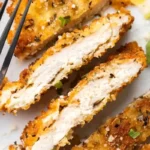
Crispy Parmesan Chicken Cutlets
- Total Time: 40 minutes
- Yield: 4 pieces 1x
- Diet: General
Description
Whip up these crispy parmesan chicken cutlets in just 40 minutes! Perfectly seasoned with garlic, parmesan, and Italian seasoning, they’re a hit with both kids and adults.
Ingredients
- 2 boneless skinless chicken breast
- 1 teaspoon salt
- 1 teaspoon garlic powder
- 1 teaspoon black pepper
- 1/2 cup all-purpose flour
- 2 large eggs
- 1 tablespoon milk
- 1 cup panko bread crumbs
- 1/4 cup grated Parmesan cheese
- 1 tablespoon Italian seasoning
- 2 cups vegetable oil
- 1 lemon
Instructions
- Trim and Cut: Trim 2 boneless skinless chicken breast of any unwanted fat. Horizontally cut chicken in half to make 2 thin cutlets per chicken breast.
- Pound: Lay cut chicken on countertop between two layers of plastic wrap. Pound out chicken until 1/4-1/2 inch thick.
- Season: Season the thin chicken with 1 teaspoon salt, 1 teaspoon garlic powder, 1 teaspoon black pepper
- Prepare Breading: Spread 1/2 cup all-purpose flour into a shallow dish. In a separate shallow dish, whisk 2 large eggs together with 1 tablespoon milk. In an additional separate shallow dish, mix together 1 cup panko bread crumbs, 1/4 cup grated Parmesan cheese, and 1 tablespoon Italian seasoning.
- Heat Oil: Pour enough 2 cups vegetable oil into a deep, large skillet to cover the bottom with 1 to 2 inches of oil. Bring oil to 350-375℉ (177-190℃) over medium-high heat. Watch the temperature closely using a thermometer and adjust the heat setting to maintain the temperature of the oil.
- Coat: While oil is coming to temperature, dip chicken in the flour to coat both sides, then immediately dip into eggs to cover. Let any excess egg drip off then dip in the panko mixture, ensuring all parts of chicken are evenly coated.
- Fry: Place breaded chicken into the hot oil and fry 2-3 minutes. Work in batches if needed, based on size of pan. Chicken should not crowd the pan.
- Flip: Gently flip and cook for an additional 2-4 minutes until chicken reaches an internal temperature of 165 Fahrenheit, and is browned and crisp.
- Rest: Remove from oil and let rest for 5 minutes. Serve with 1 lemon wedge and enjoy!
Notes
If the breading isn’t sticking, try refrigerating the breaded cutlets for 30 minutes to chill. Use one hand for dry ingredients and one for wet to keep the process clean.
- Prep Time: 20 minutes
- Cook Time: 20 minutes
- Category: Main Dish
- Method: Pan-Frying
- Cuisine: American
Nutrition
- Serving Size: 1 cutlet
- Calories: 520 kcal
- Sugar: 4 g
- Sodium: 850 mg
- Fat: 28 g
- Saturated Fat: 7 g
- Unsaturated Fat: 21 g
- Trans Fat: 0 g
- Carbohydrates: 32 g
- Fiber: 2 g
- Protein: 35 g
- Cholesterol: 140 mg
Keywords: crispy parmesan chicken, chicken cutlets, panko chicken, pan-fried chicken, easy dinner