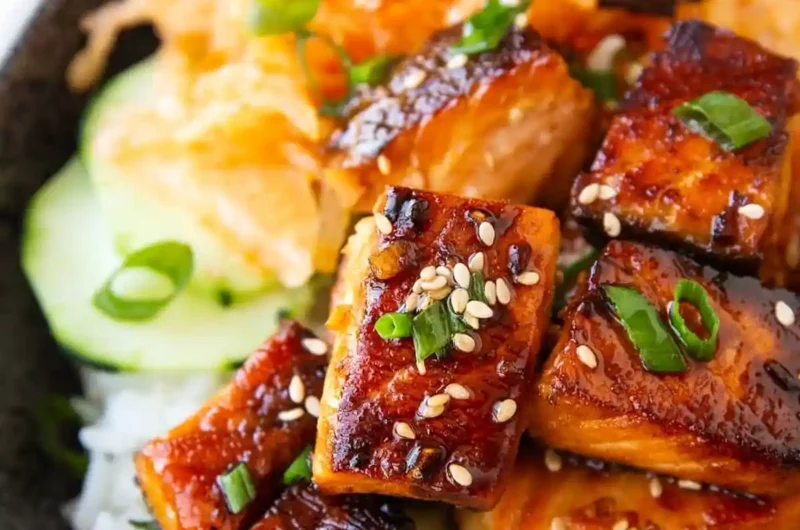
This fast and healthy salmon recipe delivers a sweet and savory glaze with a satisfying crunch. It takes less than 30 minutes to prepare, making it an ideal choice for busy weeknights.
List of ingredients
- 1 Tbsp avocado oil – used for high-heat searing.
- 1 lb salmon – chopped into bite-sized chunks.
- 3 Tbsp coconut aminos or soy sauce – provides the salty, savory base.
- 1 Tbsp rice vinegar – adds a necessary acidic balance.
- 5 large cloves garlic – minced for aromatic depth.
- 2 tsp toasted sesame oil – adds a nutty finish.
- Sea salt – to taste.
step-by-step instructions
- Prepare the sauce: In a small bowl or measuring cup, whisk together the coconut aminos (or soy sauce), rice vinegar, garlic, and sesame oil. Set aside until ready to use.
- Prep the fish: Chop the salmon into cubes. If you prefer your salmon skinless, you can cut the skin off and discard it before chopping, though leaving the skin on is also recommended.
- Sear the salmon: Heat the avocado oil in a large skillet over high heat for a couple of minutes. Carefully place salmon on the hot surface and cook undisturbed for 2 to 4 minutes. Flip and cook for another 2 to 4 minutes until two sides are deeply golden brown.
- Glaze and cook through: Pour the sauce into the skillet and gently swish it around to coat all salmon pieces. Cover the skillet and cook for another 5 to 6 minutes, stirring occasionally, until the salmon reaches an internal temperature of 130 to 145 degrees Fahrenheit.
- Final seasoning: Taste the salmon and add more coconut aminos, rice vinegar, a splash of fresh lime juice, or a sprinkle of sea salt to adjust the flavor.
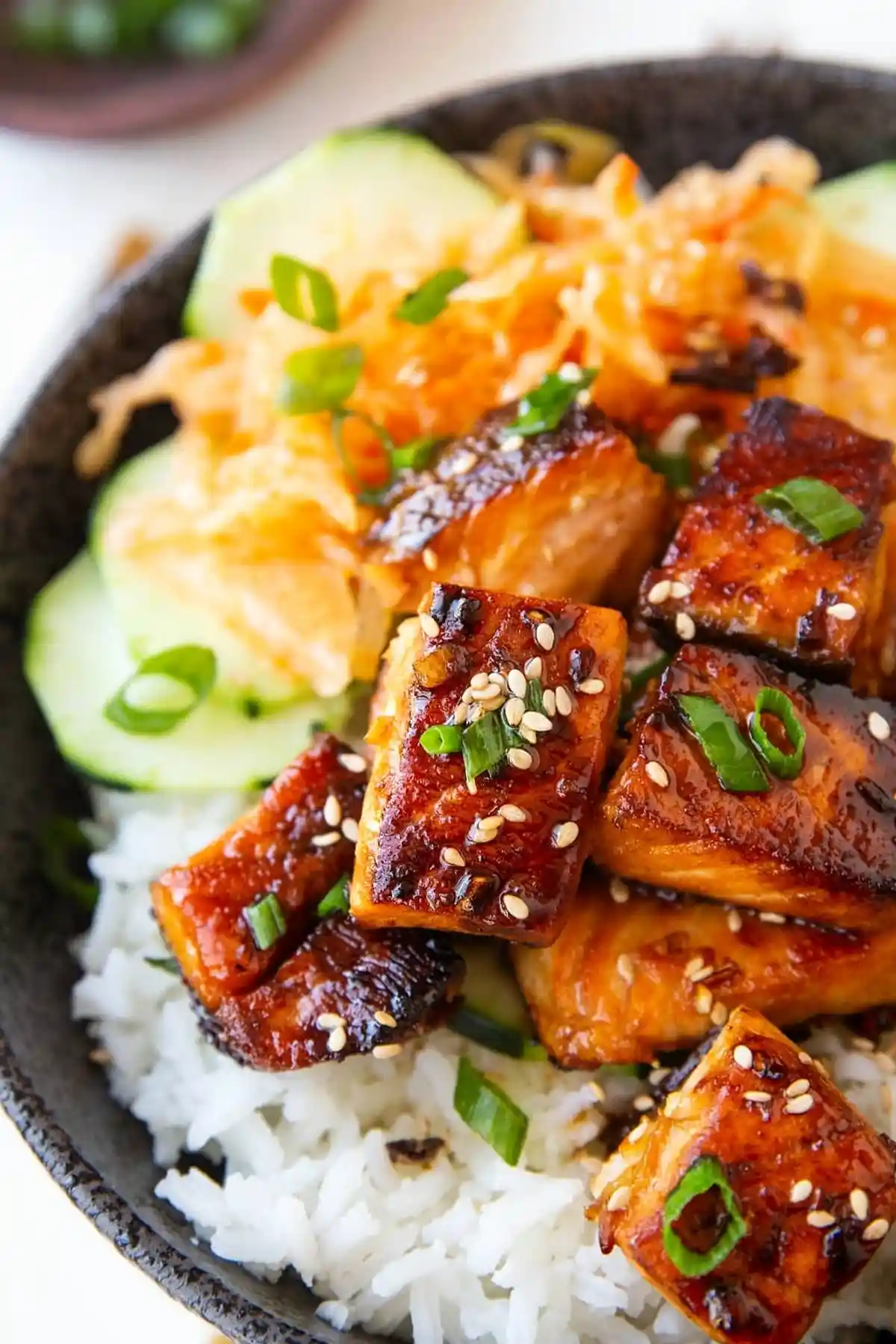
- Serve: Plate the crispy sesame salmon with your preferred side dishes, such as steamed white rice and Asian cucumber salad.
Expert Searing Techniques
Use High Smoke Point Oils
Avocado oil is ideal for this recipe because it has one of the highest smoke points of any cooking oil. This allows you to heat the pan to the temperature required for a deep golden crust without the oil burning or releasing smoke. If avocado oil is unavailable, grapeseed oil is a suitable alternative for high-heat searing.
Avoid Overcrowding the Pan
Leaving enough space between the salmon chunks prevents the fish from steaming in its own moisture. When the pan is too full, the temperature drops rapidly, and the salmon will boil rather than sear. Cook in batches if your skillet is small to ensure every piece achieves a crispy exterior.
Maintain Constant Heat
Keep the stove on high heat during the initial searing phase to trigger the Maillard reaction quickly. Once the sauce is added and the pan is covered, the heat helps the glaze thicken and penetrate the fish. Use a heavy-bottomed skillet, such as cast iron or stainless steel, to distribute heat evenly across the surface.
Determine Doneness with a Thermometer
Salmon can overcook in a matter of seconds, turning from tender to rubbery. Use an instant-read meat thermometer to check the thickest piece of fish. Aim for 130 degrees Fahrenheit for medium-rare or 145 degrees Fahrenheit for fully cooked according to standard safety guidelines.
Flavor Modifications and Customizations
Increase Heat with Spicy Additions
To add a spicy kick, stir red pepper flakes or a tablespoon of sriracha into the whisked sauce. You can also add sliced fresh jalapeños to the pan during the last few minutes of cooking. These additions complement the sweetness of the coconut aminos and the nuttiness of the sesame oil.
Incorporate Fresh Ginger
For a traditional sesame-ginger profile, add one tablespoon of freshly grated ginger to the skillet. Stir the ginger in just before pouring in the liquid sauce to toast the aromatics briefly. This adds a zesty, pungent layer of flavor that cuts through the richness of the salmon.
Add Citrus Zest and Juice
Adding orange or lemon zest to the sauce provides a bright, citrusy contrast to the savory glaze. A final squeeze of fresh lime juice at the end of cooking awakens the other flavors. This acidity helps balance the saltiness of the soy sauce or coconut aminos.
Adjusting Sweetness for Soy Sauce
Coconut aminos are naturally sweeter than soy sauce. If you choose to use soy sauce or liquid aminos, add two teaspoons of pure maple syrup or brown sugar to the sauce. This ensures the glaze maintains the sticky, sweet-savory balance intended for the recipe.
Ingredient Substitutions
Soy-Free Alternatives
Coconut aminos serve as an excellent soy-free and gluten-free substitute for soy sauce. They provide a similar umami flavor with less sodium and a hint of natural sweetness. If you cannot find coconut aminos, a mixture of mushroom broth and a pinch of salt can mimic some of the depth.
Vinegar Alternatives
Rice vinegar is preferred for its mild, sweet acidity. If it is unavailable, apple cider vinegar is the closest substitute in terms of flavor profile. Avoid using distilled white vinegar, as it is too harsh and may overpower the delicate taste of the salmon.
Salmon Variety Selection
King salmon is highly prized for its high fat content, which results in a very buttery texture and better crisping. Atlantic salmon is a more common and affordable option that still works perfectly in this recipe. Sockeye salmon is leaner and cooks faster, so reduce the searing time slightly to avoid drying it out.
Sesame Oil Roles
Toasted sesame oil is used for flavor rather than cooking, as it has a low smoke point. Do not use it as the primary searing oil, or it will burn and taste bitter. Always add it to the sauce or as a finishing touch to preserve its aromatic qualities.
Serving and Pairing Suggestions
Building a Complete Salmon Bowl
Turn this recipe into a meal by placing the salmon atop a base of cooked jasmine or brown rice. Add fresh ingredients like diced avocado, mango chunks, and edamame for color and nutrition. A drizzle of sriracha or a squeeze of lime can tie all the components together.
Vegetable Side Dish Pairings
Sautéed bok choy, steamed broccoli, or snap peas provide a crisp, fresh contrast to the sticky salmon. An Asian-style cucumber salad with rice vinegar and sesame seeds is a refreshing palate cleanser. For a fermented element, serve with a side of kimchi or sauerkraut.
Low-Carb Alternatives
Replace white rice with cauliflower rice or a bed of fresh baby spinach for a low-carb option. Zucchini noodles sautéed in garlic and oil also pair well with the savory sesame glaze. These options keep the meal light while maintaining the flavor intensity of the fish.
Garnish for Presentation
Finish the dish with a sprinkle of toasted sesame seeds and thinly sliced green onions. These additions provide a professional look and a slight crunch. A few fresh cilantro leaves can also add a pop of color and a herbal note to the final presentation.
Storage and Reheating Guide
Refrigeration Best Practices
Store leftover salmon in an airtight glass container to prevent the fish from absorbing other fridge odors. Ensure the salmon is completely cooled before sealing the lid to avoid excess moisture buildup. The salmon will remain safe to eat for up to five days when properly refrigerated.
Avoiding Rubbery Salmon During Reheating
Avoid using a high-power microwave setting, as this often overcooks the fish and makes it rubbery. Instead, reheat the salmon in a skillet over medium heat with a splash of water or broth to loosen the glaze. Cover the pan for two minutes to steam the fish back to temperature.
Oven Reheating Method
For a larger quantity of leftovers, use an oven set to 275 degrees Fahrenheit. Place the salmon on a baking sheet and cover it loosely with aluminum foil to retain moisture. Heat for 10 to 15 minutes or until the fish is warmed through without drying out.
Freezing Leftovers
While salmon can be frozen, the texture of the seared crust may soften during the process. If you choose to freeze, wrap the salmon tightly in plastic wrap and place it in a freezer bag. Thaw completely in the refrigerator overnight before reheating in a skillet.
Troubleshooting Common Issues
Preventing Fish from Sticking
If the salmon sticks to the pan, it is usually because the pan wasn’t hot enough or the fish was flipped too early. Wait for the salmon to develop a natural crust, which allows it to release from the surface easily. Ensure the oil is shimmering and hot before adding the cubes.
Fixing a Thin Sauce
If the sauce remains too watery after cooking, remove the lid and increase the heat for 1 to 2 minutes. Stir constantly to allow the liquid to reduce and thicken into a sticky glaze. Be careful not to burn the garlic or sugar in the sauce during this process.
Managing Overcooked Salmon
If the salmon becomes slightly overcooked, serve it with a more generous amount of sauce or a creamy side. Adding a dollop of Greek yogurt or a squeeze of extra lime juice can add moisture back to the palate. Next time, reduce the covered cooking time by one or two minutes.
Handling Frozen Salmon
Frozen salmon often releases more water during cooking, which can prevent a good sear. Pat the thawed fillets completely dry with paper towels before chopping them into cubes. Removing surface moisture is the most critical step for achieving a crispy exterior.
Frequently Asked Questions
What is the ideal internal temperature for salmon?
For medium-rare salmon, aim for 130 degrees Fahrenheit. For fully cooked salmon, the USDA recommends an internal temperature of 145 degrees Fahrenheit.
Can I use skinless salmon for this recipe?
Yes, you can remove the skin before chopping the salmon into cubes. However, keeping the skin on provides extra flavor and a different texture during the searing process.
Which type of salmon works best?
King salmon is preferred for its higher fat content and tenderness. Atlantic salmon is also a great, widely available choice for this specific method.
Can I cook this in an air fryer?
While you can air fry salmon, you will lose the specific pan-seared crust and sauce reduction that happens in a skillet. For the best results with this glaze, the stovetop method is recommended.
Is coconut aminos a direct replacement for soy sauce?
Yes, it is a direct replacement, but it is less salty and slightly sweeter. If using soy sauce, you may need to add a small amount of sweetener like maple syrup to match the original flavor.
Print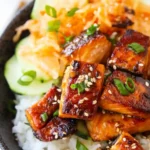
Crispy Sesame Salmon
- Total Time: 25 minutes
- Yield: 3 servings 1x
- Diet: General
Description
Sweet and savory sticky Asian-inspired Crispy Sesame Salmon is here for crispy salmon lovers! Make it in less than 30 minutes for healthy weeknight meals.
Ingredients
- 1 Tbsp avocado oil
- 1 lb salmon, chopped into bite-sized chunks
- 3 Tbsp coconut aminos or soy sauce
- 1 Tbsp rice vinegar
- 5 large cloves garlic, minced
- 2 tsp toasted sesame oil
- Sea salt to taste
Instructions
- Step: In a small bowl or measuring cup, whisk together the coconut aminos (or soy sauce), rice vinegar, garlic, and sesame oil. Set aside until ready to use.
- Step: Chop the salmon into cubes.
- Step: Heat the avocado oil in a large skillet over high heat and allow the skillet to heat up for a couple of minutes. Carefully place salmon on the hot surface of the skillet and allow them to cook undisturbed for 2 to 4 minutes before flipping them to another side and cooking for an additional 2 to 4 minutes, until two sides are deeply golden brown.
- Step: Pour the sauce into the skillet and gently swish it around until all of the salmon is exposed to sauce. Cover the skillet and cook for another 5 to 6 minutes, stirring/flipping occasionally, or until the salmon has cooked through.
- Step: Taste the salmon for flavor and add more coconut aminos, rice vinegar, or a splash of fresh lime juice, and a sprinkle of sea salt to taste.
- Step: Serve the crispy sesame salmon with your choice of side dishes.
Notes
Use liquid aminos, low-sodium soy sauce or coconut aminos. If using soy sauce or liquid aminos, add 2 tablespoons of pure maple syrup or brown sugar and don’t add any salt unless you feel the salmon needs it at the end. Store any leftovers in an airtight container in the refrigerator for up to 5 days.
- Prep Time: 5 minutes
- Cook Time: 20 minutes
- Category: Main Dishes
- Method: Pan-Searing
- Cuisine: Asian
Nutrition
- Serving Size: 1 serving
- Calories: 339 kcal
- Sugar: 5 g
- Sodium: 550 mg
- Fat: 20 g
- Saturated Fat: 4 g
- Unsaturated Fat: 16 g
- Trans Fat: 0 g
- Carbohydrates: 6 g
- Fiber: 1 g
- Protein: 31 g
- Cholesterol: 60 mg
Keywords: crispy sesame salmon, Asian salmon, healthy weeknight meal, pan-seared salmon, salmon bowls