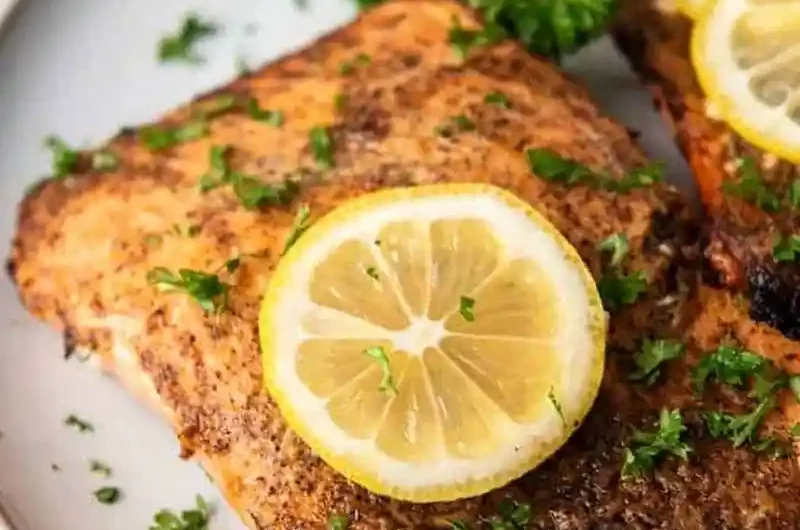
Prepare delicious, flaky salmon without the need for advance thawing. This air fryer method is ideal for quick weeknight meals when you need a healthy protein option in under 30 minutes.
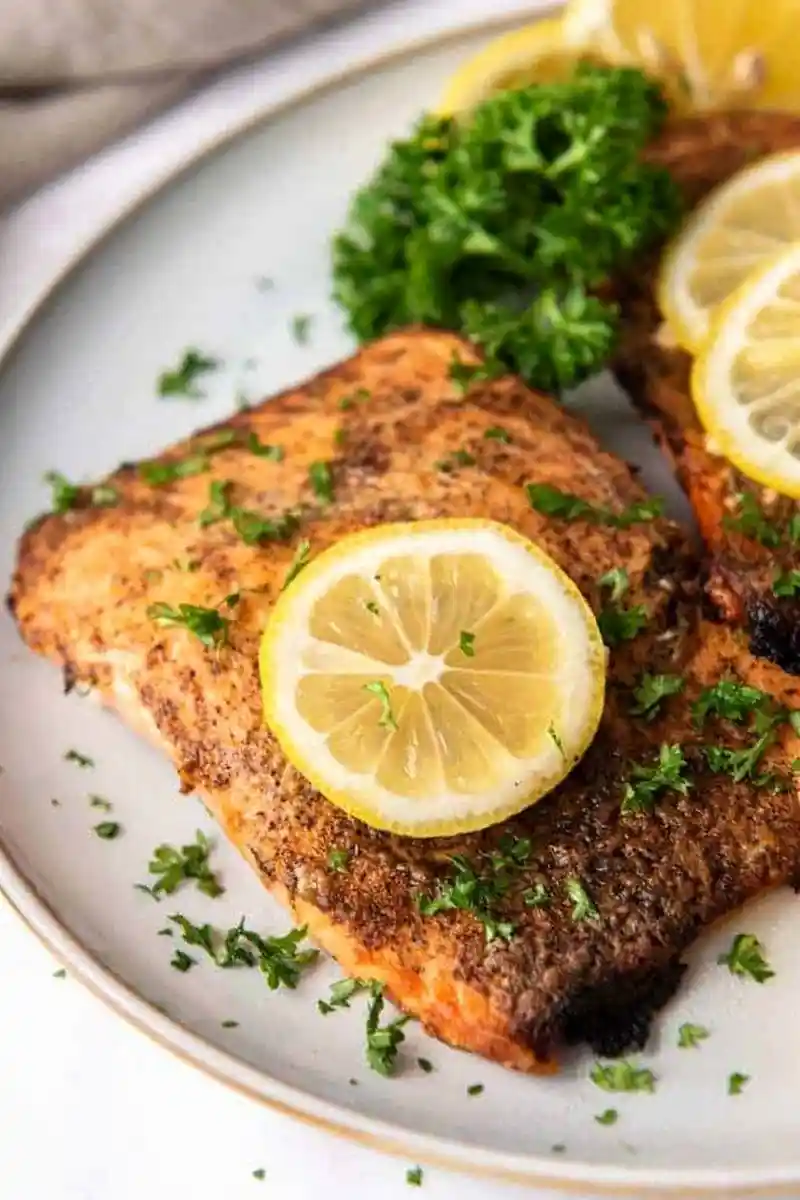
List of ingredients
- 2 6-oz frozen skinless salmon fillets – ensure they are individually frozen for best results.
- 2 teaspoons olive oil – used to bind the seasonings and prevent sticking.
- 1 teaspoon lemon juice – adds a bright, acidic balance to the rich fish.
- 1 teaspoon Dijon mustard – provides a tangy base and helps the crust adhere.
- ½ teaspoon kosher salt – enhances the natural flavors of the salmon.
- ½ teaspoon garlic powder – adds a savory, aromatic depth.
- ¼ teaspoon black pepper – provides a mild, earthy spice.
- ⅛-¼ teaspoon cayenne pepper – adds a subtle hint of heat.
- Lemon wedges – used for fresh squeezing before serving.
step-by-step instructions
- Preheat the appliance: Set your air fryer to 390 degrees F to ensure the cooking surface is hot before adding the fish.
- Mix the marinade: In a small bowl, whisk together the olive oil, lemon juice, Dijon mustard, salt, garlic powder, black pepper, and cayenne pepper until smooth.
- Apply seasoning: Brush the prepared mixture evenly onto the top of each frozen salmon fillet.
- Cook the fillets: Place the salmon fillets in a single layer inside the air fryer basket. Cook for 12 to 18 minutes, depending on the thickness of the fillets, until the internal temperature reaches 145 degrees F.
- Finish and serve: Remove the fillets carefully from the basket and serve immediately with fresh lemon wedges.
Cooking Modifications and Customizations
The Partial Thawing Method
For those who prefer a more seasoned crust, cook the frozen fillets for 6 minutes without any seasoning first. Remove them briefly to brush on the marinade once the surface has softened, then continue cooking for another 6 to 12 minutes. This ensures the spices penetrate the fish more effectively.
Incorporating Spicy Seasonings
To increase the heat profile, replace the cayenne and garlic powder with a tablespoon of Cajun or blackened seasoning. These blends often contain paprika and onion powder, which create a darker, more intense crust. Adjust the salt amount based on the sodium content of the pre-mixed seasoning.
Adding Citrus Zest for Brightness
For a more intense citrus flavor, grate fresh lemon or lime zest directly onto the salmon before air frying. The zest contains essential oils that provide a more aromatic punch than juice alone. This works particularly well when paired with the Dijon mustard base.
Integrating Fresh Herbal Notes
Fresh herbs like dill, parsley, or cilantro can be added immediately after cooking. Since high heat can burn fresh herbs, tossing the cooked fillets in chopped herbs and a touch of butter provides a vibrant finish. Dill is particularly complementary to the fatty profile of salmon.
Creating a Sweet Glaze
Substitute the Dijon mustard with a tablespoon of maple syrup or a pinch of brown sugar. The sugars caramelize under the air fryer’s heating element, creating a sticky, sweet exterior. This variation pairs exceptionally well with the acidity of the lemon juice.
Recommended Side Dish Pairings
Healthy Vegetable Options
Air fryer asparagus, baby carrots, or frozen green beans are excellent pairings that can often be cooked in the same appliance. These vegetables maintain a crisp texture and balance the richness of the omega-3 fatty acids found in the salmon. Steam them or roast them with a light drizzle of olive oil.
Indulgent Comfort Sides
For a more filling meal, serve the salmon with traditional fish-fry sides like creamy coleslaw and potato wedges. Air fryer french fries or tater tots provide a crunchy contrast to the flaky texture of the fish. Keep the sides simple to let the salmon remain the focal point.
Salmon Storage and Handling
Refrigerating Leftover Fillets
Allow any remaining salmon to cool completely to room temperature before placing it in an airtight container. Store it in the main part of the refrigerator, avoiding the door where temperatures fluctuate. Leftovers remain safe and flavorful for 3 to 4 days.
Preventing Freezer Burn
When storing frozen fillets for future use, vacuum-seal them or wrap them tightly in parchment paper followed by aluminum foil. This prevents ice crystals from forming on the surface of the fish. Proper sealing preserves the texture and prevents the fish from drying out during the air frying process.
Perfecting the Air Fryer Process
Using a Digital Meat Thermometer
The only foolproof way to ensure salmon is cooked through without overdoing it is using an instant-read thermometer. Insert the probe into the thickest part of the fillet to check for a reading of 145 degrees F. This prevents the fish from becoming dry or rubbery.
The Fork Flake Test
If a thermometer is unavailable, use a fork to gently press down on the thickest part of the fillet. The salmon is done when the flesh separates easily along the natural white lines, known as flakes. If the center resists, cook for an additional 2 minutes.
Managing Salmon Skin
If using fillets with the skin still attached, always place them skin-side down in the basket. The skin acts as a protective barrier, preventing the meat from overcooking and making removal easier. The air fryer’s circulating heat will still crisp the skin from underneath.
Avoiding Basket Overcrowding
Ensure there is at least a half-inch of space between each fillet to allow for proper airflow. Overcrowding the basket traps steam, which can lead to soggy fish rather than a roasted exterior. Cook in batches if necessary to maintain consistent heat distribution.
Troubleshooting Common Issues
Dealing with Dry Salmon
Dry salmon is usually the result of overcooking or using fillets that are too thin for the set time. Reduce the cooking time by 2-3 minutes for fillets under 1 inch in thickness. Adding a small pat of butter on top during the last 2 minutes of cooking can also restore moisture.
Preventing Seasoning Burn
If the spices are burning before the fish is cooked, lower the temperature to 375 degrees F and increase the cooking time by 2-4 minutes. Using a bit more olive oil in the marinade can also protect the dry spices from scorching under the direct heat source.
Handling Salmon That Won’t Flake
If the salmon remains firm and does not flake, it is likely undercooked in the center. Return the fillets to the air fryer for 2-minute intervals. Be careful not to overcompensate, as salmon can go from perfectly cooked to overdone very quickly.
Reheating and Freshness
Air Fryer Reheating Method
To reheat leftover salmon, place the fillets in the air fryer at 350 degrees F for 3 to 5 minutes. This method restores the exterior crispness without drying out the center. Avoid overcooking during the reheat process to maintain the flaky texture.
Microwave Reheating Tips
When using a microwave, cover the salmon with a damp paper towel to trap moisture. Heat on medium power in 30-second bursts to avoid the fish becoming rubbery. This is faster but does not provide the same texture as the air fryer.
Cold Salmon Serving Ideas
Chilled leftover salmon can be flaked into a salad or used in a wrap with Greek yogurt and capers. The cold temperature highlights the richness of the fish. Pair with fresh arugula and a lemon-olive oil vinaigrette for a healthy lunch.
Common Questions About Air Fried Salmon
Does Salmon Need to be Thawed Before Air Frying?
No, this specific recipe is designed for frozen fillets. While thawed salmon cooks faster, frozen salmon yields a similar texture and flavor when cooked at 390 degrees F in an air fryer.
How Long to Cook Frozen Salmon in the Air Fryer?
On average, frozen salmon takes about 15 minutes. Thinner cuts may be done in 12 minutes, while thicker fillets can take up to 18 minutes to reach the safe internal temperature of 145 degrees F.
Does Frozen Salmon Taste as Good as Fresh Salmon?
Fresh salmon generally has a more delicate flavor and superior texture. However, high-quality frozen salmon is a practical and tasty alternative that performs exceptionally well in the air fryer when time is limited.
Can I use different oils for the marinade?
Yes, you can replace olive oil with avocado oil or melted unsalted butter. Avocado oil has a higher smoke point, which is beneficial for very high-temperature cooking, while butter adds a richer taste.
What is the best way to remove the salmon from the basket?
Use a wide fish spatula to lift the fillets from underneath. This prevents the cooked fish from breaking apart. If the fish sticks to the basket, let it rest for 1-2 minutes before attempting to lift it.
Print
Easy Air Fryer Frozen Salmon
- Total Time: 25 minutes
- Yield: 2 servings 1x
- Diet: Pescatarian
Description
A flaky and flavorful way to make frozen salmon in the air fryer. It’s so easy and perfect for last minute weeknight dinners!
Ingredients
- 2 6-oz frozen skinless salmon fillets
- 2 teaspoons olive oil
- 1 teaspoon lemon juice
- 1 teaspoon Dijon mustard
- ½ teaspoon kosher salt
- ½ teaspoon garlic powder
- ¼ teaspoon black pepper
- ⅛–¼ teaspoon cayenne pepper
- Lemon wedges
Instructions
- Step: Preheat the air fryer to 390 degrees F.
- Step: In a small bowl, whisk together the olive oil, lemon juice, Dijon, salt, garlic powder, pepper, and cayenne. Brush the mixture on the top of each fillet.
- Step: Place the frozen fillets in a single layer inside and cook for 12 to 18 minutes, depending on thickness, until it reaches an internal temperature of 145 degrees F. Serve with lemon wedges if desired.
Notes
Alternatively, you can cook the salmon without the seasoning for 6 minutes, then brush it onto the defrosted fillets and continue to cook for 6-12 minutes until cooked through.
- Prep Time: 10 minutes
- Cook Time: 15 minutes
- Category: Air Fryer Recipes
- Method: Air Frying
- Cuisine: American
Nutrition
- Serving Size: 1 fillet
- Calories: 405 kcal
- Sugar: 1 g
- Sodium: 488 mg
- Fat: 26 g
- Saturated Fat: 5 g
- Unsaturated Fat: 21 g
- Trans Fat: 0 g
- Carbohydrates: 4 g
- Fiber: 1 g
- Protein: 38 g
- Cholesterol: 107 mg
Keywords: frozen salmon, air fryer, easy dinner, seafood, quick recipes