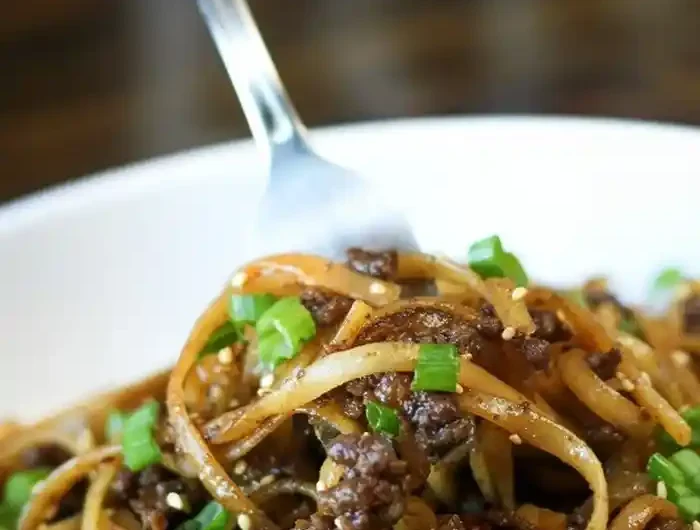
This fast-paced meal combines savory ground beef with a sweet and salty glaze over tender noodles. It is an ideal solution for busy weeknights when you need a filling dinner in under 20 minutes.
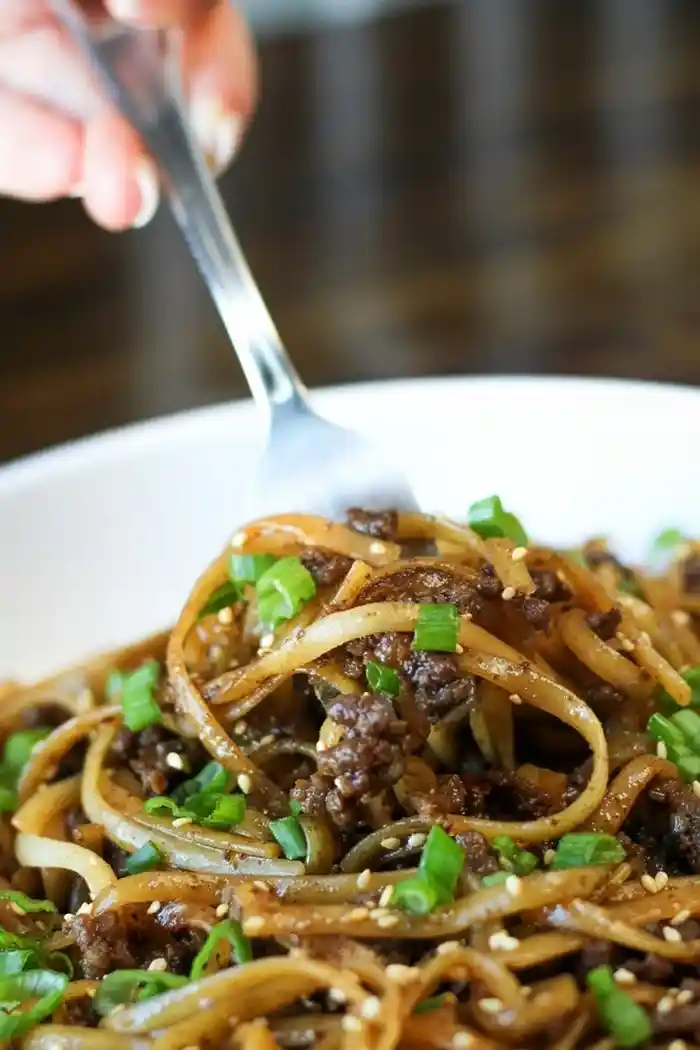
List of ingredients
- 1 lb. lean ground beef – provides the protein base.
- 4 tsp minced ginger – adds a fresh, pungent heat.
- 6 cloves garlic, minced – delivers a deep aromatic flavor.
- 1/2 cup low sodium soy sauce – creates the primary salty element.
- 1/2 cup of beef broth – adds depth and helps create the sauce.
- 1/4 cup brown sugar – provides a caramelized sweetness.
- 6 tbsp hoisin sauce – adds thickness and a complex plum-like flavor.
- 1/2 tsp red pepper flakes – adds a mild kick of heat.
- 1/2 tsp black pepper – provides basic seasoning.
- 1 12 ounce box of Linguine Noodles – the starch base for the dish.
- 4 green onions, diced – used for fresh garnish.
- Toasted Sesame Seeds – used for nutty garnish.
step-by-step instructions
- Brown the meat: In a medium skillet with high sides on the stovetop, brown the ground beef along with the ginger and garlic until beef is cooked through. Use the back of a wooden spoon to make sure meat is broken up well.
- Drain the fat: Carefully drain any excess fat from the skillet and return the pan to the stovetop.
- Boil the pasta: While the ground beef is cooking, get a pot of water started for your pasta noodles. Be sure to salt the water well so that your noodles soak up that flavor.
- Prepare the sauce: Combine the soy sauce, beef broth, brown sugar, red pepper flakes, pepper, and hoisin sauce in a small dish.
- Simmer the beef: Pour the sauce mixture into the ground beef mixture. Let them saute in the pan for about 3 minutes to allow the ground beef to absorb the flavors.
- Combine and thicken: Once your pasta is done cooking, transfer the noodles to the ground beef mixture. Mix thoroughly and allow to cook for a couple of more minutes to allow the sauce to thicken.
- Garnish and serve: Top with diced green onions and toasted sesame seeds before serving.
Pro Cooking Tips
Use High Heat for Searing
Start your skillet on medium-high heat to ensure the ground beef browns effectively. This creates a better texture and prevents the meat from steaming in its own juices.
Salt Your Pasta Water Heavily
Adding a generous amount of salt to the boiling water is the only chance to season the noodles themselves. This prevents the pasta from tasting bland once the sauce is added.
Whisk the Sauce Thoroughly
Mix the soy sauce, brown sugar, and hoisin in a separate bowl until the sugar is fully dissolved. This ensures an even distribution of flavor across the entire dish.
Choose a High-Sided Skillet
A skillet with high sides or a deep pan prevents the sauce from splashing over the edges. It also makes tossing the linguine with the beef much easier.
Avoid Overcooking the Linguine
Cook the pasta until it is just al dente. Since the noodles will simmer in the sauce for a few more minutes, undercooking them slightly prevents them from becoming mushy.
Ingredient Substitutions
Swap Ground Beef for Ground Turkey
You can use lean ground turkey or ground chicken as a lighter protein alternative. These meats absorb the Mongolian sauce well, though they may require a touch more oil for browning.
Use Coconut Aminos Instead of Soy Sauce
For a soy-free version, substitute the low-sodium soy sauce with coconut aminos. This provides a similar salty-sweet profile with a slightly different flavor depth.
Replace Brown Sugar with Honey
If you do not have brown sugar, honey or maple syrup work as excellent replacements. These liquid sweeteners integrate quickly into the sauce and provide a glossy finish.
Substitute Linguine with Spaghetti
Spaghetti is a nearly identical substitute for linguine in this recipe. You can also use fettuccine if you prefer a wider noodle to catch more of the sauce.
Use Garlic Powder in a Pinch
If fresh garlic is unavailable, use 1/2 teaspoon of garlic powder per clove. While less pungent, it still provides the necessary aromatic base for the beef.
Substitute Beef Broth with Vegetable Broth
Vegetable broth is a suitable replacement if you want a different flavor profile or prefer not to use beef stock. It maintains the liquid volume needed to emulsify the sauce.
Recipe Variations
Add Sliced Carrots for Texture
Thinly slice carrots into matchsticks and sauté them with the beef. This adds a natural sweetness and a satisfying crunch to every bite.
Incorporate Steamed Broccoli
Add steamed broccoli florets at the end when tossing the noodles. The florets soak up the savory sauce and add a healthy green component to the meal.
Increase the Heat with Sriracha
For those who prefer a spicier dish, stir in a tablespoon of Sriracha or chili garlic sauce. This complements the red pepper flakes for a more intense heat level.
Add Sliced Bell Peppers
Red or yellow bell peppers add brightness and a mild sweetness. Sauté them briefly before adding the sauce to keep them slightly crisp.
Include Shredded Cabbage
Adding shredded green or Napa cabbage creates a bulkier meal. Sauté the cabbage until wilted just before adding the cooked noodles.
Add Sliced Mushrooms
Cremini or shiitake mushrooms add an earthy, umami depth to the dish. Brown them with the beef to maximize their flavor profile.
Serving Suggestions
Pair with Steamed Bok Choy
Lightly steam baby bok choy and serve it on the side. The fresh, watery crunch of the greens balances the richness of the beef sauce.
Serve with a Cucumber Salad
A cold salad of sliced cucumbers, rice vinegar, and sesame oil provides a refreshing contrast. This acidity cuts through the sweetness of the hoisin.
Accompany with Steamed White Rice
While the dish contains noodles, serving an extra side of jasmine rice is great for those with larger appetites. The rice can be used to soak up any remaining sauce.
Garnish with Fresh Cilantro
Chopped cilantro adds a citrusy brightness that elevates the dish. Sprinkle it over the top along with the green onions for a professional look.
Add a Side of Sliced Radishes
Thinly sliced raw radishes provide a peppery bite and a crisp texture. They serve as a palate cleanser between savory bites of beef noodles.
Storage and Reheating
Store in Airtight Containers
Place leftovers in a sealed glass or plastic container immediately after cooling. This prevents the noodles from drying out and keeps the flavors locked in.
Refrigerate for Up to Four Days
This dish stays fresh in the refrigerator for about 3 to 4 days. Ensure the container is fully sealed to avoid absorbing other fridge odors.
Reheat in a Skillet
The best way to reheat is in a skillet over medium heat. Add a splash of water or beef broth to loosen the sauce and restore the original consistency.
Avoid Long Microwave Sessions
If using a microwave, heat in short intervals and stir in between. Overheating in the microwave can make the noodles rubbery and the sauce break.
Make-Ahead Advice
Prepare the Sauce in Advance
You can whisk together the soy sauce, broth, sugar, and hoisin up to two days early. Store the mixture in a jar in the refrigerator for a faster assembly.
Pre-Chop Your Aromatics
Mince the garlic and ginger and dice the green onions ahead of time. Store them in small containers to reduce prep time during the actual cooking process.
Partially Cook the Beef
Brown the beef and drain the fat on a prep day. Store the cooked meat in the fridge and simply reheat it before adding the sauce and noodles.
Troubleshooting Common Issues
Sauce is Too Thin
If the sauce does not thicken enough, simmer it for an additional two minutes without the noodles first. The starch from the pasta usually helps, but extra reduction time fixes thinness.
Meat is Too Greasy
If the beef remains oily after draining, pat the meat with a paper towel. This removes excess surface fat and allows the sauce to cling to the beef better.
Noodles are Sticking Together
Toss the noodles with a small amount of oil or reserved pasta water immediately after draining. This creates a barrier that prevents them from clumping before they hit the pan.
Flavor is Too Salty
If the soy sauce makes the dish too salty, add a teaspoon of sugar or a squeeze of lime juice. This balances the sodium with sweetness or acidity.
Ginger Flavor is Overpowering
If the ginger is too strong, balance it by adding more hoisin sauce or a pinch of brown sugar. The sweetness helps neutralize the pungent notes of the ginger.
Frequently Asked Questions
Can I use rice noodles instead of linguine?
Yes, rice noodles work well, but they cook much faster and are more delicate. Follow the rice noodle package instructions and fold them in gently to avoid breaking them.
Is this dish freezer-friendly?
It is not recommended to freeze this dish because the noodles often lose their texture and become mushy. However, you can freeze the cooked beef and sauce mixture and add fresh noodles upon reheating.
How do I make the dish less sweet?
Reduce the amount of brown sugar to two tablespoons and increase the soy sauce slightly. You can also add a teaspoon of apple cider vinegar to cut the sweetness.
What is the best beef fat percentage for this recipe?
Lean ground beef (90% lean or higher) is best to prevent the dish from becoming too oily. If using 80% lean, be very thorough when draining the fat.
Can I use garlic powder instead of fresh garlic?
Yes, use about 1/2 teaspoon of garlic powder for every clove of fresh garlic. Note that the flavor will be more muted than using fresh cloves.
How do I prevent the beef from clumping?
Use a wooden spoon or meat masher to break the beef into small crumbles as it browns. Do not overcrowd the pan, as this can lead to steaming rather than searing.
Print
Easy Mongolian Ground Beef Noodles
- Total Time: 15 minutes
- Yield: 8 servings 1x
- Diet: General
Description
This Easy Mongolian Ground Beef Noodles recipe comes together in 15 minutes and is one of the most delicious meals you will make this year.
Ingredients
- 1 lb. lean ground beef
- 4 tsp minced ginger
- 6 cloves garlic, minced
- 1/2 cup low sodium soy sauce
- 1/2 cup beef broth
- 1/4 cup brown sugar
- 6 tbsp hoisin sauce
- 1/2 tsp red pepper flakes
- 1/2 tsp black pepper
- 1 12 ounce box of Linguine Noodles
- 4 green onions, diced for garnish
- Toasted Sesame Seeds for garnish
Instructions
- Step 1: In a medium skillet with high sides on the stovetop, brown the ground beef along with the ginger and garlic until beef is cooked through. Use the back of a wooden spoon to make sure meat is broken up well. Drain any fat and return the pan to the stovetop.
- Step 2: While the ground beef is cooking, get a pot of water started for your pasta noodles. Be sure to salt the water well so that your noodles soak up that flavor.
- Step 3: Combine the remaining ingredients — the soy sauce, beef broth brown sugar, red pepper flakes, pepper, and hoisin sauce in a small dish and pour into ground beef mixture.
- Step 4: Let them saute in the pan for about 3 minutes to allow the ground beef to absorb the flavors.
- Step 5: Once your pasta is done cooking, transfer the noodles to the ground beef mixture. Mix thoroughly and allow to cook for a couple of more minutes to allow the sauce to thicken.
- Step 6: Top with green onions and toasted sesame seeds for the perfect noodle dish!
Notes
The pasta itself is starch and provides the thickening needed for the sauce, eliminating the need for cornstarch.
- Prep Time: 5 minutes
- Cook Time: 10 minutes
- Category: Main Dishes
- Method: Stovetop
- Cuisine: Chinese
Nutrition
- Serving Size: 1 serving
- Calories: 297 kcal
- Sugar: 15 g
- Sodium: 1396 mg
- Fat: 9 g
- Saturated Fat: 3 g
- Unsaturated Fat: 5 g
- Trans Fat: 0 g
- Carbohydrates: 31 g
- Fiber: 2 g
- Protein: 22 g
- Cholesterol: 51 mg
Keywords: 15 minute dinner recipes, beef recipes, easy dinner recipes, mongolian recipes, pasta recipes