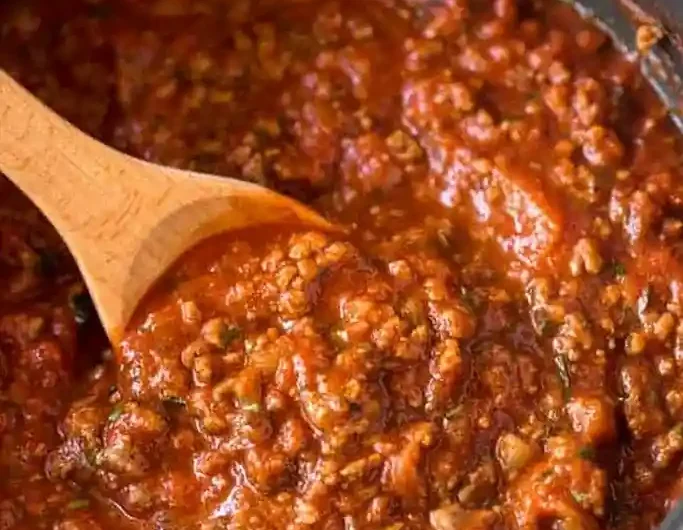
This hearty meat sauce is a simple, budget-friendly meal made with common pantry ingredients. It simmers quickly on the stove to deliver a rich flavor that pairs perfectly with any pasta.
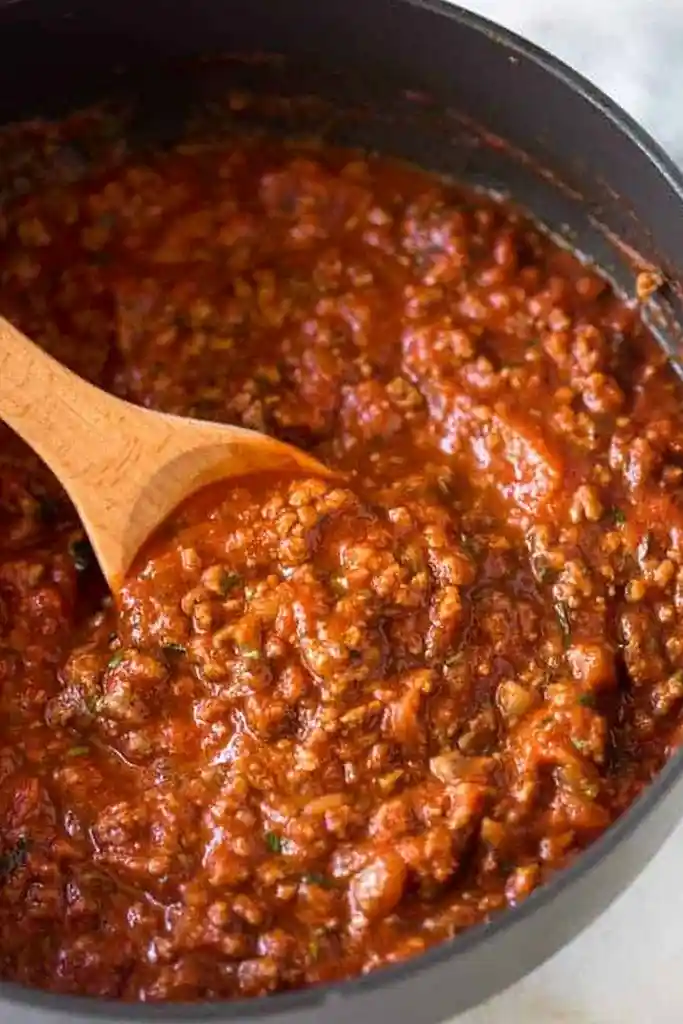
List of ingredients
- 1 pound ground beef (or 1/2 lb ground beef sausage and 1/2 lb ground beef) – provides the rich protein base.
- salt and freshly ground black pepper, to taste – essential for basic seasoning.
- 1 medium onion, chopped – adds aromatic depth to the sauce.
- 15 ounces tomato sauce – creates the smooth liquid base.
- 6 ounces tomato paste – adds thickness and concentrated tomato flavor.
- 1/2 teaspoon Italian seasoning – a blend of herbs for authentic flavor.
- 1 Tablespoon dried parsley flakes – adds a mild herbal note.
- 1 teaspoon garlic powder – provides a consistent garlic punch.
- crushed red pepper flakes, to taste – adds a customizable level of heat.
- 1 Tablespoon Worcestershire sauce – enhances the savory umami profile.
- 1 Tablespoon granulated sugar – balances the acidity of the tomatoes.
- 1 cup water – adjusts the consistency for simmering.
- 1/4 cup fresh basil leaves (optional) – adds a bright, fresh finish.
- spaghetti noodles, for serving – the classic pasta pairing.
step-by-step instructions
- Season the meat: Season the ground beef with salt and pepper to ensure the flavor is built into the protein.
- Brown the ingredients: In a large skillet, add the beef and chopped onion and brown them together. Drain the excess grease to prevent the sauce from becoming oily.
- Combine base ingredients: Add the tomato sauce, tomato paste, Italian seasoning, parsley, garlic powder, crushed red pepper, worcestershire, and sugar to the skillet.
- Boil and dilute: Stir the mixture well to combine and bring it to a boil. Stir in the water to reach the desired thickness.
- Simmer and finish: Reduce the heat and simmer for 30 minutes to let flavors meld. Stir in chopped fresh basil before serving if desired.
Practical Cooking Tips
Using a Food Processor for Finer Meat Texture
If you prefer a sauce with a very smooth consistency, transfer the browned beef to a food processor. Pulse it once or twice to break up large chunks into fine crumbles. This ensures the meat is evenly distributed throughout every bite of pasta.
Achieving a Proper Brown on the Beef
Ensure your skillet is well-heated before adding the ground beef and onions. Searing the meat on medium-high heat creates a Maillard reaction, which adds a deeper, savory flavor. Avoid overcrowding the pan to prevent the meat from steaming in its own juices.
Optimizing the Simmering Process
While the recipe calls for 30 minutes, you can simmer the sauce longer if time permits. A longer simmer allows the water to evaporate and the tomato paste to fully integrate. This results in a thicker sauce with a more concentrated, complex flavor profile.
Balancing Tomato Acidity
Tomatoes naturally contain citric and malic acids which can sometimes taste sharp. The addition of granulated sugar neutralizes this acidity without making the sauce taste sweet. Taste the sauce after 20 minutes of simmering to determine if more sugar is needed.
Preventing Sauce Splatter
When bringing the sauce to a boil, keep the heat at a medium-high level rather than maximum. Using a splatter screen over the skillet can prevent red sauce droplets from landing on your stovetop. This makes cleanup much easier after the cooking process.
Ingredient Substitutions
Alternative Ground Meats
You can replace the ground beef with ground turkey or ground chicken for a leaner option. If using turkey, you may need to add a small amount of olive oil since turkey has less natural fat than beef. Beef-based Italian sausage is a great substitute for adding more spice.
Sugar Alternatives for Acidity Control
If you prefer not to use granulated sugar, honey or maple syrup work as effective replacements. A small amount of finely grated carrot can also provide a natural sweetness that balances the tomatoes. Use these alternatives in equal measurements to the sugar.
Fresh Garlic vs Garlic Powder
While garlic powder provides a uniform taste, fresh minced garlic offers a sharper aroma. If substituting, use 3 to 4 cloves of minced garlic and add them to the pan during the last minute of browning the onions. This prevents the fresh garlic from burning.
Gluten-Free Adjustments
To make this recipe gluten-free, ensure you use a certified gluten-free Worcestershire sauce. Pair the sauce with gluten-free spaghetti noodles made from brown rice, corn, or chickpeas. The rest of the ingredients are naturally gluten-free.
Dried Herb Substitutions
If you lack a pre-mixed Italian seasoning, you can create your own with dried oregano, thyme, and rosemary. Use a combination of these three herbs in equal parts to equal 1/2 teaspoon. This gives you more control over the specific herbal notes.
Creative Recipe Variations
Adding Garden Vegetables
To increase the nutritional value, stir in finely diced carrots, celery, and bell peppers during the onion-browning phase. This creates a mirepoix base that adds sweetness and texture. Sauté the vegetables until soft before adding the tomato components.
Increasing the Heat Level
For a spicier sauce, increase the amount of crushed red pepper flakes or add a pinch of cayenne pepper. You can also stir in a teaspoon of sriracha or a chopped jalapeño for a different type of heat. Adjust the spice level gradually to avoid overpowering the herbs.
Incorporating a Creamy Texture
For a pink-style meat sauce, stir in two tablespoons of heavy cream or a dollop of mascarpone cheese at the very end. This mellows the tomato flavor and creates a velvety mouthfeel. Ensure the heat is low when adding dairy to prevent curdling.
Adding Cheesy Depth
Stirring in a handful of grated Parmesan or Pecorino Romano cheese during the final simmer adds a salty, nutty dimension. This is particularly effective if you are serving the sauce over a wider noodle like pappardelle. Use freshly grated cheese for the best melting properties.
Using Fresh Tomatoes
If you have ripe garden tomatoes, you can blend them and use them in place of the tomato sauce. You will likely need to simmer the sauce for an additional 20 to 30 minutes to reduce the water content. Keep the tomato paste to maintain the thickness.
Storage and Reheating
Proper Refrigeration Techniques
Store leftover sauce in an airtight container or a glass jar in the refrigerator. It will remain fresh and safe to eat for 3 to 4 days. Keep the container sealed to prevent the sauce from absorbing other odors from the fridge.
Freezing for Long-Term Use
Allow the sauce to cool completely before transferring it to a gallon-sized freezer bag. Squeeze out as much air as possible and lay the bag flat on a baking sheet to freeze. This flat shape makes it easy to stack in the freezer and speeds up the thawing process.
Thawing the Frozen Sauce
For best results, move the frozen sauce from the freezer to the refrigerator 24 hours before you plan to use it. If you are in a hurry, place the sealed bag in a bowl of warm water. Avoid thawing in the microwave to prevent uneven heating.
Best Methods for Reheating
Reheat the sauce in a small pot over medium-low heat on the stove. Add a splash of water or beef broth if the sauce has thickened too much during storage. Stir frequently to ensure the meat is heated evenly through the center.
Shelf Life in the Freezer
When stored in an airtight freezer bag, this meat sauce can last for 4 to 6 months. Label the bag with the date of preparation to track freshness. Using a vacuum sealer can extend the life of the sauce by preventing freezer burn.
Serving and Pairing Ideas
Selecting the Right Pasta
While spaghetti is the classic choice, this thick meat sauce works well with rigatoni or penne. The ridges and holes in these shapes trap the meat and sauce more effectively. For a more elegant presentation, try using linguine or fettuccine.
Complementary Side Dishes
Serve the pasta with warm garlic bread or cheesy breadsticks to soak up the extra sauce. A crisp Caesar salad or a simple tomato and cucumber salad provides a refreshing contrast to the rich meat. Steamed broccoli or roasted zucchini also pair well.
Topping and Garnish Options
Garnish each bowl with a generous sprinkle of freshly grated Parmesan cheese. A few whole basil leaves or a drizzle of high-quality extra virgin olive oil can elevate the presentation. Freshly cracked black pepper adds a final layer of sharpness.
Using Sauce in Other Dishes
This sauce is versatile and can be used as a base for lasagna or baked ziti. You can also use it as a hearty topping for polenta or grilled eggplant slices. For a twist, use it as a thick pizza sauce for a meat-lovers style pie.
Meal Prep Strategies
Cook a double batch of the sauce and portion it into individual containers for easy weekday lunches. Pair it with pre-cooked pasta that can be quickly reheated. This reduces cooking time during busy work weeks.
Troubleshooting Common Issues
Fixing a Sauce That Is Too Thin
If the sauce is too watery after 30 minutes, continue simmering without a lid to allow more evaporation. Alternatively, you can stir in a teaspoon of cornstarch mixed with a tablespoon of water. This slurry will thicken the sauce quickly over high heat.
Reducing Overpowering Acidity
If the sauce tastes too sour despite adding sugar, try adding a small pinch of baking soda. The alkaline nature of the baking soda neutralizes the acid chemically. Add it in very small increments, as too much can affect the flavor.
Managing Meat That Is Too Chunky
If you find the meat pieces are too large after browning, use a potato masher directly in the skillet. Press down on the meat to break it into smaller bits before adding the tomato sauce. This integrates the meat better with the liquid.
Preventing a Burnt Base
If you notice the sauce sticking to the bottom of the pan, add a small amount of water or beef broth. Stir constantly and scrape the bottom of the pan with a wooden spoon. Lower the heat to a gentle simmer to prevent further scorching.
Correcting Over-Salting
If you accidentally add too much salt, add a tablespoon of unsalted tomato paste or more water. Adding a peeled, halved potato to the simmer for 15 minutes can also help absorb excess salt. Remove the potato before serving.
Frequently Asked Questions
Can I use fresh tomatoes instead of canned sauce?
Yes, you can blend fresh, peeled tomatoes to replace the tomato sauce. However, you will need to simmer the sauce for much longer to evaporate the extra moisture found in fresh produce.
How do I make this recipe gluten-free?
Use a gluten-free certified Worcestershire sauce and pair the meal with gluten-free pasta noodles. All other ingredients in the recipe are naturally free from gluten.
Can I add vegetables to this sauce?
Absolutely. Diced carrots, celery, onions, and bell peppers are excellent additions. Sauté them with the beef and onion at the beginning to ensure they are tender.
Why is tomato paste used in addition to tomato sauce?
Tomato paste provides a concentrated flavor and a thicker consistency that tomato sauce alone cannot achieve. It helps the sauce cling to the pasta noodles rather than pooling at the bottom of the bowl.
Can I make this sauce in a slow cooker?
Yes, brown the beef and onions first, then transfer everything to a slow cooker. Cook on low for 6 to 8 hours or on high for 3 to 4 hours for a deeper flavor profile.
What is the best way to store the sauce for a month?
The freezer is the only way to store the sauce for a month. Use freezer-safe bags, remove all air, and freeze them flat to maximize space and maintain quality.
Can I use ground turkey instead of beef?
Yes, ground turkey is a great lean substitute. Since turkey is leaner, you might want to add a tablespoon of olive oil to the pan to keep the meat moist during browning.
} Print
Easy One-Pot Homemade Meat Sauce
- Total Time: 40 minutes
- Yield: 5 servings 1x
- Diet: General
Description
Easy homemade spaghetti sauce, using ingredients you probably already have in your pantry! This recipe is a family dinner staple!
Ingredients
- 1 pound ground beef (or a mix of ground beef and beef sausage)
- salt and freshly ground black pepper, to taste
- 1 medium onion, chopped
- 15 ounces tomato sauce
- 6 ounces tomato paste
- 1/2 teaspoon Italian seasoning
- 1 Tablespoon dried parsley flakes
- 1 teaspoon garlic powder
- crushed red pepper flakes, to taste
- 1 Tablespoon Worcestershire sauce
- 1 Tablespoon granulated sugar
- 1 cup water
- 1/4 cup fresh basil leaves (optional)
- spaghetti noodles, for serving
Instructions
- Step: Season ground beef with salt and pepper.
- Step: In a large skillet, add the beef and chopped onion and brown. Drain excess grease.
- Step: Add tomato sauce, tomato paste, Italian seasoning, parsley, garlic powder, crushed red pepper, worcestershire, and sugar to the skillet.
- Step: Stir well to combine and bring to a boil. Add water and stir well.
- Step: Reduce heat and simmer for 30 minutes. Add chopped basil before serving, if desired.
Notes
Gluten-free Adaptations: use gluten-free Worcestershire sauce and spaghetti noodles.
- Prep Time: 10 minutes
- Cook Time: 30 minutes
- Category: Main Course
- Method: Simmering
- Cuisine: American, Italian
Nutrition
- Serving Size: 1 serving
- Calories: 303 kcal
- Sugar: 11 g
- Sodium: 814 mg
- Fat: 18 g
- Saturated Fat: 7 g
- Unsaturated Fat: 11 g
- Trans Fat: 0 g
- Carbohydrates: 16 g
- Fiber: 3 g
- Protein: 18 g
- Cholesterol: 64 mg
Keywords: homemade spaghetti sauce, easy pasta sauce, family dinner, budget-friendly