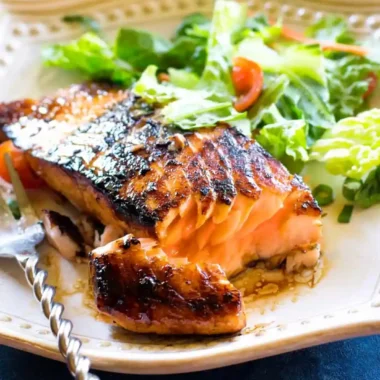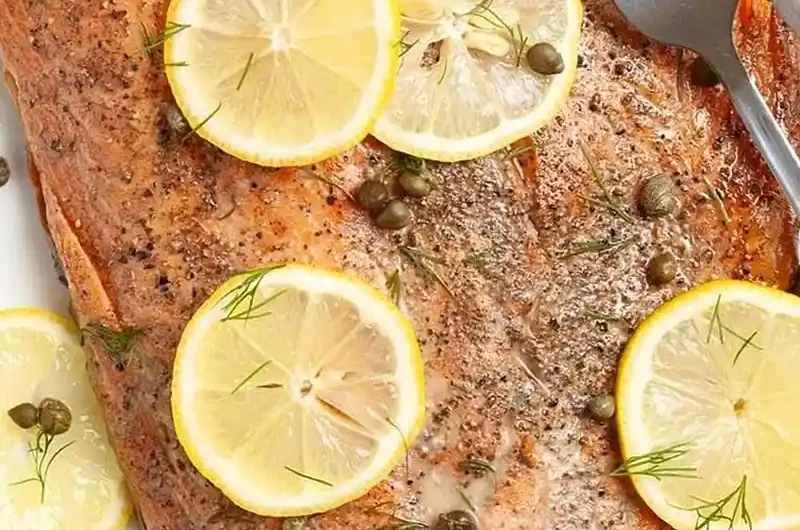
This method allows you to create professional-style smoked salmon without needing a dedicated outdoor smoker. It makes an elegant appetizer or a nutritious meal component with minimal preparation time.
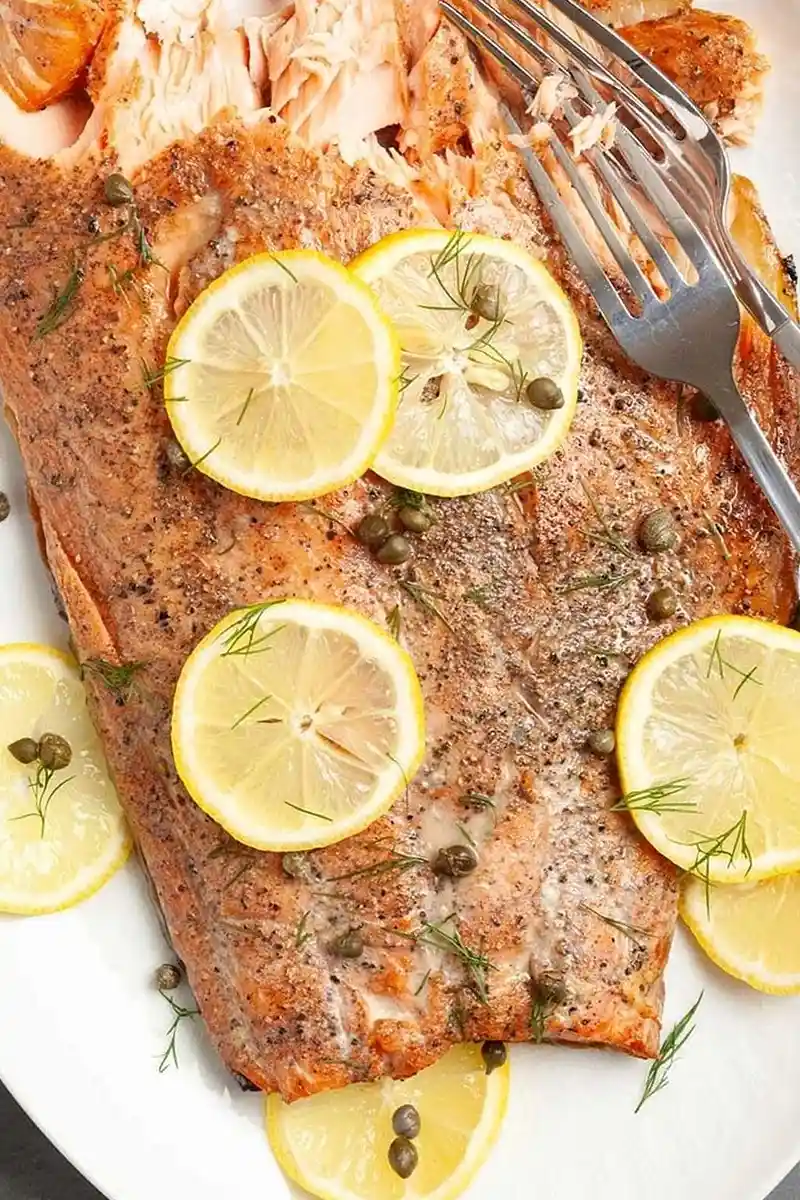
List of ingredients
- 1 salmon fillet (about 2 pounds) – skin-on fillets are recommended to maintain moisture.
- 2 tablespoons brown sugar – provides a deep, caramel-like sweetness for the cure.
- 2 teaspoons salt – essential for drawing out moisture and seasoning the fish.
- 1/2 teaspoon pepper – adds a subtle layer of spice to the rub.
- 1 to 2 tablespoons liquid smoke – provides the signature smoky flavor without a grill.
- Capers and lemon slices (optional) – used for garnishing and adding acidity to the final dish.
step-by-step instructions
- Marinate the fish: Place the salmon skin side down in an 11×7-inch baking pan that has been coated with cooking spray. Sprinkle the brown sugar, salt, and pepper evenly over the fillet, then drizzle with the liquid smoke. Cover the pan and refrigerate for four to eight hours.
- Bake the salmon: Drain the salmon and discard the accumulated liquid from the pan. Bake the fillet uncovered at 350°F until the fish flakes easily with a fork, which typically takes between 35 to 45 minutes.
- Chill and serve: Allow the salmon to cool to room temperature. Cover the fish and refrigerate it for 8 to 12 hours to set the texture. Serve with optional capers and lemon slices.
Optimizing Your Salmon Selection
Choosing High-Fat Salmon Varieties
King salmon, also known as Chinook, is the ideal choice for oven-smoking because it has the highest oil content. This natural fat prevents the fish from drying out during the baking process and results in a buttery texture. Coho and Sockeye are also viable, though Sockeye is leaner and requires closer monitoring to avoid overcooking.
Benefits of Using Skin-On Fillets
Keeping the skin on the salmon during the baking process acts as a protective barrier for the flesh. This helps the fillet retain its internal juices and prevents the bottom from sticking to the pan. If you use skinless fillets, reduce the baking time slightly to avoid a dry texture.
Sourcing Fresh vs Frozen Fillets
Fresh salmon is preferred for its texture, but high-quality vacuum-sealed frozen fillets work well for this recipe. If using frozen fish, ensure it is completely thawed in the refrigerator before applying the rub. Thawing at room temperature can compromise the texture and safety of the seafood.
Liquid Smoke Selection and Application
Identifying Pure Liquid Smoke
When purchasing liquid smoke, check the ingredient label for smoke or smoke flavor and water. Avoid brands that contain artificial dyes, chemical preservatives, or unnecessary additives. Pure liquid smoke is created by condensing actual smoke from burning hardwoods into a liquid form.
Adjusting Smoke Intensity
Using one tablespoon of liquid smoke provides a mild, subtle hint of wood-fire flavor. Increasing the amount to two tablespoons results in a bolder, more traditional smoked profile. Adjust the quantity based on your personal preference and the size of the fillet.
Even Distribution Techniques
To ensure consistent flavor, drizzle the liquid smoke in a zig-zag pattern across the entire surface of the fish. You can also use a pastry brush to spread the liquid evenly into the crevices of the fillet. This prevents some areas from being overly pungent while others remain bland.
Flavor Variations and Customizations
Adding Savory Spice Rubs
For a more complex flavor profile, rub a small amount of paprika or garlic powder onto the salmon before adding the sugar and salt. Paprika adds a rich color and earthy tone, while garlic powder provides a savory depth. These spices complement the smokiness without overpowering the natural taste of the fish.
Incorporating Dried Herb Blends
Dried dill or parsley can be mixed into the brown sugar rub to add a herbal quality. Dill is a classic pairing with smoked salmon and enhances the briny notes of the capers. Use a small amount, as dried herbs can become concentrated during the baking process.
Using Alternative Sweeteners
If you prefer a different sweetness, replace the brown sugar with honey or maple syrup. Maple syrup gives the salmon a distinct Canadian-style flavor and a glossy finish. Honey provides a lighter, floral sweetness that pairs well with lemon slices.
Serving Suggestions for Smoked Salmon
Classic Appetizer Platter Assembly
Arrange the chilled smoked salmon slices on a platter with a bowl of cream cheese and a variety of crackers. Include sliced cucumbers and red onions to provide a crisp contrast to the rich fish. This layout is ideal for gatherings and requires very little assembly.
Breakfast and Brunch Applications
Place slices of oven-smoked salmon on top of toasted sourdough with mashed avocado and a pinch of sea salt. Alternatively, fold pieces of the salmon into scrambled eggs just before they finish cooking. The heat from the eggs gently warms the salmon, releasing its smoky aroma.
Healthy Main Course Pairings
Serve the smoked salmon as a centerpiece alongside roasted root vegetables or a bed of quinoa. A side of steamed asparagus or sautéed spinach provides a nutritional balance to the omega-3 rich fish. Use a squeeze of fresh lemon over the vegetables to tie the meal together.
Storage and Preservation Guide
Refrigerator Storage Limits
Store the finished smoked salmon in an airtight container in the refrigerator for up to three days. Keeping it sealed prevents the fish from absorbing other odors in the fridge and stops the surface from drying out. Always keep it at a consistent cold temperature.
Managing Strong Odors
Because liquid smoke has a powerful scent, use glass containers rather than plastic for storage. Glass is non-porous and will not retain the smoky smell after the container is washed. This also prevents the smoke flavor from transferring to other stored foods.
Freezing and Thawing Guidelines
If you cannot consume the salmon within three days, vacuum seal it and store it in the freezer for up to two months. To thaw, move the salmon to the refrigerator 24 hours before you plan to eat it. Avoid thawing in the microwave, as this can create uneven hot spots and ruin the texture.
Technical Cooking Tips
Identifying Perfect Internal Doneness
The salmon is fully cooked when the internal temperature reaches 145°F. Use an instant-read thermometer inserted into the thickest part of the fillet to verify this. Overcooking the salmon beyond this point will result in a chalky texture and loss of moisture.
Performing the Flake Test
If you do not have a thermometer, use a fork to gently press down on the center of the fillet. The fish is done when the muscle fibers separate easily and flake away. If the center remains translucent or resists flaking, continue baking for another five minutes.
Choosing the Right Baking Pan
An 11×7-inch baking pan is recommended to keep the fillet compact and ensure the marinade stays in contact with the fish. Metal pans conduct heat more quickly, while glass or ceramic pans provide more even heat distribution. Ensure the pan is properly greased to avoid sticking.
The Importance of the Final Chill
Refrigerating the salmon for 8 to 12 hours after cooking is a critical step for the correct texture. This period allows the proteins to set and the flavors to meld, creating the firm yet tender consistency associated with smoked salmon. Skipping this step will result in a texture more like standard baked salmon.
Comparative Smoking Methods
Hot Smoking on a Grill
Hot smoking involves cooking fish at temperatures between 250°F and 350°F using wood chips. This method cooks the fish through while infusing it with smoke, similar to the oven method. However, it requires constant temperature monitoring and a dedicated smoker or grill setup.
Cold Smoking Principles
Cold smoking occurs at temperatures typically below 90°F, meaning the fish does not actually cook. This process results in a silky, translucent texture and is how traditional lox is produced. Because the heat is too low to kill bacteria, this method requires a specific curing process first.
Curing Requirements for Cold Smoke
Cold-smoked salmon must be cured with a heavy salt and sugar mixture for several hours or days before smoking. This removes moisture and creates an environment where bacteria cannot grow. The oven method replaces this intensive cure with a combination of a light rub and heat.
Frequently Asked Questions
Can I marinate the salmon for longer than eight hours?
Marinating for longer than eight hours may cause the salt to over-cure the fish, resulting in a texture that is too firm or salty. Stick to the 4-8 hour window for the best balance of flavor and consistency.
Why must I refrigerate the fish after baking?
The final refrigeration period stabilizes the fats and proteins in the salmon. This transforms the fish from a standard cooked fillet into a sliceable, smoked-style product that is easier to serve as an appetizer.
Can I use fresh lemon juice instead of slices?
Yes, you can drizzle fresh lemon juice over the salmon just before serving. This provides the same acidic brightness as the slices and helps cut through the richness of the smoky flavor.
Does the skin need to be removed before serving?
The skin is edible but is usually removed for presentation when serving as an appetizer. You can easily peel the skin off after the fish has been chilled in the refrigerator.
What can I use if I don’t have brown sugar?
White sugar can be used as a substitute, though the flavor will be less complex. For a deeper taste, you can use maple syrup or honey, though these will create a stickier glaze on the surface of the fish.
How do I prevent the salmon from sticking to the pan?
Ensure the pan is thoroughly coated with cooking spray or a thin layer of oil before adding the fish. Placing the salmon skin-side down also creates a natural barrier that reduces the risk of sticking.
Print
Easy Oven-Baked Smoked Salmon
- Total Time: 45 minutes
- Yield: 16 servings 1x
- Diet: General
Description
No grill mastery required here. Make this smoked salmon in the oven with a few ingredients and minimal prep time for sophisticated hors d’oeuvres or meals.
Ingredients
- 1 salmon fillet (about 2 pounds)
- 2 tablespoons brown sugar
- 2 teaspoons salt
- 1/2 teaspoon pepper
- 1 to 2 tablespoons liquid smoke
- Capers and lemon slices (optional)
Instructions
- Marinate: Place the salmon skin side down in an 11×7-inch baking pan coated with cooking spray. Sprinkle with brown sugar, salt and pepper. Drizzle with the liquid smoke. Cover and refrigerate the salmon for four to eight hours.
- Bake and Cool: Drain the salmon and discard the liquid. Bake uncovered at 350°F until the fish flakes easily with a fork, about 35 to 45 minutes. Cool the salmon to room temperature and then cover and refrigerate it for 8 to 12 hours. If desired, serve your smoked salmon with capers and lemon slices.
Notes
Salmon is fully cooked when it reaches 145° on the inside. Store in the fridge for up to three days.
- Prep Time: 10 minutes
- Cook Time: 35 minutes
- Category: Appetizers
- Method: Baking
- Cuisine: American
Nutrition
- Serving Size: 1.5 ounces
- Calories: 95 kcal
- Sugar: 2 g
- Sodium: 324 mg
- Fat: 5 g
- Saturated Fat: 1 g
- Unsaturated Fat: 4 g
- Trans Fat: 0 g
- Carbohydrates: 2 g
- Fiber: 0 g
- Protein: 10 g
- Cholesterol: 28 mg
Keywords: smoked salmon, oven baked salmon, appetizer, seafood, hors d’oeuvres