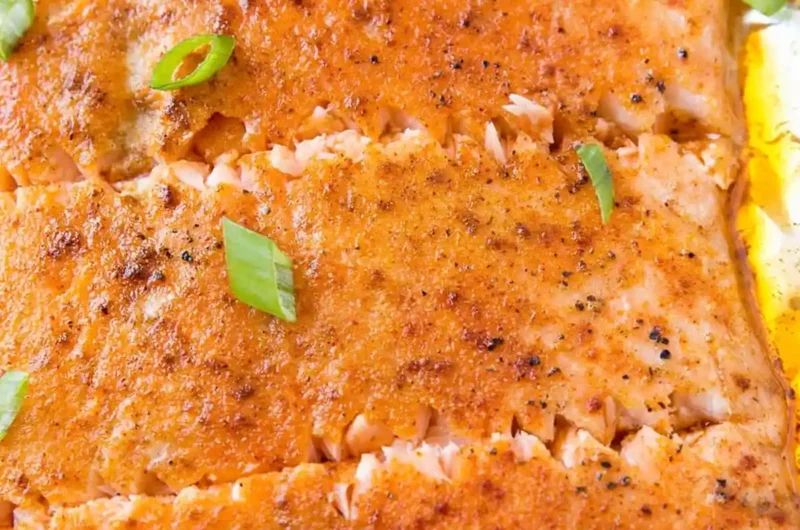
Grilling salmon in foil is an efficient way to prepare tender fish while ensuring minimal cleanup. This technique locks in natural juices and prevents the fillets from sticking to the grill grates.
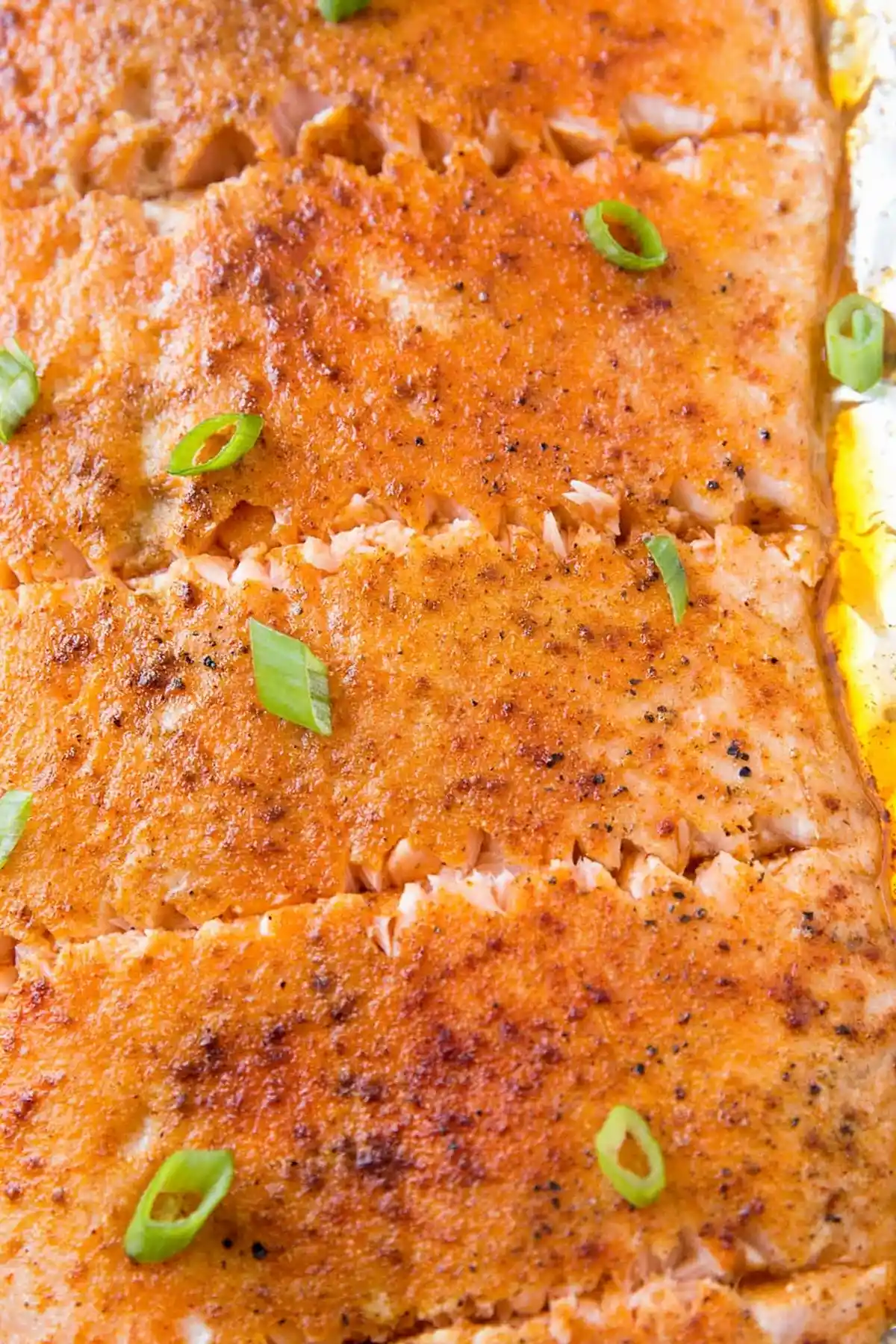
List of ingredients
- 1 pound salmon fillet (cut into smaller fillets) – ensure they are thawed completely.
- 1 tablespoon avocado oil – chosen for its high smoke point.
- 1 tablespoon Italian Seasoning – adds a classic herb flavor profile.
- 1/4 teaspoon sea salt – adjust to your taste preference.
- 1 large lemon (sliced into rounds) – provides acidity and moisture.
step-by-step instructions
- Prepare the Grill: Preheat your grill to medium-high heat. Use a wire brush to remove any leftover food particles from the grates.
- Season the Fish: Place the salmon fillets on a large sheet of foil. Drizzle with avocado oil and rub it evenly over the flesh. Sprinkle with Italian seasoning and sea salt, then place lemon slices on top and wrap the foil tightly to create a sealed packet.
- Grill the Salmon: Place the foil packet on the grill and close the lid. Cook for 10 to 15 minutes, depending on the thickness of the fillets and your desired doneness.
- Remove and Rest: Carefully lift the packet off the grill using tongs or a metal spatula. Set it on a plate and allow it to cool slightly before unwrapping.
- Serve: Plate the salmon immediately and serve alongside your preferred side dishes.
Guide to Selecting Salmon
Atlantic Salmon
Atlantic salmon is widely available and known for its mild flavor. It typically has a higher fat content, which makes the fillets very tender and forgiving during the grilling process.
King Salmon
King salmon, also known as Chinook, is the richest of all salmon varieties. It has a buttery texture and a deep flavor that holds up well under high heat.
Sockeye Salmon
Sockeye salmon offers a more intense, robust flavor and a deeper red color. It is leaner than King or Atlantic salmon, so it can overcook more quickly.
Coho Salmon
Coho salmon provides a balanced flavor profile that is less oily than King but richer than Sockeye. It is an excellent mid-range option for those who want a clean taste.
Temperature and Doneness Standards
Internal Temperature Goals
The FDA recommends cooking salmon to an internal temperature of 145 degrees Fahrenheit. This ensures the fish is safe to eat while maintaining a moist texture.
Using a Digital Thermometer
To get an accurate reading, insert a meat thermometer into the thickest part of the fillet. Avoid touching the foil or the grill grate with the probe to prevent false readings.
Identifying Visual Cues
Properly cooked salmon will change from translucent to an opaque pink. The flesh should flake easily when pressed with a fork.
The Role of Carry-over Cooking
Salmon continues to cook for a few minutes after being removed from the grill. Let the fish rest in the foil for about 5 to 10 minutes to allow the temperature to stabilize.
Seasoning and Flavor Modifications
Garlic and Onion Powder Blend
For a savory twist, replace Italian seasoning with a mix of garlic powder and onion powder. This creates a pungent, aromatic crust that complements the richness of the fish.
Smoked Paprika and Cumin
Mixing smoked paprika and ground cumin adds a woody, earthy depth to the salmon. This combination is ideal for those who prefer a bolder, barbecue-style flavor.
Lemon Pepper Seasoning
Using a pre-made lemon pepper rub increases the citrus notes of the dish. Combine this with a small amount of salt for a bright and zesty result.
Fresh Herb Alternatives
Fresh dill, parsley, or cilantro can be used instead of dried Italian seasoning. Place the fresh herbs under the lemon slices to infuse the fish with aromatic oils.
Honey Mustard Glaze
Whisk together honey and Dijon mustard to create a thick glaze. Brush this over the fillets before sealing the foil for a sweet and tangy finish.
Brown Sugar Rub
A small amount of brown sugar mixed with salt and paprika creates a caramelized exterior. This adds a subtle sweetness that balances the acidity of the lemon.
Foil Packet Best Practices
Choosing the Right Foil Gauge
Use heavy-duty aluminum foil to prevent the packet from tearing during handling. Thinner foil can rip easily, allowing steam to escape and drying out the fish.
Ensuring a Tight Seal
Fold the edges of the foil securely to create an airtight environment. This traps the steam, which effectively poaches the fish in its own juices and the lemon oil.
Managing Indirect Heat
If your grill has multiple burners, place the packets over medium heat rather than direct high heat. This prevents the bottom of the fish from scorching before the center is cooked.
Sizing the Foil Sheets
Use a sheet of foil large enough to wrap the fillets with ample room for folding. If you are cooking multiple fillets, individual packets are easier to manage and serve.
Recommended Side Dish Pairings
Fresh Leafy Salads
A light garden salad with a lemon vinaigrette complements the richness of the salmon. Use mixed greens, cucumber, and radish for added crunch.
Grilled Seasonal Vegetables
Zucchini, yellow squash, and asparagus can be grilled alongside the salmon. Toss them in olive oil and salt to mirror the flavors of the main dish.
Quinoa or Brown Rice
Whole grains provide a hearty base that absorbs the lemon butter juices from the foil packet. Cook them with a pinch of salt and a splash of olive oil.
Roasted Root Vegetables
Carrots or parsnips roasted with thyme provide a sweet contrast to the savory salmon. Roast them at 400 degrees Fahrenheit until tender and caramelized.
Cold Pasta Salads
A pasta salad with a creamy pesto or a tangy poppy seed dressing adds a refreshing element to the meal. Include cherry tomatoes and mozzarella pearls for variety.
Steamed Broccoli or Spinach
Quickly steamed greens provide a nutrient-dense side that doesn’t overpower the fish. Season them simply with salt and a squeeze of fresh lemon.
Storage and Reheating Instructions
Refrigeration Guidelines
Store leftover salmon in an airtight container in the refrigerator for up to three to four days. Ensure the fish is completely cooled before sealing the container.
Gentle Reheating Methods
To reheat, place the salmon in a low-temperature oven (around 275 degrees Fahrenheit) with a splash of water or butter. This prevents the fish from drying out.
Microwave Reheating Tips
If using a microwave, use a low power setting and heat in 30-second intervals. Cover the fish with a damp paper towel to maintain moisture.
Freezing Leftovers
Salmon can be frozen for up to two months if vacuum-sealed or wrapped tightly in foil and plastic wrap. Thaw it slowly in the refrigerator before reheating.
Troubleshooting Common Issues
Preventing Dry Salmon
If the fish is consistently too dry, reduce the grilling time by two minutes. Use a thermometer to ensure you are not exceeding the recommended internal temperature.
Stopping Fish from Sticking
Ensure the fillets are thoroughly coated in avocado oil before adding seasonings. This creates a barrier between the fish and the foil.
Fixing Uneven Cooking
Cut your salmon fillets into uniform sizes and thicknesses. This ensures that every piece reaches the target temperature at the same time.
Balancing Over-Seasoning
If the seasoning is too strong, squeeze extra fresh lemon juice over the cooked fillet. The acidity helps neutralize excess salt or heavy herbs.
Make-Ahead Advice
Prepping the Packets
You can prepare the foil packets several hours in advance and keep them refrigerated. This saves time during the actual grilling process.
Marinating the Fish
While this recipe uses a dry rub, you can marinate the salmon in oil and herbs for 30 minutes. Do not marinate with lemon juice for too long, as the acid can break down the fish texture.
Pre-Slicing Ingredients
Slice your lemons and measure your seasonings before you start the grill. Having a mise en place ensures the salmon is wrapped and cooking quickly.
Planning the Grill Sequence
Plan to cook the salmon last if you are grilling vegetables as well. Since it cooks quickly, it can rest while you finish other items.
Frequently Asked Questions
Can I use olive oil instead of avocado oil?
Yes, you can use olive oil, but be aware that it has a lower smoke point. For high-heat grilling, avocado oil is preferred to avoid a burnt taste.
Do I have to slice the lemon into rounds?
Slicing the lemon into rounds allows the juice to infuse the fish more evenly. However, lemon wedges or juice will also work if slices are unavailable.
Is it okay to use frozen salmon?
You can use frozen salmon, but it must be completely thawed first. Cooking frozen fillets in foil often leads to uneven cooking and excessive water release.
Can I use a different herb blend?
Absolutely. Herbs de Provence or a simple mix of dried parsley and oregano are excellent alternatives to standard Italian seasoning.
What if I don’t have a grill?
You can place these same foil packets on a baking sheet and bake them in an oven at 400 degrees Fahrenheit for 12 to 15 minutes.
Should I leave the skin on?
Leaving the skin on helps hold the fillet together during cooking. The foil prevents the skin from sticking, making it easy to remove after cooking.
Print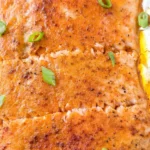
Foil-Packet Grilled Salmon
- Total Time: 20 minutes
- Yield: 2 servings 1x
- Diet: Healthy
Description
An easy tutorial on how to grill salmon in foil. A goof-proof delicious healthy recipe.
Ingredients
- 1 pound salmon fillet, cut into smaller fillets
- 1 tablespoon avocado oil
- 1 tablespoon Italian seasoning
- 1/4 teaspoon sea salt, to taste
- 1 large lemon, sliced into rounds
Instructions
- Step: Preheat your grill to medium-high and brush off any food particles from the last time you grilled using a wire brush.
- Step: Place the salmon fillets on one large sheet of foil (or multiple sheets of foil for easier grilling). Drizzle with avocado oil and use your hands to coat the flesh of the salmon in oil. Sprinkle with Herbs de Provence (or Italian seasoning), and sea salt. Place lemon slices on top of the salmon fillets and wrap in foil to create a foil packet.
- Step: Place foil packet on the grill and cover the grill. Cook for 10 to 15 minutes, or until salmon is cooked through (or reaches desired done-ness). Cook times will vary depending on the thickness of the salmon.
- Step: Use tongs or a metal spatula to remove foil packet from the grill and set it on a plate or cutting board. Allow it to cool enough to handle, then unwrap the foil.
- Step: Serve salmon with choice of side dishes.
Notes
You can also use Herbs de Provence or any combination of dried herbs. Garlic powder, onion powder, ground cumin, and paprika are also delicious options!
- Prep Time: 10 minutes
- Cook Time: 10 minutes
- Category: Main Dishes
- Method: Grilling
- Cuisine: American
Nutrition
- Serving Size: 1 fillet
- Calories: 262 kcal
- Sugar: 1 g
- Sodium: 350 mg
- Fat: 9 g
- Saturated Fat: 2 g
- Unsaturated Fat: 7 g
- Trans Fat: 0 g
- Carbohydrates: 4 g
- Fiber: 1 g
- Protein: 42 g
- Cholesterol: 70 mg
Keywords: grilled salmon, salmon in foil, foil packet salmon, healthy seafood, easy grilling