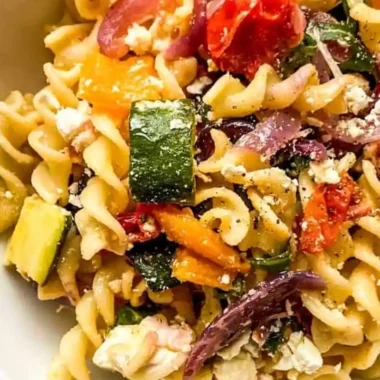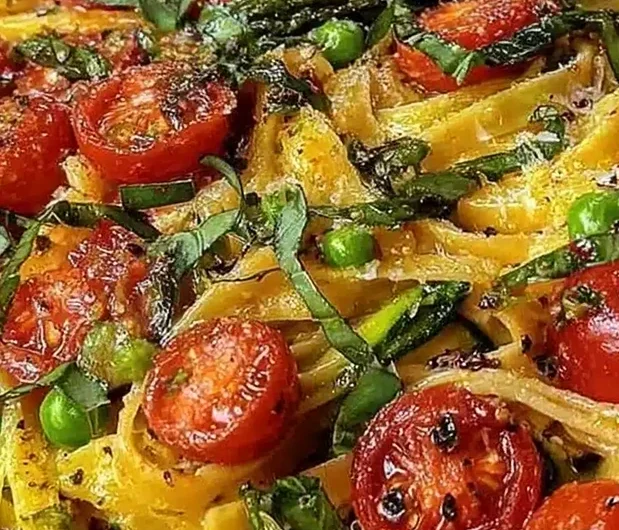
This vibrant pasta dish combines fresh seasonal vegetables with a rich garlic butter sauce for a wholesome meal. It is a fast, one-pan solution perfect for busy weeknights when you need a nutritious dinner.
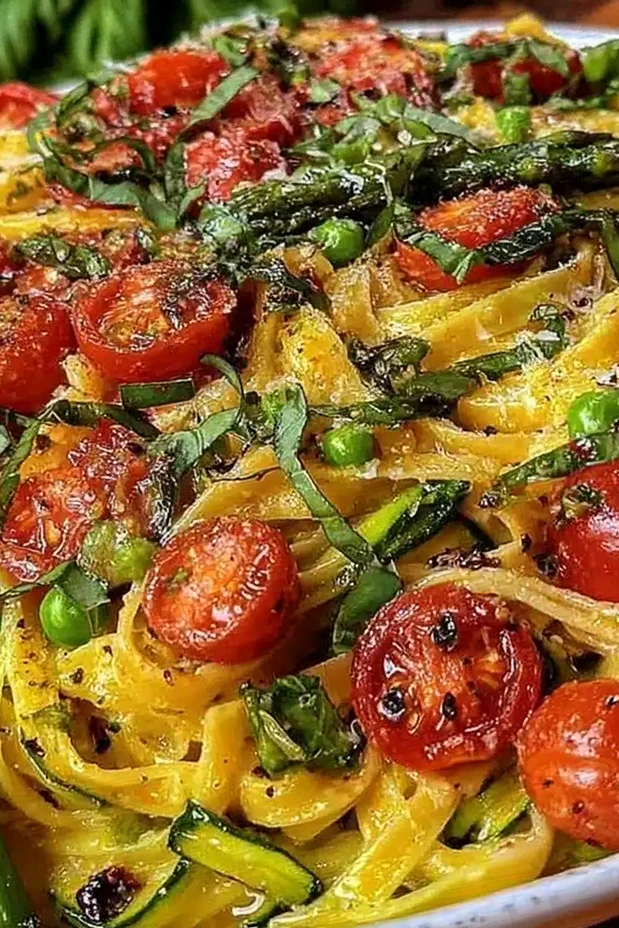
List of ingredients
- 8 oz (225 g) pasta – linguine, fettuccine, spaghetti, or penne all work well.
- 4 tbsp unsalted butter – provides a creamy, rich base for the sauce.
- 4 cloves fresh garlic, minced – essential for a pungent, aromatic flavor.
- 1 cup cherry tomatoes, halved – adds a juicy, sweet acidity.
- 1 medium zucchini, sliced into half-moons – adds freshness and a mild taste.
- 1 red bell pepper, thinly sliced – provides crunch and vibrant color.
- 1 cup snap peas, trimmed – gives a crisp, sweet bite.
- 1/4 cup fresh basil leaves, torn – optional for a fragrant herbal finish.
- 1/4 tsp red pepper flakes – adds a subtle heat to balance the richness.
- Salt and freshly ground black pepper – use to season each layer of the dish.
- 1 tbsp lemon juice – brightens the flavors at the end.
- Grated Parmesan cheese – optional; ensure it uses microbial rennet for a clean choice.
step-by-step instructions
- Boil the pasta: Bring a large pot of salted water to a boil. Add the pasta and cook according to package instructions until al dente. Reserve 1/2 cup (120 ml) of the starchy pasta water before draining.
- Prepare the produce: While the pasta is cooking, slice the zucchini into half-moons, halve the cherry tomatoes, thinly slice the red bell pepper, and trim the snap peas. Set these aside for quick addition to the pan.
- Sauté the garlic: Melt 4 tbsp of unsalted butter in a large skillet over medium heat. Add the minced garlic and sauté gently for 1-2 minutes until fragrant, taking care not to brown it.
- Cook the hard vegetables: Add the zucchini, sliced bell pepper, and snap peas to the skillet. Cook for 4-5 minutes, stirring frequently, until they are tender but still retain a slight crispness.
- Add the tomatoes: Stir in the halved cherry tomatoes and red pepper flakes. Continue cooking for another 2 minutes until the tomatoes just begin to soften.
- Combine pasta and sauce: Drain the pasta and add it directly into the skillet with the vegetables. Toss everything together, adding the reserved pasta water one tablespoon at a time to emulsify the sauce.
- Season and brighten: Add salt and freshly ground black pepper to taste. Squeeze in 1 tbsp of lemon juice and toss again to lift the heavy butter flavors.
- Final touch: Remove the pan from heat and stir in the torn fresh basil leaves. Sprinkle with grated Parmesan cheese if desired and serve immediately.
Essential Pasta Cooking Techniques
Achieving the Perfect Al Dente Texture
Cooking pasta al dente, which means “to the tooth,” ensures the noodles maintain a firm bite. This prevents the pasta from becoming mushy when it is later tossed in the skillet with the sauce. Test the pasta a minute before the package instructions suggest to find the ideal resistance.
Properly Salting the Pasta Water
Salt should be added to the boiling water in generous amounts to season the pasta from the inside out. Since the noodles absorb the water, this is the only opportunity to infuse the actual pasta with salt. Avoid adding oil to the water, as it can prevent the sauce from adhering to the noodles.
Using Reserved Pasta Water for Emulsification
The starchy water left over from boiling pasta acts as a natural binder. When added to the butter and lemon juice, it creates a silky emulsion that clings to each strand of pasta. This prevents the sauce from pooling at the bottom of the plate and ensures a consistent flavor in every bite.
Preventing Pasta Overcooking
Overcooking pasta leads to a loss of structure and a gummy texture. To avoid this, always drain the pasta slightly before it is fully done, as it will continue to cook for a minute in the warm skillet. This technique maintains the integrity of the noodles throughout the final mixing process.
Vegetable Preparation and Selection
Slicing Zucchini for Uniform Cooking
Cutting zucchini into half-moons ensures that the pieces are consistent in size and thickness. This allows all the pieces to cook at the same rate, preventing some from being mushy while others remain raw. Aim for a thickness of about a quarter inch for the best results.
Preparing Bell Peppers for Maximum Crunch
Thinly slicing red bell peppers allows them to soften quickly without losing their signature crunch. Remove the seeds and white ribs entirely, as these can be bitter. Slicing them into thin strips helps them distribute evenly throughout the pasta.
Trimming Snap Peas Properly
Remove the tough string from the side of the snap peas by snapping off the stem end and pulling the fiber down the length of the pod. This ensures that every bite is tender. Keep the pods whole to maintain a pop of color and a satisfying snap when eaten.
Selecting the Best Cherry Tomatoes
Choose cherry tomatoes that are firm and bright red for a balance of sweetness and acidity. Halving them allows the juices to release into the butter sauce, creating a light, natural glaze. Avoid overly soft tomatoes that might disintegrate during the short cooking process.
Customizing Your Pasta Primavera
Adding Lean Protein Options
For a more filling meal, you can add grilled chicken breast or sautéed shrimp. Cook the protein in the skillet first, remove it, and then add it back during the final tossing stage. For a plant-based protein, crispy tofu cubes provide a great texture contrast.
Adapting for Seasonal Vegetables
In the spring, replace snap peas with fresh asparagus tips or frozen peas. During the autumn, roasted butternut squash or diced carrots can add a deeper, earthier flavor. This recipe is designed to be flexible based on what is fresh at your local market.
Making a Dairy-Free Version
Replace the unsalted butter with a high-quality extra virgin olive oil to make the dish dairy-free. Omit the Parmesan cheese or substitute it with nutritional yeast for a similar savory, nutty flavor. This adaptation keeps the dish light and accessible for those avoiding dairy.
Adjusting the Heat Level
If you prefer a spicier dish, increase the red pepper flakes to a half teaspoon or add a pinch of cayenne pepper. For those sensitive to heat, you can omit the flakes entirely. The lemon juice will still provide a bright contrast without the spicy kick.
Serving and Pairing Ideas
Best Side Dish Pairings
A crisp green salad with a light vinaigrette balances the richness of the garlic butter sauce. Garlic bread or a toasted baguette is also a great addition for soaking up any remaining sauce on the plate. A simple plate of sliced cucumbers and radishes adds a refreshing cooling element.
Suggested Beverage Pairings
Sparkling water with a squeeze of fresh lemon or a lime wedge complements the acidity of the pasta. For a more formal meal, a chilled white wine with citrus notes pairs well with the buttery vegetables. Unsweetened iced tea with mint is another refreshing option.
Creative Garnish Options
Beyond fresh basil, you can garnish the dish with toasted pine nuts or slivered almonds for added crunch. A sprinkle of lemon zest over the top provides an intense aromatic boost. Fresh parsley is another excellent herb choice for a clean, green finish.
Storage and Reheating Guide
Refrigerator Storage Methods
Store leftover pasta in an airtight container in the refrigerator for up to two days. To prevent the pasta from sticking together, you can toss it with a tiny bit of olive oil before storing. Ensure the container is completely sealed to keep the vegetables from drying out.
Suitability for Freezing
This dish is not recommended for freezing because the fresh vegetables will lose their structure and become mushy upon thawing. The butter sauce may also separate, requiring significant effort to re-emulsify. It is best enjoyed fresh or within a few days of preparation.
Stove-top Reheating Instructions
The best way to reheat this pasta is in a skillet over low to medium heat. Add a splash of water or vegetable broth to the pan to loosen the sauce and restore the creamy texture. Stir gently to avoid breaking the vegetables or overcooking the noodles.
Microwave Reheating Tips
If using a microwave, place the pasta in a microwave-safe dish and cover it with a damp paper towel. Heat in short 30-second intervals, stirring in between, to ensure even warming. Be careful not to overheat, as this can make the zucchini and snap peas overly soft.
Troubleshooting Common Issues
Handling Burnt Garlic
If the garlic turns dark brown or black, it will taste bitter and ruin the sauce. If this happens, it is best to discard the butter and start over with fresh garlic. To prevent this, keep the heat moderate and stir constantly during the sauté process.
Preventing Mushy Vegetables
Vegetables become mushy when they are cooked for too long or crowded in the pan. Sauté them over medium-high heat and remove them from the stove as soon as they are tender-crisp. If cooking a double batch, sauté the vegetables in two separate turns.
Fixing a Dry Pasta Sauce
If the pasta seems dry after tossing, it is usually because not enough pasta water was added. Stir in an additional tablespoon of reserved water or a small knob of butter. This will instantly restore the glossy, cohesive texture of the garlic butter sauce.
Frequently Asked Questions
Can I use other types of pasta for this recipe?
Yes, you can use any short or long pasta. Linguine and fettuccine are traditional, but penne or fusilli are excellent for capturing the smaller pieces of vegetables in their ridges.
How do I keep the vegetables crisp and colorful?
The key is high heat and short cooking times. Avoid simmering the vegetables; instead, sauté them quickly and remove them from the heat the moment they reach a tender-crisp state.
Is there a vegan version of this pasta primavera?
Yes, substitute the butter with olive oil or a plant-based butter alternative. Skip the Parmesan cheese or use a vegan cheese substitute made from nuts or coconut oil.
Can I prepare this dish ahead of time?
You can chop the vegetables and mince the garlic in advance and store them in the fridge. However, the actual cooking and combining should happen just before serving to maintain the texture.
What can I serve alongside this dish?
A fresh garden salad, garlic-rubbed crostini, or a light fruit sorbet for dessert are all excellent pairings. These options complement the fresh, buttery profile of the pasta without overwhelming it.
Print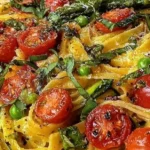
Fresh Garlic Butter Pasta Primavera
- Total Time: 25 minutes
- Yield: 4 servings 1x
- Diet: Vegetarian
Description
A quick and comforting pasta dish featuring fresh garlic, butter, and vibrant vegetables tossed together for a flavorful and colorful meal perfect for weeknights.
Ingredients
- 8 oz (225 g) pasta (linguine, fettuccine, spaghetti, or penne)
- 4 tbsp unsalted butter
- 4 cloves fresh garlic, minced
- 1 cup cherry tomatoes, halved
- 1 medium zucchini, sliced into half-moons
- 1 red bell pepper, thinly sliced
- 1 cup snap peas, trimmed
- 1/4 cup fresh basil leaves, torn (optional)
- 1/4 tsp red pepper flakes
- Salt and freshly ground black pepper, to taste
- 1 tbsp lemon juice
- Grated Parmesan cheese (optional)
Instructions
- Step 1: Bring a large pot of salted water to a boil. Add 8 oz (225 g) of your chosen pasta and cook according to package instructions until al dente (usually 8-10 minutes). Reserve 1/2 cup (120 ml) of pasta water before draining.
- Step 2: While the pasta cooks, prepare the vegetables: slice 1 medium zucchini into half-moons, halve 1 cup cherry tomatoes, thinly slice 1 red bell pepper, and trim 1 cup snap peas. Set aside.
- Step 3: In a large skillet, melt 4 tbsp unsalted butter over medium heat. Add 4 cloves minced fresh garlic and sauté gently for 1-2 minutes until fragrant but not browned.
- Step 4: Add the zucchini, bell pepper, and snap peas to the skillet. Cook for about 4-5 minutes, stirring frequently, until the vegetables are tender but still crisp.
- Step 5: Stir in the cherry tomatoes and 1/4 tsp red pepper flakes. Cook for another 2 minutes until tomatoes soften slightly.
- Step 6: Drain the pasta and add it directly to the skillet with the vegetables. Toss everything together, adding reserved pasta water a tablespoon at a time to loosen the sauce and help it cling to the pasta.
- Step 7: Season with salt and freshly ground black pepper to taste. Squeeze in 1 tbsp lemon juice and toss again to brighten the flavors.
- Step 8: Remove from heat and stir in 1/4 cup torn fresh basil leaves. If using, sprinkle grated Parmesan cheese on top before serving.
- Step 9: Serve immediately while warm.
Notes
Keep an eye on the garlic while sautéing to avoid burning. Reserve pasta water to create a silky sauce texture. Use fresh garlic for best flavor. For a dairy-free version, substitute butter with olive oil and omit Parmesan or use vegan cheese. To keep vegetables crisp, cook over medium to medium-high heat and avoid overcooking.
- Prep Time: 10 minutes
- Cook Time: 15 minutes
- Category: Main Course
- Method: Stovetop
- Cuisine: Italian
Nutrition
- Serving Size: 1 serving
- Calories: 425 kcal
- Sugar: 7 g
- Sodium: 250 mg
- Fat: 18 g
- Saturated Fat: 11 g
- Unsaturated Fat: 7 g
- Trans Fat: 0 g
- Carbohydrates: 50 g
- Fiber: 5 g
- Protein: 10 g
- Cholesterol: 30 mg
Keywords: pasta primavera, garlic butter pasta, easy pasta recipe, vegetarian pasta, quick dinner, vibrant vegetables, weeknight meal