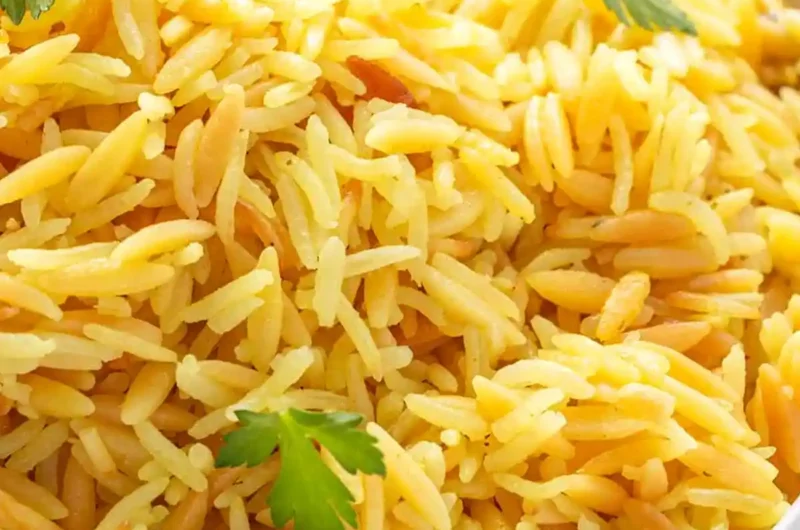
This aromatic side dish combines toasted orzo pasta and fluffy basmati rice for a sophisticated texture and rich flavor. It is a versatile accompaniment that pairs perfectly with roasted meats, grilled fish, or as a standalone light meal.
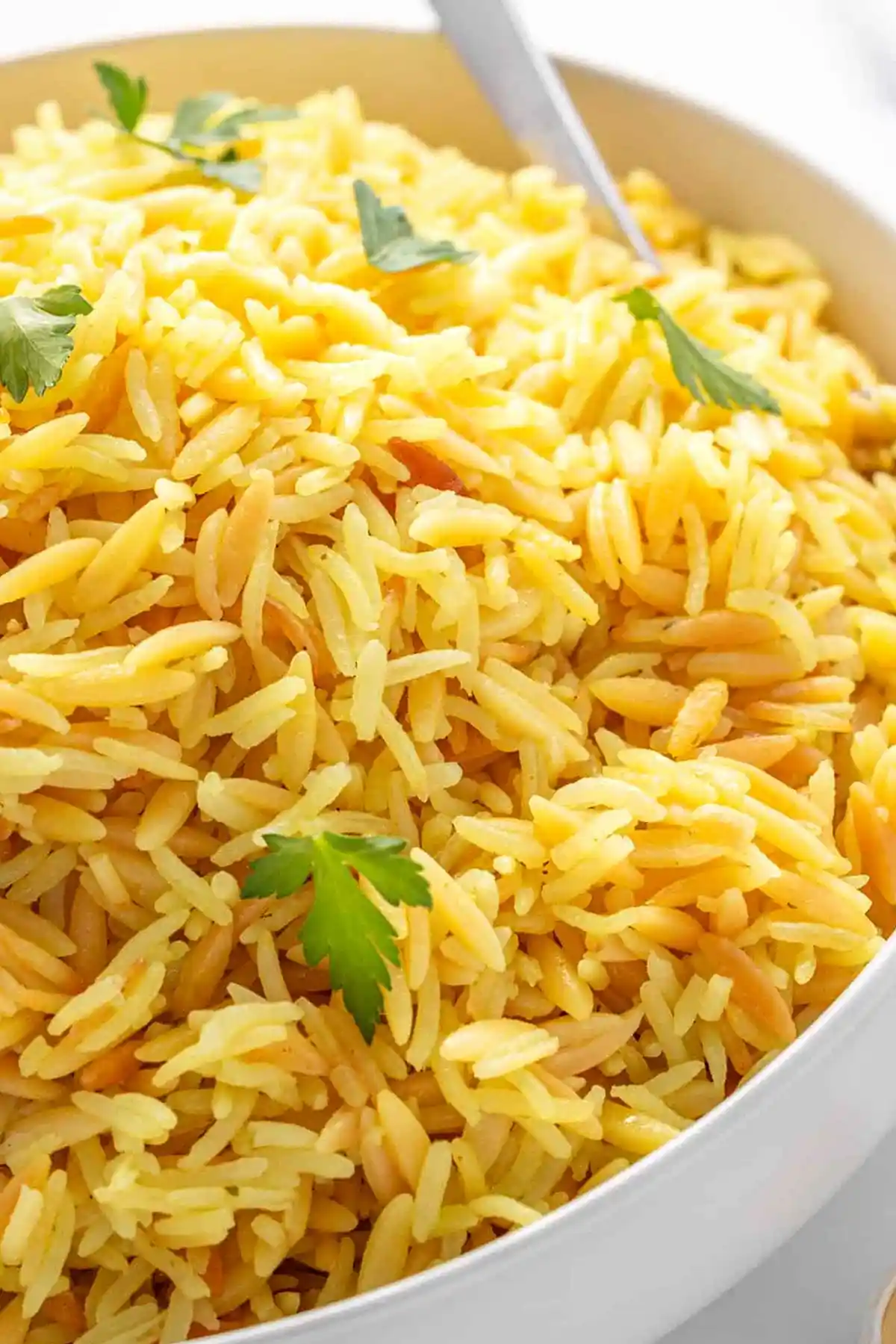
List of ingredients
- 1 cup Orzo Pasta (dried) – provides a rice-like shape and chewy texture.
- 1 cup Basmati Rice – adds a long-grain, fluffy contrast.
- 2 3/4 cups Chicken Broth – used as the primary flavorful cooking liquid.
- 1/2 Yellow Onion (finely diced) – adds essential aromatic sweetness.
- 2 Garlic Cloves (minced) – provides a pungent, savory depth.
- 1 tablespoon Unsalted Butter – used for toasting the grains and adding richness.
- 1 tablespoon Extra Virgin Olive Oil – prevents the butter from burning during toasting.
- Salt to Taste – used to balance the final flavor.
- Fresh Parsley (for garnish) – adds a bright, fresh herb finish.
step-by-step instructions
- Toast the Orzo: Place butter, olive oil, and dried orzo in a medium skillet with a lid over medium-low heat. Stir frequently for three to five minutes until the orzo smells nutty and turns golden brown.
- Sauté the Aromatics: Stir the finely diced onion into the toasted orzo. Cook for about five minutes until the onions become translucent and begin to soften.
- Add Garlic: Stir in the minced garlic and cook for only 30 seconds until fragrant to avoid burning.
- Simmer the Grains: Stir in the basmati rice and chicken broth. Increase the heat until the liquid reaches a simmer.
- Cook Covered: Reduce the heat to low and cover the pan with a lid. Let the mixture cook undisturbed for 20 to 25 minutes.
- Rest the Pilaf: Remove the skillet from the heat. Keep the lid on and let the grains sit for 5 minutes to finish steaming.
- Final Touch: Remove the lid and fluff the mixture gently with a fork. Season with salt to taste and garnish with fresh parsley.
Grain Selection and Substitutions
Why Basmati Rice is the Preferred Choice
Basmati rice is ideal for pilafs because of its long, slender grains and distinct nutty aroma. Unlike short-grain varieties, basmati remains separate and fluffy after cooking. This ensures the pilaf does not become gummy when mixed with the pasta.
Using Jasmine Rice as an Alternative
Jasmine rice is a great substitute if basmati is unavailable. It offers a slightly sweeter, floral scent and a softer texture. Be aware that jasmine rice is naturally stickier, so avoid overstirring the pilaf during the simmering stage.
Adapting the Recipe for Brown Rice
Brown rice can be used for a nuttier flavor and higher fiber content. However, it requires more liquid and a longer cooking time than white rice. You will likely need to increase the broth amount by a quarter cup and extend the simmer time by 15 to 20 minutes.
The Role of Orzo Pasta
Orzo is a small pasta made from semolina flour that resembles a large grain of rice. It adds a delightful chewiness that contrasts with the softness of the rice. Toasting the orzo first is crucial to prevent it from absorbing too much liquid and becoming mushy.
Liquid and Flavor Enhancements
Utilizing Vegetable Broth for Plant-Based Needs
Vegetable broth is an excellent replacement for chicken broth to make the dish suitable for different diets. Use a high-quality low-sodium vegetable stock to keep the flavors clean. This maintains the savory profile while shifting the base flavor to a garden-fresh taste.
Boosting Flavor with Chicken Bullion
For a more concentrated savory taste, you can use chicken bullion cubes. Dissolve two and a half cubes in 2 3/4 cups of boiling water before adding it to the pan. This method often provides a deeper saltiness and richness than standard boxed broth.
Adding Brightness with Citrus
A squeeze of fresh lemon juice stirred in at the very end can transform the dish. The acidity cuts through the richness of the butter and olive oil. This brightness enhances the flavor of the fresh parsley garnish.
Incorporating Beef Broth for Hearty Pairings
If serving this pilaf alongside a steak or roast beef, consider using beef broth. This creates a darker, more robust flavor profile that complements red meats. Ensure you adjust the salt levels, as beef broths can vary significantly in sodium content.
Professional Cooking Techniques
The Science of Toasting Grains
Toasting the orzo in fat creates a Maillard reaction, which produces a complex, nutty flavor. This process also creates a protective barrier on the starch granules. As a result, the grains hold their shape better and resist clumping during the simmering process.
Managing Heat for Aromatics
Sautéing onions on medium-low heat allows them to soften and release sugars without browning. This creates a subtle sweetness that blends into the background of the dish. High heat would caramelize them too quickly, altering the intended flavor profile.
Preventing Garlic Bitterness
Garlic contains volatile oils that burn quickly at high temperatures. Adding it only 30 seconds before the liquid is poured in ensures it releases its aroma without turning bitter. Always stir constantly during this brief window to ensure even heating.
The Importance of the Resting Phase
Letting the pilaf sit covered for five minutes after cooking allows the remaining steam to distribute evenly. This step helps the grains at the bottom of the pan release easily. It also ensures the moisture level is balanced across the entire batch.
Custom Variations and Add-ins
Adding Texture with Toasted Nuts
Toasted pine nuts or slivered almonds add a satisfying crunch to the soft grains. Stir them in just before serving to maintain their crispness. This addition complements the nutty flavor of the toasted orzo perfectly.
Creating a Cheesy Umami Profile
Freshly grated Parmesan cheese can be folded into the pilaf after the resting period. The salty, sharp flavor of the cheese adds an umami depth that elevates the dish. Use a fine grate to ensure the cheese melts evenly into the grains.
Folding in Garden Vegetables
Small diced carrots or frozen peas can be added along with the rice. Sauté the carrots with the onions for a few minutes before adding the garlic. For peas, stir them in during the last five minutes of steaming for a pop of color.
Turning the Side into a Main Course
This pilaf can be converted into a full meal by adding protein. Topped with grilled salmon fillets, sliced chicken breast, or sautéed shrimp, it becomes a balanced dish. The grains absorb the juices from the protein, creating a cohesive meal.
Storage and Reheating Guide
Proper Refrigeration Methods
Store leftover pilaf in an airtight container to prevent it from drying out. It will remain fresh and flavorful in the refrigerator for up to four days. Ensure the pilaf is cooled slightly before sealing to prevent excess condensation.
Freezing for Long-Term Use
This recipe freezes exceptionally well and can last for one to two months. Use freezer-safe containers or heavy-duty Ziploc bags for storage. Squeeze out as much air as possible to prevent freezer burn on the grains.
Optimal Reheating Techniques
When reheating in the microwave, add a tablespoon of water or broth to the portion. Cover the dish partially to trap steam, which re-hydrates the grains. Heat in one-minute intervals, stirring in between for an even temperature.
Meal Prep Strategy for Work Days
Divide the pilaf into individual 1/2 cup portions in microwave-safe bags. This allows for quick grab-and-go sides for lunches throughout the week. These portions reheat quickly and maintain their texture better than reheating a large batch.
Troubleshooting Common Issues
How to Fix Overcooked or Mushy Grains
Mushiness usually happens from using too much liquid or stirring too often during the simmer. If the pilaf is too wet, cook it uncovered over low heat for a few extra minutes. This helps evaporate excess moisture without overcooking the grains.
Addressing Undercooked or Hard Grains
If the grains are still firm after the cooking time, add two to three tablespoons of hot broth. Put the lid back on and simmer on low for another five minutes. The added steam will finish the cooking process without burning the bottom.
Preventing the Bottom from Burning
Burning often occurs in thin-bottomed pans where heat is concentrated. Use a heavy-bottomed skillet or a cast-iron pan for more even heat distribution. Always ensure the heat is strictly on low once the lid is closed.
Reducing Grain Stickiness
Stickiness is often caused by excess surface starch on the rice. Rinsing the basmati rice under cold water until the water runs clear can prevent this. Additionally, avoid lifting the lid during the 20-25 minute cooking window.
Frequently Asked Questions
Can I make this recipe in a rice cooker?
Yes, you can, but the toasting step must be done separately. Toast the orzo and sauté the aromatics in a pan first, then transfer everything to the rice cooker with the broth. Use the standard white rice setting for the best results.
Do I need to rinse the basmati rice?
Rinsing is highly recommended to remove excess starch. This step ensures that the grains remain separate and fluffy rather than clumping together. Rinse the rice in a fine-mesh strainer until the water is no longer cloudy.
Which type of skillet is best for this dish?
A medium skillet with a tight-fitting lid is essential for trapping steam. A heavy-bottomed non-stick or stainless steel pan is preferred to prevent the orzo from sticking. If your pan doesn’t have a lid, you can use a tight-fitting aluminum foil cover.
Can I use salted butter instead of unsalted?
You can use salted butter, but you must be careful with additional seasoning. Since the chicken broth and salted butter both contain sodium, taste the dish before adding any extra salt. You may find that no additional salt is needed at the end.
Print
Garlic and Herb Orzo Rice Pilaf
- Total Time: 40 minutes
- Yield: 6 servings 1x
- Diet: General
Description
This easy Orzo Rice Pilaf recipe is a perfect blend of tender orzo and aromatic basmati rice infused with garlic and onions and finally garnished with fresh herbs to create a simple but elegant side dish.
Ingredients
- 1 cup Orzo Pasta (dried)
- 1 cup Basmati Rice
- 2 3/4 cups Chicken Broth
- 1/2 Yellow Onion (finely diced)
- 2 Garlic Cloves (minced)
- 1 tablespoon Unsalted Butter
- 1 tablespoon Extra Virgin Olive Oil
- Salt to Taste
- Fresh Parsley (for garnish)
Instructions
- Step 1: First, add the butter, olive oil, and orzo in a medium skillet with a lid and heat over medium-low heat.
- Step 2: Stir frequently for three to five minutes until the orzo smells nutty and starts to turn golden brown.
- Step 3: Next, add the chopped onion to the toasted orzo and cook for about 5 minutes until the onions become translucent and begin to soften.
- Step 4: Then, add the chopped garlic and stir frequently for 30 seconds until fragrant.
- Step 5: Then, add the rice and chicken broth and turn the heat up until it comes to a simmer.
- Step 6: Turn the heat down to low, cover the pan with a lid, and let the orzo rice cook covered for 20-25 minutes.
- Step 7: Remove the pan from the heat after 20-25 minutes and set the orzo rice aside to cool (while still covered) for 5 minutes.
- Step 8: Take the lid off of the pan and fluff with a fork.
- Step 9: Add salt to taste and garnish the cooked rice with fresh parsley if desired.
Notes
Basmati rice provides a fluffy texture, but jasmine rice is an excellent substitute. This dish can be stored in the refrigerator for up to four days or frozen for 1-2 months in an airtight container.
- Prep Time: 5 minutes
- Cook Time: 35 minutes
- Category: Sides
- Method: Stovetop
- Cuisine: Italian
Nutrition
- Serving Size: 1 serving
- Calories: 327 kcal
- Sugar: 1.3 g
- Sodium: 1156 mg
- Fat: 22.5 g
- Saturated Fat: 8.2 g
- Unsaturated Fat: 14.3 g
- Trans Fat: 0 g
- Carbohydrates: 28.2 g
- Fiber: 1.3 g
- Protein: 4.9 g
- Cholesterol: 27 mg
Keywords: orzo rice pilaf, garlic and herbs, side dish, Italian cuisine, basmati rice