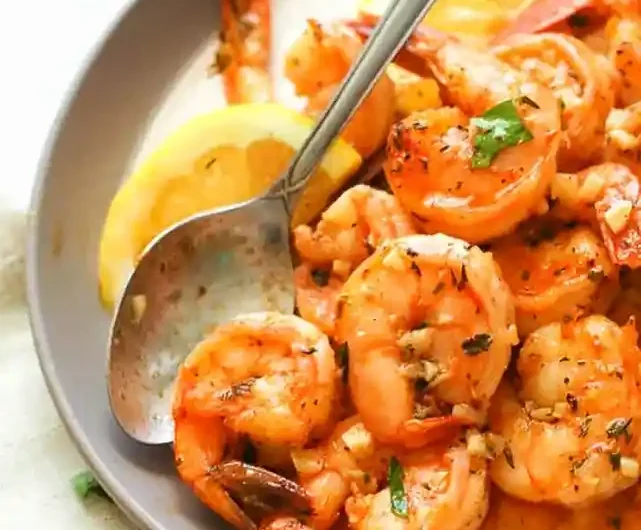
Garlic butter shrimp is the ultimate quick-fix dinner, delivering restaurant-quality flavor in just fifteen minutes. By pairing succulent, perfectly seared shrimp with a vibrant, herb-infused butter sauce, you create a versatile main dish that pairs beautifully with grains, pastas, or roasted vegetables. This dish relies on pantry staples to transform humble ingredients into a sophisticated meal that works equally well for a quiet weeknight dinner or an impressive quick-serve guest menu.
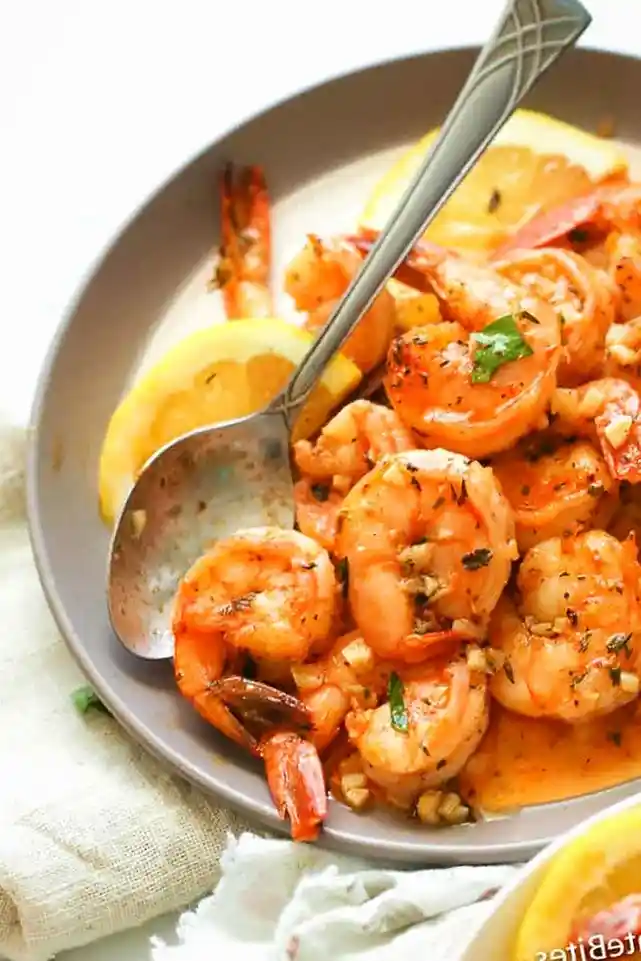
List of ingredients
- 1 pound (453.59g) large shrimp, peeled and deveined
- 1 teaspoon (4g) Creole seasoning
- 4 tablespoons (56g) unsalted butter
- 1 tablespoon (8g) minced garlic
- ½ teaspoon (1g) paprika
- 1 teaspoon (0.80g) fresh thyme
- 1 teaspoon (0.80g) fresh oregano
- Juice of ½ lemon or more to taste
- ½ cup (120ml) chicken stock
- 2 tablespoons (8g) chopped parsley
- Salt and pepper to taste
step-by-step instructions
- Season: Lightly season shrimp with salt and Creole seasoning.
- Sauté: Heat butter over medium heat in a medium skillet. Add the shrimp and sauté for about 3-5 minutes per side.
- Aromatize: Throw in minced garlic, stir for about a minute or until fragrant.
- Simmer: Add paprika, thyme, oregano, lemon juice, and chicken stock. Bring to a boil then simmer for about 2-3 minutes.
- Finish: Add parsley and adjust for salt and pepper. Serve over pasta, rice, or vegetables.
Practical Cooking Advice
Ensuring Even Searing
To get the best texture, always ensure your shrimp are spread out in a single layer in the skillet. If you crowd the pan, the temperature drops rapidly, causing the shrimp to release excess water and boil in the pan instead of searing. Working in two smaller batches is a highly effective way to maintain high heat and achieve that desirable golden-brown surface that locks in juices.
Selecting the Right Shrimp
Whether you choose fresh or frozen, the key is size uniformity. Large shrimp cook at a very predictable rate, whereas mixing sizes leads to overcooked smaller pieces and undercooked larger ones. When using frozen shrimp, place them in a colander under cold running water for ten minutes to ensure they are fully thawed and drained before they touch the hot skillet.
Substitutions and Variations
Flavor Adjustments
If you prefer a milder profile than Creole seasoning, feel free to use a blend of dried herbs like Italian seasoning or just a simple mixture of garlic powder, onion powder, and crushed red pepper flakes. You can also intensify the heat by adding a pinch of cayenne pepper or a teaspoon of hot sauce during the simmering stage to give the dish a significant kick that stands up well against the rich butter.
Liquid Base Alternatives
If you lack chicken stock, vegetable broth provides a similar depth of flavor without changing the essential character of the dish. For a completely different flavor profile, try using a splash of seafood stock to emphasize the natural oceanic notes of the shrimp. Ensure you are using a low-sodium version of any stock so you have full control over the salt levels at the end of the cooking process.
Serving Ideas
Pairing with Carbohydrates
The sauce is arguably the highlight of this recipe, and it is best served with starches that can absorb the liquid. Angel hair pasta, linguine, or creamy risotto are classic choices that benefit from being coated in the buttery garlic mixture. For a simpler meal, serve the shrimp over a bed of fluffy jasmine rice or with a loaf of crusty, toasted garlic-rubbed bread.
Low-Carb Alternatives
If you are looking to keep the meal light, this shrimp dish is excellent served atop a bed of sautéed zucchini noodles or steamed cauliflower rice. The butter sauce provides enough flavor to make these lighter vegetable bases feel indulgent. You can also serve the shrimp simply on a bed of fresh mixed greens with a side of roasted asparagus for a complete, protein-packed, and nutrient-dense dinner.
Storage and Reheating
Proper Refrigeration
Store any leftover shrimp in an airtight container in the refrigerator to prevent the flavors from transferring to other items in your fridge. Because seafood is sensitive to temperature fluctuations, ensure you put the leftovers in the cold part of the refrigerator within two hours of cooking. Properly stored, the dish will remain fresh and tasty for up to two days.
Optimal Reheating Techniques
When reheating, avoid high heat as it will quickly turn the shrimp rubbery. The best method is to gently warm the shrimp in a skillet over low heat with a splash of extra stock or water to loosen the sauce. If you must use the microwave, heat in thirty-second intervals, stirring in between to ensure even heating throughout the container, and stop as soon as the sauce begins to bubble.
Common Troubleshooting
Fixing a Watery Sauce
If your sauce appears too thin after simmering, you can fix this by increasing the heat slightly for an additional minute to allow for more reduction. If you still want more body, you can whisk in a tiny amount of cold butter at the very end of the cooking process, which will help emulsify the sauce and give it a glossy, thickened appearance without needing any starches.
Preventing Rubberiness
The most common error is leaving the shrimp in the pan for too long. Shrimp are cooked as soon as they reach that distinct opaque, pink color. If they start to curl into a tight, circular shape, they are likely already being overcooked. Always keep a close eye on the pan; the moment they transition from translucent to opaque, they are ready to be pulled from the heat.
Frequently Asked Questions
Can I use pre-cooked shrimp?
While this recipe is designed for raw shrimp, you can use pre-cooked shrimp if you are in a rush. If you do this, only add them to the skillet at the final stage for thirty seconds to warm them through; do not sauté them, as they will become tough and lose their flavor profile.
How can I make the dish more lemony?
If you love a bright, citrus-forward dish, add the juice of a whole lemon instead of half. You can also zest the lemon over the final dish to introduce the concentrated oils from the peel, which adds a much more complex and floral citrus aroma than the juice alone provides.
Why did my garlic turn brown so quickly?
Garlic has a very low burn threshold compared to other aromatics. If your pan is too hot, the garlic will char in seconds. Always lower the heat to medium-low before adding the garlic, and ensure your butter is not browning before you toss it in. If it starts to brown, remove the pan from the heat momentarily to bring the temperature down before adding your liquids.
Print
Garlic Butter Shrimp
- Total Time: PT15M
- Yield: 3 servings 1x
- Diet: Pescatarian
Description
Quick and easy weeknight Garlic Butter Shrimp dish loaded with flavors from fresh herbs, paprika, garlic, lemon, and Creole Seasoning. Serve this over pasta, rice, or crusty bread. Juicy, buttery, garlicky, and lemony main dish all ready in just 15 minutes from start to finish!
Ingredients
- 1 pound (453.59g) large shrimp, peeled and deveined
- 1 teaspoon (4g) Creole seasoning
- 4 tablespoons (56g) unsalted butter
- 1 tablespoon (8g) minced garlic
- ½ teaspoon (1g) paprika
- 1 teaspoon (0.80g) fresh thyme
- 1 teaspoon (0.80g) fresh oregano
- Juice of ½ lemon or more to taste
- ½ cup (120ml) chicken stock
- 2 tablespoons (8g) chopped parsley
- Salt and pepper to taste
Instructions
- Season: Lightly season shrimp with salt and Creole seasoning.
- Sauté: Heat butter over medium heat in a medium skillet. Add the shrimp and sauté for about 3-5 minutes per side.
- Aromatize: Throw in minced garlic, stir for about a minute or until fragrant.
- Simmer: Add paprika, thyme, oregano, lemon juice, and chicken stock. Bring to a boil then simmer for about 2-3 minutes.
- Finish: Add parsley and adjust for salt and pepper. Serve over pasta, rice, or vegetables.
Notes
If you don’t have Creole seasoning, you can use Italian seasoning or any of your preferred seasoning. If using cooked shrimp, add at the last minute of cooking. Ensure frozen shrimp are defrosted first.
- Prep Time: PT5M
- Cook Time: PT10M
- Category: Main
- Method: Sauté
- Cuisine: American
Nutrition
- Serving Size: 1 serving
- Calories: 309 kcal
- Sugar: 1 g
- Sodium: 1236 mg
- Fat: 17 g
- Saturated Fat: 10 g
- Unsaturated Fat: 7 g
- Trans Fat: 0 g
- Carbohydrates: 3 g
- Fiber: 1 g
- Protein: 32 g
- Cholesterol: 422 mg
Keywords: garlic butter shrimp, shrimp recipe, easy dinner, seafood, quick meal